When you open a bag of CBD buds and take a deep breath of the pungent, unmistakable aroma of cannabis, what you are really smelling are the terpenes. These invisible compounds are mainly responsible for the unique aromatic profile of the different cannabis strains. But cannabis terpenes are much more than just aromas.
Terpenes bring about a range of sensations and effects in cannabis users.
The world of cannabis is much more complex and fascinating than it might seem at first glance. Join us in this in-depth guide to the effects and sensations of cannabis terpenes.
The 3 key ideas
- Terpenes are the aromatic compounds in the trichomes: cannabis produces more than 200 of them, and they are what give each strain its characteristic smell.
- They are not just aroma: they modulate the effect of cannabis and, through the entourage effect, enhance or soften cannabinoids such as THC and CBD.
- The most abundant ones and their effects: myrcene (sedative and “couch-lock”), limonene (lifts the mood), pinene (focus) and beta-caryophyllene (analgesic, binds to CB2 receptors).
Get to know terpenes and improve your experience with cannabis
What are terpenes and what do they do?
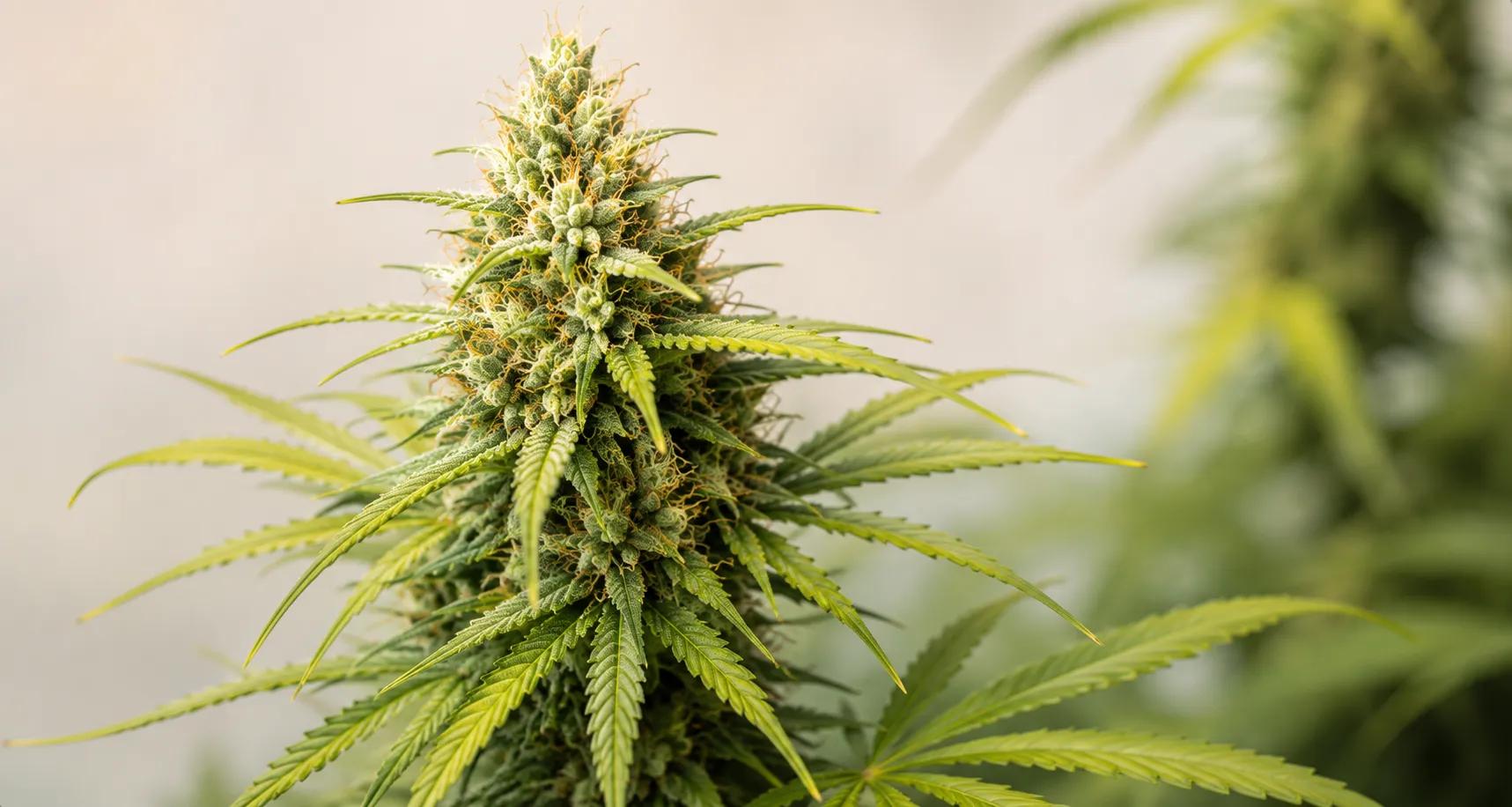
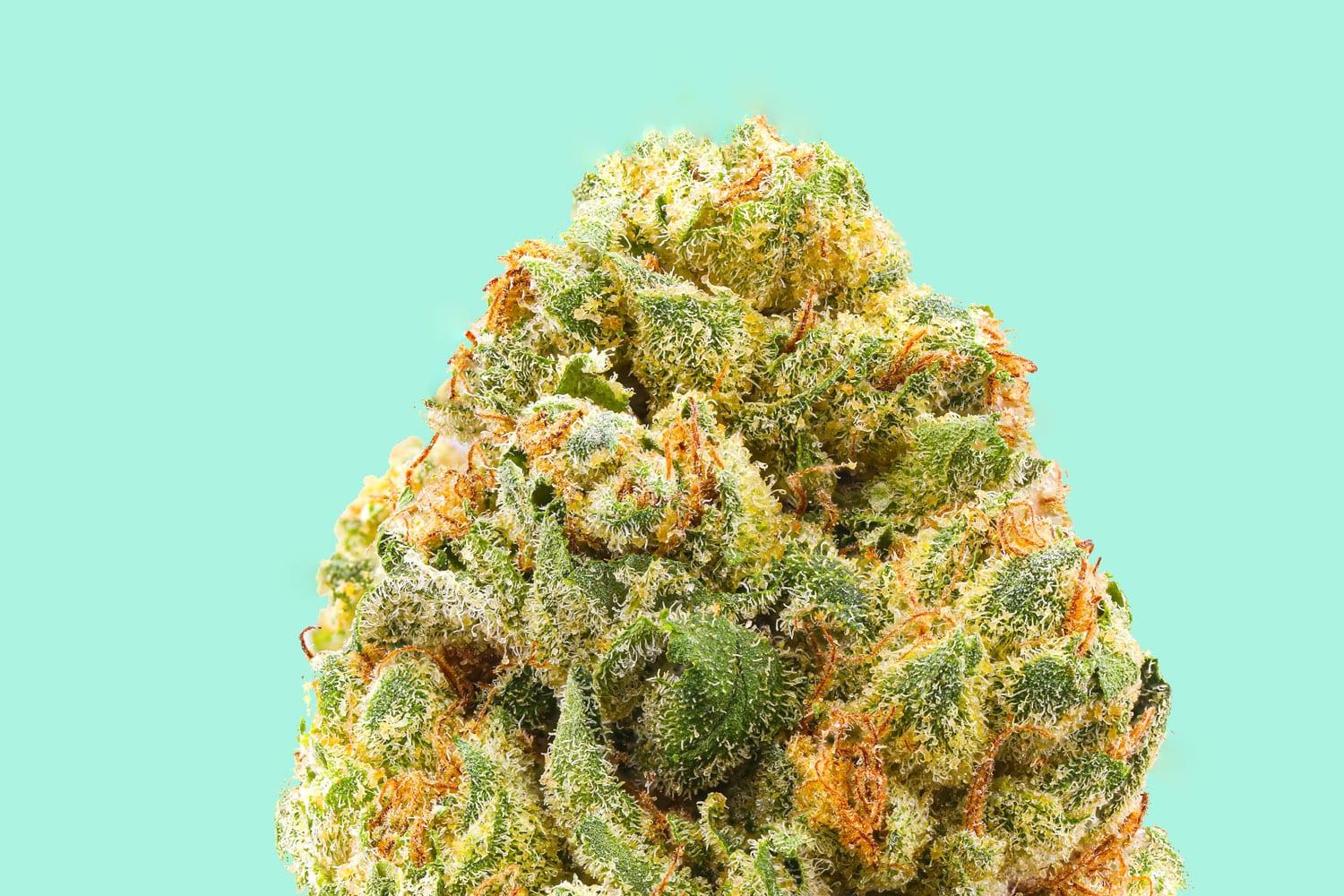
In short, terpenes are aromatic compounds that give many plants their smell, cannabis among them. Cannabis terpenes are found in the trichomes, the sticky, bulbous, resin-filled hairs that cover the buds. This resin also contains the cannabinoids.
The cannabis plant produces more than 200 types of terpenes, which act as a kind of “chemical weapon” against predators. Most of them are present in very small amounts, and only about ten are found in significantly higher amounts than the rest.
The unique combination of major and minor terpenes is what gives the different cannabis strains their characteristic aroma profiles.
By contrast, cannabinoids such as cannabidiol (CBD) or tetrahydrocannabinol (THC), have no aroma at all.
The basic function of these compounds is to give us information that lets us quickly identify the substance in front of us. But this very instinctive fact has become highly sophisticated today. Nowadays, terpenes and the other aromatic compounds in cannabis are used to provide a unique sensory experience.
Effects of cannabis terpenes
What effect do terpenes have?
Terpenes play a crucial role in the way we experience cannabis. Their effects are linked not only to users’ olfactory enjoyment but also to how they modulate and strengthen the effect of cannabinoids.
The smell of the buds alone can make us half-close our eyes and carry us back to a memory, bring a smile to our face, or make us wrinkle our nose. These small gestures, seemingly so simple, are actually part of complex chemical reactions that these tiny aromatic molecules set off in our brain – and in a matter of seconds!
From sweet floral notes to tempting pungent and woody aromas, each strain awakens different sensations in us.
And as if that were not incredible enough, even more surprising is the fact that each person can perceive the same aromas differently. That is how complex the effects of cannabis terpenes are!
Types of cannabis terpenes and their effects
Main cannabis terpenes and their effects
- Myrcene: this is the predominant terpene in cannabis strains. It gives a deep, slightly sweet, spicy, earthy aroma, with a peppery undertone and subtle fruity notes. It is known for its calming and sedative effects, and it is thought that it could increase the sedative properties of cannabis. Strains high in myrcene are linked to the well-known couch-lock, the effect whereby cannabis knocks you out on the sofa.
- Beta-caryophyllene: this is the second most abundant terpene in cannabis strains. It brings sharp, spicy and peppery notes. It is also found in black pepper, and it is one of the few terpenes with proven cannabinoid properties. It is credited with analgesic, anti-inflammatory, anxiolytic and relaxing properties, among others.
- Limonene: as its name suggests, it is responsible for the fresh, citrusy aroma of citrus fruits. But it is also the signature scent of many cannabis strains and is highly valued by cannabis users. Its most notable effect is that it lifts the mood.
- Humulene: humulene is the signature terpene of hops, the flavouring in beer. Its aroma is complex: herbaceous and refreshing, earthy, woody and resinous. It stands out for its anti-inflammatory and analgesic properties.
- Alpha and beta pinene: These two terpenes, grouped together under the name pinene, are known for their fresh, penetrating aroma, typical of pine and turpentine, which takes us straight to a lush forest – think of the smell of freshly cut wood! Their effect is to keep us alert and calm. Studies suggest they have anti-inflammatory and memory-enhancing properties.
- Linalool: the floral, spicy terpene of lavender, also present in cannabis. It is credited with relaxing and anxiolytic effects, and is being studied for its action on neurotransmitters such as GABA.
- Terpinolene: the flagship terpene of many Haze strains. It brings a fresh, floral and herbal aroma with citrus hints, and is usually associated with a mildly stimulating effect.
Cannabis tasting: the new cannabis experience
Gone are the days when people chose cannabis flower solely on its THC or CBD levels. Today, the focus is also on the real stars that shape the aroma experience: terpenes.
Cannabis tastings take you on a sensory adventure, exploring the aroma of resinous buds with sweet, bitter, earthy, spicy, floral and fruity notes.
Today, breeding, or developing new cannabis strains, focuses largely on the terpenes in the plant, and not just on cannabinoids. Because it is known that developing unique terpene profiles can deliver an unrivalled journey.
Secrets of cannabis terpenes: how do they affect the high?
The entourage effect
The effect of cannabis, its bioactive properties, comes from the plant’s large number of secondary metabolites, which include cannabinoids, terpenoids, sterols and flavonoids. In plain terms: like an orchestra, the different compounds in the cannabis plant work together to produce a stronger effect than you would expect from each one taken on its own.
This fascinating phenomenon, known as the cannabis entourage effect, was described by the Israeli researcher Raphael Mechoulam in the late nineties. Since then, it has been researched for decades.
The entourage effect explains that terpenes act in synergy with cannabinoids, enhancing their effects on the body.
So cannabinoids and terpenes interact with each other synergistically. To give a few examples of terpenes and their effects, some of these compounds can enhance the relaxing effect of CBD, enhance the psychoactive effects of THC, or soften the psychoactive effects of cannabis.
How do terpenes interact with cannabinoids?
Unfortunately, although there is a great deal of ongoing research and data on the subject, the interactions between terpenes and cannabinoids are not yet fully understood. Although it would be exciting to describe which terpene softens or increases the mental or physical effect of cannabis, as things stand we still do not have enough conclusive data to make claims of this kind.
We do know, for example, that the terpene beta-caryophyllene can bind to CB2 cannabinoid receptors, which are involved in regulating pain and inflammation, and enhance the analgesic effects of cannabinoids.
Do terpenes determine an indica or sativa effect?
Through all the mechanisms mentioned above, cannabis terpenes directly influence the effects of a cannabis strain, determining whether the effect will be more relaxing or more cerebral. However, there is no ignoring that cannabinoids also play a crucial role in the effect of cannabis.
Although the difference between indica and sativa strains has traditionally been put down to genetic factors, the most recent research has shown that the chemotype matters most in determining the effect of cannabis, meaning the measurement of the terpene and cannabinoid profile of the buds. That is why more and more scientists are proposing a new model for classifying cannabis plants by their unique phytochemical profiles (chemotypes), instead of the indica or sativa labels.
Benefits of cannabis terpenes
Discovering the benefits of cannabis terpenes
When researchers began to study the medicinal properties of cannabis, all the interest was focused on cannabinoids, particularly THC. However, they soon realised that pure THC did not have the same therapeutic benefits as the plant extract. This is how they discovered that terpenes also play an important part in the plant’s therapeutic effects.
Because they modulate and enhance the effects of weed, terpenes are of interest to anyone looking for a pleasant sensory experience, and they open up the possibility of developing new cannabis strains designed to achieve particular effects. We now know that, as well as giving cannabis its unique aromas, terpenes are being studied for their possible effects on the body.
Properties of cannabis terpenes
Most of what we know about the benefits of cannabis terpenes comes from aromatherapy, which has been studying plant essential oils – made up mainly of terpenes – for centuries.
Terpenes can have effects on the brain’s electrical activity and on neurotransmitters, stimulating or reducing activity in certain areas of the brain.
But are you sure a simple aroma can have such an impact on the body? Well, yes, it seems so! It is no exaggeration. Scientific studies show that terpenes have effects on the body even in tiny doses.
How do terpenes act in the body?
These tiny, powerful aromas can be absorbed through the airways – by inhalation; through the digestive tract, when taken orally; and through the skin, when applied topically.
Because of their lipophilic chemical nature, terpenes are absorbed very quickly, soon reaching the brain, where they cross the blood–brain barrier easily and exert many of their mental effects.
As we said earlier, cannabis contains hundreds of terpenes. Trying to list all their benefits is extremely complex, since each of these compounds has slightly different properties and they also interact with one another. And things get even more intricate when cannabinoids come into play, because of the entourage effect mentioned above.
With this in mind, and speaking generally, the potential beneficial effects of terpenes that we would highlight are the following:
Lifting the mood
The most obvious benefit of terpenes is, without a doubt, that they flood our mind and our surroundings with pleasant, enjoyable aromas, able to relax the other senses and draw us into a purely sensory experience.
Sweet, floral aromas can carry us straight back to a memory of spring or to a basket of summer fruit; pungent, herbaceous or earthy smells, to a peaceful forest deep in nature, or to the smell of freshly mown grass in the morning.
We perceive smells irrationally and involuntarily, which is why they take us to the depths of our experiences and allow us – even require us – to switch off.
Can’t stop thinking about something that is worrying you? Try smelling something pleasant and think about what it reminds you of. Or try to recall the smell of a pleasant place. You will find that, straight away, all your thoughts go quiet for a moment. Because few things demand as much attention as our sense of smell, and few are as powerful as aromas.
Smell is a channel of information separate from our thoughts, which aromatherapy draws on for its benefits for anxiety, depression and sleep problems.
Some studies have shown that terpenes have an anxiolytic and antidepressant effect. For example, some terpenes, such as pinene and linalool, have been shown to have effects on neurotransmitters such as GABA.
Sedative and relaxing
Another of the signature properties of terpenes is their sedative and relaxing effect. In particular, myrcene, the most abundant terpene in cannabis strains, is known for promoting drowsiness and relieving stress.
Analgesic, for pain and inflammation
Terpenes have great benefits related to pain relief, thanks to their potential as natural anti-inflammatories. Some terpenes have been found to have cannabimimetic effects, which could increase the pain relief produced by cannabinoids (1).
Some of the most studied terpenes, known for their anti-inflammatory and analgesic properties, include limonene and caryophyllene.
Uses of cannabis terpenes
Vaporising cannabis terpenes
If you have only just landed in the world of terpenes, hold on tight. There is currently a very powerful industry working on cannabis vaporisation, blending terpenes to try to match the flavours of certain legendary commercial cannabis strains.
Vape liquids carefully blend terpenes to imitate the aromas of cannabis and its effects. These companies offer a whole range of cannabis e-liquids, imitating cannabis strains and their possible effects.
Cannabis gummies
Terpenes are widely used to make cannabis gummies, which may or may not contain cannabinoids.
Medical cannabis and terpenes
In cannabis, the properties of terpenes attract attention mainly for developing medical cannabis strains, intended for people with conditions that involve inflammation. Cannabis terpenes can modulate cannabinoid activity, which is used as a powerful therapeutic tool to improve cannabinoid therapy.
Cannabinoid therapies can cause psychoactive and physical side effects. In this respect, developing medical cannabis strains with a specific chemotype could modulate the psychoactive effect of THC and soften the mental effects caused by the treatment. That is why cannabis terpenes make it possible not only to maximise the therapeutic effectiveness of cannabinoids, but also to reduce unwanted psychoactive side effects.
The world of terpenes: they are much more than just aromas!
As we covered in a previous article, the Cannabis sativa plant has an exceptional phytochemical richness, and can produce hundreds of different cannabinoids and terpenes.
Although cannabinoids have always grabbed all the attention, cannabis terpenes also influence the effect each cannabis strain produces. The different combinations of cannabinoids, terpenes and other fragrant compounds can affect the effects and sensations each cannabis strain provides. That is why more and more cannabis enthusiasts enjoy experimenting and identifying which terpenes are present in the bud they have chosen and what sensations they bring.
I hope this article has shown you the potential of cannabis terpenes. But don’t just take our word for it – experience it! The next time you smell cannabis, focus and immerse yourself in the sensations it gives you. Think of the hundreds of compounds and chemical reactions involved, and of how terpenes accompany you in your experience with cannabis.
References
- LaVigne JE, Hecksel R, Keresztes A, Streicher JM. Cannabis sativa terpenes are cannabimimetic and selectively enhance cannabinoid activity. Sci Rep. 2021 Apr 15;11(1):8232. doi: 10.1038/s41598-021-87740-8. PMID: 33859287; PMCID: PMC8050080.
- Russo EB. Taming THC: potential cannabis synergy and phytocannabinoid-terpenoid entourage effects. Br J Pharmacol. 2011 Aug;163(7):1344-64. doi: 10.1111/j.1476-5381.2011.01238.x. PMID: 21749363; PMCID: PMC3165946.
Frequently asked questions about cannabis terpenes
What are terpenes and what are they for?
Terpenes are the aromatic compounds that form in the plant’s trichomes. They are responsible for the smell of each cannabis strain and, as well as providing aroma, they modulate the effect the plant produces.
What effects do cannabis terpenes have?
Their effects range from olfactory enjoyment to modulating the effect of cannabinoids: they can tip the experience towards something more relaxing or more cerebral. Each terpene is associated with different effects (sedative, stimulating, analgesic, etc.).
Do terpenes get you high?
On their own they are not psychoactive: they don’t get you “high”. The psychoactive effect is produced by THC. What terpenes do is influence the overall experience through the entourage effect, modulating or fine-tuning the effect of cannabinoids.
Which is the most relaxing terpene?
Myrcene, the most abundant terpene in most strains, is the one most associated with sedative and relaxing effects, and with the well-known “couch-lock” (being stuck to the sofa).
Do terpenes determine whether a strain is indica or sativa?
They have a strong influence on the effect, but current science gives more weight to the chemotype (the specific profile of terpenes and cannabinoids) than to the traditional indica or sativa label.
Disclaimer: this article is for information purposes only and does not constitute medical advice. Cannactiva’s terpenes and CBD products are not medicines or food supplements and, in the EU, are sold for external use. In some countries, such as the UK, hemp flower is controlled even when its THC content is low. Research into cannabis terpenes is still ongoing; consult a healthcare professional before making decisions about your wellbeing.