Limonene: the most citrusy and refreshing terpene in cannabis
If you've ever found yourself enjoying the refreshing or lemony aroma of certain strains, chances are you've experienced the effect of limonene, a terpene found in cannabis. Limonene is responsible for that captivating citrus aroma, but it also offers some interesting properties.
In this article, we will delve into the exciting world of breeding and cannabis strains to unravel the secrets of limonene, learn about its characteristics, and explore the effects that this refreshing terpene can bring to those who consume it.
What is limonene and what are the effects of this terpene in cannabis?
An introduction to the terpene limonene
Imagine you've spent a lovely day out in nature and, when you get home, you want to put the perfect finishing touch to the summer's day. Homemade lemonade, Lemon Haze (Vibration) CBD flower, and a candle to set the mood for that amber-coloured scene as the sun goes down.
What is it that smells so good, so fresh and so energising? The Lemon Haze flower? Or the candle? Could it be the lemonade? Well, it's neither one nor the other, because it's all of them at once, and at the same time it's none of them. Because it isn't the buds, the squeezed lemon or the wax itself that smells, but the most characteristic volatile ingredient in all of them. One you can't see, and yet it fills everything: the terpene limonene, the refreshing aroma that will accompany us throughout this article as we discover its properties.
What is limonene?
Limonene is a terpene found mainly in citrus fruits, but also in other plants and especially in cannabis, where it is one of the most abundant aromatic compounds in commercial cannabis strains (1).
The aroma of limonene is citrusy and refreshing.
Chemistry
Limonene, also known as d-limonene, is a monoterpene. Terpenes are aromatic hydrocarbons, molecules composed of carbon and hydrogen. The prefix mono refers to the fact that its molecular formula is composed of only two isoprene units of five carbons each. This makes it one of the lightest kinds of terpenes, and therefore it is very volatile, being one of the aromas that reach our nose most quickly.
What's more, it turns out that limonene is one of the most common terpenes in nature.
What does limonene smell like?
Limonene gives cannabis strains a citrus touch. When it is the dominant terpene, it can make cannabis refreshing.

For humans, the importance of these substances we can't see, terpenes, is that they let us identify things by smell and taste. If someone holds a lemon under our nose while our eyes are closed, we'll know which fruit it is. In the same way, if we're given cannabis flower with citrus notes to smell, we'll assume we have in front of us Orange Mood (Mandarin Cookies) or Zkittlez CBD CBD flower.
Where is limonene found?
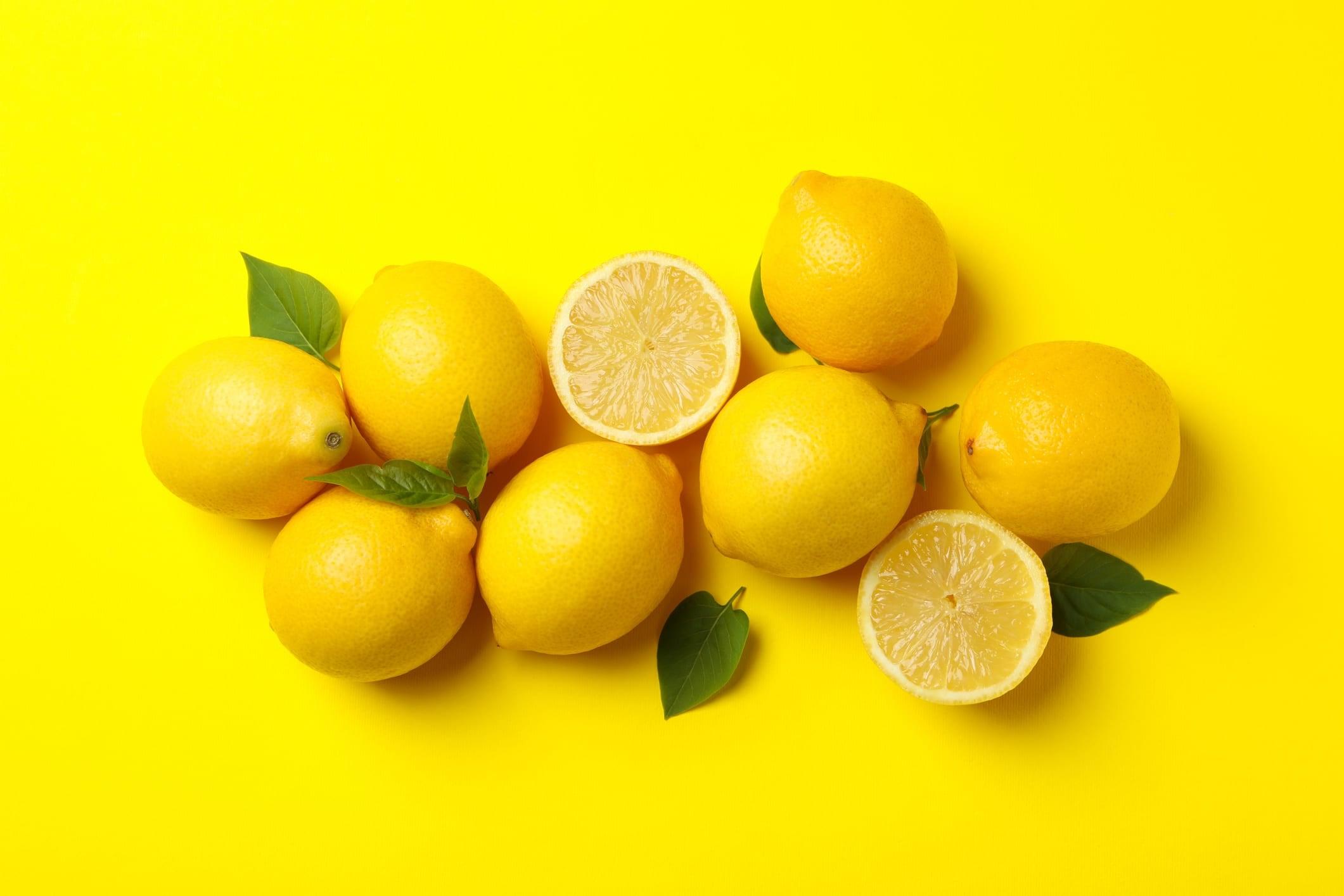
All citrus fruits contain limonene: limes, lemons, mandarins, oranges and grapefruit store this terpene especially in their peel, which is covered in essential oil glands.
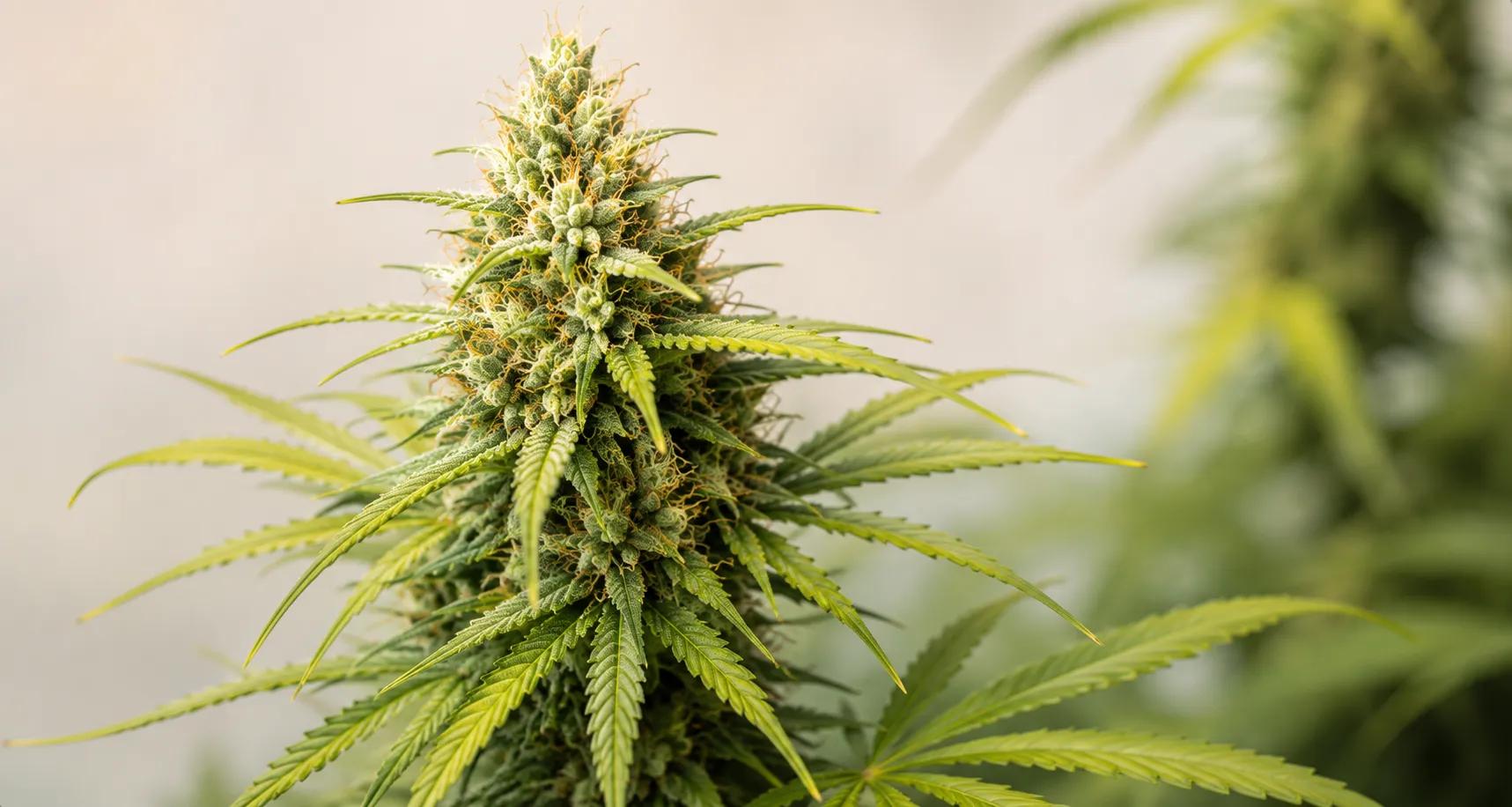
In cannabis and CBD flower, limonene, like all terpenes, is found in the resin-filled trichomes that coat the buds. These trichomes, tiny and almost invisible to the naked eye but very noticeable to the touch because of their sticky texture, are resin glands that cover the whole cannabis flower. Trichomes are vitally important, because that's where the main active compounds in cannabis are formed: cannabinoids and terpenes.
Which CBD flowers are rich in limonene?
Limonene is one of the dominant terpenes in many cannabis strains, and it can overshadow the aroma and flavour of other, less forceful terpenes. It is also one of the aromas most prized by cannabis consumers, who have fallen for its heady fragrance through such revered strains as Jack Herer, Tangie and Do-Si-Dos.
You can find high levels of limonene in CBD flower from the following Cannactiva strains:
Effects of limonene in cannabis
In the cannabis world, terpenes are taking more and more of the spotlight in scientific research, and not because of their aroma, but because of the effects their consumption can have on our bodies.
Whereas terpenes were at first thought to be mere organoleptic markers, today we know that terpenes such as limonene can modulate the effects of cannabinoids such as cannabidiol (CBD) and tetrahydrocannabinol (THC).
This is down to the famous entourage effect, according to which the active compounds in cannabis (cannabinoids and terpenes) complement one another and offer fuller benefits when consumed together than when consumed in isolation.
This principle was discovered by the Israeli researcher Raphael Mechoulam in the late 1990s, and other scientists have continued to study it. According to this theory, consuming CBD on its own, a pure CBD extract whose formulation includes no other component of the cannabis plant, does not produce the same effects as a full spectrum CBD extract, with the whole set of compounds the plant contains naturally, including minor cannabinoids (CBC or CBG, for example) and terpene levels (limonene, myrcene, pinene or linalool, for example).
What effect does limonene-rich cannabis have?
If we look up the properties of limonene in cannabis or CBD flower, the one that comes up most often is its invigorating effect.
Cannabis strains with high levels of limonene produce an energising effect.
Cannabis strains with high levels of limonene produce an energising effect, according to the cannabis literature.

There is, however, one scientifically proven property of limonene related to the entourage effect. It was established by the scientist Ethan B Russo in his study Taming THC: potential cannabis synergy and phytocannabinoid-terpenoid entourage effects (2).
In this research, Russo concluded that limonene is a “helper terpene”, that is, it facilitates the absorption of other terpenes, whether topically, through mucous membranes or by ingestion. This is the main effect of limonene in cannabis discovered so far: it enhances the usefulness of the plant's other components.
In cannabis, limonene helps other terpenes to be absorbed better, whether topically, through mucous membranes or by ingestion.
How limonene interacts with cannabinoids
While the entourage effect had already shown how terpenes influence the effects of cannabinoids, a 2023 preclinical study carried out in Israel and published in the scientific journal Biochemical Pharmacology (3) has confirmed that some terpenes, including limonene, enhance the effects of THC by boosting the activation of the CB1 receptors of the endocannabinoid system.
Limonene, when consumed at the same time as THC, amplifies the reception of this cannabinoid and therefore enhances its therapeutic effects, the experts concluded.
This finding is extremely important for people who use THC for medicinal purposes, since strains rich in limonene would make it possible to lower the dose of medical cannabis in treatments, without taking away from the benefits it offers. In this way, the side effects typical of THC would be reduced without reducing its benefits.
It enhances the cannabis experience
In recent years, cannabis terpenes, the aroma and flavour of the different strains, have become the real stars of breeding. Because cannabis consumers no longer pay so much attention to cannabinoid levels, but rather to the flavour and smell of the flowers they're about to savour.
As with wine or beer, cannabis connoisseurs seek to awaken their senses. To set off on a sensory journey that passes through sweet moments, others that are bitter, some spicy, and the most enveloping even fruity.
Whereas strains used to be chosen for how much THC or CBD they had, these days the choice is made according to their aroma, according to their terpenes. You choose Gelato because you fancy a bite of chocolate, Tangie because you want to refresh yourself with citrus, or Blueberry because you want to lose yourself in the woods with a basket full of wild berries under your arm.
Benefits of limonene
As we mentioned earlier, limonene isn't only found in cannabis, but also in many other plants, fruits and vegetables, mainly in the essential oil of citrus fruits.
And although studies on cannabis are more limited, limonene has sparked the interest of part of the scientific community, and experimental studies have been carried out to find out what the benefits of this monoterpene are.
When you walk down the cleaning products aisle at the supermarket, the citrus scent is one of the ones that stands out most. There's a reason for this: limonene is an excellent cleaning agent and, psychologically, it also conveys feelings of cleanliness and freshness. So the effect of the citrus aroma is to lift your mood.
Benefits of limonene for anxiety and depression through aromatherapy
One of the main effects limonene has on us is that it improves our mood: it makes us happier thanks to its antidepressant and anxiolytic properties.
These conclusions come mainly from aromatherapy experiments, in which inhaling limonene has been found to act as an anxiolytic agent, as it increases serotonin in the prefrontal cortex and dopamine in the hippocampus (9).
On the anxiolytic properties of limonene, a clinical study also confirmed that hospitalised depressed patients were less depressed after being exposed to citrus fragrances in the air, and some reduced their antidepressant medication (10).
Along the same lines, another study using yuzu essential oil (a Japanese citrus fruit) with limonene concentrations of 78% found that women exposed to an ambient fragrance with high levels of limonene showed lower levels of anxiety and a more positive attitude, for example (4).
Other properties of limonene
Limonene is also credited with properties against gastro-oesophageal reflux (5).
Its anti-tumour properties have also been researched to some extent: a pilot clinical study involving 43 women with breast cancer found that ingesting limonene may reduce the multiplication of cancer cells in the affected area (6).
Possible benefits of limonene as a protector against lung, liver, colon, pancreatic and skin cancers are also being studied. Limonene is able to block carcinogenesis induced by benzanthracene, a compound produced when cannabis flower is burned. For this reason, some researchers suggest that limonene may help to mitigate some of the damage caused by inhaling smoke from burning cannabis (7).
According to studies, this terpene also has an immunostimulant effect (8).
In another type of in vitro experiment, also by inhalation, limonene's antifungal properties were confirmed (11).
What's more, when applied topically, limonene could boost the effects of CBD creams for acne. This is inferred from studies carried out with two citrus essential oils, made up mainly of limonene, which inhibited the bacterium involved in the pathogenesis of acne, Propionibacterium acnes.
How can you identify limonene in cannabis?
Limonene is very abundant in cannabis, but not all strains high in limonene have a pronounced lemon aroma.
Any one strain of cannabis has at least around ten terpenes at significant levels, but it's the three most abundant that give a strain its characteristic smell. That's why limonene can sometimes have a more subtle citrus aroma.
Strains with high levels of limonene have a mainly citrus flavour and aroma, but that fragrance is nuanced by other aromatic notes, by those other terpenes that enrich the overall aroma of the strain.
So limonene is responsible for that familiar citrus aroma we all know; however, subtle differences can be noticed in the final smell, depending on the other terpenes present. It's because of these aromatic nuances that, when we rub the peel of a citrus fruit, we can tell by the smell whether it's an orange, a lemon or a lime, because each one has its own nuance and characteristic aroma.
Likewise, it has been shown that when tasters are given limonene (the pure substance) to smell, they describe a citrus smell, but they can't tell where it comes from. Nuances matter!
Which cannabis strains are rich in limonene?
Some of the strains with the highest levels of limonene are the classics Jack Herer, OG Kush and Sour Diesel. Also Tangie, Super Lemon Haze, Purple Punch and Wedding Cake, more recent strains that have arrived to delight consumers who love citrus flavours.
How can you preserve the limonene in cannabis?
Although limonene is a very abundant terpene in nature, it is also a very fragile terpene. In general, terpenes are very delicate and disappear easily depending on the humidity, heat, light or oxygen they are exposed to.
Limonene is a very light monoterpene and is therefore volatile. A monoterpene is easier to destroy than heavier terpenes, such as sesquiterpenes and triterpenes.
To preserve limonene levels and avoid losing it, it's important to bear in mind that limonene breaks down when exposed to temperatures above 177°C. If you vaporise, for example, keep an eye on the temperature you set on your vaporizer and don't go over the limit mentioned above.
I hope you've enjoyed this aromatic journey to the heart of citrus through cannabis. Now that you're a limonene expert, all that's left is to experience it for yourself.
References
- Smith CJ, Vergara D, Keegan B, Jikomes N. The phytochemical diversity of commercial Cannabis in the United States. PLoS One. 2022 May 19;17(5):e0267498. doi: 10.1371/journal.pone.0267498. PMID: 35588111; PMCID: PMC9119530.
- Russo EB. Taming THC: potential cannabis synergy and phytocannabinoid-terpenoid entourage effects. Br J Pharmacol. 2011 Aug;163(7):1344-64. doi: 10.1111/j.1476-5381.2011.01238.x. PMID: 21749363; PMCID: PMC3165946.
- Raz N, Eyal AM, Zeitouni DB, Hen-Shoval D, Davidson EM, Danieli A, Tauber M, Ben-Chaim Y. Selected cannabis terpenes synergize with THC to produce increased CB1 receptor activation. Biochem Pharmacol. 2023 Apr 19;212:115548. doi: 10.1016/j.bcp.2023.115548. Epub ahead of print. PMID: 37084981.
- Matsumoto T, Asakura H, Hayashi T. Effects of olfactory stimulation from the fragrance of the Japanese citrus fruit yuzu (Citrus junos Sieb. ex Tanaka) on mood states and salivary chromogranin A as an endocrinologic stress marker. J Altern Complement Med. 2014 Jun;20(6):500-6. doi: 10.1089/acm.2013.0425. Epub 2014 Apr 17. PMID: 24742226; PMCID: PMC4048973.
- Moraes TM, Kushima H, Moleiro FC, Santos RC, Rocha LR, Marques MO, Vilegas W, Hiruma-Lima CA. Effects of limonene and essential oil from Citrus aurantium on gastric mucosa: role of prostaglandins and gastric mucus secretion. Chem Biol Interact. 2009 Aug 14;180(3):499-505. doi: 10.1016/j.cbi.2009.04.006. Epub 2009 May 3. PMID: 19410566.
- Miller JA, Lang JE, Ley M, Nagle R, Hsu CH, Thompson PA, Cordova C, Waer A, Chow HH. Human breast tissue disposition and bioactivity of limonene in women with early-stage breast cancer. Cancer Prev Res (Phila). 2013 Jun;6(6):577-84. doi: 10.1158/1940-6207.CAPR-12-0452. Epub 2013 Apr 3. PMID: 23554130; PMCID: PMC3692564.
- Lidya Kebede, Seyedehsara Masoomi Dezfooli, Ali Seyfoddin. (2022) Medicinal cannabis pharmacokinetics and potential methods of delivery. Pharmaceutical Development and Technology 27:2, pages 202-214.
- Dusan Vukmirovic, Nguyen T. K. Vo, Colin Seymour, Dave Rollo, Carmel Mothersill. (2021) Influence of common dietary supplements (curcumin, andrographolide, and d-limonene) on the radiobiological responses of p53-competent colonic cancer epithelial cells. International Journal of Radiation Biology 97:3, pages 341-347.
- Zhou W, Yoshioka M, Yokogoshi H. Sub-chronic effects of s-limonene on brain neurotransmitter levels and behavior of rats. J Nutr Sci Vitaminol (Tokyo). 2009 Aug;55(4):367-73. doi: 10.3177/jnsv.55.367. PMID: 19763039.
- Komori T, Fujiwara R, Tanida M, Nomura J, Yokoyama MM. Effects of citrus fragrance on immune function and depressive states. Neuroimmunomodulation. 1995 May-Jun;2(3):174-80. doi: 10.1159/000096889. PMID: 8646568.
- Chee HY, Kim H, Lee MH. In vitro Antifungal Activity of Limonene against Trichophyton rubrum. Mycobiology. 2009 Sep;37(3):243-6. doi: 10.4489/MYCO.2009.37.3.243. Epub 2009 Sep 30. PMID: 23983542; PMCID: PMC3749397.
Frequently asked questions
Which plants are rich in limonene?
Limonene is also found in other plants, fruits and vegetables. In fact, all citrus fruits contain limonene: limes, lemons, mandarins, oranges and grapefruit store this terpene especially in their peel, which is covered in essential oil glands. Other aromatic plants, such as celery, fennel, rosemary and mint, also produce limonene, although in smaller amounts.
What role does limonene play in plants?
Beyond the aroma and flavour it brings to cannabis and fruit, limonene is a terpene with a far more important mission for some plants than pleasing the palate or the nose. For them, limonene is an effective insect pest repellent. Some produce limonene, for example, because many parasites are “scared off” by the citrus aroma. So limonene allows them to stay safe from attack and survive.