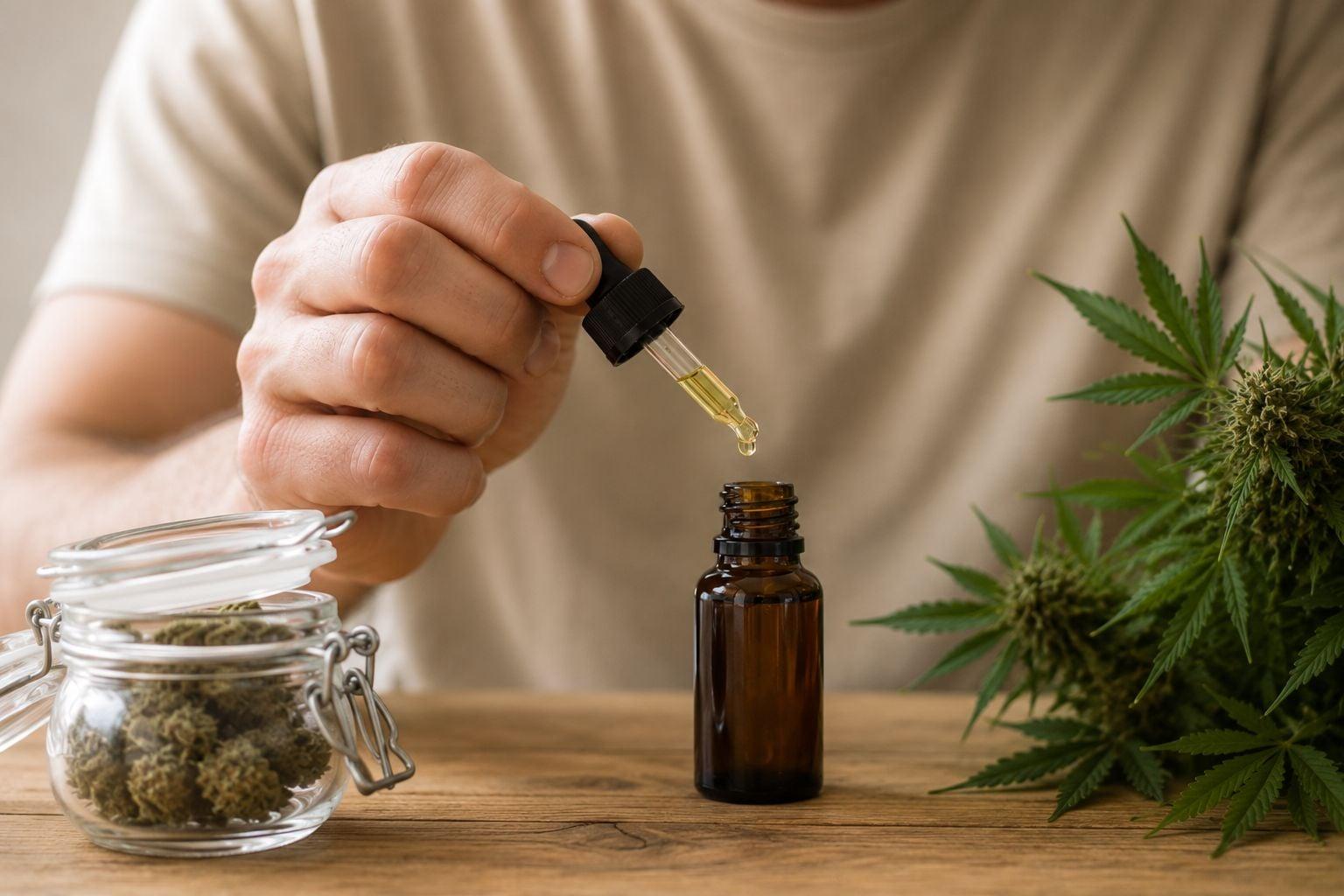
The entourage effect in cannabis: enhancing the benefits of cannabinoids
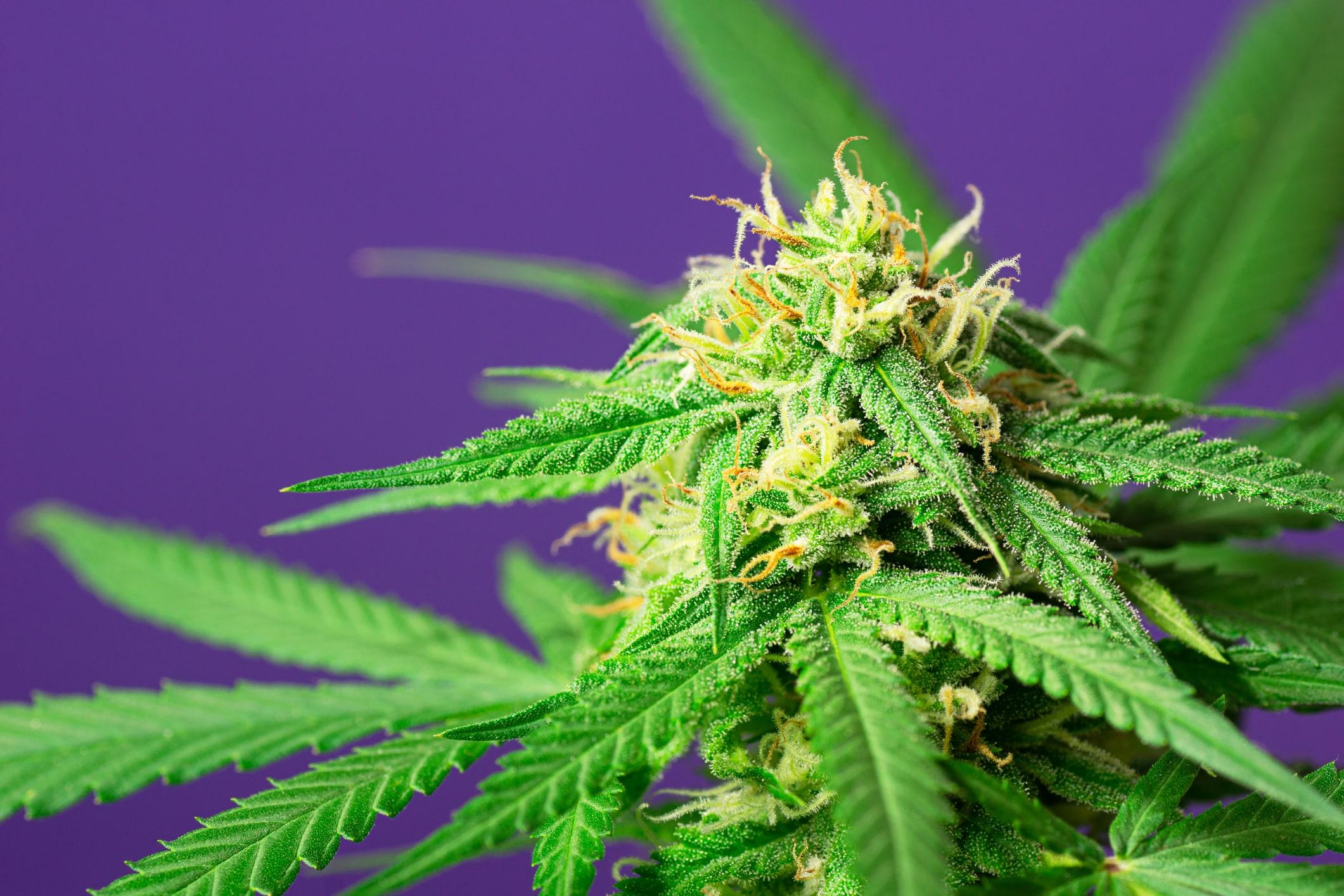
Cannabis is a plant with a long history of use in many cultures, as food, textile fibre and medicine. Although it has been used for millennia, some of its properties are not yet 100% understood and are still being researched.
One of the areas that attracts the most interest is the entourage effect of cannabis, which refers to the synergistic interaction between the cannabinoids, terpenes and flavonoids present in the plant. Like a team of superheroes working together to boost their powers, this interaction is credited with certain effects that could help explain the effects the plant has on the body. Understanding this synergy helps to explain and enhance the wellbeing benefits of CBD. In this article, we explain exactly what the entourage effect of cannabis is and how it works.
The entourage effect is precisely why full spectrum CBD oils are considered superior to CBD isolate: by retaining all the cannabinoids, terpenes and flavonoids of the plant, they harness this natural synergy. That's why not all CBD oils are the same. There are many types on the market and the price varies a lot depending on the extract, the concentration and the quality, so it's worth knowing what to look for before buying. We explain it all in our guide to buying CBD oil.
What is the entourage effect?
The entourage effect (known in Spanish as efecto séquito) is the phenomenon that occurs when two or more compounds in the cannabis plant work synergistically to modulate or produce a greater effect than they would on their own.
Synergy refers to the cooperative benefit of cannabinoids, terpenes and flavonoids that results in an amplified effect. These cooperative interactions can be cannabinoid-cannabinoid, cannabinoid-terpene or terpene-terpene, plus their respective combinations with flavonoids.
The importance of the entourage effect: therapeutic uses
The entourage effect in cannabis is an interesting phenomenon because of its ability to improve the therapeutic efficacy of cannabis by combining cannabinoids, terpenes and flavonoids.
This is quite useful for medical purposes, as unwanted effects could be minimised by optimising the therapeutic dose used. Implicit in this entourage effect theory is the fact that using isolated cannabinoids is not the same as using cannabis extracts. For example, as we have mentioned several times on the blog, in particular cases full spectrum CBD has been shown to give better results than pure CBD.
Differences between the entourage effect and the synergistic effect: are they the same?
The entourage effect is a synergistic effect, but not vice versa. The entourage effect only refers to the synergy that occurs with the compounds of the cannabis plant.
The concepts of the entourage effect and synergy might seem to be the same thing, but in reality they are only related concepts. The difference between the entourage effect and the synergistic effect is that the former refers to the interaction between cannabis compounds, whether to modulate or increase their effects, while synergy itself refers to these compounds working together.

Advantages of the entourage effect
The entourage effect can offer therapeutic benefits by allowing various compounds in the cannabis plant to work together. Here is a summary of the advantages of the entourage effect:
- Amplified therapeutic effect: Greater effectiveness with lower doses.
- Minimisation of side effects: A lower dose of THC is needed, reducing unwanted psychoactive effects.
- Balanced effects: The complex combinations that can occur with all cannabis compounds can give rise to a holistic or multidimensional effect.
- Reduced tolerance: Terpenes can promote a consistent effect of phytocannabinoids.
Cannabis components that contribute to the entourage effect
The entourage effect involves the interaction of all the constituent substances of Cannabis. The Cannabis sativa plant has more than 500 components reported to date (1). Of these, only 125 are cannabinoids and the rest are non-cannabinoid compounds, including terpenes and flavonoids, among others.
Within the study of the entourage effect, tetrahydrocannabinol (THC) and cannabidiol (CBD) have been the most researched cannabinoids in the laboratory, and among those described to a lesser extent are cannabigerol (CBG) and CBN (cannabinol).
On the other hand, the non-cannabinoid compounds of the cannabis plant are classified into phenols, flavonoids, terpenes and alkaloids (1), which are not only found in cannabis; they are also essential components of many plant foods, providing organoleptic properties, i.e. they provide smell, colour and flavour.
Of all these non-cannabinoid compounds, only the role of terpenes in the entourage effect has been studied. The best-known terpenes in the cannabis plant are limonene, myrcene, pinene and linalool (2).
How does the entourage effect work?
The mechanisms of the entourage effect are very varied. Each substance that makes up cannabis has its own mechanisms of action, and acting together they can give rise to additive effects. The range of possible interactions is as wide as the range of possible combinations of cannabinoids, terpenes and flavonoids.
Different research groups have focused on the study of cannabinoids and terpenes and their dynamics within the entourage effect. Flavonoids, on the other hand, are found in such low quantities that they have not been analysed under experimental conditions; however, their contribution to the entourage effect has not been ruled out.
Benefits of the entourage effect
Interactions between cannabinoids
Although the entourage effect involves various compounds in the cannabis plant, most studies have looked at the interaction between THC and CBD.
Analgesia
Preparations of THC and CBD have been compared with the administration of pure THC to assess their effectiveness in treating pain caused by cancer. The results showed that the combination of THC and CBD provides greater relief than the administration of THC alone (3).
On the other hand, a study on neuropathic pain that evaluated different doses of THC combined with CBD showed that, although together they can potentiate the analgesic effect in the body, this effect is also dose-dependent. Cannabinoids can show a bell-shaped effect, where higher doses do not translate into better results, but quite the opposite. Accordingly, this study found that low doses of THC with CBD are more potent for treating neuropathic pain than high doses of THC with CBD (4).

Reducing the harmful effects of THC
CBD helps to mitigate the side effects of chronic and acute use of cannabis with THC (5). In a study that analysed the residual THC and CBD content in the hair of 140 cannabis users with schizoid symptoms, the patients with the most hallucinations and delusions were found to be those with traces of THC only, while patients who had also used CBD (and therefore had traces of it in their hair) showed lower levels of these psychotic symptoms (6).
Addiction treatment
An experimental conditioning paradigm model in laboratory animals, used to assess preference for and addiction to cocaine and amphetamine, found that both THC and CBD, each administered separately, helped to reduce preference for the substances (7).
This suggests that THC and CBD may have positive effects in the treatment of addiction. It underpins the clinical studies carried out in Jamaica and Brazil (8, 9), where cannabis has been used to help treat cocaine addiction.

Interactions between cannabinoids and terpenes
Cancer treatment
In a study on breast cancer tumour cells, the effect of isolated THC was compared with that of a cannabis-based preparation to assess their effectiveness as an antitumour treatment. The results showed a large difference that points to the entourage effect, as the cannabis preparation containing terpenes had a more potent antitumour action than THC used alone. The terpenes in the preparation included beta-caryophyllene, linalool, nerolidol and beta-pinene, although the authors found that the preparation's greater potency was not due to its most abundant terpenes (10).
Many other in vitro studies (studies carried out on cells) have demonstrated the anticancer effect of cannabis preparations containing terpenes and cannabinoids. One of these studies demonstrated the entourage effect of cannabis buds, predominantly high in THC and CBG, in eliminating colon cancer tumour cells (11).

Analgesic effect
The analgesic effect of some CBD-rich cannabis extracts has been shown to be due to the entourage effect of CBD with terpenes. A study in laboratory animals compared the analgesic effect of a CBD-rich cannabis extract with a preparation of pure CBD and THC, showing that the cannabis product containing all the components of the plant was more effective than the synthetic preparation, even though both the natural and the synthetic product contained similar proportions of CBD and THC. According to this study, it cannot be ruled out that the terpenes in the plant amplify the effect of CBD to produce an analgesic effect (12).
On the other hand, in a study in animal models on the entourage effect of THC and its interaction with terpenes, THC alone produced an analgesic effect equivalent to that of the full extract, while the terpenes alone neither produced it nor modified the analgesia of cannabis (13).
Antiepileptic
The entourage effect of CBD in the treatment of epilepsy has been put forward as a theory resulting from a meta-analysis carried out by a research group (14). The study analysed several observational clinical studies in which CBD products were used to treat refractory epilepsy. This research group proposes that CBD-rich cannabis extracts achieve better therapeutic results than cases where CBD alone or isolated CBD was used. This suggests that the entourage effect between CBD and terpenes is responsible for the more favourable results in the treatment of refractory epilepsy.
Interestingly, the molecular mechanisms indicate that the cannabinoid-terpene interaction is not mediated by the endocannabinoid receptors CB1 and CB2 (15), suggesting that they help to induce the entourage effect through intricate signalling pathways that potentiate the effect of phytocannabinoids.

Interactions between terpenes
Terpenes on their own are considered anxiolytic (16), anti-inflammatory (17) and anticancer (18). In the cannabis plant, terpenes are involved in the entourage effect as enhancers or promoters of the action of the cannabis plant's cannabinoids (19).
The study of terpenes from the cannabis plant is difficult, as these aromatic compounds are found in very low concentrations. Likewise, the great variation in the terpene profiles of each cannabis strain makes studying them specifically even more complicated.
Some examples of terpene-terpene interactions that have been described in experimental settings, generally from essential oils, are:
- Limonene and alpha-pinene: have a synergistic antibacterial effect (20, 21).
- Myrcene and limonene: increase the sedative effects of THC (22).
- Alpha-pinene and beta-pinene: may act synergistically to reduce inflammation (23).
Potential drawbacks of the entourage effect
It might seem that the entourage effect only brings benefits. However, there are some aspects that should be taken into consideration:
- Lack of standardisation of cannabis products: Because the concentration of cannabinoids and terpenes can vary even between two plants of the same strain, obtaining consistent results between batches and strains is almost impossible. Although estimates of the profiles are available, pharmaceutical-grade precision cannot be achieved with natural cannabis products, which makes them difficult to study in the laboratory.
- Unknown side effects: Due to the complexity and variety of the terpene profiles of the cannabis plant, it is very difficult to know absolutely all the possible adverse events that a person might experience from a particular combination of terpenes contained in the cannabis plant.
- Potentiation of the psychoactive effect of THC: The use of medical cannabis leads to unwanted side effects. Some cannabis strains may contain terpenes that amplify the psychoactive effect of THC.
Clinical applications of the entourage effect
The entourage effect could cover various clinical applications by favouring the use of more efficient doses of cannabinoids. Although the entourage effect is difficult to characterise because cannabis strains have such different cannabinoid and terpene profiles, the synergistic effect could contribute to the treatment of some medical conditions.
The clinical applications of the entourage effect of THC would be more focused on minimising the necessary dose of medical cannabis, thus reducing side effects and improving its safety profile.
The entourage effect of CBD, that is, the synergistic phenomenon that occurs with the use of CBD-rich cannabis strains, may have useful therapeutic implications for very specific cases. Refractory epilepsy resulting from encephalopathies such as Lennox-Gastaut syndrome and Dravet syndrome appears to show favourable results with pharmaceutical CBD (Epidiolex) and the use of full spectrum CBD extracts (24).
Looking to the future
The entourage effect offers a more balanced and effective effect than the administration of cannabinoids or terpenes in isolation. This opens the door to endless possibilities if isolated combinations of some cannabis compounds are used.
Scientific research is helping to understand the mechanisms of the entourage effect with the aim of finding particularities that could lead to more specific and effective treatments.
Another topic that is rarely discussed in scientific publications is the impressive complexity of the plant world. The cannabis plant is so complex that no laboratory could accurately recreate it synthetically, and therein lies the potential of the cannabis entourage effect. The synergy of the cannabis plant's components is an example of how plants can be better drugs than the products isolated from them. Even so, different cannabinoid-cannabinoid, cannabinoid-terpene and terpene-terpene combinations and interactions can be explored; however, the laboratories interested in studying natural products are few.
We hope that in the coming years there will be more information on the entourage effect and its potential applications, supporting a more effective and safer use of cannabis.
References
- Radwan, M. M., Chandra, S., Gul, S., & ElSohly, M. A. (2021). Cannabinoids, Phenolics, Terpenes and Alkaloids of Cannabis. Molecules (Basel, Switzerland), 26(9), 2774.
- Sommano, S. R., Chittasupho, C., Ruksiriwanich, W., & Jantrawut, P. (2020). The Cannabis Terpenes. Molecules (Basel, Switzerland), 25(24), 5792.
- Johnson, J. R., Burnell-Nugent, M., Lossignol, D., Ganae-Motan, E. D., Potts, R., & Fallon, M. T. (2010). Multicenter, double-blind, randomized, placebo-controlled, parallel-group study of the efficacy, safety, and tolerability of THC:CBD extract and THC extract in patients with intractable cancer-related pain. Journal of pain and symptom management, 39(2), 167–179.
- Casey, S. L., Atwal, N., & Vaughan, C. W. (2017). Cannabis constituent synergy in a mouse neuropathic pain model. Pain, 158(12), 2452–2460.
- Russo, E., & Guy, G. W. (2006). A tale of two cannabinoids: the therapeutic rationale for combining tetrahydrocannabinol and cannabidiol. Medical hypotheses, 66(2), 234–246.
- Morgan, C. J., & Curran, H. V. (2008). Effects of cannabidiol on schizophrenia-like symptoms in people who use cannabis. The British journal of psychiatry : the journal of mental science, 192(4), 306–307.
- Parker, L. A., Burton, P., Sorge, R. E., Yakiwchuk, C., & Mechoulam, R. (2004). Effect of low doses of delta9-tetrahydrocannabinol and cannabidiol on the extinction of cocaine-induced and amphetamine-induced conditioned place preference learning in rats. Psychopharmacology, 175(3), 360–366.
- Dreher, Melanie. (2002). Crack Heads and Roots Daughters: The Therapeutic Use of Cannabis in Jamaica. Journal of Cannabis Therapeutics. 2. 121-133.
- Labigalini, E., Jr, Rodrigues, L. R., & Da Silveira, D. X. (1999). Therapeutic use of cannabis by crack addicts in Brazil. Journal of psychoactive drugs, 31(4), 451–455.
- Blasco-Benito, S., Seijo-Vila, M., Caro-Villalobos, M., Tundidor, I., Andradas, C., García-Taboada, E., Wade, J., Smith, S., Guzmán, M., Pérez-Gómez, E., Gordon, M., & Sánchez, C. (2018). Appraising the “entourage effect”: Antitumor action of a pure cannabinoid versus a botanical drug preparation in preclinical models of breast cancer. Biochemical pharmacology, 157, 285–293.
- Nallathambi, R., Mazuz, M., Namdar, D., Shik, M., Namintzer, D., Vinayaka, A. C., Ion, A., Faigenboim, A., Nasser, A., Laish, I., Konikoff, F. M., & Koltai, H. (2018). Identification of Synergistic Interaction Between Cannabis-Derived Compounds for Cytotoxic Activity in Colorectal Cancer Cell Lines and Colon Polyps That Induces Apoptosis-Related Cell Death and Distinct Gene Expression. Cannabis and cannabinoid research, 3(1), 120–135.
- Comelli, F., Giagnoni, G., Bettoni, I., Colleoni, M., & Costa, B. (2008). Antihyperalgesic effect of a Cannabis sativa extract in a rat model of neuropathic pain: mechanisms involved. Phytotherapy research : PTR, 22(8), 1017–1024.
- Harris, H. M., Rousseau, M. A., Wanas, A. S., Radwan, M. M., Caldwell, S., Sufka, K. J., & ElSohly, M. A. (2019). Role of Cannabinoids and Terpenes in Cannabis-Mediated Analgesia in Rats. Cannabis and cannabinoid research, 4(3), 177–182.
- Pamplona, F. A., da Silva, L. R., & Coan, A. C. (2018). Potential Clinical Benefits of CBD-Rich Cannabis Extracts Over Purified CBD in Treatment-Resistant Epilepsy: Observational Data Meta-analysis. Frontiers in neurology, 9, 759.
- Finlay, D. B., Sircombe, K. J., Nimick, M., Jones, C., & Glass, M. (2020). Terpenoids From Cannabis Do Not Mediate an Entourage Effect by Acting at Cannabinoid Receptors. Frontiers in pharmacology, 11, 359.
- Harada, H., Kashiwadani, H., Kanmura, Y., & Kuwaki, T. (2018). Linalool Odor-Induced Anxiolytic Effects in Mice. Frontiers in behavioral neuroscience, 12, 241.
- Miguel M. G. (2010). Antioxidant and anti-inflammatory activities of essential oils: a short review. Molecules (Basel, Switzerland), 15(12), 9252–9287.
- Guesmi, F., Tyagi, A. K., Prasad, S., & Landoulsi, A. (2018). Terpenes from essential oils and hydrolate of Teucrium alopecurus triggered apoptotic events dependent on caspases activation and PARP cleavage in human colon cancer cells through decreased protein expressions. Oncotarget, 9(64), 32305–32320.
- Russo E. B. (2011). Taming THC: potential cannabis synergy and phytocannabinoid-terpenoid entourage effects. British journal of pharmacology, 163(7), 1344–1364.
- Alma, M. H., Nitz, S., Kollmannsberger, H., Digrak, M., Efe, F. T., & Yilmaz, N. (2004). Chemical composition and antimicrobial activity of the essential oils from the gum of Turkish pistachio (Pistacia vera L.). Journal of agricultural and food chemistry, 52(12), 3911–3914.
- Dai, J., Zhu, L., Yang, L., & Qiu, J. (2013). Chemical composition, antioxidant and antimicrobial activities of essential oil from Wedelia prostrata. EXCLI journal, 12, 479–490.
- Vigil, J.M., Stith, S.S., Brockelman, F. et al. Systematic combinations of major cannabinoid and terpene contents in Cannabis flower and patient outcomes: a proof-of-concept assessment of the Vigil Index of Cannabis Chemovars. J Cannabis Res 5, 4 (2023).
- Salehi, B., Upadhyay, S., Erdogan Orhan, I., Kumar Jugran, A., L D Jayaweera, S., A Dias, D., Sharopov, F., Taheri, Y., Martins, N., Baghalpour, N., Cho, W. C., & Sharifi-Rad, J. (2019). Therapeutic Potential of alpha- and beta-Pinene: A Miracle Gift of Nature. Biomolecules, 9(11), 738.
- Devinsky, O., Nabbout, R., Miller, I., Laux, L., Zolnowska, M., Wright, S., & Roberts, C. (2019). Long-term cannabidiol treatment in patients with Dravet syndrome: An open-label extension trial. Epilepsia, 60(2), 294–302.