Types of cannabinoids in cannabis and their effects
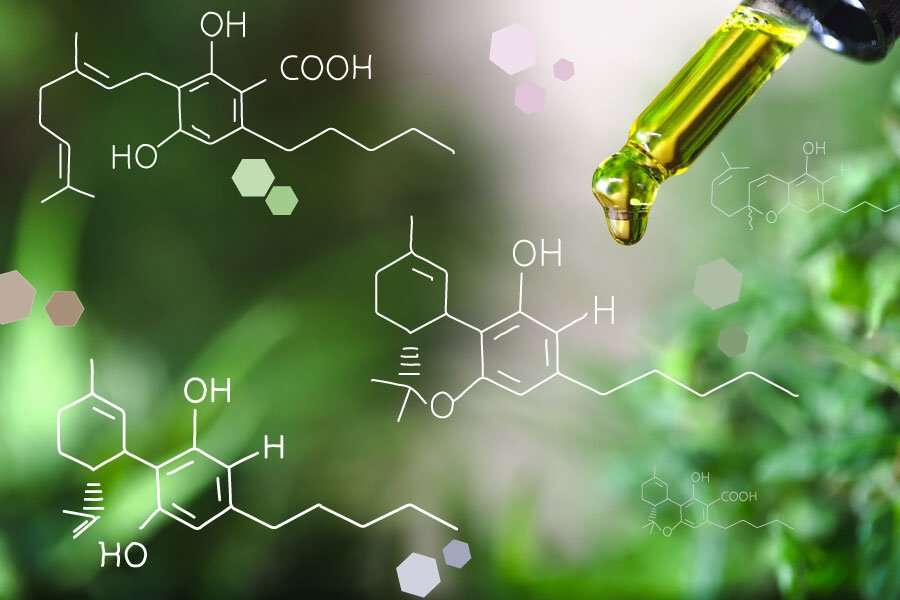
The cannabis plant is one of nature’s treasures, containing hundreds of interesting chemical compounds, among them the phytocannabinoids, also simply called cannabinoids or cannabis cannabinoids.
Although CBD and THC always grab all the attention, there are more than 100 types of cannabinoids, which interact with one another and work together to create the effects of cannabis and hemp. Stay with us and explore the world of phytocannabinoids: the most distinctive compounds in cannabis, with great potential.
What are cannabis cannabinoids?
Definition
Cannabis cannabinoids are a group of chemical compounds found in the Cannabis sativa plant, which includes both hemp and high-THC cannabis. They can also be called phytocannabinoids (the prefix “phyto-” comes from Greek and means “plant”).
They differ from cannabinoids that come from other sources, mainly endocannabinoids (the prefix endo- means “within”), which are the ones the body produces itself, and synthetic cannabinoids, which are made in laboratories and may or may not resemble the natural substances.
Chemical characteristics
Chemically, cannabis cannabinoids are terpenophenols: molecules made up of 21 carbon atoms, arranged in up to three rings (only one of them aromatic) and a hydrocarbon chain. They are insoluble in water and soluble in lipids, alcohols and organic solvents.
Unlike most drugs, including cocaine, nicotine and caffeine, cannabinoids are not alkaloids (they contain no nitrogen).
Where they are produced
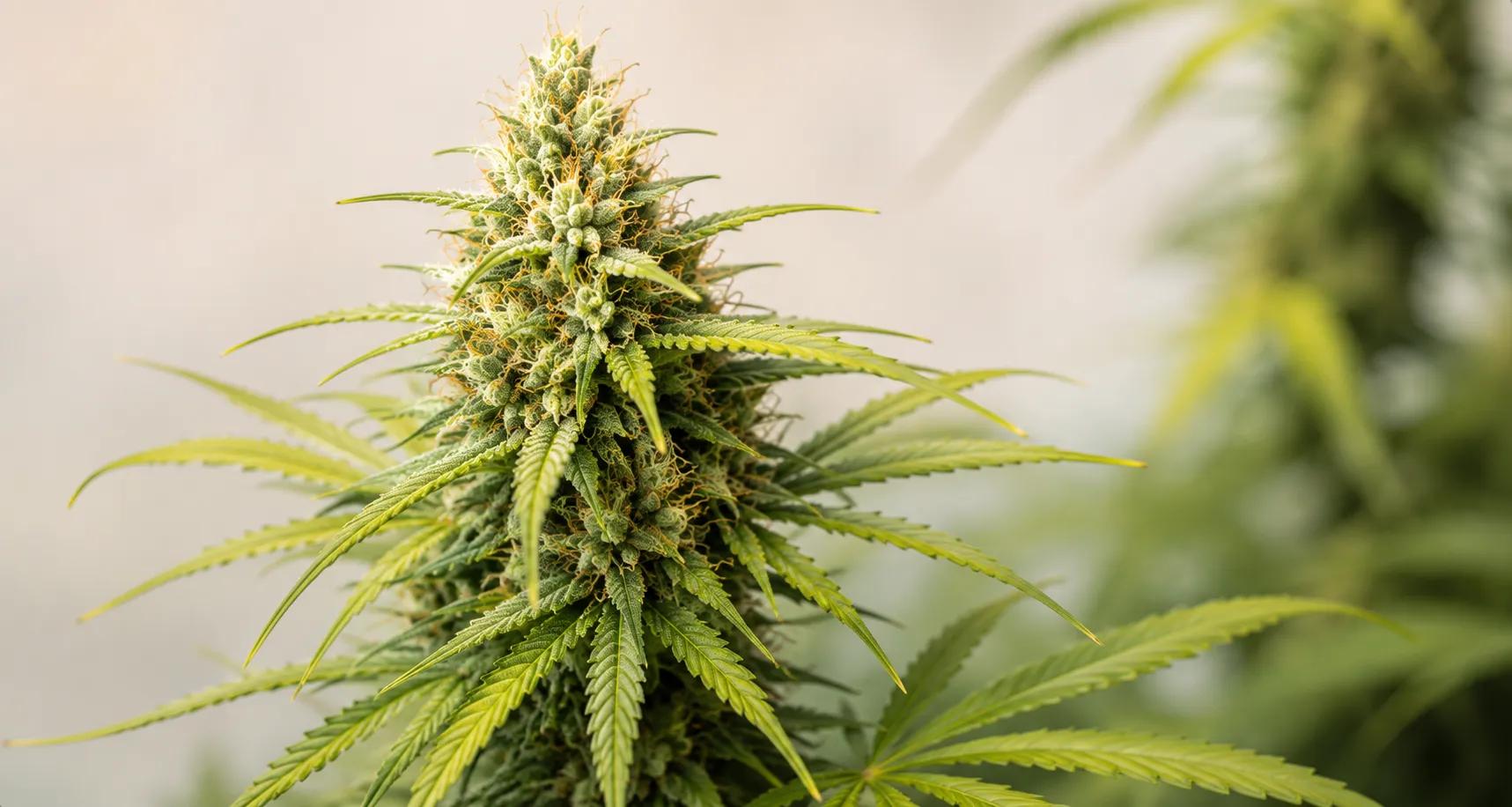
Cannabinoids are produced in the trichomes of cannabis, tiny resin glands that cover the whole plant, but especially the flowers (popularly known as buds). The cannabinoid content varies both qualitatively and quantitatively depending on the cannabis strain and its growing conditions.
By choosing seeds with particular genetics and controlling the growing environment, it is possible to produce cannabis buds with specific characteristics in terms of flower size, cannabinoid composition and aromatic terpenes.
Functions in the plant
In the cannabis plant, cannabinoids perform biological survival functions, such as protection against predators and regulating the plant’s growth and development in response to environmental stress (light conditions, soil nutrients, watering).
Why cannabinoids matter
What makes these compounds unique is that they activate systems in the body related to mood, immunity and fertility (source). In other words, phytocannabinoids were key to the discovery of the endocannabinoid system.
These active compounds are the reason why cannabis has been used over the centuries both recreationally and therapeutically. When ingested, inhaled or applied to the skin, cannabinoids have different effects on the body.
How many cannabinoids does cannabis produce?
Some well-known phytocannabinoids include THC and CBD, although more than 100 different cannabinoids have been identified in cannabis, and most of them are not psychoactive (only a few are, such as THC and CBN).
The different types of cannabinoids in cannabis have synergistic properties, meaning that their effects are enhanced when they are taken together, which is known as the entourage effect.
Types of cannabinoids in cannabis
In general, the main cannabinoids in cannabis are cannabigerol (CBG), cannabichromene (CBC) and cannabidiol (CBD) and, in varying concentrations depending on the strain, THC (Δ9-tetrahydrocannabinol, abundant in weed) and cannabinol (CBN).
The other types of cannabinoids usually derive from the 12 main ones, which include: those mentioned above (CBG, CBC, CBD, ∆9-THC, CBN), CBCA (cannabichromenic acid), CBDA (cannabidiolic acid), CBDV (cannabidivarin), CBGA (cannabigerolic acid), CBGV (cannabigerovarin), THCA (tetrahydrocannabinolic acid) and THCV (tetrahydrocannabivarin).

Acid and neutral forms of cannabinoids
One peculiarity of cannabinoids you should know about is that they are found in the cannabis plant in their acid form, shown by an “A” at the end of their name. The acid form is the precursor of the active forms through the process of decarboxylation. So THC and THCA, although they are two different types of cannabinoid, differ only minimally. The same goes for CBD and CBDA, CBG and CBGA, and so on.
Cannabis also has other compounds that enhance the effect of phytocannabinoids. This is the case with terpenes, naturally present in hemp, which have a synergistic effect and increase the effects of phytocannabinoids (source).
THC: the psychoactive compound responsible for the effects of cannabis
Tetrahydrocannabinol (THC) is the main psychotropic compound in cannabis and is responsible for its psychoactive effects. It acts on the CB1 cannabinoid receptors in the brain, which can lead to changes in perception, mood and cognition.
CBD: the non-psychoactive cannabinoid with therapeutic potential and health benefits
Cannabidiol (CBD) is another type of cannabinoid present in cannabis (the most abundant after THC), and it is also found in large amounts in hemp (cannabis with very little THC). It does not produce psychoactive effects and has been widely researched for its therapeutic potential in a range of health conditions, including anxiety, epilepsy, Parkinson’s, Alzheimer’s and palliative care in cancer, among others. If you want to go deeper into the subject, don’t miss our post on the medicinal properties of CBD.
CBD interacts with the CB1 and CB2 cannabinoid receptors, as well as with other neurotransmitter systems in the body, such as type 1 vanilloid receptors (TRPV1), serotonin receptors (5-HT1A), adenosine receptors and PPAR-γ nuclear receptors. Through these interactions, CBD has anti-inflammatory, analgesic, anxiolytic and anticonvulsant properties, which is why research on it focuses mainly on developing medical treatments.
Why does THC get you high and CBD doesn’t?
THC and CBD are very similar; they even have the same number of atoms. But their different molecular structures mean that their pharmacological properties differ. THC gets you high because it binds to CB1 cannabinoid receptors, which are widely distributed throughout the brain and are responsible for the psychoactive effects of cannabis.
CBD, on the other hand, doesn’t get you high because it has little affinity for this receptor, so it does not produce the effects of activating it. In fact, CBD is a negative allosteric modulator of the CB1 receptor, which means that its binding not only fails to activate the receptor but can also reduce its activity. That is why CBD reduces the psychoactive effects of THC. If you’d like to know more, we go into it in depth in our post on the differences between CBD and THC.
Minor cannabinoids: the lesser-known cannabinoids and their characteristics
Cannabigerol or CBG
Cannabigerol (CBG) is considered the mother of cannabinoids, as its acid form (CBGA) is the precursor of the other compounds. All cannabinoids derive from two cannabinoids: cannabigerolic acid (abbreviated as “CBGA”) and cannabigerovarinic acid (CBGVA). Some authors refer to CBGA and CBGVA as “the grandparents of cannabinoids” or “the mother cannabinoid”, because all the other subtypes derive from them (source). The process by which the other cannabinoids are formed is called cannabinoid biosynthesis.

Although it is found in lower amounts than THC and CBD, CBG has attracted a great deal of interest because of its potential anti-inflammatory, analgesic and neuroprotective properties.
Cannabichromene or CBC
Cannabichromene (CBC) is a non-psychoactive minor cannabinoid that the cannabis plant produces in small amounts. Like CBD and THC, CBC derives from cannabigerolic acid (CBGA). Early research on this cannabinoid has shown that it has potential therapeutic benefits, such as antimicrobial, analgesic and antidepressant properties, anti-inflammatory effects in the intestinal tract, stimulation of brain cell growth, antiproliferative effects on cancerous tumours and effectiveness in relieving migraines.
Cannabinol or CBN
Cannabinol (CBN) is another very little-known type of cannabinoid. Unlike the other cannabinoids, it forms as THC ages, that is, through the degradation or oxidation of THC. For this reason, it is usually found in larger amounts in those cannabis buds left forgotten in a drawer for months. Although CBN doesn’t get you high, or not much (it isn’t clear), it can enhance the euphoric effects of THC.
As with other cannabinoids, research on CBN (which is fairly limited for now) shows that it has antibacterial and neuroprotective properties, stimulates the appetite, and has anti-inflammatory effects and analgesic properties for pain relief.
Tetrahydrocannabivarin or THCV
Tetrahydrocannabivarin (THCV) is gaining popularity because of its potential effects on appetite suppression (shown only in animal studies), although research on it is at an early and limited stage. Although it shares three letters with THC, unlike THC, THCV does not appear to have psychoactive effects.
As with other minor cannabinoids, it also seems to have a therapeutic role in various diseases and disorders, such as Parkinson’s, psychosis, pain and epilepsy. However, research in humans is limited and no conclusions can be drawn.
Cannabidivarin or CBDV
Cannabidivarin (CBDV) is another cannabinoid that the cannabis plant produces in small amounts, and little is known about it. Its potential in treating epilepsy, autism and other disorders has been investigated. Although studies on CBDV are very limited, it has been observed to be a well-tolerated compound that has no psychoactive effects.
Cannabigerovarin or CBGV
Cannabigerovarin (CBGV) is another type of minor cannabinoid whose effects on the body are practically unknown. Although little is known about CBGV, it is thought to interact with the CB1 receptors of the endocannabinoid system. It is also thought to play a part, along with other cannabinoids, in the so-called entourage effect.
Differences between the different types of cannabinoids
The main difference between the various types of cannabinoids studied is their degree of psychoactivity, which also determines their legal status. Each cannabinoid, such as the popular CBD, CBG and THC, has a unique chemical structure, which influences how strongly it produces its effects when consumed. For example, the two best-known cannabinoids, CBD and THC, show opposite responses: the former is associated with anxiolytic effects, while THC produces intoxicating and psychoactive effects. What’s more, CBD may ease the adverse effects of THC.
In addition, the non-phytocannabinoid composition of cannabis is also attracting a lot of interest, in particular its terpene and flavonoid content (source), because these can modify the effect of the cannabinoids themselves. These plant components have been shown to have medicinal effects too, both by contributing properties of their own and by enhancing the effects of the cannabinoids themselves.
Differences between hemp and cannabis
The amount and type of cannabinoids are affected by genetic and environmental factors, such as humidity and sun exposure.
Depending on its genotype and phenotype, a cannabis plant will have a different THC to CBD ratio, which is what marks the differences between hemp and cannabis. Although botanically they are the same plant and share physical characteristics, cannabinoid production is determined by genetic material. In particular, the enzymes the plant produces, which are determined by its genes, are responsible for the biosynthesis of the different types of cannabinoids.
Genetics also influence how the plant’s physical structure develops, resulting in a high fibre yield for industrial uses or in hemp seeds for food or for extracting hemp seed oil, in the case of industrial hemp.
Which other plants have cannabinoids, apart from hemp?
For a long time, cannabis was thought to be the only plant containing phytocannabinoids, but there are some exceptions. A type of bibenzyl cannabinoid called perrottetinene has been isolated from the liverworts Radula perrottetii and Radula marginata. The effects of perrottetinene apparently resemble those of THC, although they are weaker.
There are also other plants with compounds that affect the endocannabinoid system, known as cannabimimetics. For example, cacao (because it contains anandamide, an endocannabinoid), black pepper, hops, helichrysum (Helichrysum umbraculigerum, with a cannabinoid very similar to cannabigerol or CBG), electric daisy (Acmella oleracea), echinacea (Echinacea purpurea,* Echinacea angustifolia*, Echinacea pallida — it produces cannabimimetics that bind to CB2), kava (Piper methysticum), rue (Ruta graveolens), carrots and other members of the Apiaceae family (because they contain falcarinol), and even the catechins in tea (Camellia sinensis).
Another cannabimimetic is the terpene beta-caryophyllene, which is present in cannabis itself.
Frequently asked questions
Are cannabinoids terpenes?
Cannabinoids are different molecules from terpenes. Chemically, they are terpenophenols made up of 21 carbon atoms, formed by up to three rings (only one of them aromatic) and a hydrocarbon chain.
Are terpenes a type of cannabinoid?
Terpenes are not cannabinoids, but they could also have other properties, such as increasing the effect of cannabinoids.
Are cannabinoids alkaloids?
No, cannabinoids are not a type of alkaloid. Whereas cocaine, nicotine and caffeine are classed as alkaloids because they contain nitrogen atoms, the cannabinoids found in cannabis differ from these substances, as they have none of their properties.