Cannabidiol (CBD) in epilepsy: uses and research
On World Epilepsy Day, we bring you a post about the role of CBD in the treatment of this condition and the research surrounding it. Remember that this is an informational article that does not aim to prevent, diagnose or treat any disease. Consult your doctor before using CBD. Cannactiva products are not medicines.
In Spain, between 12,000 and 22,000 new cases of epilepsy are diagnosed every year. It is estimated that there are around 400,000 patients with epilepsy in the country, which makes this disorder one of the most common neurological problems in our society.
What is CBD and why is it studied in epilepsy?
Cannabidiol (CBD) is one of the main compounds of the Cannabis sativa plant and, unlike THC, it is not psychoactive (you can find out more in our guide on what cannabidiol (CBD) is). The World Health Organization concluded in 2018 that CBD is, in general, well tolerated, with a good safety profile and no potential for abuse or dependence (9). That safety, together with its effects on the nervous system, has made it the most studied cannabinoid within the medicinal properties of CBD applied to epilepsy.
Epilepsy and cannabinoids: what the research says
What is epilepsy?
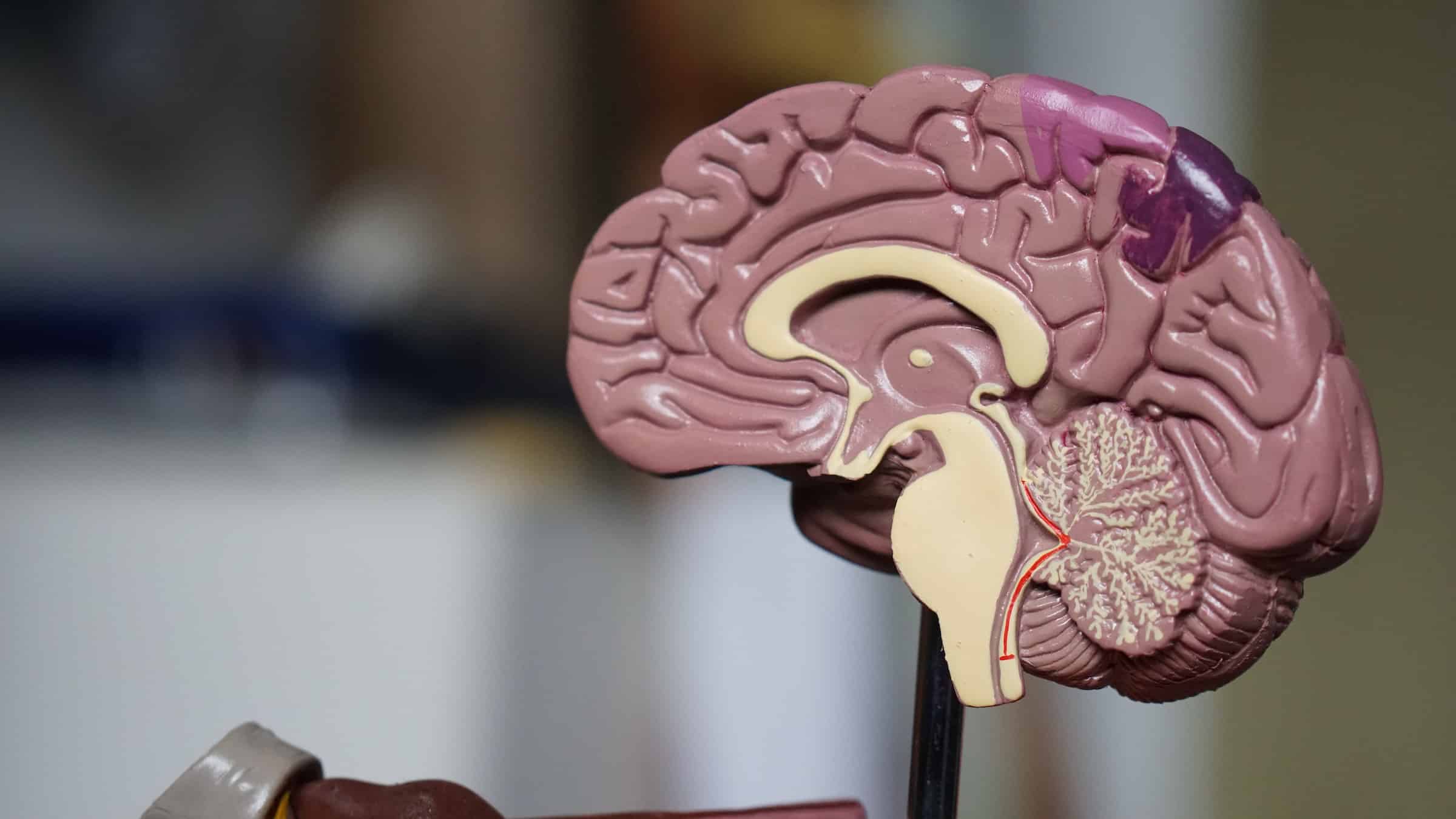
Epilepsy is a disorder of the central nervous system characterised by the presence of recurrent seizures. Seizures are episodes of abnormal brain activity that can manifest in different ways, such as involuntary movements, sensory alterations or changes in the level of consciousness.
Epilepsy can have different causes, such as genetic disorders, brain injuries, infectious diseases or brain tumours. Although epilepsy can affect people of any age, it is more common in childhood and early adulthood.
The treatment of epilepsy usually includes antiepileptic medications, but in some cases surgery may also be necessary to remove the focus of the abnormal activity in the brain. In many cases, epilepsy can be successfully controlled and people with this condition can lead normal lives.
How does CBD work against seizures?
Epilepsy consists of a pathological hyperstimulation of a specific group of neurons in the brain. CBD or cannabidiol appears to act through several different mechanisms to reduce seizure activity. It can increase the activity of the inhibitory or “depressant” neurotransmitter systems of the central nervous system (CNS), such as gamma-aminobutyric acid (GABA), and reduce the activity of the excitatory or activating neurotransmitter systems, such as serotonin. CBD's anti-inflammatory properties may exert effects on oxidation in the brain, which would contribute to neuronal protection (neuroprotection) and to the reduction of seizure activity.
Is CBD the only useful cannabinoid in the treatment of epilepsy?
CBD is the most studied cannabinoid in the context of epilepsy treatment, having shown some beneficial effects in reducing the frequency of seizures in some studies.
THC (tetrahydrocannabinol) is another cannabinoid present in cannabis that has been studied in the context of the treatment of epilepsy. THC is widely known for being the psychoactive component of cannabis and for being regulated as an illegal drug.
However, the results of studies on THC and epilepsy are more controversial and it is not so clear whether THC has a beneficial effect in reducing the frequency of seizures. Some studies have suggested that THC may have positive effects on epilepsy, others have not found a significant effect, and still others have found that THC may promote the onset of seizures in some types of patients or epilepsies.
Uses of CBD in the treatment of epilepsy
What are the potential benefits of CBD compared to other conventional antiepileptic drugs?
Cannabidiol may have some advantages compared to the other drugs in the family of conventional antiepileptics. CBD has been shown to control seizures well in some types of epilepsy that are resistant to the other medications used.
On the other hand, conventional antiepileptics are usually effective, but they have significant side effects: memory problems, behavioural changes, changes in appetite and weight, excessive drowsiness, motor coordination problems… In this regard, cannabidiol offers the advantage of a much more tolerable adverse-effect profile for the patient.
Which epilepsies is CBD approved for? Dravet and Lennox-Gastaut syndromes
In 2018, the FDA (US Food and Drug Administration) approved the use of cannabidiol as a treatment for two severe forms of epilepsy, Dravet syndrome and Lennox-Gastaut syndrome, in children over 2 years of age (Epidiolex ®). This was the first time CBD was approved as a medical treatment in the United States. In Europe, the drug was approved for these same indications in April 2021. In Spain there is also a clinical guideline for its use (1).
Dravet syndrome and Lennox-Gastaut syndrome are two severe types of epilepsy characterised by the presence of seizures, neurodevelopmental delay and intellectual disability. Both conditions occur most frequently in children and can be caused by genetic disorders or brain injuries. Cannabidiol reduces the number of seizures by 30–70% in children with these diseases, which has been a very significant advance (2).
Is CBD being studied in any other type of epilepsy?
The good results obtained in the syndromes already mentioned have led to the start of new studies in which CBD is added to conventional treatment in other severe, difficult-to-control epileptic syndromes. In general, these are very rare (but very severe) epilepsies such as tuberous sclerosis, Aicardi syndrome, Ohtahara syndrome, Jeavons syndrome, Doose syndrome, epilepsies of genetic origin (CDKL5 mutation, dup15q mutations…) or neuronal ceroid lipofuscinosis (3).
The results indicate that cannabidiol could reduce the frequency of seizures and could have an adequate safety profile in children and young adults with highly treatment-resistant epilepsy. But well-designed clinical trials are needed for each of these diseases to characterise the safety profile and the true efficacy of this compound.
How CBD is used for epilepsy
What dose of CBD is used in epilepsy?
The administration of CBD in cases of childhood epilepsy must be monitored on an individual basis and with the prescription and follow-up of a specialist doctor. Administering drugs to children is done more strictly than in adults, taking into account the patient's weight.
Based on current clinical guidelines, the initial dose of cannabidiol for epilepsy is 5 mg of CBD/kg per day, divided into two doses (2.5 mg/kg/12 hours) during the first week, which is doubled the following week (10 mg/kg/day in two doses of 5 mg/kg/12 hours). Most patients are usually controlled with this dose, which can be gradually increased up to a recommended maximum of 20 mg of CBD/kg/day (4).
How is CBD administered in epilepsy?
The approved pharmaceutical product is Epidiolex ®, a purified and standardised extract of the cannabis plant with a high cannabidiol content. It is administered as an oral solution.
Can CBD be used in combination with the other antiepileptic drugs?
CBD influences the metabolism (the speed at which the body breaks down other drugs) of two commonly used antiepileptics: clobazam and sodium valproate (5). It also has possible interactions with other medications. The use of cannabidiol in patients who are taking either of these two drugs must be especially closely monitored by a specialist.
Is there data on the use of CBD as an antiepileptic in adults?
Although there are no well-designed clinical trials with available results, we do have surveys carried out on adult patients who use CBD as a treatment for epilepsy in which doses of 50 mg per day appear to control some types of epilepsy (6). Another study in which up to 200 mg of cannabidiol per day was administered to patients with epilepsies resistant to other treatments has also shown positive results (7).
*This article is for informational purposes only and does not constitute medical advice. Cannactiva products, such as our *CBD oil, are not medicines or food supplements and, in most European countries, are intended for external use. They are not intended to diagnose, treat, cure or prevent any disease. If you are taking medication or have a health condition, consult a healthcare professional before using CBD.
References
- García-Peñas JJ, Gil-Nagel A, Sánchez-Carpintero R, Villanueva V. Cannabidiol para el tratamiento del síndrome de Lennox-Gastaut y del síndrome de Dravet: recomendaciones de expertos sobre su uso en la práctica clínica en España. Rev Neurol 2021;73 (Supl. 1):S1-S8.
- Talwar A, Estes E, Aparasu R, Reddy DS. Clinical efficacy and safety of cannabidiol for pediatric refractory epilepsy indications: A systematic review and meta-analysis. Experimental Neurology, Volume 359, 2023, 114238, ISSN 0014-4886.
- Devinsky O, Marsh E, Friedman D, Thiele E, Laux L, Sullivan J, Miller I, Flamini R, Wilfong A, Filloux F, Wong M, Tilton N, Bruno P, Bluvstein J, Hedlund J, Kamens R, Maclean J, Nangia S, Singhal NS, Wilson CA, Patel A, Cilio MR. Cannabidiol in patients with treatment-resistant epilepsy: an open-label interventional trial00379-8). Lancet Neurol. 2016 Mar;15(3):270-8. PMID: 26724101.
- European Medicines Agency (EMA) Science Medicines Health. Epidyolex (cannabidiol).
- Patsalos PN, Szaflarski JP, Gidal B, VanLandingham K, Critchley D, Morrison G. Clinical implications of trials investigating drug-drug interactions between cannabidiol and enzyme inducers or inhibitors or common antiseizure drugs. Epilepsia. 2020 Sep;61(9):1854-1868. PMID: 32918835; PMCID: PMC7693203.
- Strickland JC, Jackson H, Schlienz NJ, Salpekar JA, Martin EL, Munson J, Bonn-Miller MO, Vandrey R. Cross-sectional and longitudinal evaluation of cannabidiol (CBD) product use and health among people with epilepsy. Epilepsy Behav. 2021 Sep;122:108205. PMID: 34311183.
- Morano A, Fanella M, Albini M, Cifelli P, Palma E, Giallonardo AT, Di Bonaventura C. Cannabinoids in the Treatment of Epilepsy: Current Status and Future Prospects. Neuropsychiatr Dis Treat. 2020 Feb 7;16:381-396. PMID: 32103958; PMCID: PMC7012327.
- Silvestro S, Mammana S, Cavalli E, Bramanti P, Mazzon E. Use of Cannabidiol in the Treatment of Epilepsy: Efficacy and Security in Clinical Trials. Molecules. 2019 Apr 12;24(8):1459. PMID: 31013866; PMCID: PMC6514832.
- World Health Organization (WHO Expert Committee on Drug Dependence). (2018). Cannabidiol (CBD): Critical Review Report. Fortieth Meeting, Geneva, 4–7 June 2018.