Effects of CBD: what it does in your body and how it works
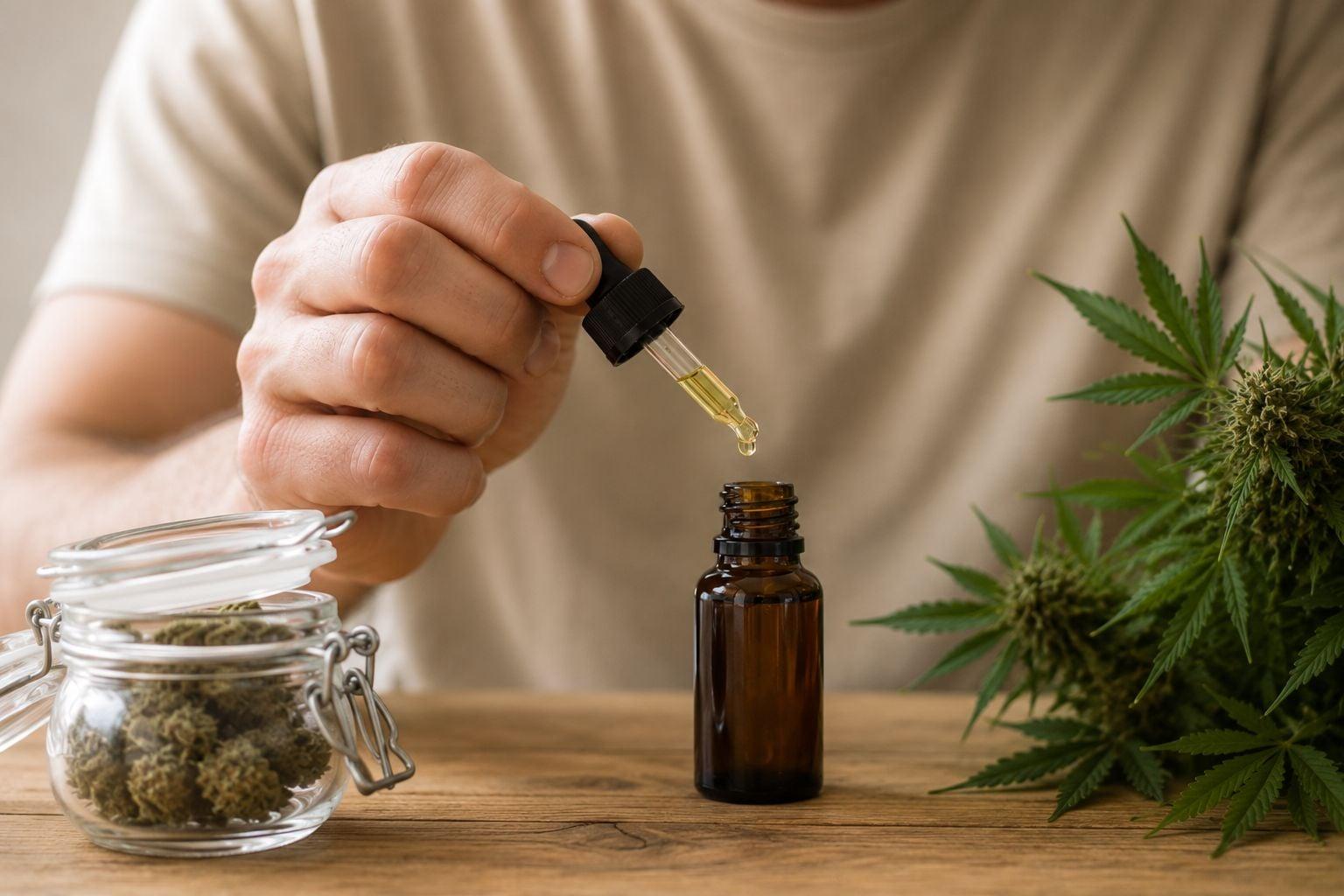
If you have started taking CBD oil, smoking CBD flower or applying a cream, it is only natural to wonder what exactly you are going to feel. The effects of CBD (cannabidiol) are, above all, a sense of calm and relaxation, along with support against pain, inflammation, anxiety and sleep problems, and all of this without any “high” or altered state of mind.
The effects of CBD and how long they last depend greatly on how you use it. In general, CBD is non-psychoactive and does not cause addiction, as confirmed by the World Health Organisation (WHO). In this article we review, with a scientific basis, all the effects of CBD: benefits, side effects, whether it gets you high and how long it takes to work.
Note: In most European countries, CBD products are sold for external use. This is informational content, not a consumption guide or medical advice.
Key facts about the effects of CBD
- Non-psychoactive: CBD does not produce a “high” or euphoria.
- Does not cause dependence (WHO report, 2018).
- Sought-after effects: relief from anxiety and stress, relaxation, support against pain and inflammation, and help with sleep.
- Possible negative effects: dry mouth, drowsiness, fatigue, diarrhoea or changes in appetite, generally mild.
- Onset and duration: depending on how it is used, from a few minutes to around an hour to be felt; effects lasting 2 to 8 hours.
- Caution: it can interact with some medications. Consult your doctor if you are undergoing treatment.
What is CBD and how does it act in the body?
Cannabidiol (CBD) is one of the more than a hundred cannabinoids present in the Cannabis sativa L. (hemp) plant. If you want a complete grounding, first read up on what CBD is and what it is for.
Unlike THC, CBD does not strongly activate the receptors in the brain; instead it modulates indirectly the endocannabinoid system, the network that helps regulate mood, sleep, the response to pain and inflammation.
It also influences other systems, such as serotonin receptors, which explains part of its effect on anxiety and mood. That is why its effects are perceived as a sense of wellbeing and balance.
What effects and benefits does CBD have?
Today, research on CBD is advancing quickly, but many of its effects are still being studied. These are the CBD benefits with the strongest scientific backing or interest:
- Anxiolytic effect (calm and stress): this is one of the most widespread uses. It is associated with a sense of relaxation without incapacitating sedation (more in depth in our guide on CBD for anxiety).
- Pain and inflammation relief: thanks to its analgesic and anti-inflammatory action, it is used as a support for muscular and joint discomfort and, above all, chronic pain.
- Support for rest: by reducing stress and nervous activation, it may favour sleep in people with mild insomnia.
- Neuroprotective and antioxidant effect: it helps protect cells against oxidative damage. See CBD as a neuroprotector.
- Recognised anticonvulsant use: this is the best-documented effect. The FDA approved the medicine Epidiolex (CBD-based) to treat rare forms of epilepsy.
It is worth being honest about the evidence: apart from the anticonvulsant use — and here we are talking about a prescription medicine (Epidiolex), not the CBD sold freely in shops without a prescription — most of these effects are at various stages of research. CBD is not a medicine authorised for all the uses being researched, nor does it replace any treatment. Consult your doctor if you have any doubts before using CBD.
Does CBD get you high? Differences between CBD and THC
No, CBD does not get you high. This is probably the most frequent question, and the answer is clear: cannabidiol does not produce psychoactive effects.
The confusion arises because both CBD and THC come from the same plant, Cannabis sativa, but from different strains. While THC is found in drug-type cannabis plants, in proportions of 15 to 30%, CBD is the most abundant cannabinoid in hemp, a type of cannabis with less than 0.3% THC.
We develop this in depth in CBD vs THC: differences and similarities:
- THC (tetrahydrocannabinol): this is the psychoactive cannabinoid in cannabis. It binds to the CB1 receptors in the brain and causes the “high”, euphoria and altered perception. It is the controlled substance.
- CBD (cannabidiol): it does not bind directly to those receptors and, in fact, tends to dampen the psychoactive effects of THC. It brings relaxation without a high.
In the legal European market, hemp products must contain less than 0.3% THC, an amount insufficient to produce any psychoactive effect or risk of addiction. Each country has its own rules: in some, such as the UK, hemp flower is controlled even when its THC content is low.
Is CBD addictive?
No. According to the report by the World Health Organisation (2018), CBD shows no potential for abuse and does not cause dependence. Unlike THC, it does not stimulate the brain's reward circuits, so it can be used over the long term without developing tolerance or addiction. We analyse this in detail in does CBD cause addiction?.
Does the strain (sativa or indica) influence the effects of CBD?
If you use CBD flower, you will have seen that it is classified as sativa, indica or hybrid. Traditionally, indica is associated with a more relaxing, body-centred effect, and sativa with a more active, cerebral effect.
Today we know that the terpene profile and individual characteristics may do more than the label itself to set each strain apart.
In the case of CBD, the strain can shade the experience — more calming or more clear-headed — but always without the “high” of THC. We go into this in Sativa vs indica: differences and effects.
How long does CBD take to work and how long does it last?
CBD's effects depend on how you consume it
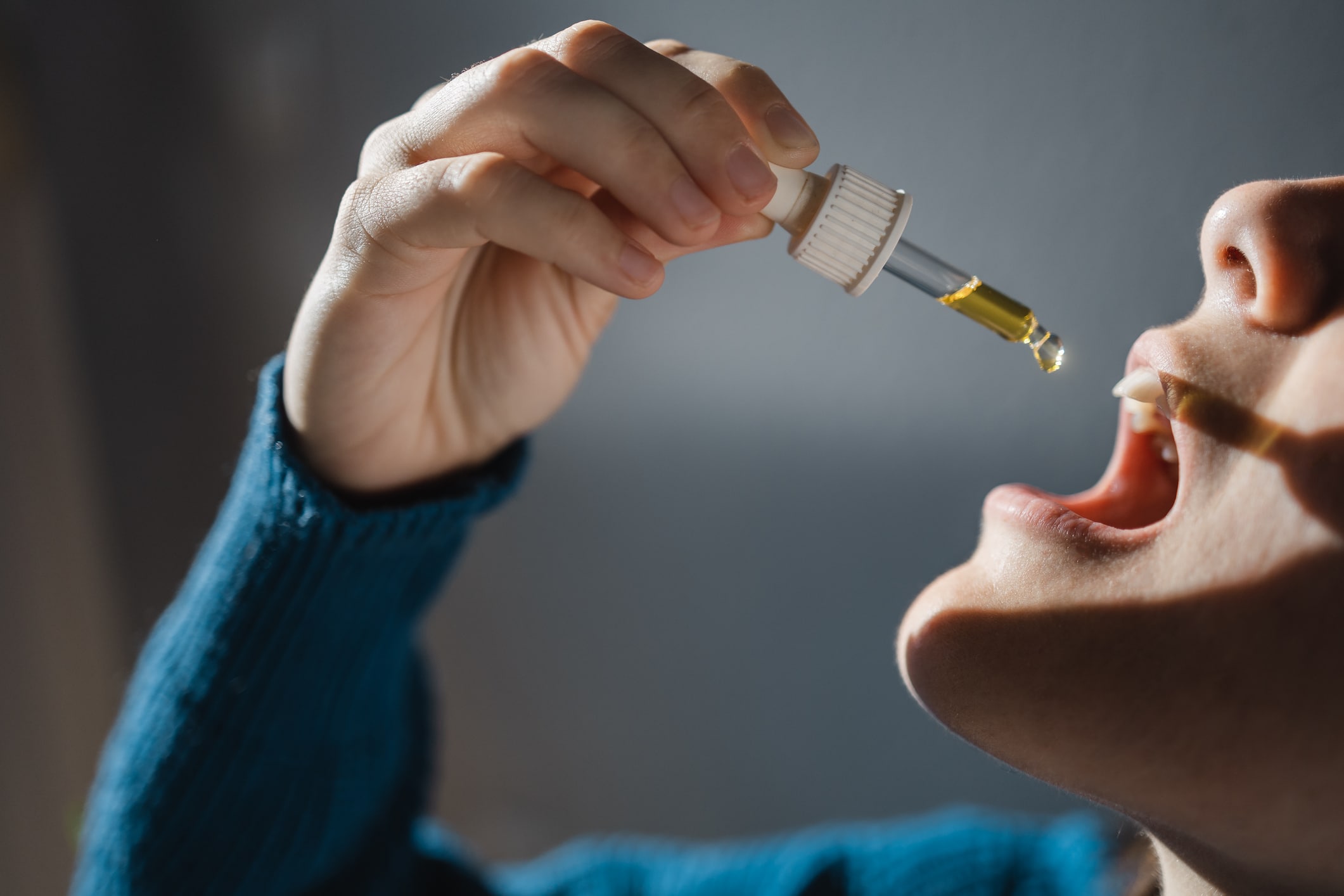
Inhaling CBD flower, taking the oil or applying a cream to the skin do not produce the same effects: each way of consuming CBD has its own onset and its own duration.
How long do CBD's effects last?
The onset time depends above all on how it is used: it can be felt from just a few minutes to around an hour, and its effects usually last between 2 and 8 hours, depending on the dose, the concentration of the product and each person's metabolism.
You have the full breakdown — format by format — in our guide on how long CBD lasts in the body. In any case, the most sensible approach is to start with low doses and adjust gradually.
Negative effects of CBD: what the studies say
CBD has a favourable safety profile and is usually well tolerated, but it is not free of adverse or unwanted effects, especially at high doses. The most documented in the scientific literature are:
- Dry mouth.
- Drowsiness and fatigue, especially at high doses.
- Diarrhoea or other gastrointestinal discomfort.
- Changes in appetite.
- Mild and transient drops in blood pressure.
Most of these effects appear in studies that use pharmacological doses far higher than those of the hemp products in everyday use, and they tend to be mild and reversible.
Learn more about the side effects of CBD in our guide.
CBD drug interactions
This is the most relevant point in terms of safety. CBD can inhibit cytochrome P450 (CYP450), the set of liver enzymes that metabolises a large proportion of medicines. That is why it is worth being aware of CBD's interactions with medications: it can alter the blood concentration of drugs such as:
- Anticoagulants (for example, warfarin).
- Some anticonvulsants and antidepressants.
- Certain cardiovascular drugs and immunosuppressants.
If you are on a course of medical treatment, always consult your doctor before using CBD.
Who should avoid CBD?
The literature recommends particular caution (we detail this in CBD contraindications) for:
- Pregnant or breastfeeding women.
- People with liver disease.
- People taking long-term medication.
- Minors (except under supervised medical prescription).
Product quality: the factor that most influences the effects
A good part of the adverse effects attributed to CBD do not come from cannabidiol itself, but from poor-quality products. An analysis published in JAMA (2017) evaluated 84 CBD products sold online and found that only 31% contained the amount of CBD stated on the label, and that 21% included undeclared THC.
That is why traceability is decisive. At Cannactiva we lab test the cannabinoid content of every batch and check daily that the THC level stays within the legal framework, as well as testing for the absence of heavy metals and pesticides. Knowing exactly what you are consuming is the best guarantee that the effects of CBD will be the expected ones: all of our CBD oils come with their lab results.
Frequently asked questions about the effects of CBD
What does it feel like to take CBD?
Most people describe a sense of calm and relaxation, without any alteration of the mind or reflexes. There is no euphoria or “high”: CBD relaxes without getting you high, so it can be used during the day.
What effects does CBD have on the body?
It acts on the endocannabinoid system and is associated with anxiolytic, analgesic, anti-inflammatory and neuroprotective effects. It may also support rest. The effects vary depending on the person, the dose and the method of use.
Is CBD considered a drug?
CBD is not a controlled or psychoactive substance and, according to the WHO, does not cause addiction. The regulated cannabis compound is THC. In most of Europe, CBD products must contain less than 0.3% THC, and each country has its own rules: in some, such as the UK, hemp flower is controlled even with low THC.
What does CBD do to your brain?
Unlike THC, CBD does not bind directly to the CB1 receptors in the brain. It indirectly modulates the endocannabinoid system and the serotonin receptors, which translates into a regulating effect on mood and anxiety, without altering consciousness.
How long does CBD take to work?
It depends on how it is used: it can be felt from just a few minutes to around an hour. The effects usually last between 2 and 8 hours. We detail this in how long CBD lasts in the body.
At Cannactiva we work so that every CBD product is safe, traceable and of proven quality. If you are ready to give it a try, explore our range of CBD oils and choose the concentration that best suits what you are looking for.
This content is informational and does not constitute medical advice. In most European countries CBD products are sold for external use. Consult a healthcare professional before starting to use it, especially if you are undergoing treatment.