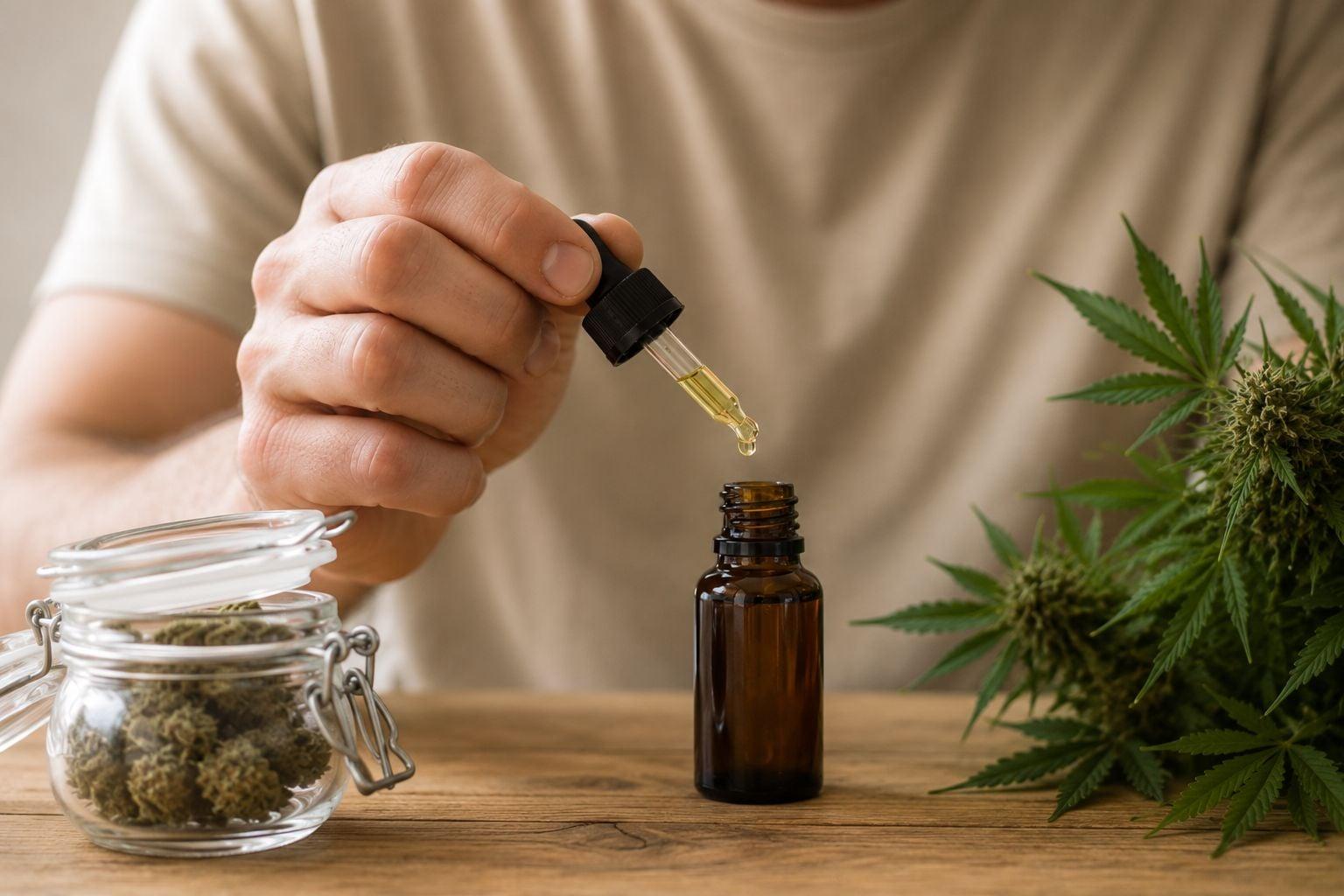
If you have a CBD oil at home, you have probably noticed an instruction that keeps appearing on the label: topical use. The skin is one of the organs where CBD (cannabidiol) is showing the most potential.
In this article, backed by the scientific studies, we explain what benefits CBD has for the skin, how it works through the skin's endocannabinoid system, which conditions it is being researched for and, above all, how to apply it and what type of CBD skincare to choose to look after your skin.
In short:
- CBD is applied to the skin (topical use) and interacts with the skin's endocannabinoid system; the scientific evidence points to anti-inflammatory, antioxidant, sebum-regulating and moisturising effects.
- It is a cosmetic ingredient, not a medicine: in Europe, CBD skincare is for external use and does not treat diseases.
- It is worth considering for sensitive or reactive skin, skin prone to oiliness, itching or signs of ageing; for specific conditions (acne, dermatitis, psoriasis), check with your dermatologist.
Benefits of CBD for the skin
These are the benefits of CBD for the skin best supported by research. We look at each one in more detail below:
- Anti-inflammatory: it soothes redness, irritation and skin reactions.
- Antioxidant and anti-ageing: it protects against oxidative stress and reinforces the skin barrier.
- Moisturising: it helps keep the skin balanced and nourished.
- Sebum-regulating: it modulates excess oil, useful for acne-prone skin.
- Itch-soothing (antipruritic): it reduces the sensation of pruritus.
- Support for healing: it takes part in tissue regeneration.

CBD reinforces the skin barrier (anti-ageing effect)
CBD helps protect the skin from premature ageing by stimulating its natural barrier function, keeping it more hydrated and cared for.
CBD as an antioxidant against premature ageing
The main cause of premature ageing is the deterioration of keratinocytes, which are sensitive to the oxidative stress caused by solar radiation, pollution, dryness or cold. These cells have their own defence mechanisms – releasing antioxidant and anti-inflammatory substances – and this is where CBD comes in: in in vitro studies, CBD applied topically penetrates the skin cells and stimulates their natural defence systems. It also protects the cell membrane by reducing the oxidation of its fatty acids and activates anti-inflammatory and antioxidant protection factors in fibroblasts.
All of this makes CBD a promising ingredient for conditions that involve inflammation, and also for daily care: you can read more about the benefits of CBD oil for the skin or how to look after your skin in summer with CBD, when sun exposure demands more antioxidant protection.
CBD for skin spots and pigmentation
Through its action on melanocytes (the cells that produce melanin), the endocannabinoid system also takes part in skin pigmentation, an area being researched for problems with spots and hyperpigmentation. It is still early for firm conclusions, but it is one of the most promising avenues for cannabidiol in skincare.
Sebum-regulating CBD: oily skin and acne
The skin's endocannabinoid system is key to controlling sebum production (lipogenesis). Under normal conditions, the sebaceous glands are stimulated by the endocannabinoid anandamide (AEA), which also slows oil production when it builds up. Several in vitro studies indicate that CBD could help rebalance oily skin by acting on sebum production, the proliferation of the sebaceous glands and inflammation.
CBD for acne
Within this field, research on the effects of CBD on the sebaceous glands stands out: its anti-inflammatory properties reduce the substances that promote acne and, according to the researchers, the effect goes beyond oil, helping to reverse a state of sebaceous imbalance in the skin. As it is a topic in its own right, we cover it in depth in our article on the benefits of CBD for acne.
CBD for itching or pruritus
The endocannabinoid system is involved in the onset of itching (pruritus): cannabinoids act on the communication between keratinocytes, mast cells and sensory nerves that generates that sensation. Studies show that the administration of phytocannabinoids has antipruritic effects, which opens the door to CBD products in sunscreens, anti-itch creams or shaving gels, especially useful for sensitive and reactive skin.
In fact, itching is, as of today, the best-supported effect: the largest review published to date – the systematic review and meta-analysis Cannabis and cannabinoids in dermatology (2025), with more than 3,300 participants – concluded that topical cannabinoids produce a modest but statistically significant reduction in pruritus, although it found no significant effects on dryness or redness. In other words: promising for soothing itching, with room for further research on the rest.
That said, the mechanisms are complex and there is still research to be done: interestingly, the first animal studies suggest that CBD would be more effective against itching on the lower part of the body than on the face or scalp.
CBD for atopic dermatitis and psoriasis
Two of the inflammatory conditions where CBD is most researched are atopic dermatitis and psoriasis. In both, the interest lies in its anti-inflammatory and antipruritic properties, not in replacing any treatment.
CBD for atopic dermatitis or eczema
Atopic dermatitis is a chronic inflammatory disorder whose management is based on topical anti-inflammatories. Creams derived from endocannabinoids (such as Adelmidrol, derived from PEA) are already used for mild cases, and there are preliminary scientific studies indicating that topical CBD modulates the inflammatory response; a small clinical study observed relief of pruritus and improved sleep associated with dermatitis. We go deeper into this in the article on CBD cream for dermatitis.
CBD for psoriasis
Psoriasis is characterised by red, scaly plaques caused by the hyperproliferation of keratinocytes and chronic inflammation. CBD has been proposed for its anti-inflammatory, antipruritic and immune-response-regulating effects, and some research shows its ability to curb factors of psoriatic inflammation; however, other findings call for caution, so professional supervision is advisable. We explain it in detail in CBD for psoriasis.
CBD in wound healing
Healing occurs in three phases – inflammation, proliferation and remodelling – and the endocannabinoid system modulates the whole process, acting on tissue growth, fibroblasts and inflammation. It is a field still little studied, but promising: one report described that three patients with epidermolysis bullosa (a rare disorder with blisters and pain) experienced faster healing, fewer blisters and less pain with topical CBD.
Another in vitro study observed that full spectrum extract (Full Spectrum CBD) was more effective than CBD isolate, probably due to the synergistic action of other cannabinoids, flavonoids and terpenes – the so-called entourage effect. To choose well, it will help to understand the differences between full spectrum, broad spectrum and isolate.
CBD in creams to relieve pain
One of the most widespread topical uses of CBD is massage creams for pain, whether muscular, rheumatic or injury-related. When a tissue is injured, it generates an inflammatory response that causes pain and greater sensitivity in the area; if that inflammation becomes chronic, it can lead to persistent pain that affects quality of life.
Conventional therapies for pain (anti-inflammatories, NSAIDs, anticonvulsants) act at a general level and expose the patient to possible side effects. By contrast, scientific studies show that treatment with topical cannabinoids can reduce inflammation locally, right at the area of application and without those systemic effects. This is the basis of the anti-inflammatory properties of CBD, which are also widely used in sport and in muscle recovery with CBD.
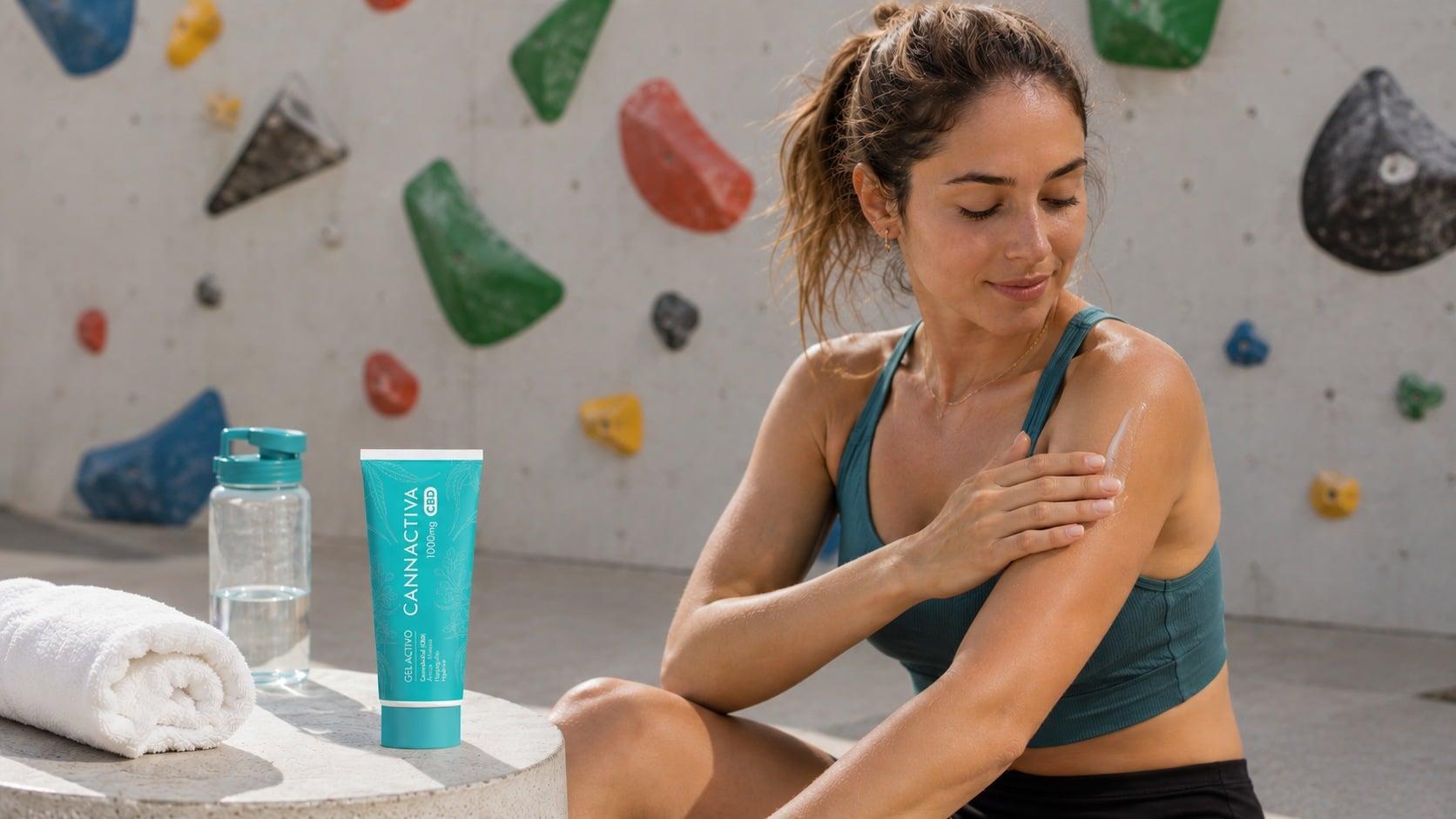
If you are looking for a ready-to-use format, our CBD cream combines cannabidiol with soothing ingredients.
What is CBD and how does it affect the skin?
CBD, or cannabidiol, is a non-psychoactive compound obtained from the hemp plant (Cannabis sativa). Unlike THC, it does not get you “high” or cause dependence: the World Health Organization, in its official report, concludes that CBD is well tolerated and has no abuse potential, and that there is no evidence of public health problems associated with its use (Cannabidiol (compound of cannabis) — WHO).
Its effects centre on the activation of the endocannabinoid system, a signalling network that is also present in the skin. That is why CBD has become a top-tier cosmetic ingredient: the current scientific evidence supports its topical use for skincare and as support in disorders such as eczema, psoriasis, itching and inflammatory conditions. If you want to understand the compound in depth, here is our guide to what cannabidiol is and what it is for.
The skin's endocannabinoid system
The world of skincare and dermatology has already grasped the importance of the endocannabinoid system for the beauty and health of the skin.
It is a chemical signalling network distributed throughout the body. How it works is complex and still holds some unknowns, but it is known to be key to the balance (homeostasis) of tissues, including the skin. Its most studied functions affect the nervous system and immune cells – hence its relationship with the endocannabinoid system and wellbeing in general – but recent research confirms that it directly regulates skin homeostasis: its imbalance is associated with disorders such as atopic dermatitis, pruritus, acne, alopecia and pigmentation problems.
Which skin cells do cannabinoids act on?
Cannabinoids act on different structures of the skin:
- Keratinocytes: the predominant cells of the epidermis.
- Fibroblasts: they give the skin elasticity and firmness.
- Cutaneous nerve fibres: responsible for sensitivity.
- Melanocytes: they synthesise melanin and control pigmentation.
- Hair follicle: involved in the growth of body and scalp hair.
- Sweat and sebaceous glands: they regulate moisture and oil.
Endocannabinoids are present above all in keratinocytes and fibroblasts, where they exert modulating effects, and the CB1 and CB2 receptors are distributed across keratinocytes, nerve fibres, melanocytes, sweat glands and hair follicles. Together, they are involved in the neuroprotection, analgesia and inflammation of the skin.

Why is CBD oil for topical use?
This is one of the most frequent questions, and it has two complementary answers: a legal one and a cosmetic one.
The legal reason: CBD skincare is for external use
In Spain and across the European Union – and in the UK too – CBD products intended for ingestion (oral or sublingual) are in a regulatory limbo linked to the novel food rules: they are not authorised as a food or as a food supplement. For this reason, the legal and official route to market for CBD in skincare is external or topical use – on the skin – and that is what the labels say. The picture is different in countries such as the United States or Canada, where other forms of use are allowed. If you are interested in the detail of the various routes, we explain it in our guide to how to use CBD according to each type of product, and specifically the sublingual method for CBD oil, which is the usual one where the regulations allow it.
The cosmetic reason: the skin has its own endocannabinoid system
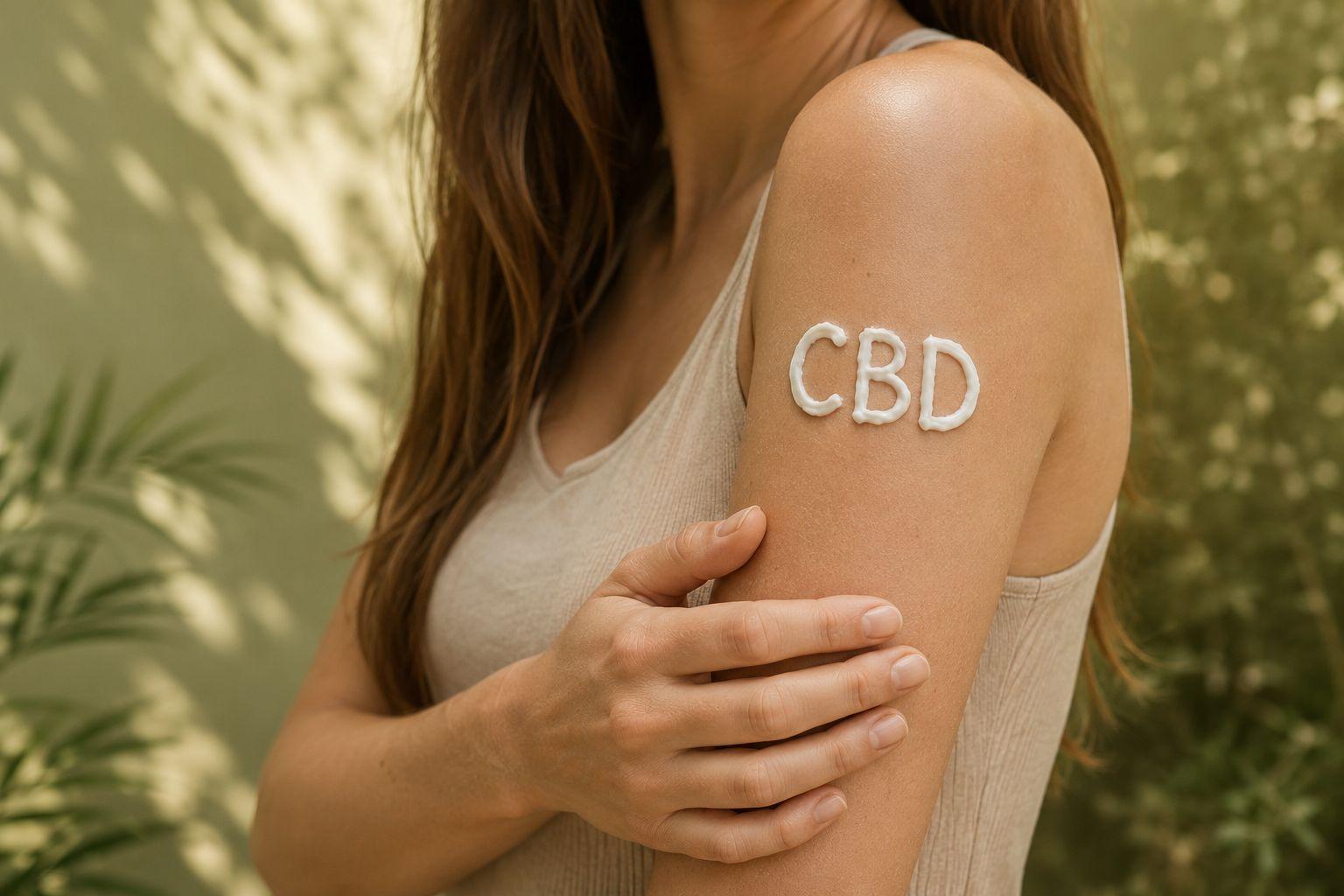
Beyond the rules, topical use makes cosmetic sense: the skin has its own endocannabinoid system and receptors where CBD acts locally, right where it is applied, without needing to pass into the bloodstream. For skincare, soothing an area or regulating excess oil, applying the product directly onto the skin is, besides being the legal option, the most logical one.
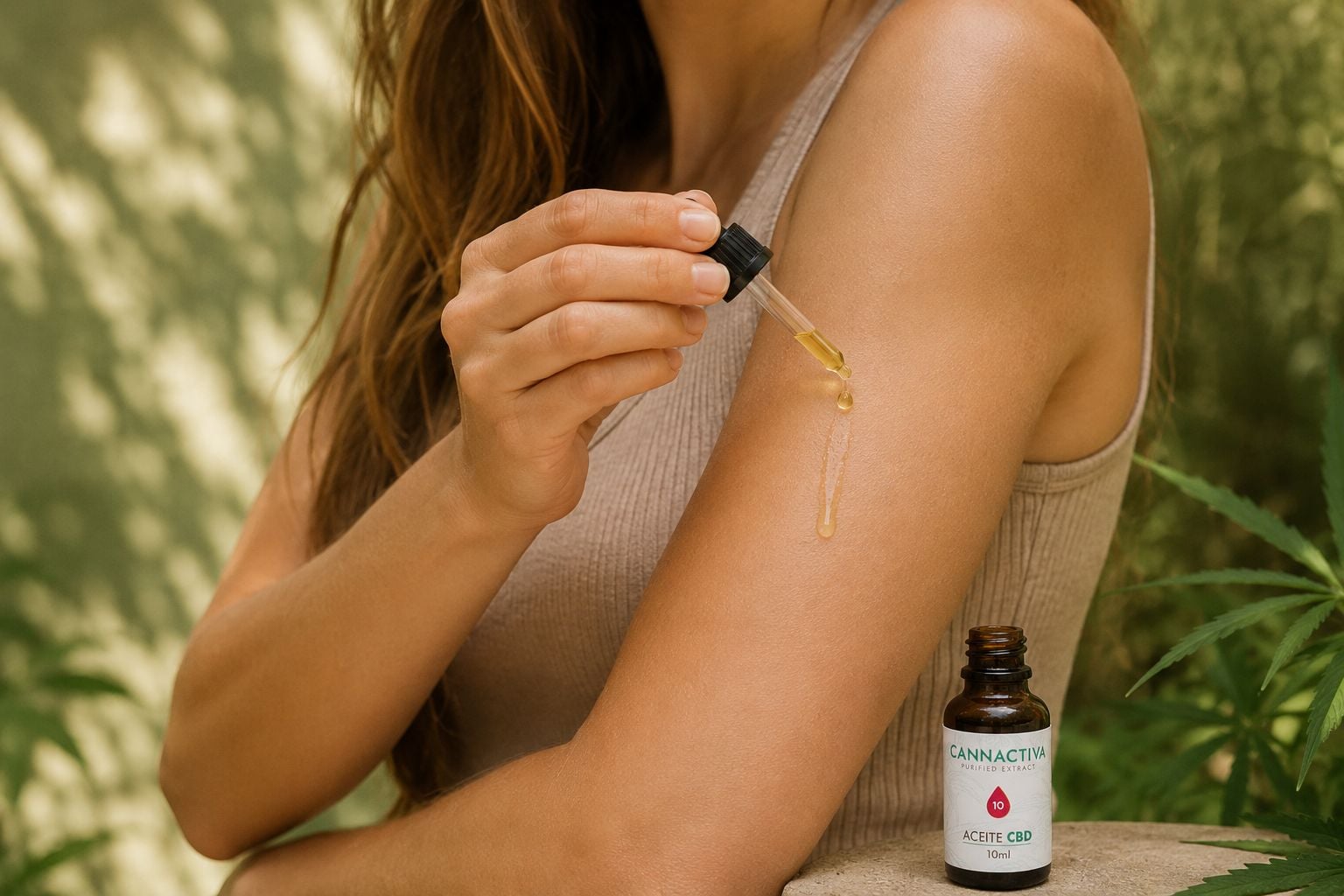
How to apply CBD to the skin (topical use)
Applying the product properly makes all the difference. These are the steps to use CBD topically:
- Cleanse and dry the area where you are going to apply it.
- Apply a few drops or a small amount – you do not need any more.
- Massage with circular movements for 1–2 minutes to aid absorption.
- Do not rinse off: let the skin absorb the product.
- Repeat once or twice a day, morning or night, depending on your needs.
Two tips: always do a patch test on a small area before spreading it (especially on sensitive or allergy-prone skin) and be patient, because the effects are not immediate. If you want to see all the ways to use cannabidiol depending on the product, here is the complete guide to how to use CBD.
Product types and CBD spectrum for the skin
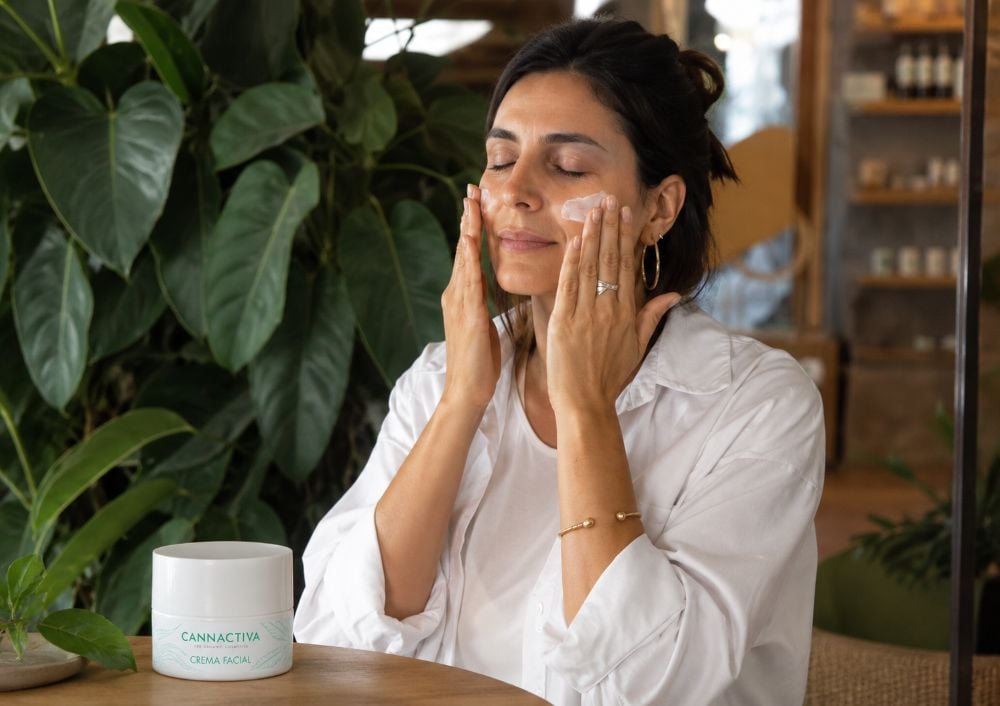
Cream, serum, oil or balm: which to choose
Not all CBD skincare products do the same job:
- Facial serum: a light texture with concentrated actives (hyaluronic acid, vitamin C), ideal for the face and anti-ageing care.
- Body oil: it nourishes and hydrates, perfect for massage and the body.
- Cream: more protective and rich, good for dry skin or localised areas, also in massage creams for pain.
- Balm: very concentrated, for small or rough areas.
You can see the whole range in our CBD skincare category and choose according to whether you are looking for facial, body or soothing care.
Full spectrum, broad spectrum or isolate
The spectrum influences the result. Full spectrum keeps all the cannabinoids, terpenes and flavonoids of the plant (entourage effect) and tends to be more complete; broad spectrum maintains the synergy without THC; and isolate is pure CBD. To understand what suits you, see the differences between full spectrum, broad spectrum and isolate.
CBD in natural skincare
CBD fits squarely into the natural skincare trend: formulas that rely on plant-based ingredients to care for the skin while respecting its balance, instead of resorting to harsh actives. Its antioxidant, soothing and moisturising profile makes it an ally of the cleanest, most conscious routines.
If you want a broader view of natural skincare beyond cannabidiol, you can start with our guide to the benefits of natural skincare for the skin.
Frequently asked questions about CBD for the skin
Does CBD applied to the skin get you “high”?
No. CBD is not psychoactive and, moreover, in topical use it acts locally. We explain it in whether CBD gets you high.
Is CBD skincare legal in the UK?
Yes, as long as it is for external/topical use. It is the oral or sublingual route that is in the novel food limbo; that is why the labels indicate topical use.
Is it suitable for all skin types?
In general CBD is well tolerated and is suitable for sensitive, oily or mature skin. Even so, do a patch test on a small area and, if you have a condition, consult your dermatologist.
How often should I apply it?
The usual routine is once or twice a day, consistently: the cosmetic effects show with continued use, not overnight.
What does the latest scientific evidence say?
It is worth being honest about what we know. Research on CBD and the skin is growing fast, but most of the solid results come from preclinical studies (in vitro and in animals); clinical trials in people are still small and heterogeneous.
- Best supported: the relief of itching (pruritus), with a modest but significant effect according to the review and meta-analysis Cannabis and cannabinoids in dermatology (2025).
- Skincare (hydration, elasticity, anti-ageing): mainly preclinical scientific evidence, promising but pending confirmation in large trials (reviews The Therapeutic Potential of Cannabidiol in Skin Conditions, 2025, and Cannabidiol in Skin Health, 2025).
- Acne, dermatitis and psoriasis: limited clinical evidence of moderate-to-low quality; cannabinoids are studied as a support, never as a substitute for dermatological treatment (systematic review Cannabinoids for the Treatment of Hair, Scalp, and Skin Disorders, 2023).
In short: CBD is a cosmetic ingredient with solid biological foundations and a favourable safety profile, but large clinical trials are still needed to confirm many of its applications. That is why, in skincare, we talk about caring for the skin and its wellbeing, not treating diseases.
Find out what CBD can do for your skin
CBD is an exceptional cosmetic ingredient, able to act on the endocannabinoid system and the homeostasis of the skin. Scientific studies still have questions to resolve, but interest from the dermocosmetics industry keeps growing. If you want to try it, the best way is to start with a product suited to your goal – face, body or soothing care – from our CBD skincare range.
Bibliography
- Cannabis and cannabinoids in dermatology: a systematic review and meta-analysis of quantitative outcomes — Frontiers in Pharmacology, 2025.
- The Therapeutic Potential of Cannabidiol in Skin Conditions — Journal of Cosmetic Dermatology, 2025.
- Cannabidiol in Skin Health: A Comprehensive Review of Topical Applications in Dermatology and Cosmetic Science — Biomolecules, 2025.
- Cannabinoids for the Treatment of Hair, Scalp, and Skin Disorders: A Systematic Review — Cosmetics, 2023.
- Cannabidiol exerts sebostatic and antiinflammatory effects on human sebocytes — Journal of Clinical Investigation, 2014.
- Cannabinoid Signaling in the Skin: Therapeutic Potential of the C(ut)annabinoid System — Molecules, 2019.
- Cannabidiol induces antioxidant pathways in keratinocytes by targeting BACH1 — Redox Biology, 2020.
- Therapeutic Potential of Cannabidiol (CBD) for Skin Health and Disorders — Clinical, Cosmetic and Investigational Dermatology, 2020.
- Cannabidiol (compound of cannabis) — World Health Organization (WHO).