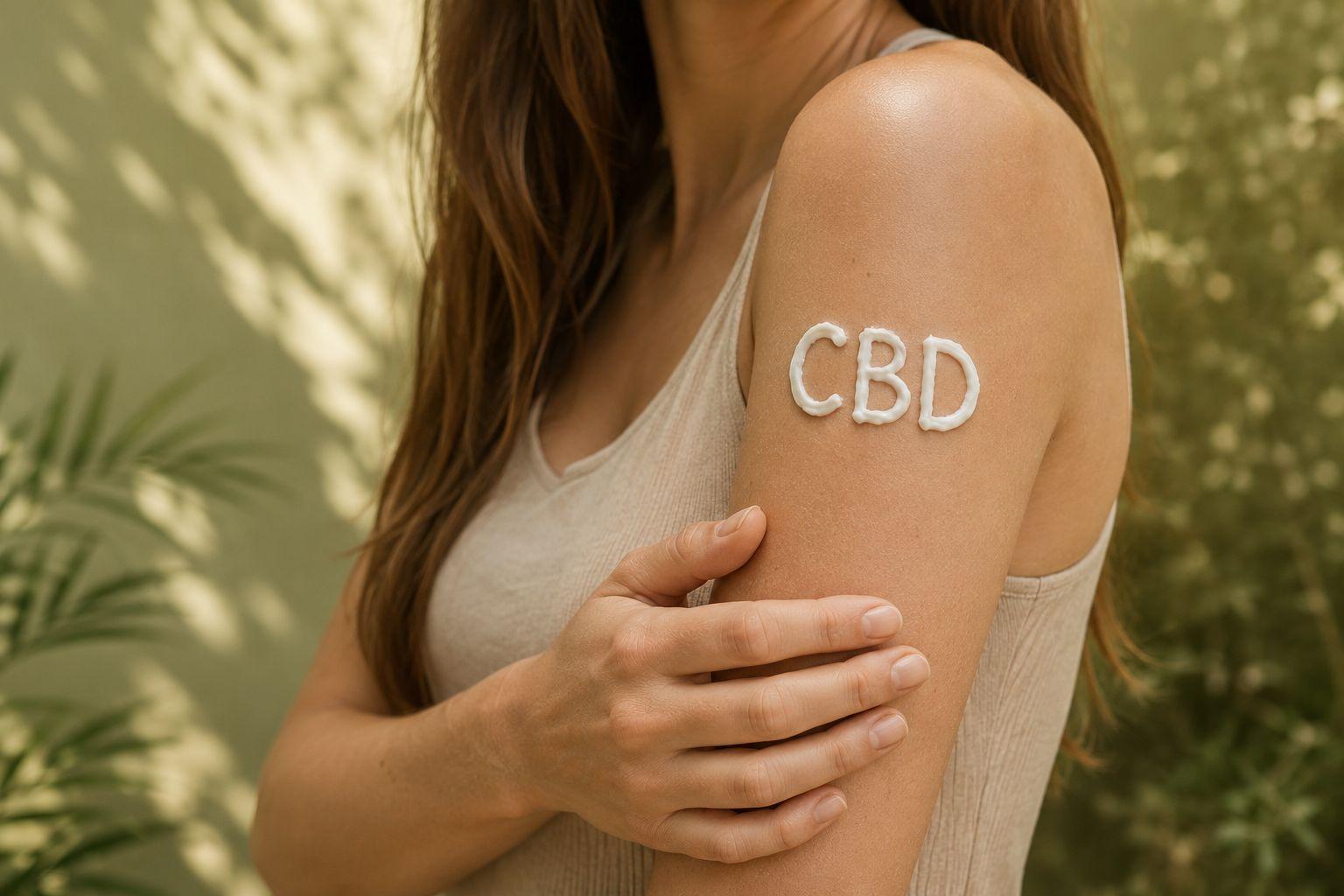
If you're looking for effective products to treat acne, buying CBD online is the ultimate natural solution. In this post, we explain why CBD is a promising alternative to conventional creams for treating acne effectively and safely.
What is acne and how is it treated?
Acne is a common skin condition characterised by the presence of blackheads, whiteheads, spots and even more severe forms such as cysts and nodules.
This skin condition is caused by different factors, such as overproduction of sebum, irregular shedding of skin cells and a build-up of Cutibacterium acnes bacteria on the skin.
It can affect people of all ages, and the most important factor in the development of acne is the excessive production of sebum, an oily substance intended to protect the skin. Excess sebum causes clogging of the hair follicles, creating a suitable environment for bacterial proliferation. This results in inflammation and formation of acne lesions.
Conventional acne treatment includes topical applications such as retinoids and benzoyl peroxide, as well as oral medications such as isotretinoin and even the prescription of oral contraceptives in women. Although there are several treatments available on the market, some of them may have unwanted side effects.
What is CBD and how does it work for acne?
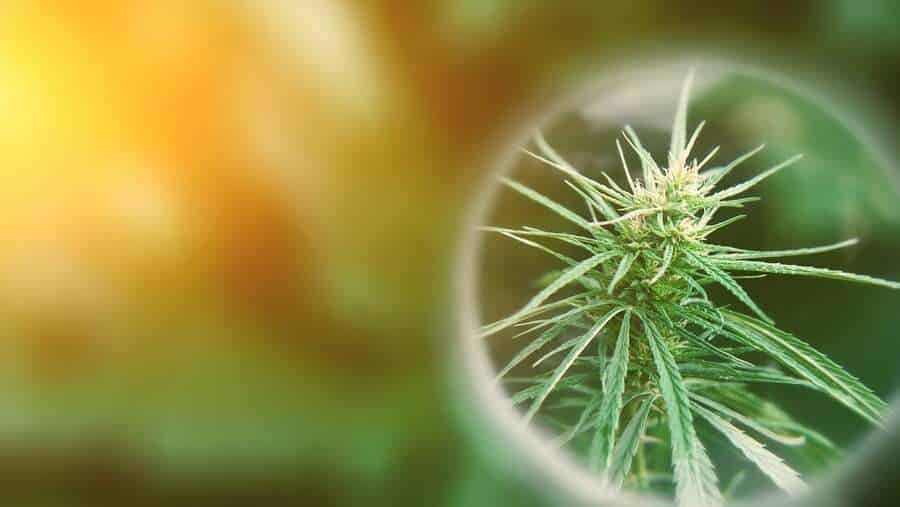
CBD, or cannabidiol, is one of the main non-psychoactive compounds found in the cannabis plant (Cannabis sativa). Unlike THC (tetrahydrocannabinol), another well-known compound in cannabis, CBD does not produce a “high”.
Although CBD comes from the cannabis plant, it has therapeutic applications and is not associated with psychoactive effects.
CBD interacts with the endocannabinoid system present in the skin (1, 2, 3) and other organs, thus affecting various physiological processes. More specifically, below we are going to focus on the beneficial effects of CBD for acne.
Benefits of CBD for acne
It has been found that topical application of CBD oil and CBD cream can be an effective treatment for acne by influencing its healing through multiple mechanisms:
CBD has anti-inflammatory properties, regulates sebum production, has antibacterial potential, can influence skin cell proliferation and offers additional benefits for various skin conditions. Preliminary research suggests its potential in the treatment of acne.
Anti-inflammatory action
CBD has anti-inflammatory properties that can reduce redness and swelling commonly associated with acne lesions (4). These anti-inflammatory properties of cannabidiol are also used in many other conditions.

Reduced sebum production
Excessive sebum production is the main cause of acne. CBD regulates sebum production by interacting with the cells that make up the sebaceous glands, which helps prevent clogged pores.
The skin's sebum production is regulated by the endocannabinoid system, on which CBD acts.
Scientific studies mention that the sebaceous cells (the cells that produce sebum) found in the skin use endocannabinoid signalling to regulate the production of lipids, or fats, such as sebum (1), which is why CBD may have a beneficial effect on acne.

Antibacterial properties
It has been suggested that CBD has antibacterial properties (5). In laboratory studies, CBD inhibited the growth of Cutibacterium acnes bacteria, and Centella asiatica extract enhanced this antibacterial effect of CBD for the treatment of acne (6).
Effect on skin cell proliferation
CBD, by interacting with the endocannabinoid system, could influence cell growth and differentiation. This interaction is essential in the healing and renewal processes of the skin and can be a treatment pathway to combat acne.
Cell growth is a complex process that is influenced by signalling from the endocannabinoid system (7). And it is possible that CBD has an impact on skin cell growth and differentiation, which, although to a limited extent (8, 9), could contribute to the healing and renewal processes essential for controlling acne.
Additional benefits
In addition to its effects on acne, CBD oil and CBD cream may offer other skin benefits, such as relief from psoriasis, eczema and atopic dermatitis (10).
In addition, CBD-infused products often include a variety of other ingredients that can offer skincare benefits such as skin hydration and improved skin texture.
How to use CBD for acne
There are only a few studies on CBD oils and creams for treating acne. However, one study successfully used a product with 3% cannabis seed extract to reduce sebum production (12). It appears that oils or creams enriched with 0.1-10% CBD may offer a benefit in restoring skin health.
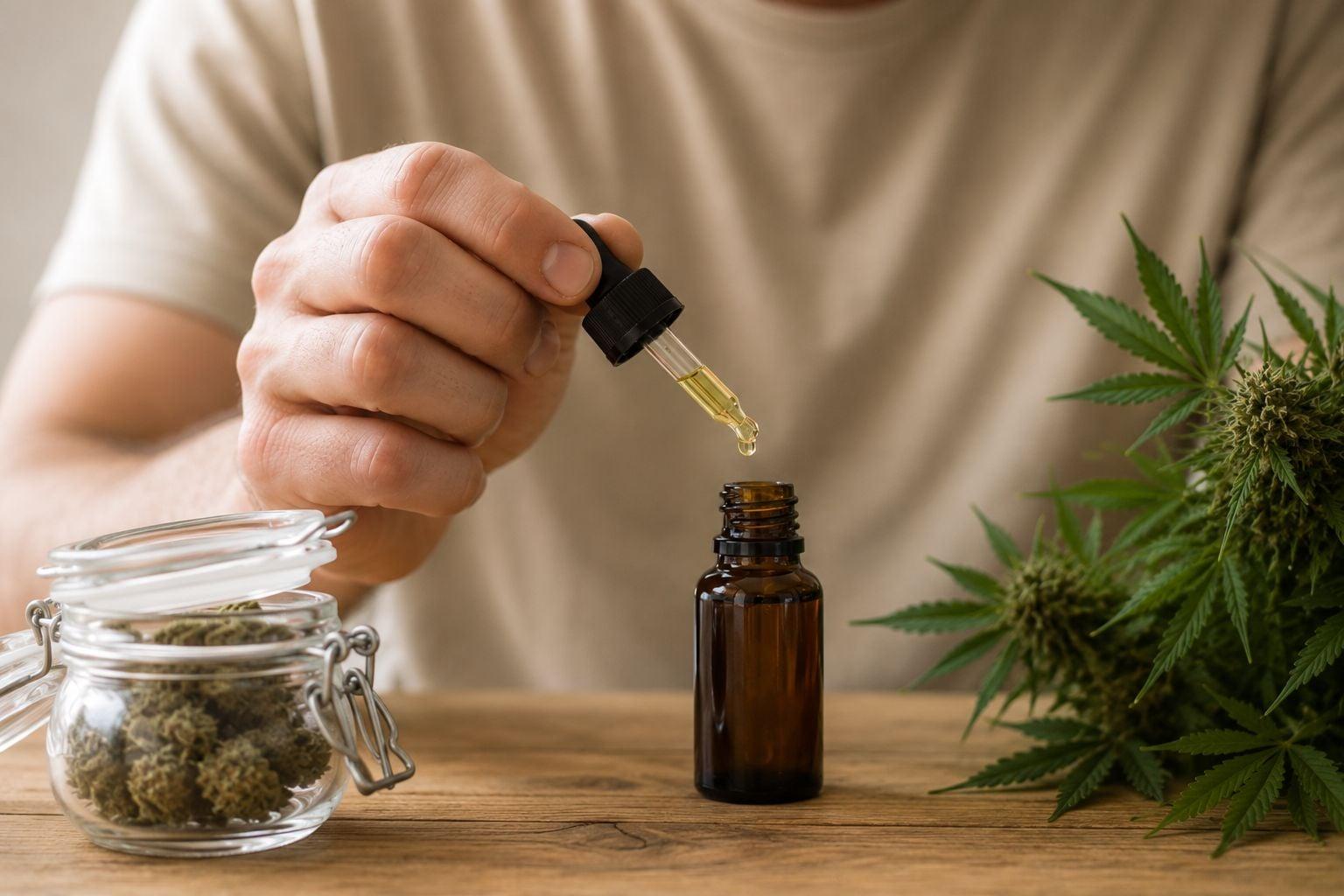
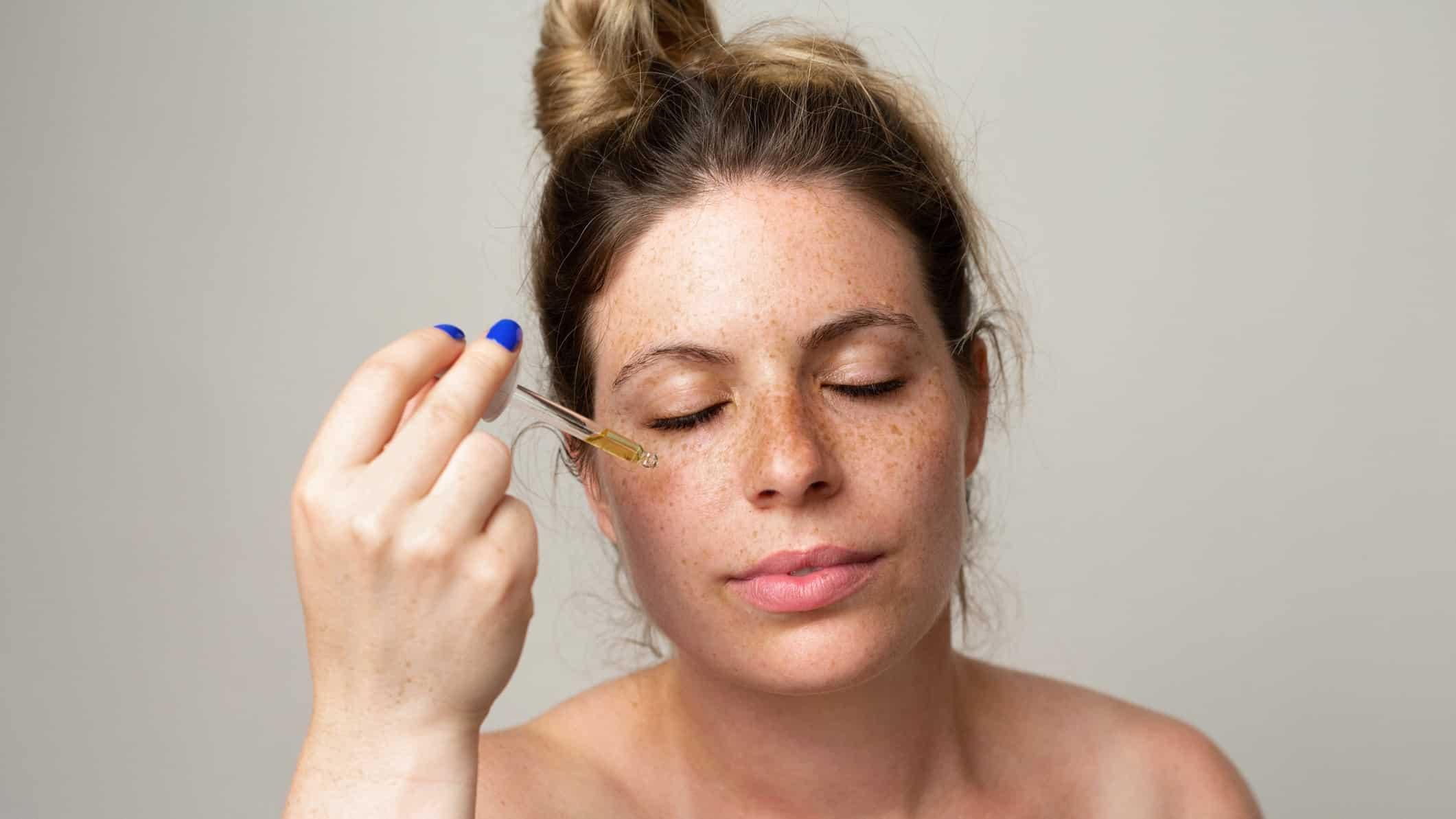
CBD oil
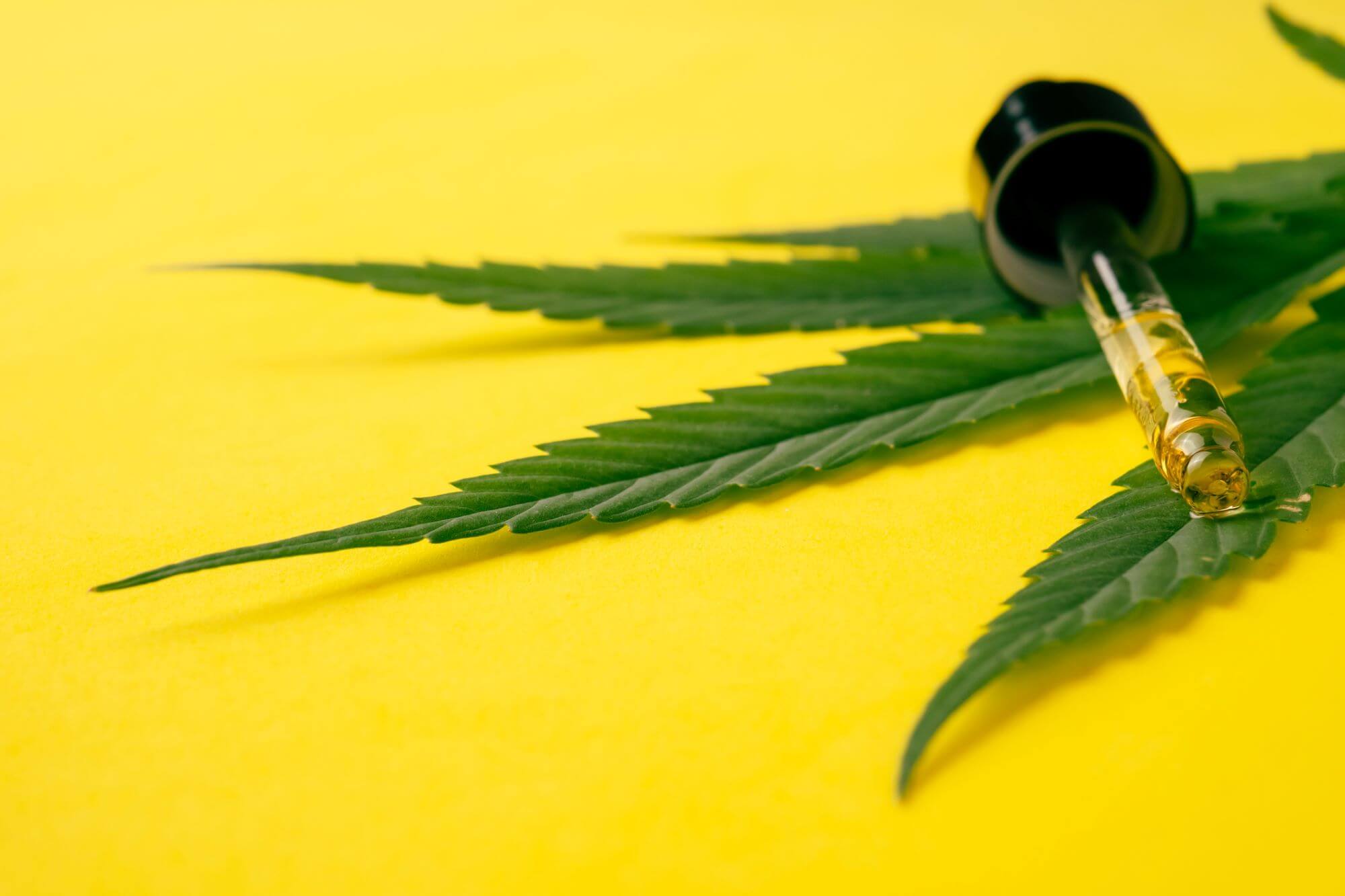
Apply a small amount topically, directly to the affected areas after cleansing the skin. Generally, a few drops of 2.5% CBD oil are enough, although it has not yet been ruled out that other CBD oil concentrations may also be effective.
It's important to apply CBD oil several times a day, as the most important thing is that the target area always has CBD available to act.
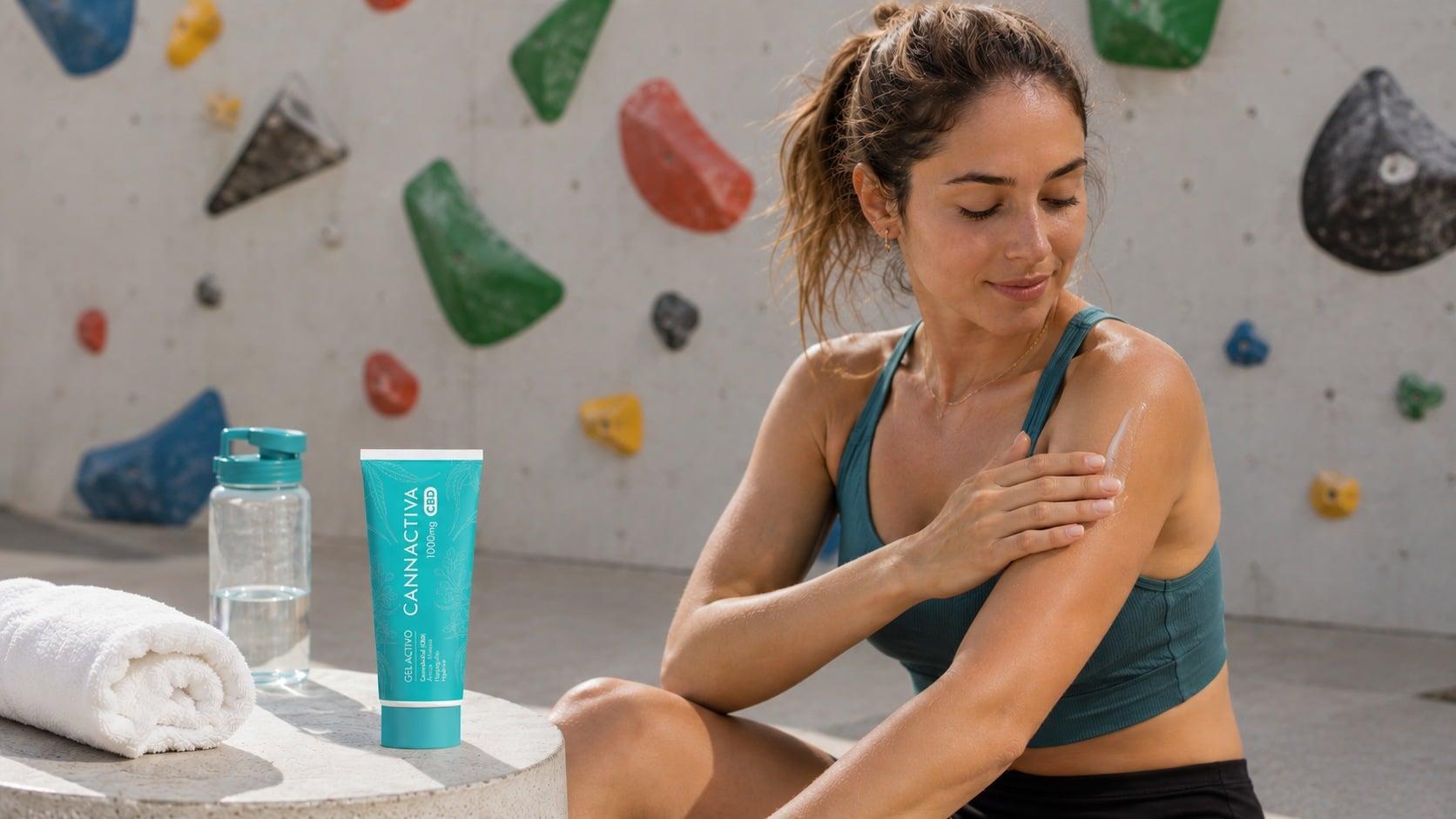
CBD cream
Gently massage the CBD cream into the affected areas. The dose varies depending on the product, with the general guideline being two to three applications a day. Check the product instructions or ask a professional for specific recommendations.
Considerations and precautions
It's essential to remember that the effectiveness of CBD varies from person to person. Patience and consistency are key to getting the best results.
Before starting any new skincare routine, even one involving CBD oil or CBD cream, consult a doctor, especially if you have a pre-existing condition or are taking other medication, including ointments, retinoids and other topical acne products.
Side effects
CBD is generally considered safe, but some people may experience side effects such as dizziness, diarrhoea and changes in appetite. If you experience any adverse effects, stop using it and consult a doctor.
In conclusion…
CBD, with its multiple mechanisms of action, offers a promising approach to the treatment of acne. However, more research is needed to establish a long-term safety profile for CBD products in the treatment of acne.
Numerous studies have explored the potential of CBD as a treatment for acne. Although research is still ongoing, preliminary findings indicate that CBD's anti-inflammatory and sebum-regulating properties make it a promising candidate for treating acne (11).
Note: This is an informative article and is not intended to prevent, diagnose or treat any disease or symptom. Its content may complement, but never replace, the diagnosis or treatment of any disease or symptom. Cannactiva products are not medicines and are intended for external use. Talk to your doctor for more information and personalised advice on treating acne before using CBD.
References
- Dobrosi, N., Tóth, B. I., Nagy, G., Dózsa, A., Géczy, T., Nagy, L., Zouboulis, C. C., Paus, R., Kovács, L., & Bíró, T. (2008). Endocannabinoids enhance lipid synthesis and apoptosis of human sebocytes via cannabinoid receptor-2-mediated signaling. FASEB journal : official publication of the Federation of American Societies for Experimental Biology, 22(10), 3685–3695. https://doi.org/10.1096/fj.07-104877
- Karsak, M., Gaffal, E., Date, R., Wang-Eckhardt, L., Rehnelt, J., Petrosino, S., Starowicz, K., Steuder, R., Schlicker, E., Cravatt, B., Mechoulam, R., Buettner, R., Werner, S., Di Marzo, V., Tüting, T., & Zimmer, A. (2007). Attenuation of allergic contact dermatitis through the endocannabinoid system. Science (New York, N.Y.), 316(5830), 1494–1497. https://doi.org/10.1126/science.1142265
- Ständer, S., Schmelz, M., Metze, D., Luger, T., & Rukwied, R. (2005). Distribution of cannabinoid receptor 1 (CB1) and 2 (CB2) on sensory nerve fibers and adnexal structures in human skin. Journal of dermatological science, 38(3), 177–188. https://doi.org/10.1016/j.jdermsci.2005.01.007
- Peyravian, N., Deo, S., Daunert, S., & Jimenez, J. J. (2022). The Anti-Inflammatory Effects of Cannabidiol (CBD) on Acne. Journal of inflammation research, 15, 2795–2801. https://doi.org/10.2147/JIR.S355489
- Blaskovich, M. A. T., Kavanagh, A. M., Elliott, A. G., Zhang, B., Ramu, S., Amado, M., Lowe, G. J., Hinton, A. O., Pham, D. M. T., Zuegg, J., Beare, N., Quach, D., Sharp, M. D., Pogliano, J., Rogers, A. P., Lyras, D., Tan, L., West, N. P., Crawford, D. W., Peterson, M. L., Callahan, M., & Thurn, M. (2021). The antimicrobial potential of cannabidiol. Communications biology, 4(1), 7. https://doi.org/10.1038/s42003-020-01530-y
- Cohen, G., Jakus, J., Baroud, S., Gvirtz, R., & Rozenblat, S. (2023). Development of an Effective Acne Treatment Based on CBD and Herbal Extracts: Preliminary In Vitro, Ex Vivo, and Clinical Evaluation. Evidence-based complementary and alternative medicine : eCAM, 2023, 4474255. https://doi.org/10.1155/2023/4474255
- Baswan, S. M., Klosner, A. E., Glynn, K., Rajgopal, A., Malik, K., Yim, S., & Stern, N. (2020). Therapeutic Potential of Cannabidiol (CBD) for Skin Health and Disorders. Clinical, cosmetic and investigational dermatology, 13, 927–942. https://doi.org/10.2147/CCID.S286411
- Chelliah, M. P., Zinn, Z., Khuu, P., & Teng, J. M. C. (2018). Self-initiated use of topical cannabidiol oil for epidermolysis bullosa. Pediatric dermatology, 35(4), e224–e227. https://doi.org/10.1111/pde.13545
- Sangiovanni, E., Fumagalli, M., Pacchetti, B., Piazza, S., Magnavacca, A., Khalilpour, S., Melzi, G., Martinelli, G., & Dell’Agli, M. (2019). Cannabis sativa L. extract and cannabidiol inhibit in vitro mediators of skin inflammation and wound injury. Phytotherapy research : PTR, 33(8), 2083–2093. https://doi.org/10.1002/ptr.6400
- Petrosino, S., Verde, R., Vaia, M., Allarà, M., Iuvone, T., & Di Marzo, V. (2018). Anti-inflammatory Properties of Cannabidiol, a Nonpsychotropic Cannabinoid, in Experimental Allergic Contact Dermatitis. The Journal of pharmacology and experimental therapeutics, 365(3), 652–663. https://doi.org/10.1124/jpet.117.244368
- Oláh, A., Tóth, B. I., Borbíró, I., Sugawara, K., Szöllõsi, A. G., Czifra, G., Pál, B., Ambrus, L., Kloepper, J., Camera, E., Ludovici, M., Picardo, M., Voets, T., Zouboulis, C. C., Paus, R., & Bíró, T. (2014). Cannabidiol exerts sebostatic and antiinflammatory effects on human sebocytes. The Journal of clinical investigation, 124(9), 3713–3724. https://doi.org/10.1172/JCI64628
- Ali, A., & Akhtar, N. (2015). The safety and efficacy of 3% Cannabis seeds extract cream for reduction of human cheek skin sebum and erythema content. Pakistan journal of pharmaceutical sciences, 28(4), 1389–1395.