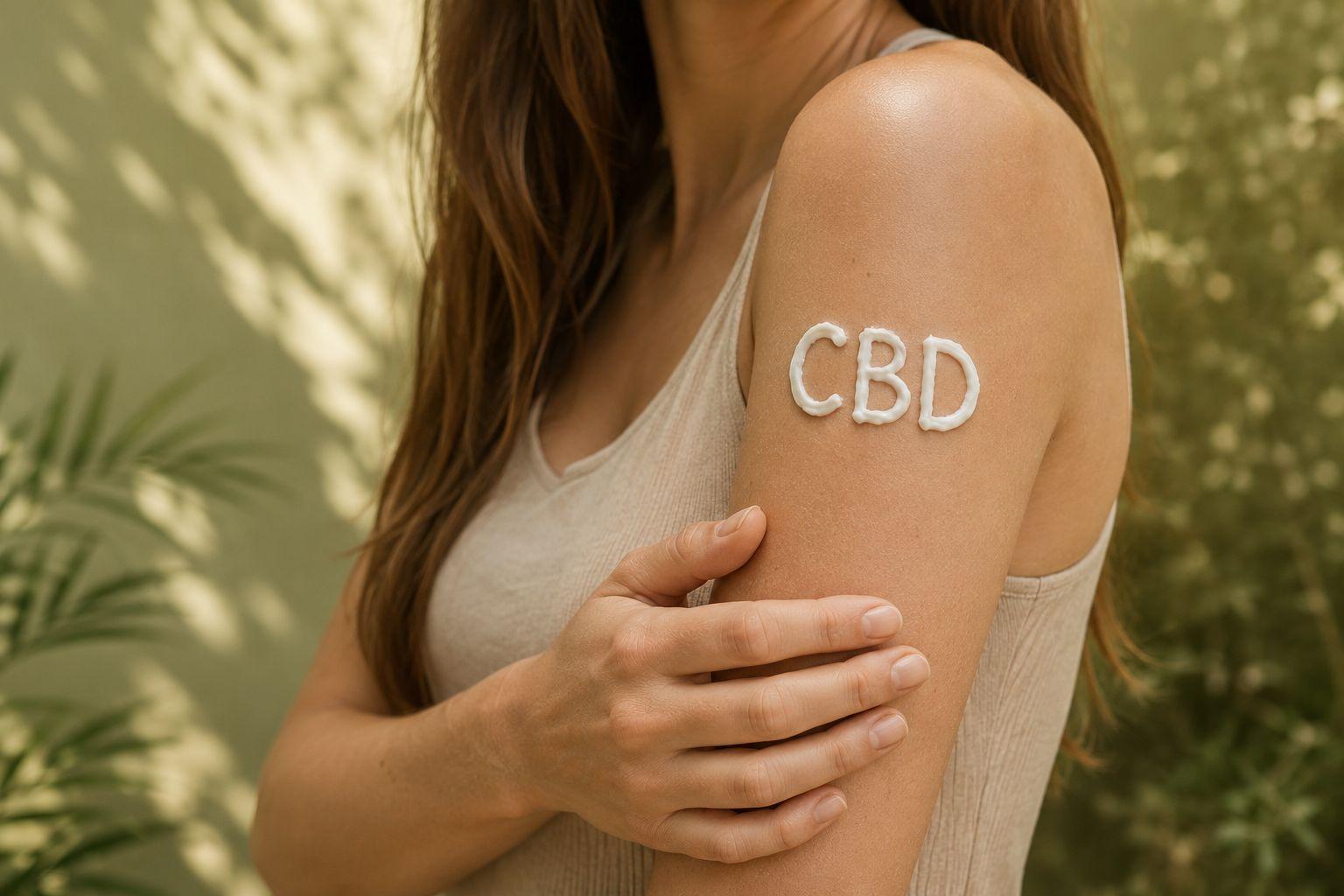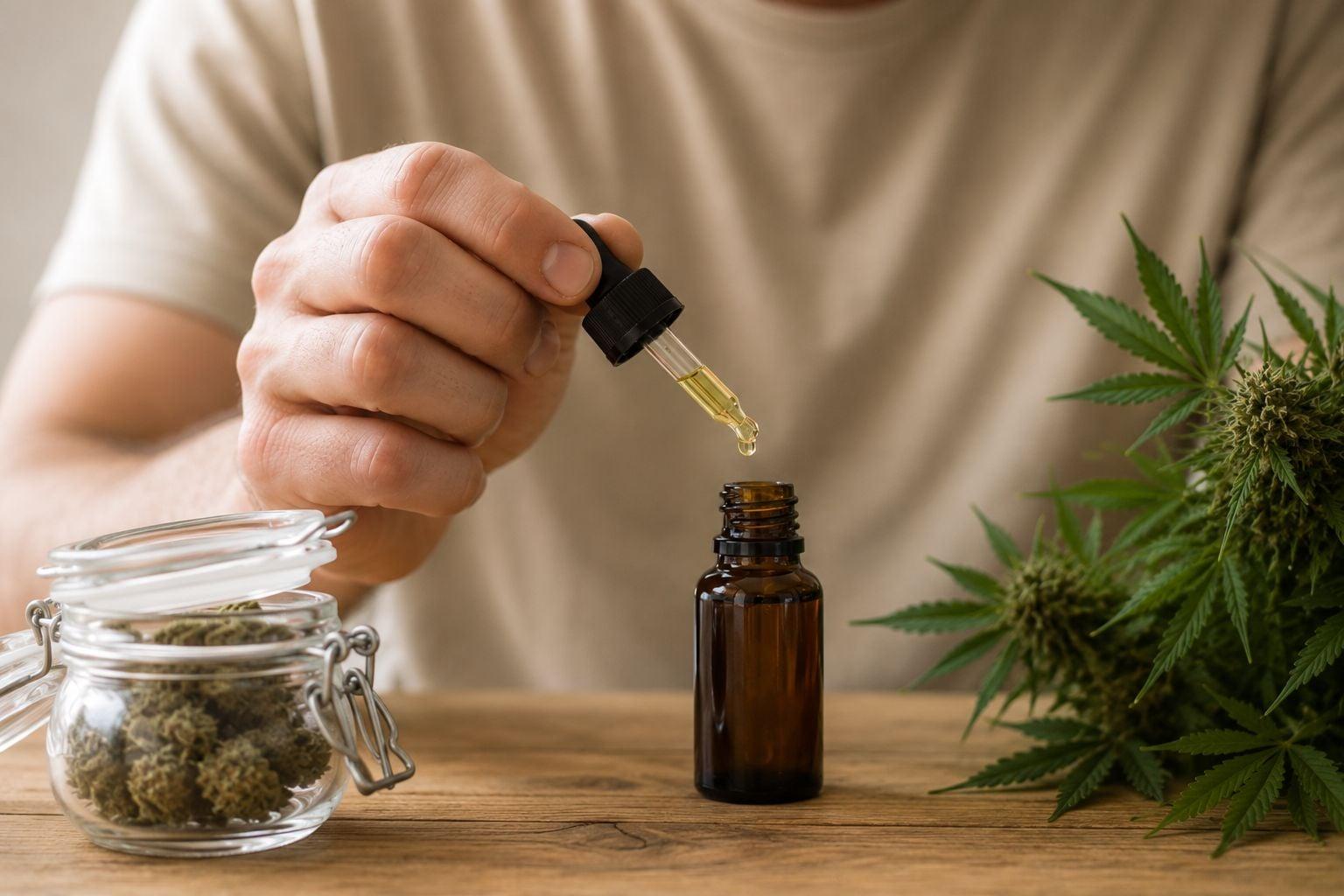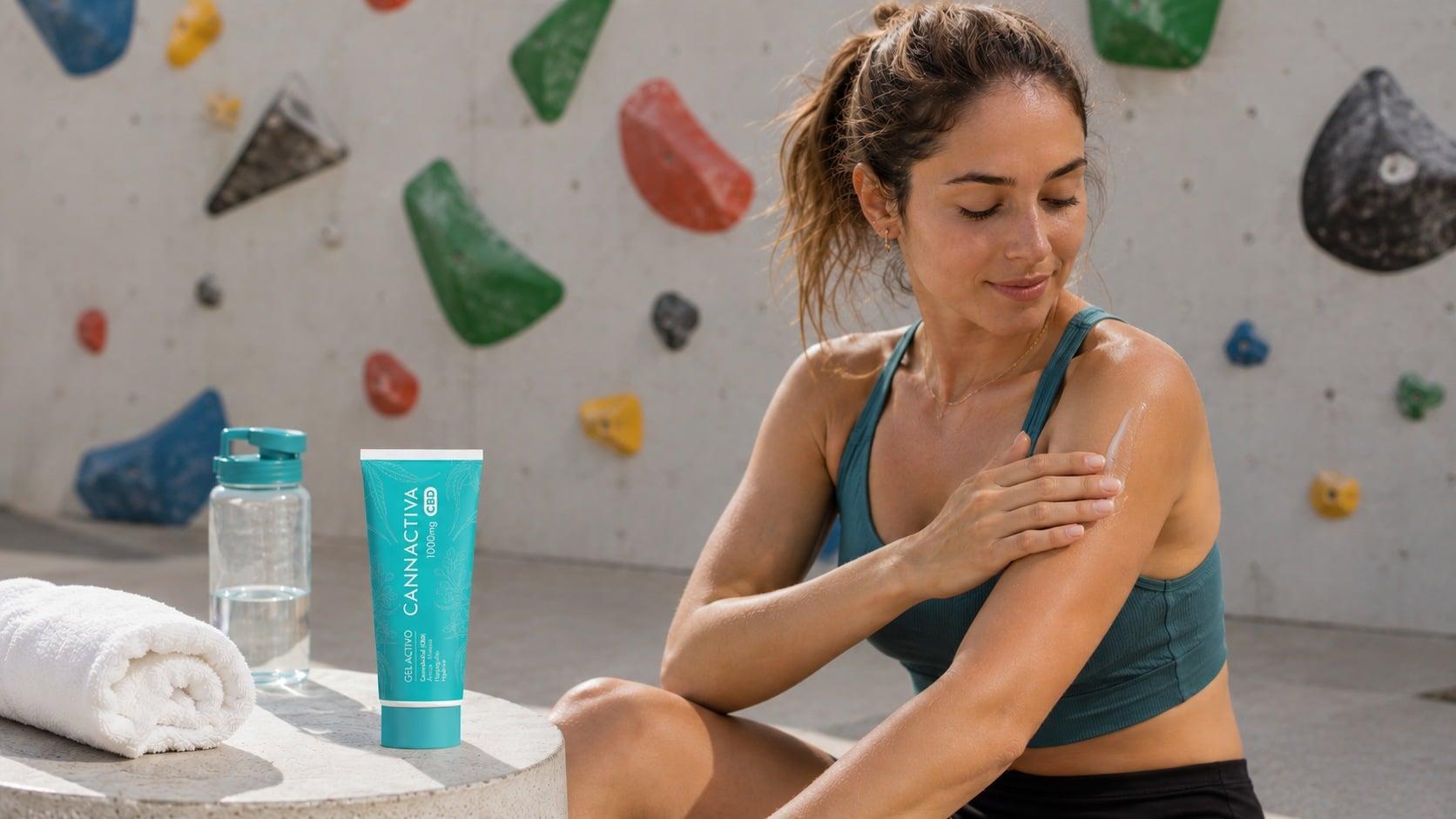
CBD (cannabidiol) is a natural compound found in hemp that has attracted huge interest in recent years for its links with wellbeing. This hemp compound has no psychoactive effects, is not addictive, and the World Health Organization (WHO) considers it a safe substance.
In recent years, scientific research has uncovered CBD benefits in areas such as relaxation, rest, relief from physical discomfort and skincare, and more and more people are making it part of their day as part of a routine focused on balance and self-care.
CBD at a glance:
- What it is: cannabidiol, a natural compound found in hemp. It doesn't get you high and isn't habit-forming.
- What it's being studied for: anxiety and stress, sleep, physical discomfort, skincare.
- How it's used: oils, flower, CBD hash (resin), creams and skincare.
- Legal framework: legal in most EU countries when THC is below 0.3%, although each country has its own rules; in some, such as the UK, hemp flower is controlled even when its THC content is low.
- What the WHO says: it classes it as a safe substance, with no significant potential for addiction.
In this guide you'll see what the science says about the benefits of CBD, which areas are being studied and how it fits into a wellbeing routine (CBD oil, CBD flower, CBD hash and CBD creams). Bear in mind that how each CBD product can be used —topically, sublingually, smoked or ingested— depends on the regulations in each country: we explain this in our guide on how to use CBD.
What is CBD and how does it work?
CBD (cannabidiol) is one of more than a hundred cannabinoids produced by the cannabis plant. It is obtained from industrial hemp, a variety with THC levels below 0.3%, which is why it is legal in most European countries, although each country sets its own rules.
Unlike THC, which is responsible for the psychoactive effects of cannabis, CBD doesn't get you high or alter your state of consciousness. It interacts with the body through the endocannabinoid system, a network of receptors spread throughout the body that helps regulate functions such as sleep, mood, the immune response and pain perception.
In its 2018 report, the World Health Organization (WHO) concluded that CBD shows no potential for abuse or addiction and is well tolerated in humans. It is a key reference whenever the safety of cannabidiol is assessed.
What does the science say about the benefits of CBD?
Clinical research on CBD has made remarkable progress in recent years. Although many lines of research are still at a preliminary stage, the results published in leading scientific journals are promising. Below we summarise the areas where the evidence is most relevant. If you're interested in the biochemistry, we've written a dedicated article on the effects of CBD.
CBD and relaxation: anxiety and stress
One of the most studied areas is the link between CBD and reduced anxiety. A review published in the Journal of the American Pharmacists Association (2020) concluded that cannabidiol shows significant potential as an anxiolytic, with favourable results in models of generalised anxiety, social anxiety and post-traumatic stress. Later studies suggest that CBD could modulate the stress response through its interaction with serotonin 5-HT1A receptors.
If you'd like to look into this in more depth, read our article on CBD and anxiety.
CBD and sleep
Insomnia affects millions of people in Europe. A systematic review published in Cannabis and Cannabinoid Research (2023) analysed 34 studies and concluded that CBD may help relieve insomnia symptoms, although the authors call for more research in people with insomnia before drawing firm conclusions.
Read more in our dedicated post on CBD for sleep.
CBD and physical discomfort
The anti-inflammatory properties of CBD are one of the most active lines of research. A study published in Cureus (2022) reviewed the evidence on the use of CBD for chronic pain and found promising results, although its authors call for more clinical trials to confirm them. Other research suggests that CBD works by inhibiting the COX-2 enzyme and modulating TRP channels involved in transmitting pain, mechanisms similar to those of conventional anti-inflammatories.
Other studies have also shown that CBD can modulate the immune response and reduce systemic inflammation, which opens the door to future applications in the field of physical wellbeing.
CBD and skincare
The skin has its own endocannabinoid system, which makes CBD an ingredient of interest in dermatological skincare. Research published in Antioxidants (2020) highlighted the antioxidant and anti-inflammatory properties of cannabidiol, which help protect the skin from oxidative damage and soothe sensitive or irritated skin.
Preliminary studies also point to its ability to regulate sebum production, which could be of interest to people with oily or acne-prone skin. You can find out more in our article on CBD for skin.
CBD formats for your wellbeing routine
One of the advantages of CBD is the range of formats it comes in, which makes it easy to adapt to different times of day and personal preferences. At Cannactiva we work with European-grown hemp that is independently lab tested to guarantee its purity and quality.
CBD flower
CBD flower is hemp buds selected for their aroma profile and high cannabidiol content. We offer indoor strains, grown in a controlled environment for a more intense terpene profile, and greenhouse strains that combine quality and affordability. Each strain offers a different aromatic experience, from fruity, sweet notes to earthy, spicy hints. Bear in mind that in some countries, such as the UK, hemp flower is controlled even when its THC content is low.
CBD hash and resin
CBD hash is a concentrate with a more intense cannabinoid profile. Made using mechanical extraction processes that preserve hemp's natural terpenes and cannabinoids, CBD hash is valued for its texture, aroma and versatility.
CBD oils
CBD oils are one of the most popular formats and among the easiest to fit into your daily routine. They come in different strengths (from 2.5% to 30%) to suit each person. Made with organic hemp seed oil as a base and extracted using supercritical CO₂, they keep the plant's complete profile of cannabinoids and terpenes (full spectrum), which enhances the so-called entourage effect.
CBD skincare and physiotherapy
Cannactiva's CBD skincare range includes a serum, creams and balms that make use of the properties of cannabidiol for daily skincare. If you're looking for a more specific product aimed at physical wellbeing, our CBD physiotherapy cream combines cannabidiol with selected natural ingredients for a comforting experience.
How to make CBD part of your day
There's no single formula for fitting CBD into your routine. Everyone is different, and the key is to find the format and time of day that best suit your needs. Here are a few ideas that many of our customers find useful:
- In the morning: a CBD face serum as a step in your skincare routine, providing antioxidant protection for the day.
- During the day: CBD flower or CBD hash offers a moment of aromatic pause, a sensory experience that invites you to switch off.
- At night: a CBD oil can be the perfect way to end the day, as part of your wind-down ritual before you rest.
- After physical activity: the CBD physiotherapy cream, applied to the areas with the most tension, gives a comforting sensation.
Every Cannactiva product includes detailed directions for use on its product page. We recommend starting with the format that best fits your habits and exploring from there.
Why choose quality CBD?
Not all CBD products are the same. The quality of the hemp, the extraction method and the manufacturer's transparency are decisive factors. At Cannactiva, every batch undergoes independent lab testing that verifies the exact cannabinoid content and the absence of pesticides, heavy metals and microorganisms.
A few criteria to help you choose a good CBD product:
- Origin of the hemp: European-grown, preferably organic.
- Extraction method: supercritical CO₂ is the gold standard for purity.
- Lab results: accessible, up-to-date certificates of analysis (COA).
- Full spectrum: full spectrum products retain the natural profile of cannabinoids and terpenes, which enhances the entourage effect.
- Transparency: clear information on strength, ingredients and origin.
Since 2018, Cannactiva has been selecting the best European hemp strains to offer products with the highest quality and traceability. Our team includes professionals trained in biology, pharmacology and cannabis science who oversee every stage of the process.
Frequently asked questions about the benefits of CBD
Which areas is CBD being studied in?
Clinical research on CBD focuses mainly on four areas: relaxation in the face of anxiety and stress, sleep quality, inflammatory physical discomfort and skincare. Its activity is explained by its interaction with the endocannabinoid system, a network of receptors found throughout the body. For a broader definition, see what CBD is and what it's for.
Does CBD get you high?
No, CBD doesn't get you high. Unlike THC, cannabidiol is not psychoactive and doesn't alter your state of consciousness. It doesn't produce a “high” or dependence. The WHO confirms this in its 2018 critical review.
How long does CBD take to work?
It depends on the format: sublingual oils usually take between 1 and 2 hours to be noticed, while creams and balms act locally within a few minutes. CBD flower and CBD hash, being used aromatically, offer an immediate experience. Regularity usually matters more than a one-off dose. We've written a detailed guide on how long CBD lasts in the body and how long it takes to work.
Does it have side effects?
CBD is well tolerated by most healthy adults. The effects described in the literature are mild: drowsiness, dry mouth or changes in appetite. It can interact with certain medicines metabolised by the liver (anticoagulants, anti-epileptics). If you take medication, talk to your healthcare professional before using CBD.
Is CBD legal in Europe?
Yes, CBD is legal in most European Union countries as long as the source hemp contains less than 0.3% THC and products are sold in line with current regulations. Each country has its own rules: in some, such as the UK, hemp flower is controlled even when its THC content is low. In Spain, where Cannactiva is based, it is sold for external use (skincare and aromatic use). The European regulatory framework sets out the requirements that apply to CBD derived from industrial hemp.
Does CBD show up on a drug test?
CBD on its own isn't screened for in standard drug tests: these tests are calibrated to detect THC. However, some CBD products may contain traces of THC (especially full spectrum ones), and continued use could build those traces up to the detection threshold. We've written a guide with the details for each type of test: does CBD show up on a drug test?.
This article is for general information and reflects ongoing lines of scientific research, not medical advice. Cannactiva products are sold in accordance with European regulations for external, aromatic or ornamental use. If you take medication or live with a health condition, talk to your healthcare professional before using CBD.
References
- Skelley JW, Deas CM, Curren Z, Ennis J. Use of cannabidiol in anxiety and anxiety-related disorders. J Am Pharm Assoc. 2020;60(1):253-261.
- Ranum RM, Whipple MO, Croghan I, et al. Use of Cannabidiol in the Management of Insomnia: A Systematic Review. Cannabis Cannabinoid Res. 2023;8(2):213-229.
- Villanueva MRB, et al. Efficacy, Safety, and Regulation of Cannabidiol on Chronic Pain: A Systematic Review. Cureus. 2022;14(7):e26913.
- Atalay S, Jarocka-Karpowicz I, Skrzydlewska E. Antioxidative and Anti-Inflammatory Properties of Cannabidiol. Antioxidants. 2020;9(1):21.
- Huestis MA, et al. Cannabidiol Adverse Effects and Toxicity. Curr Neuropharmacol. 2019;17(10):974-989.
- World Health Organization. Cannabidiol (CBD): Critical Review Report. 2018.