Beta-caryophyllene: the only terpene with cannabinoid properties
Today we dive into the fascinating world of cannabis aromas to discover beta-caryophyllene, an exceptional terpene because it is the only one able to act as a cannabinoid. This compound is responsible for the distinctive aroma given off by spices such as cloves and black pepper. Read on to discover some surprising facts about how beta-caryophyllene enriches your experience with CBD flower.
What is beta-caryophyllene and what effects does this terpene have in cannabis?
An introduction to the terpene beta-caryophyllene
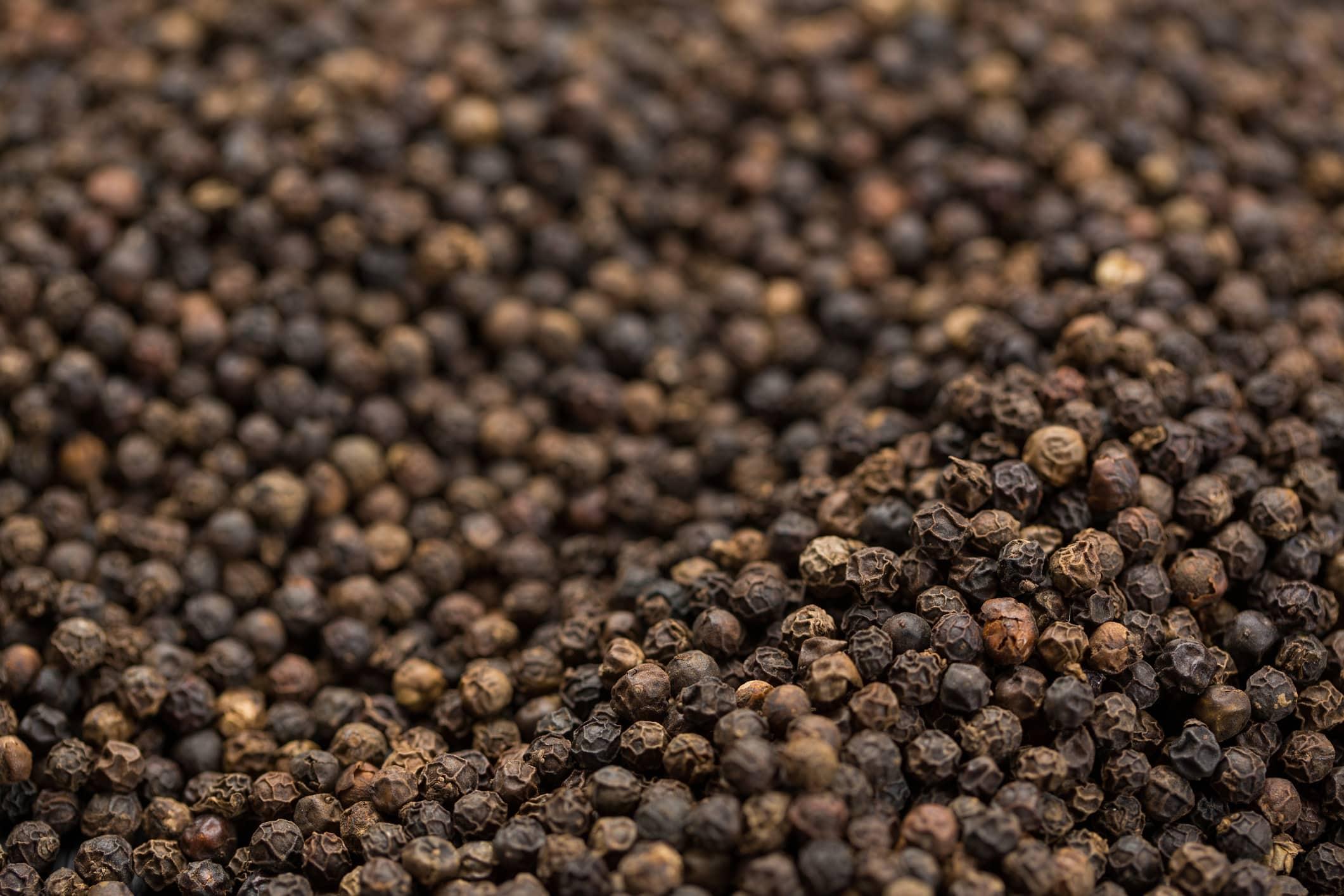
The aroma of Ninja Fruit CBD flower (Strawberry Kush x Watermelon) greeted the guests from a wooden bowl on the shelf in the entrance hall. “Smells lovely, doesn’t it?” said one of the friends on coming into the house. “It’s CBD flower,” the host pointed out, trying to play down the care that had gone into arranging it to scent the welcome. “CBD? I thought it was weed – you can smell it from the lift!” said the other in surprise.
We begin this post with the confusion that appearances can sometimes cause. Because beta-caryophyllene is just like CBD flower: it looks like one thing but turns out to be another. It has the shape of a terpene, but behaves like a cannabinoid.
What is beta-caryophyllene?
Beta-caryophyllene is one of the most unusual terpenes produced by cannabis, because it is the only terpene known to date that can bind to CB2 cannabinoid receptors, which means it behaves like a cannabinoid. That is why it can offer benefits not found in other terpenes.
Beta-caryophyllene has a spiced, woody aroma that is slightly peppery.
Chemistry
Chemically, it is classed as a sesquiterpene, that is, a terpene with a large molecular structure, made up of three isoprene units of 5 carbon atoms each, and less volatile than monoterpenes (such as limonene or linalool). That is why it is one of the aromas that lingers longest in cannabis after drying and curing.
But being heavier than other terpenes also makes it a harder aroma to recognise, since it is not as volatile as other aromas and therefore does not reach our nose as quickly.
Aroma
This sesquiterpene has a spicy, woody aroma with herbaceous notes. And what does spicy smell like, you may ask? Suffice it to say that identifying beta-caryophyllene is not as obvious as tracking down limonene or linalool. A citrus and floral aroma is fairly easy to identify, but it takes an extra effort of the nose to pick out the aroma of beta-caryophyllene.
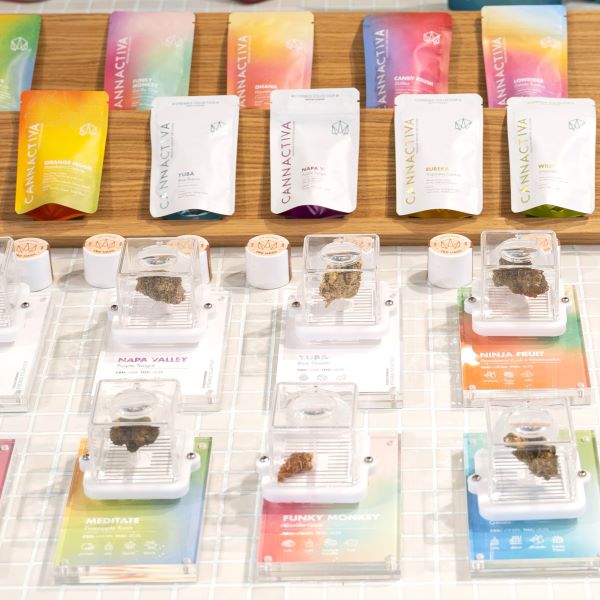
If following traces of cloves or black pepper (fruits with high levels of beta-caryophyllene) doesn’t mean much to you, think of the effect of breathing in deeply near dried black peppercorns. Your nose clears straight away, doesn’t it? Well, that is the decongestant effect you get when you smell a cannabis strain with high levels of beta-caryophyllene.
Where is beta-caryophyllene found?
Beta-caryophyllene, like all terpenes, is concentrated in the essential oil of plants. In the case of cannabis, beta-caryophyllene is found in the plant’s trichomes, along with the other terpenes and the cannabinoids. Trichomes are those resinous glands, invisible to the naked eye, that form on cannabis buds.
Even though the human eye cannot clearly make out the shape of these glands, we can sense them in that white “snow” or crystals that forms on the buds, and also in the sticky texture typical of some flowers. That icing sugar that gets all over our fingers is where beta-caryophyllene is found; and also CBD, the other terpenes and most of the active compounds produced by the plant.
CBD flower rich in beta-caryophyllene
Beta-caryophyllene is a sesquiterpene that is very common in all cannabis strains, although it is also found in many other plants. Even when it is not one of a strain’s three main terpenes, the vast majority of cannabis strains have high or moderate levels of caryophyllene.
You can find a high beta-caryophyllene content in the CBD flower of the following Cannactiva strains:
Which cannabis strains are rich in beta-caryophyllene?
One of the quintessential made in Europe cannabis strains whose main terpene is beta-caryophyllene is Original Amnesia, in which the levels of this sesquiterpene exceed those of any other terpene in the strain. The spicy aroma you notice when smelling a specimen of the Dutch sativa queen is no coincidence.
Across the pond, beta-caryophyllene plays a leading role in the Cookies and Gelato family, flagships of the American breeding that laid the foundations for future hybrids. In fact, most of the strains descended from these cannabis dynasties have high levels of beta-caryophyllene. Take Sherbet or Wedding Cake, for example.
Moving on to strains without THC, when it comes to CBD flower, in the case of CBD Ninja Fruit and Zkittlez CBD, beta-caryophyllene is the most abundant terpene, hence that decongesting sensation when you smell buds of these strains.
How can you identify the aroma of beta-caryophyllene in cannabis?
Beta-caryophyllene is not one of the cannabis terpenes that are easiest to identify by smell. We will recognise the sesquiterpene we are dealing with in this article by those spicy notes we sometimes notice in a cannabis strain. It is that underlying nuance you can only perceive by breathing in deeply, which reminds us of black pepper and clears our nasal passages.
How can you preserve beta-caryophyllene in cannabis?
Beta-caryophyllene, like other terpenes, is sensitive to heat and other external factors, which can easily make it disappear. Specifically, it evaporates at 119°C; well above this temperature, rather than just evaporating, it will degrade.
Effects of beta-caryophyllene in cannabis
Terpenes in general, and beta-caryophyllene in particular, have effects on our body. While it used to be thought that the only active compounds in cannabis were the cannabinoids, recent research has revealed that terpenes also have properties to offer us.
Beta-caryophyllene: the terpene with the soul of a cannabinoid
What is surprising about beta-caryophyllene is that it offers a double set of benefits: on the one hand, as a terpene, it gives cannabis a unique aroma and modulates the effect of cannabinoids thanks to the so-called entourage effect. On the other, it acts as a cannabinoid by binding selectively to CB2 receptors, which are found mainly in the immune system.
Until now, the only known compounds capable of activating the endocannabinoid system were cannabinoids, that is, both those produced by the body itself (the so-called endocannabinoids) and those found in cannabis (phytocannabinoids, such as THC or CBD).
That is why beta-caryophyllene, being also able to communicate with this network of receptors, has caught the attention of many. This terpene binds to CB2 receptors – the same ones that cannabidiol (CBD) acts on – and can modulate the immune response and reduce inflammation.
Unlike other cannabinoids such as THC, beta-caryophyllene does not produce psychotropic effects, because CB2 receptors are not involved in regulating cognitive and emotional functions in the way CB1 receptors are.
How beta-caryophyllene affects the cannabis experience
How beta-caryophyllene interacts with cannabinoids and terpenes
The presence of beta-caryophyllene in cannabis contributes to the so-called entourage effect, whereby the compounds present in the plant, such as terpenes and cannabinoids, work together to modulate and enhance the therapeutic effects of cannabis.
This can result in a more balanced and nuanced experience for the user, boosting the benefits of the cannabinoids without increasing their psychotropic potency. That is why it is often said that using cannabinoid isolates diminishes the properties that cannabis could offer us.

One example of this is how beta-caryophyllene enhances the anti-inflammatory properties of the cannabinoids CBD and THC. By interacting with the CB2 receptors of the endocannabinoid system, beta-caryophyllene reinforces the anti-inflammatory effects of these cannabinoids.
In the study The Endocannabinoid System, Cannabinoids, and Pain (1), it was observed that the simultaneous oral administration of CBD and beta-caryophyllene shows promising properties for relieving chronic pain, thanks to the anti-inflammatory and analgesic effect they produce.
In addition, the entourage effect also includes certain interactions that can occur between terpenes, and not only between terpenes and cannabinoids. In the case of beta-caryophyllene, for example, when it is taken together with the terpene humulene, beta-caryophyllene’s own anti-inflammatory and analgesic effects are enhanced.
Benefits of beta-caryophyllene
Beta-caryophyllene has enormous therapeutic potential for treating various diseases, mainly those related to inflammation. As a selective activator of the CB2 cannabinoid receptor, beta-caryophyllene offers several benefits, such as anti-inflammatory, antioxidant and neuroprotective properties.
It is important to mention that much of the current research has been carried out in the field of aromatherapy, or in studies on other plants rich in caryophyllene, such as black pepper.
Anti-inflammatory
On the one hand, beta-caryophyllene has anti-inflammatory and immunomodulatory properties, which could be useful for treating inflammatory conditions and chronic pain (2, 3). It is worth noting that, although other terpenes are also anti-inflammatory, what makes this one unique is that it acts through different signalling pathways: those of the endocannabinoid system.
Better sleep quality
The effects of cannabis on sleep have been reviewed (4), and it has been found that terpenes, as well as reducing the symptoms of insomnia and inducing sleep, improve sleep quality.
In this regard, and according to current research, caryophyllene, linalool and myrcene offer analgesic, anxiolytic or sedative effects (5), and may complement the sleep-promoting properties of other terpenes and cannabinoids.
To help overcome addictions
Studies have also been carried out on terpenes as aids for overcoming addictions. For example, there is a clinical trial in which 48 cigarette smokers inhaled black pepper vapour (naturally very rich in beta-caryophyllene), a mixture of mint and menthol, or a placebo. It turned out that vaping black pepper significantly reduced nicotine cravings, an effect attributed to irritation of the bronchial tree, simulating the act of smoking cigarettes but without nicotine or any actual burning of material (6).
This suggested that black pepper, because of its high beta-caryophyllene content, could have potential in the treatment of addictions. In more recent studies, beta-caryophyllene has been tested with good preliminary results for cocaine addiction (7) and food addiction (8).
Other reported benefits
It also has potential benefits against anxiety and depression (9) and has been used as a gastric cytoprotective agent (10).
Medical cannabis
The benefits of beta-caryophyllene are a growing area of interest in the world of medical cannabis. Being able to combine the properties mentioned above with the effects of cannabis opens up a range of possibilities for improving and refining this kind of treatment. As research progresses and more studies focus on beta-caryophyllene in the context of cannabis, it is likely that even more applications will be discovered.
We hope you have enjoyed this in-depth look at the properties of beta-caryophyllene, and that you will remember it during your next cannabis experience.
References
- Fine PG, Rosenfeld MJ. The endocannabinoid system, cannabinoids, and pain. Rambam Maimonides Med J. 2013 Oct 29;4(4):e0022. doi: 10.5041/RMMJ.10129. PMID: 24228165; PMCID: PMC3820295.
- Horváth B, Mukhopadhyay P, Kechrid M, Patel V, Tanchian G, Wink DA, Gertsch J, Pacher P. β-Caryophyllene ameliorates cisplatin-induced nephrotoxicity in a cannabinoid 2 receptor-dependent manner. Free Radic Biol Med. 2012 Apr 15;52(8):1325-33. doi: 10.1016/j.freeradbiomed.2012.01.014. Epub 2012 Jan 31. PMID: 22326488; PMCID: PMC3312970.
- Gertsch J, Leonti M, Raduner S, Racz I, Chen JZ, Xie XQ, Altmann KH, Karsak M, Zimmer A. Beta-caryophyllene is a dietary cannabinoid. Proc Natl Acad Sci U S A. 2008 Jul 1;105(26):9099-104. doi: 10.1073/pnas.0803601105. Epub 2008 Jun 23. PMID: 18574142; PMCID: PMC2449371.
- Russo EB, Guy GW, Robson PJ. Cannabis, pain, and sleep: lessons from therapeutic clinical trials of Sativex, a cannabis-based medicine. Chem Biodivers. 2007 Aug;4(8):1729-43. doi: 10.1002/cbdv.200790150. PMID: 17712817.
- Russo EB. Taming THC: potential cannabis synergy and phytocannabinoid-terpenoid entourage effects. Br J Pharmacol. 2011 Aug;163(7):1344-64. doi: 10.1111/j.1476-5381.2011.01238.x. PMID: 21749363; PMCID: PMC3165946.
- Rose, J. E., Behm, F. M., Westman, E. C., & Johnson, M. (1994). Inhalation of vapor from black pepper extract reduces smoking withdrawal symptoms. Drug and Alcohol Dependence, 34(3), 225-229.
- Galaj E, Bi GH, Moore A, Chen K, He Y, Gardner E, Xi ZX. Beta-caryophyllene inhibits cocaine addiction-related behavior by activation of PPARα and PPARγ: repurposing a FDA-approved food additive for cocaine use disorder. Neuropsychopharmacology. 2021 Mar;46(4):860-870. doi: 10.1038/s41386-020-00885-4. Epub 2020 Oct 17. PMID: 33069159; PMCID: PMC8026612.
- Alizadeh S, Djafarian K, Mofidi Nejad M, Yekaninejad MS, Javanbakht MH. The effect of β-caryophyllene on food addiction and its related behaviors: A randomized, double-blind, placebo-controlled trial. Appetite. 2022 Nov 1;178:106160. doi: 10.1016/j.appet.2022.106160. Epub 2022 Jul 6. PMID: 35809704.
- Bahi A, Al Mansouri S, Al Memari E, Al Ameri M, Nurulain SM, Ojha S. β-Caryophyllene, a CB2 receptor agonist produces multiple behavioral changes relevant to anxiety and depression in mice. Physiol Behav. 2014 Aug;135:119-24. doi: 10.1016/j.physbeh.2014.06.003. Epub 2014 Jun 13. PMID: 24930711.
- Tambe Y, Tsujiuchi H, Honda G, Ikeshiro Y, Tanaka S. Gastric cytoprotection of the non-steroidal anti-inflammatory sesquiterpene, beta-caryophyllene. Planta Med. 1996 Oct;62(5):469-70. doi: 10.1055/s-2006-957942. PMID: 9005452.