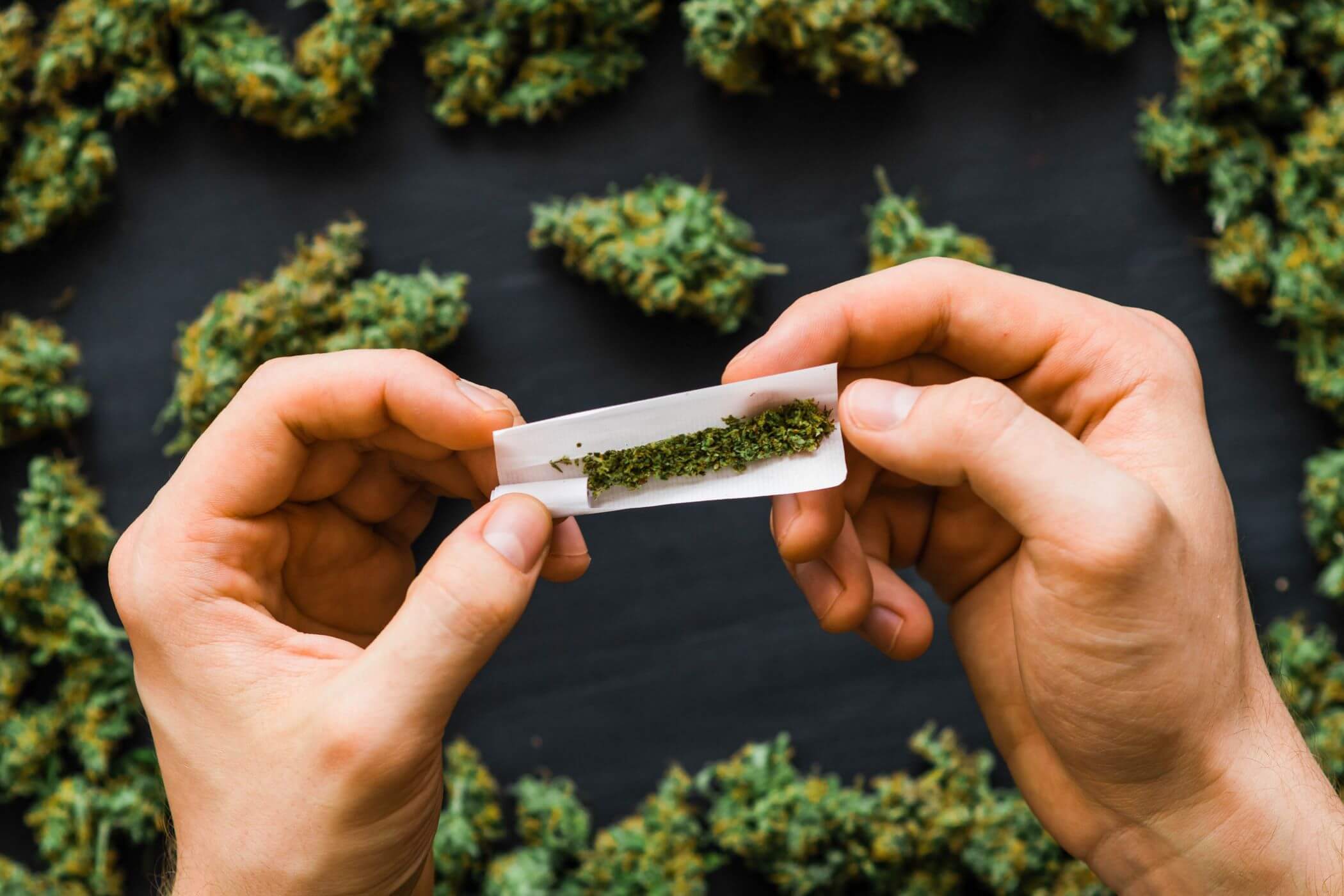
Medical cannabis is a therapy that causes quite a lot of confusion. There is a great deal of information going around about the potential benefits of cannabis or some of its components, but not all of it is backed by enough therapeutic evidence, or is legal yet.
In this Cannactiva post, we explain what medical cannabis is, its accepted therapeutic uses and side effects, and we look at some European examples of how medical cannabis therapies are regulated and how to access them.
Uses of medical cannabis
What is medical cannabis?
In general, medical cannabis refers to the use of components obtained from the cannabis plant or its active ingredients (cannabinoids) in order to treat a disease or relieve a particular symptom.
Has medical cannabis been used throughout history?
In the ancient world, several cultures used cannabis as a medicine. From the “Ebers Papyrus” of Egypt, written more than 3,500 years ago, to the “Atharva Veda” of India’s Ayurvedic medicine (1500 BC), the 1st-century Greek treatise by Dioscorides, which mentions the use of medical cannabis, or the Treatise on Botany by Ibn al-Baytar al-Malaqi (Islamic Empire, 13th century).
Even in more modern times, cannabis held a prominent place in the prestigious Merck Manual. In its 1889 edition, it was recommended for treating ailments such as hysteria, delirium, epilepsy, nervous insomnia, migraine, dysmenorrhoea and chronic pain.
It is also said that Queen Victoria of England used therapeutic cannabis to relieve her period pain. Although there is no proof of this, we do know that her personal physician was a fervent advocate of therapeutic cannabis (1).

Why is medical cannabis such a controversial issue?
The UN Drug Conventions (1961, 1971, 1988) determined that cannabis was a dangerous substance with no therapeutic uses. On the other hand, however, the therapeutic properties of cannabinoids are undeniable.
The irrationality of drug policies and the interference between science and morality (2) lead to surreal situations. In Spain, you can carry a pharmaceutical-grade cannabinoid spray in your pocket, but carrying cannabis buds means a minimum fine of €600. In other countries, this difference can mean going to prison.

Is there evidence that medical cannabis works?
In the mid-20th century, clinical trials became the standard way of determining whether medicines were effective. This coincided with the legal restrictions on cannabis. For this reason, research into therapeutic cannabis was held back.
However, there are now enough scientific studies to state beyond any doubt that some cannabinoids, above all THC or tetrahydrocannabinol and CBD or cannabidiol, are safe and effective for certain symptoms or diseases. In fact, both in Europe and in the United States, the official medicines agencies have approved cannabis extracts for the treatment of various conditions.
Differences between “medical cannabis” and “the use of cannabinoids” in medicine
From a medical and pharmacological point of view, it is preferable to use isolated active ingredients rather than plant extracts of variable composition. Plant extracts make it harder to control the dose and to obtain products of consistent potency, and they are less effective and less safe. In this sense, on the one hand we could consider the therapeutic properties of THC and CBD. However, in the case of cannabis, many of its therapeutic effects are thought to depend on the interaction of the different cannabinoids with each other and with other compounds in the plant, such as terpenes.
This gives rise to synergistic effects between cannabinoids and terpenes (3): the effect of two or more components together is stronger than the sum of their individual effects. This is what is known as the entourage effect of cannabis (efecto séquito, in Spanish). Nevertheless, most countries still use medicinal preparations made from pure cannabinoids, or combinations of pure cannabinoids.
Which diseases is medical cannabis used for?
Medical cannabis has been used to treat a variety of diseases and symptoms. The clearest indications for medical cannabis are:
- Spasticity (muscle stiffness) and other symptoms associated with multiple sclerosis (4)
- Chemotherapy-induced nausea and vomiting (5)
- Chronic pain: especially neuropathic pain (pain caused by direct damage to the fibres of the nervous system) (6)
- Pain associated with diseases such as fibromyalgia (7) and arthritis (8).
- Sleep disorders and anxiety: only in some patients (9). In others, cannabis can make anxiety symptoms worse (10).
In addition, certain cannabinoids have specific applications, such as CBD in neurological diseases and CBD in psychiatric disorders.

Other possible future therapeutic uses of medical cannabis
Therapeutic cannabis is also being tested experimentally in other medical applications:
- Parkinson’s disease (11)
- Alzheimer’s disease (12)
- Post-traumatic stress disorder (13)
- Rheumatoid arthritis (14, 15)
- Systemic lupus erythematosus (16)
- Inflammatory bowel disease (Crohn’s disease and ulcerative colitis) (17, 18)
- Cancer-related symptoms and palliative care (19)
- Treatment of some brain tumours (20)
- Anorexia nervosa (21)
- Amyotrophic lateral sclerosis (22)
- Tourette syndrome (23, 24)
Medical cannabis medicines
Which medical cannabis medicines are available?
To date, no medical cannabis drug containing the plant in its natural form has been approved in Europe. However, there are some approved medicines that contain synthetic cannabis derivatives or components isolated from the plant. The two medical cannabis medicines approved by the European Medicines Agency (EMA) are:
- Sativex: an oral spray for sublingual use with fixed concentrations of THC and CBD in a 1:1 ratio. It is approved for the treatment of spasticity related to multiple sclerosis.
- Epidiolex: a medicine containing a cannabidiol-based oral solution, used to treat Lennox-Gastaut syndrome and Dravet syndrome, two rare forms of epilepsy that are difficult to treat with other medicines.
There are other existing drugs based on synthetic cannabinoids: Marinol (dronabinol, synthetic delta-9-THC) for nausea and vomiting; and Cesamet (nabilone, a synthetic cannabinoid that mimics the effects of THC), for nausea and vomiting and appetite stimulation.
Each country has its own laws and regulations on the use of medical cannabis, and access to these treatments can vary depending on where the patient is.
How medical cannabis prescription works in European countries
How can you access medical cannabis?
Access to and prescription of medical cannabis vary from one European country to another, and are often subject to national regulations. In general, in most cases doctors need special or specific authorisation to prescribe medical cannabis, and patients must meet certain medical criteria to receive this type of treatment.
Below are some examples of how medical cannabis prescription works in a number of European countries:
Spain and medical cannabis
In Spain, any registered doctor can prescribe either of the two medicines available. As well as the usual prescription, an official narcotics prescription has to be presented at the pharmacy. Both medicines are classified as hospital diagnosis medicines. However, they can be obtained from any pharmacy in Spain through a special supply procedure.
All medicines authorised in Spain have indications listed in their summary of product characteristics, which are the uses they are formally indicated for. In the case of Sativex, the indication is “treatment for symptom improvement in adult patients with moderate to severe spasticity due to multiple sclerosis (MS) who have not responded adequately to other anti-spasticity medication and who demonstrate clinically significant improvement in spasticity related symptoms during an initial trial of therapy”. But the law also allows a doctor to prescribe a medicine for an “off-label” indication if they consider it appropriate, with reasons, based on their own clinical judgement.
The price of both medicines is high. Spain’s National Health System funds them provided they have the approval of a specialist doctor, usually a neurologist or oncologist. Difficulties in access, moral prejudice or the differing clinical judgement of each specialist mean that, in practice, many people turn to home growing, supply through cannabis social clubs or the black market. These are not appropriate routes although, realistically, the difficulties in accessing treatment through the health system force patients to use these resources.
The United Kingdom and medical cannabis
In England, medical cannabis was legalised in 2018 and can be prescribed for a wide range of medical conditions, such as epilepsy, chemotherapy-related nausea and vomiting, and chronic pain; but also for other conditions not covered in other countries, such as anxiety or endometriosis. You can see the full list of conditions it can be prescribed for here.
English doctors must obtain special authorisation from the UK regulator, the Medicines & Healthcare products Regulatory Agency, to prescribe medical cannabis, and only products approved by it may be used.
On the other hand, possession of cannabis for personal and recreational use in this country can lead to a prison sentence. If you are interested in the subject, we recommend our post on Cannabis and CBD in the UK.
The Netherlands and medical cannabis
Prescription of and access to medical cannabis in the Netherlands, on the other hand, is quite different from other European countries. In the Netherlands, the government itself is in charge of controlling the production and distribution of medical cannabis to pharmacies authorised throughout the country, through the Bureau of Medicinal Cannabis (BMC) programme.
The BMC produces a range of medical cannabis products, which include cannabis flower (buds), cannabis oil and capsules.
To receive medical cannabis treatment, people in the Netherlands must obtain a prescription from a doctor authorised to issue such prescriptions. As in other countries, access to medical cannabis is restricted to patients with certain medical conditions, such as chronic illnesses and chronic pain.
Patients can go to an authorised pharmacy and choose the cannabis strain that best suits their needs and preferences, based on the specific cannabinoid profiles on offer.
Germany and medical cannabis
In Germany, medical cannabis was legalised in 2017 following the “Cannabis as Medicine Act”, and it can be prescribed for a range of medical conditions, such as those mentioned in the examples above.
Doctors must obtain special authorisation to prescribe medical cannabis, and only products approved by Germany’s Federal Institute for Drugs and Medical Devices may be used.
How medical cannabis is taken
By which routes can medical cannabis be used?
For therapeutic use, most clinical trials have used preparations taken sublingually. This route of administration allows cannabinoids to pass directly into the bloodstream through the veins under the tongue.
This avoids the drawbacks of the oral route, in which cannabinoids are absorbed somewhat more unpredictably, depending on how they are ingested. In other words, depending on what is in the stomach and on other individual factors, the amount of cannabinoids taken up via the digestive tract varies (25).
How does vaporising medical cannabis work?
Using vaporizers avoids the problems of combustion, such as the formation of toxic and carcinogenic particles. There are studies showing that cannabis can be administered in this way, achieving stable levels of cannabinoids in the body (26).
However, in many countries the use of cannabis (the plant) for vaporising for medical purposes is not provided for. In Spain, for example, the ways to obtain it are home growing, cannabis social clubs or the black market.
What side effects can medical cannabis have?
In clinical trials, most of the adverse effects of medical cannabis are mild or moderate, and well tolerated by most patients (27, 28, 29):
- Mouth pain
- Changes in taste
- Tooth discolouration
- Dizziness
- Diarrhoea
Some studies have found memory and attention problems (27, 28) in users of therapeutic cannabis. But a systematic review (29) concludes that, given the doses used therapeutically, the size of this effect is small for most patients.
Can medical cannabis cause dependence?
8-10% of patients reported mild symptoms (difficulty sleeping, irritability, tiredness) when stopping treatment abruptly (30). These effects disappear within a few days of stopping treatment.
In conclusion…
In conclusion, the medicinal properties of cannabinoids have now been proven and are backed by solid scientific evidence, which supports their effective and safe therapeutic use to treat various symptoms and diseases. As research advances, medical cannabis is likely to become an even more widely available and accepted treatment option in the future.
Some European countries have legalised medical cannabis, although most of them use it in the form of extracts rather than as buds.
It is important to stress that, like any medical treatment, the use of medical cannabis must be prescribed and supervised by a doctor and must comply with local laws and regulations.
Please remember that this is an informative article that is not intended to prevent, diagnose or treat any disease. Its content may complement, but never replace, the diagnosis or treatment of any disease or symptom. Consult your doctor if you have any questions or concerns about this. Cannactiva products are not medicines. The regulation of medical cannabis may have changed since this post was published.
References
- J.Russell Reynolds, M.D., F.R.S. et al. On The Therapeutical Uses And Toxic Effects Of Cannabis Indica. Research Article Volume 135, Issue 3473, P 637-638, March 22, 1890. DOI:https://doi.org/10.1016/S0140-6736(02)18723-X
- Monaghan M. Drug Policy Governance in the UK: lessons from changes to and debates concerning the classification of cannabis under the 1971 Misuse of Drugs Act. Int J Drug Policy. 2014 Sep;25(5):1025-30. doi: 10.1016/j.drugpo.2014.02.001. Epub 2014 Feb 14. PMID: 24635973.
- Grof CPL. Cannabis, from plant to pill. Br J Clin Pharmacol. 2018 Nov;84(11):2463-2467. doi: 10.1111/bcp.13618. Epub 2018 May 24. PMID: 29701252; PMCID: PMC6177712.
- Filippini G, Minozzi S, Borrelli F, Cinquini M, Dwan K. Cannabis and cannabinoids for symptomatic treatment for people with multiple sclerosis. Cochrane Database Syst Rev. 2022 May 5;5(5):CD013444. doi: 10.1002/14651858.CD013444.pub2. PMID: 35510826; PMCID: PMC9069991.
- Smith LA, Azariah F, Lavender VT, Stoner NS, Bettiol S. Cannabinoids for nausea and vomiting in adults with cancer receiving chemotherapy. Cochrane Database Syst Rev. 2015 Nov 12;2015(11):CD009464. doi: 10.1002/14651858.CD009464.pub2. PMID: 26561338; PMCID: PMC6931414.
- Mücke M, Phillips T, Radbruch L, Petzke F, Häuser W. Cannabis-based medicines for chronic neuropathic pain in adults. Cochrane Database Syst Rev. 2018 Mar 7;3(3):CD012182. doi: 10.1002/14651858.CD012182.pub2. PMID: 29513392; PMCID: PMC6494210.
- Khurshid H, Qureshi IA, Jahan N, Went TR, Sultan W, Sapkota A, Alfonso M. A Systematic Review of Fibromyalgia and Recent Advancements in Treatment: Is Medicinal Cannabis a New Hope? Cureus. 2021 Aug 20;13(8):e17332. doi: 10.7759/cureus.17332. PMID: 34567876; PMCID: PMC8451533.
- Lynch ME, Campbell F. Cannabinoids for treatment of chronic non-cancer pain; a systematic review of randomized trials. Br J Clin Pharmacol. 2011 Nov;72(5):735-44. doi: 10.1111/j.1365-2125.2011.03970.x. PMID: 21426373; PMCID: PMC3243008.
- Velzeboer R, Malas A, Boerkoel P, Cullen K, Hawkins M, Roesler J, Lai WW. Cannabis dosing and administration for sleep: a systematic review. Sleep. 2022 Nov 9;45(11):zsac218. doi: 10.1093/sleep/zsac218. Erratum in: Sleep. 2023 Mar 9;46(3): PMID: 36107800.
- Sharpe L, Sinclair J, Kramer A, de Manincor M, Sarris J. Cannabis, a cause for anxiety? A critical appraisal of the anxiogenic and anxiolytic properties. J Transl Med. 2020 Oct 2;18(1):374. doi: 10.1186/s12967-020-02518-2. PMID: 33008420; PMCID: PMC7531079.
- Urbi B, Corbett J, Hughes I, Owusu MA, Thorning S, Broadley SA, Sabet A, Heshmat S. Effects of Cannabis in Parkinson's Disease: A Systematic Review and Meta-Analysis. J Parkinsons Dis. 2022;12(2):495-508. doi: 10.3233/JPD-212923. PMID: 34958046.
- Farkhondeh T, Khan H, Aschner M, Samini F, Pourbagher-Shahri AM, Aramjoo H, Roshanravan B, Hoyte C, Mehrpour O, Samarghandian S. Impact of Cannabis-Based Medicine on Alzheimer's Disease by Focusing on the Amyloid β-Modifications: A Systematic Study. CNS Neurol Disord Drug Targets. 2020;19(5):334-343. doi: 10.2174/1871527319666200708130745. PMID: 32640965.
- Rehman Y, Saini A, Huang S, Sood E, Gill R, Yanikomeroglu S. Cannabis in the management of PTSD: a systematic review. AIMS Neurosci. 2021 May 13;8(3):414-434. doi: 10.3934/Neuroscience.2021022. PMID: 34183989; PMCID: PMC8222769.
- Fitzcharles MA, Baerwald C, Ablin J, Häuser W. Efficacy, tolerability and safety of cannabinoids in chronic pain associated with rheumatic diseases (fibromyalgia syndrome, back pain, osteoarthritis, rheumatoid arthritis): A systematic review of randomized controlled trials. Schmerz. 2016 Feb;30(1):47-61. doi: 10.1007/s00482-015-0084-3. PMID: 26767993.
- Guillouard M, Authier N, Pereira B, Soubrier M, Mathieu S. Cannabis use assessment and its impact on pain in rheumatologic diseases: a systematic review and meta-analysis. Rheumatology (Oxford). 2021 Feb 1;60(2):549-556. doi: 10.1093/rheumatology/keaa534. PMID: 33159797.
- Rodríguez Mesa XM, Moreno Vergara AF, Contreras Bolaños LA, Guevara Moriones N, Mejía Piñeros AL, Santander González SP. Therapeutic Prospects of Cannabinoids in the Immunomodulation of Prevalent Autoimmune Diseases. Cannabis Cannabinoid Res. 2021 Jun;6(3):196-210. doi: 10.1089/can.2020.0183. Epub 2021 May 24. PMID: 34030476; PMCID: PMC8266560.
- Naftali T. An overview of cannabis based treatment in Crohn's disease. Expert Rev Gastroenterol Hepatol. 2020 Apr;14(4):253-257. doi: 10.1080/17474124.2020.1740590. Epub 2020 Mar 12. PMID: 32149543.
- Naftali T, Bar-Lev Schleider L, Almog S, Meiri D, Konikoff FM. Oral CBD-rich Cannabis Induces Clinical but Not Endoscopic Response in Patients with Crohn's Disease, a Randomised Controlled Trial. J Crohns Colitis. 2021 Nov 8;15(11):1799-1806. doi: 10.1093/ecco-jcc/jjab069. PMID: 33858011.
- De Feo G, Case AA, Crawford GB, Hui D, To J, Sbrana A, Alderman B, Mukhopadhyay S, Bouleuc C, Amano K, Tanco K, Garsed J, Davis M. Multinational Association of Supportive Care in Cancer (MASCC) guidelines: cannabis for psychological symptoms including insomnia, anxiety, and depression. Support Care Cancer. 2023 Feb 21;31(3):176. doi: 10.1007/s00520-023-07628-3. PMID: 36809575.
- Kyriakou I, Yarandi N, Polycarpou E. Efficacy of cannabinoids against glioblastoma multiforme: A systematic review. Phytomedicine. 2021 Jul 15;88:153533. doi: 10.1016/j.phymed.2021.153533. Epub 2021 Mar 5. PMID: 33812759.
- Andries A. Frystyk J. Flyvbjerg A. Støving R. K. (2014). Dronabinol in severe, enduring anorexia nervosa: A randomized controlled trial. International Journal of Eating Disorders, 47(1), 18–23. doi: 10.1002/eat.22173. PMID: 24105610.
- Weber M, Goldman B, Truniger S. Tetrahydrocannabinol (THC) for cramps in amyotrophic lateral sclerosis: a randomised, double-blind crossover trial. J Neurol Neurosurg Psychiatry. 2010 Oct;81(10):1135-40. doi: 10.1136/jnnp.2009.200642. Epub 2010 May 24. PMID: 20498181.
- Müller-Vahl KR, Schneider U, Koblenz A, Jöbges M, Kolbe H, Daldrup T, Emrich HM. Treatment of Tourette's syndrome with Delta 9-tetrahydrocannabinol (THC): a randomized crossover trial. Pharmacopsychiatry. 2002 Mar;35(2):57-61. doi: 10.1055/s-2002-25028. PMID: 11951146.
- Müller-Vahl KR, Schneider U, Prevedel H, Theloe K, Kolbe H, Daldrup T, Emrich HM. Delta 9-tetrahydrocannabinol (THC) is effective in the treatment of tics in Tourette syndrome: a 6-week randomized trial. J Clin Psychiatry. 2003 Apr;64(4):459-65. doi: 10.4088/jcp.v64n0417. PMID: 12716250.
- Poyatos L, Pérez-Acevedo AP, Papaseit E, Pérez-Mañá C, Martin S, Hladun O, Siles A, Torrens M, Busardo FP, Farré M. Oral Administration of Cannabis and Δ-9-tetrahydrocannabinol (THC) Preparations: A Systematic Review. Medicina (Kaunas). 2020 Jun 23;56(6):309. doi: 10.3390/medicina56060309. PMID: 32585912; PMCID: PMC7353904.
- Lanz C, Mattsson J, Soydaner U, Brenneisen R. Medicinal Cannabis: In Vitro Validation of Vaporizers for the Smoke-Free Inhalation of Cannabis. PLoS One. 2016 Jan 19;11(1):e0147286. doi: 10.1371/journal.pone.0147286. PMID: 26784441; PMCID: PMC4718604.
- Collin C, Davies P, Mutiboko IK, Ratcliffe S; Sativex Spasticity in MS Study Group. Randomized controlled trial of cannabis-based medicine in spasticity caused by multiple sclerosis. Eur J Neurol. 2007 Mar;14(3):290-6. doi: 10.1111/j.1468-1331.2006.01639.x. PMID: 17355549.
- Rog DJ, Nurmikko TJ, Friede T, Young CA. Randomized, controlled trial of cannabis-based medicine in central pain in multiple sclerosis. Neurology. 2005 Sep 27;65(6):812-9. doi: 10.1212/01.wnl.0000176753.45410.8b. PMID: 16186518.
- Wade DT, Makela P, Robson P, House H, Bateman C. Do cannabis-based medicinal extracts have general or specific effects on symptoms in multiple sclerosis? A double-blind, randomized, placebo-controlled study on 160 patients. Mult Scler. 2004 Aug;10(4):434-41. doi: 10.1191/1352458504ms1082oa. PMID: 15327042.
- Iskedjian M, Bereza B, Gordon A, Piwko C, Einarson TR. Meta-analysis of cannabis based treatments for neuropathic and multiple sclerosis-related pain. Curr Med Res Opin. 2007 Jan;23(1):17-24. doi: 10.1185/030079906x158066. PMID: 17257464.
Frequently asked questions
Can medical cannabis be smoked?
Smoking cannabis joints, the most common method for recreational use, is a route of administration that gets cannabinoids into the body quickly and effectively. The toxic substances produced by combustion mean that, in practice, this is not an acceptable route for therapeutic cannabis.
Can medical cannabis be prescribed in Spain?
From a purely theoretical point of view, a medicine of this kind (therapeutic cannabis, the herbal form) could be requested from an EU member state that has approved it. But the bureaucracy is complex and full of obstacles, and the author is not aware of anyone having successfully gone through this process. A specialist doctor would have to submit an application for a foreign medicine, justifying why they are requesting precisely that form of presentation, setting out the reasoned arguments that support it and, specifically, the high-quality scientific studies that back its efficacy and safety. It then has to pass the assessment of the Ethics Committee of the area hospital. These committees do not decide on a whim or according to the personal views of their members. Objectively, there are few high-quality studies to justify the use of cannabis (precisely because research with cannabis is extraordinarily complex to carry out, given its legal status). In short, it is practically impossible.