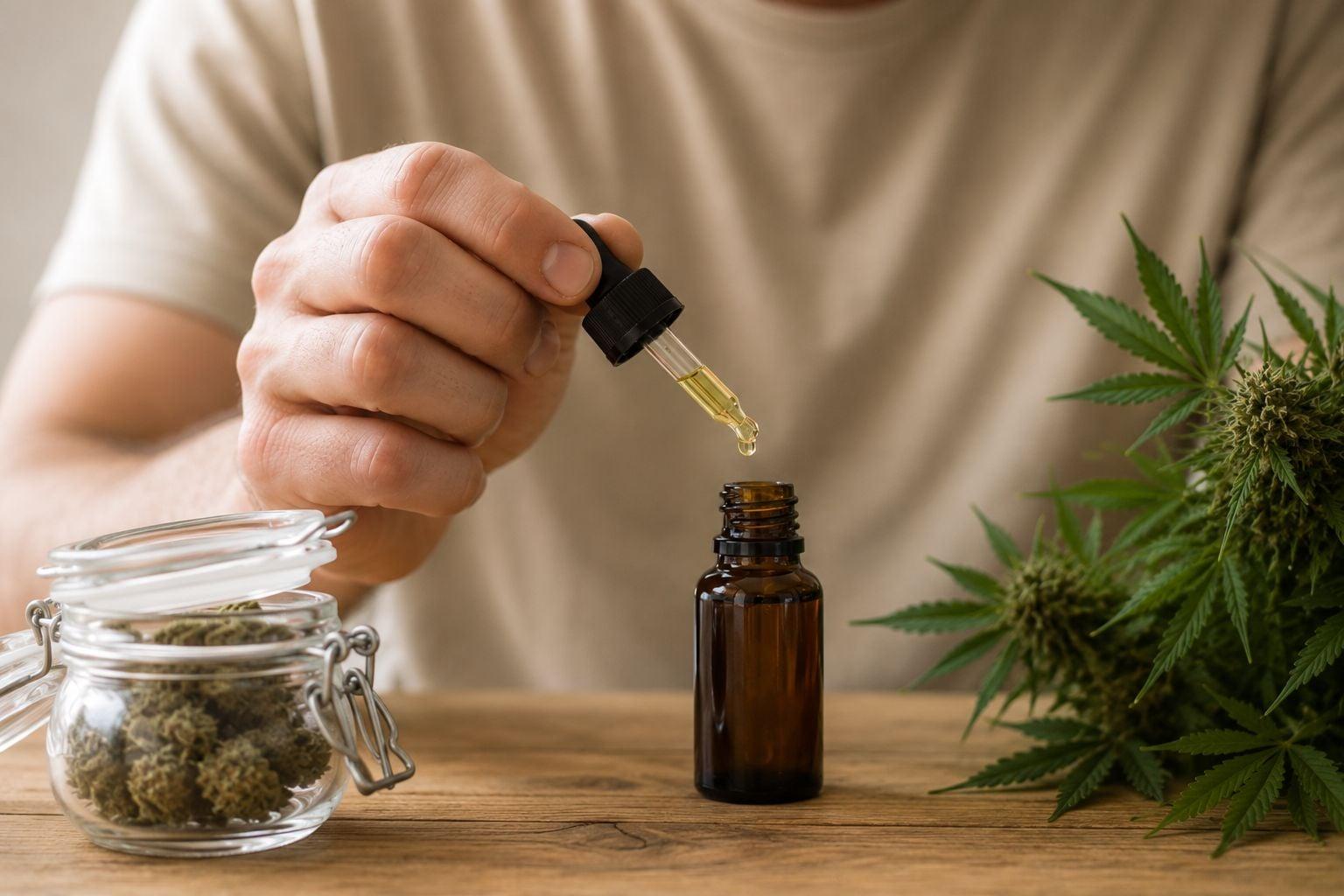
Arthritis is a debilitating disease that causes chronic pain and affects millions of people. With traditional treatments, it is often difficult to find effective relief for joint pain, because of their limited efficacy or the side effects they can cause.
This Cannactiva article explains the latest research on the use of CBD for arthritis, its properties and potential benefits, the doses being used and its safety.
What is CBD?
CBD or cannabidiol is a potent natural anti-inflammatory obtained from hemp, which is a non-psychoactive variety of cannabis.
Unlike THC, the psychoactive compound in cannabis, CBD does not produce a “high”, which makes it attractive for therapeutic uses.
The anti-inflammatory and analgesic properties of this component of hemp have made it a potential ally in the treatment of arthritis and joint pain.
What is arthritis?
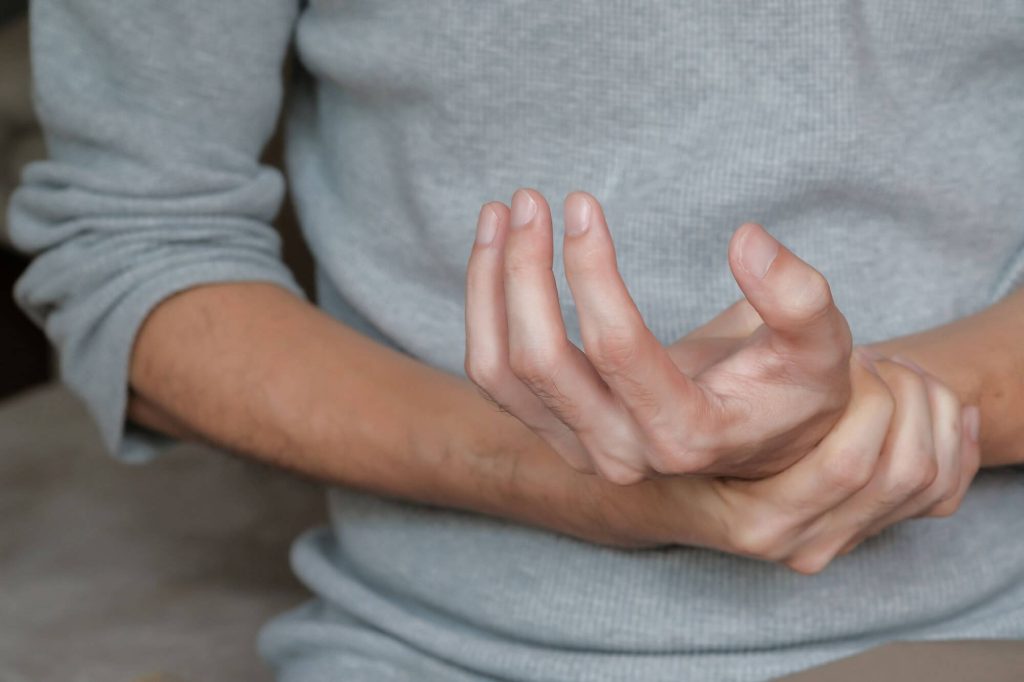
Arthritis is a chronic disease characterised by persistent joint pain, which mainly affects women (in 70% of cases). Its exact causes are unknown, but factors such as being overweight, pollution and smoking are thought to increase the risk of developing it.
Conventional treatment of arthritis
Conventional treatment for arthritis depends in part on how the disease presents. The most common forms are rheumatoid arthritis (which is an autoimmune disease), osteoarthritis (resulting from cartilage wear and tear), psoriatic arthritis (associated with psoriasis) and ankylosing spondylitis (mainly affecting the spine), among others.
In general, therapies include the use of medications to reduce inflammation and pain, such as glucocorticoids, non-steroidal anti-inflammatory drugs (NSAIDs), opioids and anti-rheumatic drugs.
While conventional treatments offer some relief from arthritis and joint pain, effective management of chronic pain remains a considerable challenge for many patients.
The persistent and often debilitating nature of pain associated with arthritis can significantly limit quality of life, leading some patients to explore options such as surgery in search of relief. However, these interventions, although potentially effective, carry risks, involve recovery periods and do not guarantee complete elimination of pain.
It is important to understand that chronic pain is a complex condition, which cannot be measured objectively, and its treatment must be personalised, with various therapeutic approaches and strategies available. Listening to and trusting the people who experience pain is fundamental, as they are the ones who can best describe it and collaborate in its appropriate management.

Use of CBD in the treatment of arthritis and joint pain
Research suggests that cannabinoids, such as CBD, may decrease joint pain. This is due to the presence of the endocannabinoid system in the synovial joints (1). Synovial joints are those where bones connect and which allow range of motion. These joints are encapsulated in a cavity filled with synovial fluid, which lubricates and reduces friction, and protected by cartilage at their bony ends. They are the most common and mobile joints in the body, found in various places, such as the knees, elbows, wrists, vertebrae, etc.
Efficacy of CBD for arthritis: clinical evidence
Clinical evidence shows that CBD can be effective for arthritis. In a survey of over 400 people with arthritic conditions, 60.5% of people taking CBD reported using fewer painkillers and anti-inflammatory drugs, noting improvements in pain perception (in 83% of respondents), sleep quality (66%) and mobility (66%). In addition, CBD was found to be somewhat more effective in people with osteoarthritis than in people with rheumatoid arthritis (2).
On the other hand, studies suggest that CBD may fight arthritis not only by relieving pain and inflammation, but also by promoting the elimination of cells that contribute to the disease.
For example, CBD has been shown to induce the death of certain inflammatory cells in laboratory experiments, offering a potential anti-arthritic effect (3).
CBD has also proved effective against rheumatoid arthritis synovial fibroblasts (RASF), cells involved in the breakdown of joint cartilage (3).
Ways to use CBD for arthritis
CBD for arthritis can be used in different forms, such as CBD oils, CBD physiotherapy oils, tinctures and CBD edibles.
To treat joint pain, CBD cream or gel is recommended, as these products have shown good results in the local treatment of joint pain (1, 5) and allow direct application.

The use of CBD creams or gels provides a localised effect, which has advantages in terms of few adverse effects and treatment safety.
How should you take CBD for arthritis?
Effective doses of CBD for arthritis vary widely. Successful cases have been reported with amounts ranging from less than 25 mg per day to more than 75 mg of CBD per day taken orally (9, 10).
Another option is the use of gels or creams to relieve joint pain. It appears that topical use of CBD may provide relief from joint pain in people with arthritis (5, 6).
Bear in mind that the legality of CBD varies from country to country, which makes it difficult to standardise its quality and purity, and therefore the safety of using CBD. We recommend finding suppliers with quality products.

Side effects of CBD
The side effects of CBD include mild symptoms that disappear once CBD use is stopped, such as diarrhoea, abdominal pain, fatigue or nausea (8).
Although the safety profile of CBD is favourable for various conditions, it is important to be aware of its potential interactions with medications. This underlines the need to consult a doctor before using it.
To learn more about this topic, visit: CBD and drug interactions
And, above all, consult your medical practitioner for guidance on whether CBD can help you before using it.
Conclusion
CBD can help with some types of pain, while avoiding the psychoactive effects of other cannabinoids with analgesic effects, such as THC (tetrahydrocannabinol). Scientific reports point to CBD benefiting people with arthritis or joint pain and suggest that, although there is no standard dose, it is a safe option to help people with chronic joint pain.
Consult a healthcare professional about the dose and frequency of use of CBD for arthritis, especially if you are taking any other medication.
Note: This is an informational article and is not intended to prevent, diagnose or treat any disease. Its contents may complement, but should never replace, any diagnosis or treatment of any disease or symptom. Cannactiva products are not medicines and are intended for external use. Cannactiva is not responsible for the misuse of this information. Please note that new scientific evidence may have emerged since the date of publication. Therefore, consult your doctor before using CBD.
References
- Hammell, D. C., Zhang, L. P., Ma, F., Abshire, S. M., McIlwrath, S. L., Stinchcomb, A. L., & Westlund, K. N. (2016). Transdermal cannabidiol reduces inflammation and pain-related behaviours in a rat model of arthritis. European journal of pain (London, England), 20(6), 936–948. https://doi.org/10.1002/ejp.818
- Frane, N., Stapleton, E., Iturriaga, C., Ganz, M., Rasquinha, V., & Duarte, R. (2022). Cannabidiol as a treatment for arthritis and joint pain: an exploratory cross-sectional study. Journal of cannabis research, 4(1), 47. https://doi.org/10.1186/s42238-022-00154-9
- Lowin, T., Tingting, R., Zurmahr, J., Classen, T., Schneider, M., & Pongratz, G. (2020). Cannabidiol (CBD): a killer for inflammatory rheumatoid arthritis synovial fibroblasts. Cell death & disease, 11(8), 714. https://doi.org/10.1038/s41419-020-02892-1
- Winklmayr, M., Gaisberger, M., Kittl, M., Fuchs, J., Ritter, M., & Jakab, M. (2019). Dose-Dependent Cannabidiol-Induced Elevation of Intracellular Calcium and Apoptosis in Human Articular Chondrocytes. Journal of orthopaedic research : official publication of the Orthopaedic Research Society, 37(12), 2540–2549. https://doi.org/10.1002/jor.24430
- Hunter, D., Oldfield, G., Tich, N., Messenheimer, J. & Sebree, T. (2018). Synthetic transdermal cannabidiol for the treatment of knee pain due to osteoarthritis. Osteoarthritis and Cartilage. Available at: https://doi.org/10.1016/j.joca.2018.02.067
- Heineman, J. T., Forster, G. L., Stephens, K. L., Cottler, P. S., Timko, M. P., & DeGeorge, B. R., Jr (2022). A Randomized Controlled Trial of Topical Cannabidiol for the Treatment of Thumb Basal Joint Arthritis. The Journal of hand surgery, 47(7), 611–620. https://doi.org/10.1016/j.jhsa.2022.03.002
- Pramhas, S., Thalhammer, T., Terner, S., Pickelsberger, D., Gleiss, A., Sator, S., & Kress, H. G. (2023). Oral cannabidiol (CBD) as add-on to paracetamol for painful chronic osteoarthritis of the knee: a randomized, double-blind, placebo-controlled clinical trial. The Lancet regional health. Europe, 35, 100777. https://doi.org/10.1016/j.lanepe.2023.100777
- Iffland, K., & Grotenhermen, F. (2017). An Update on Safety and Side Effects of Cannabidiol: A Review of Clinical Data and Relevant Animal Studies. Cannabis and cannabinoid research, 2(1), 139–154. https://doi.org/10.1089/can.2016.0034
- Miles, S. J., Peer, M., Ladha, K. S., & Clarke, H. (2024). Cannabinoids dosing for osteoarthritis. The Lancet regional health. Europe, 38, 100850. https://doi.org/10.1016/j.lanepe.2024.100850
- Boehnke, K. F., Häuser, W., & Fitzcharles, M. A. (2022). Cannabidiol (CBD) in Rheumatic Diseases (Musculoskeletal Pain). Current rheumatology reports, 24(7), 238–246. https://doi.org/10.1007/s11926-022-01077-3