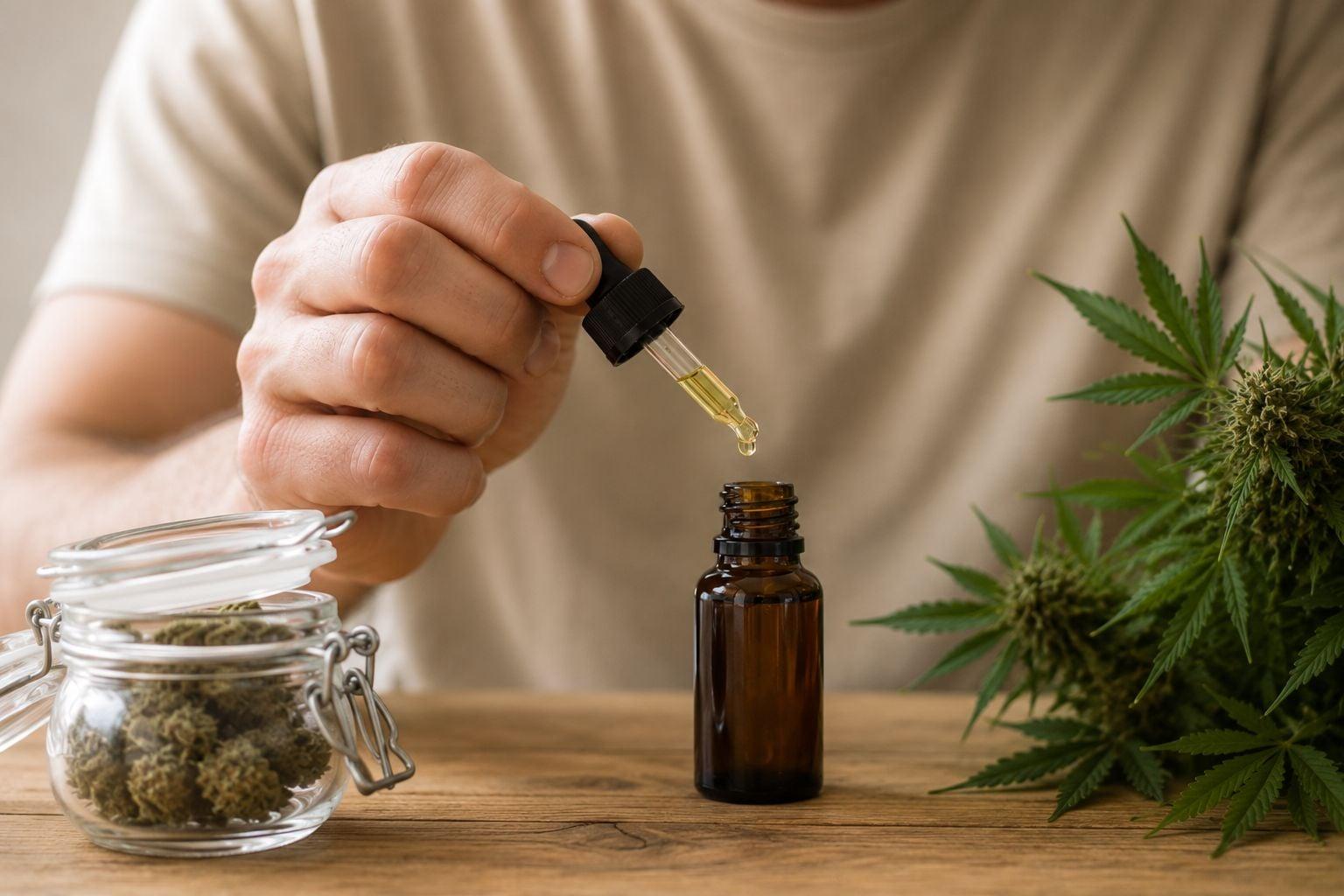
Cannabis, one of the oldest plants used to relieve all kinds of ailments, has now found a new therapeutic focus: the treatment of autoimmune diseases.
To mark World Autoimmune Disease Day, here on the Cannactiva blog we explain what is currently known about the relationship between autoimmune diseases, the endocannabinoid system and the therapeutic potential of cannabis to treat these diseases.
Note: this is an informative article and is not prescriptive; it is not intended to prevent, diagnose or treat any disease. Its content may complement, but must never replace, the diagnosis or treatment of any disease or symptom. Cannactiva products are not medicines and are intended for external use. New relevant scientific evidence may have emerged since the date of publication. Consult your doctor before using CBD. The therapeutic approach should always be personalised and depends on professional assessment.
What are autoimmune diseases?
Autoimmune diseases are a group of conditions whose origin is still unknown, which occur when the body’s natural defences are turned against its own tissues, “mistakenly attacking the body itself” (1). They fall into two categories: localised and systemic. Localised autoimmune diseases affect only one specific organ or tissue, while systemic ones can affect multiple organs and systems of the body.
Among the most common autoimmune diseases are rheumatoid arthritis, multiple sclerosis, lupus and inflammatory bowel disease. People living with these diseases often experience weight loss, constant fatigue, inflammation and chronic pain, which significantly affects their quality of life and overall wellbeing.
Cannabis and the immune response
The cannabis plant contains a large number of compounds that can act individually or together, in synergy, to exert effects on the body and modify the body’s immune response (2-4).
Terpenes, compounds found in cannabis and hemp, have various effects that may help regulate or modulate the immune response. Some terpenes have anti-inflammatory and antioxidant properties, which may help reduce inflammation and oxidative stress in the body (5, 6).
THC, the main psychoactive component of cannabis, can interact with the endocannabinoid receptors CB1 and CB2, located in different organs and systems of the body. THC’s affinity for CB1 receptors in the central nervous system is responsible for its psychoactive effects. However, CB2 receptors, which are found mainly in the immune system, make THC an interesting compound for the treatment of autoimmune diseases (7), as it could modify the immune response by reducing the excessive immune activity that characterises these diseases (8).

On the other hand, although cannabidiol (CBD) does not have a direct affinity for CB1 and CB2 receptors, it has been suggested that it can activate them indirectly (9). In addition, CBD has other targets of action involved in autoimmune diseases, making it a compound with multiple potential benefits for these conditions.
CBD’s mechanisms of action to help in autoimmune diseases
Below are the main pathways through which CBD could exert its therapeutic effects in these conditions:
Immunomodulatory effects
CBD has been shown to induce cell death (apoptosis) in activated immune cells, thereby reducing their number and reducing the overall immune response (9, 10). This is particularly relevant in autoimmune diseases, where excessive activation of the immune system can damage the body’s own tissues.
Anti-inflammatory effects
CBD decreases the production of substances that cause inflammation and increases those that reduce it. It inhibits the production of pro-inflammatory cytokines, such as TNF-α, IL-1β and IL-6, while enhancing the production of anti-inflammatory cytokines such as IL-10 (10-12). Reducing inflammation is crucial in managing autoimmune diseases, as chronic inflammation can lead to tissue damage and exacerbate the symptoms of these diseases.
Neuroprotective effects
In autoimmune diseases involving inflammation, such as multiple sclerosis, where neuroinflammation and neurodegeneration play an important role, CBD could protect neurons from oxidative damage. Neuroprotection is vital to prevent disease progression and maintain neurological function in affected patients.

Relaxing effects
Stress is an important factor in autoimmune diseases (13). It has been observed that chronic exposure to stressful events can have immunosuppressive effects and increase the risk of developing an autoimmune disease (14, 15). CBD can help ease stress and anxiety, which in turn can have a positive effect on the management of these diseases.
Clinical evidence for cannabis in autoimmune diseases
Current research on cannabis and CBD in autoimmune diseases suggests that using CBD-rich products may help improve the quality of life of people with these diseases. However, significant effects have been found in conditions such as multiple sclerosis, inflammatory bowel disease (IBD) and rheumatoid arthritis in studies that have used combinations of THC and CBD (8).
In multiple sclerosis, for example, the use of THC and CBD has been shown to reduce muscle spasticity and neuropathic pain and to improve mobility. In inflammatory bowel disease, these cannabinoids have helped reduce intestinal inflammation and improve digestive symptoms. In rheumatoid arthritis, a decrease in joint pain and inflammation has been observed, improving patients’ physical function and quality of life (8).
Using CBD for autoimmune diseases
Although CBD’s effectiveness in immune disorders has been demonstrated through its molecular mechanisms, its effects in clinical studies have been modest. CBD may help people cope with some of the symptoms of autoimmune diseases, although no specific dose has been suggested for their treatment. It is important to note that the response to CBD can vary significantly between individuals, so dosing and monitoring should be personalised.

Although THC may have beneficial effects in patients with immune disorders, its psychoactive effects make it a less likely choice as a complementary treatment. In addition, CBD’s safety profile, which includes a lower incidence of side effects and no psychoactive effects, makes it a better option for those looking for alternatives to treat autoimmune diseases.
It is recommended that therapies such as medical cannabis or CBD be used under strict medical supervision, due to the high variability in individual responses to cannabinoids.
Conclusion
The endocannabinoid system is closely linked to the immune system, which is why cannabinoids have been put forward as an excellent option for treating autoimmune diseases. Studies exploring the mechanisms underlying the immunomodulatory effects of cannabinoids have provided insights into their therapeutic potential, but more in-depth and detailed research into their uses in clinical studies is still needed.
The hope is that in the coming years we will have definitive information on cannabinoid treatment for autoimmune diseases, which could revolutionise the management and treatment of these conditions.
Note: this is an informative article and is not prescriptive; it is not intended to prevent, diagnose or treat any disease. Its content may complement, but must never replace, the diagnosis or treatment of any disease or symptom. Cannactiva products are not medicines and are intended for external use. New relevant scientific evidence may have emerged since the date of publication. Consult your doctor before using CBD. The therapeutic approach should always be personalised and depends on professional assessment.
References
- Koppala, S. N. & Guruprasad, V. (2023). Overview of Autoimmunity: Classification, Disease Mechanisms, and Etiology. Turk J Immunol;11(3):93-105. https://doi.org/10.4274/tji.galenos.2024.13008
- El-Gohary, M., & Eid, M. A. (2004). Effect of cannabinoid ingestion (in the form of bhang) on the immune system of high school and university students. Human & experimental toxicology, 23(3), 149–156. https://doi.org/10.1191/0960327104ht426oa
- Jan, T. R., Su, S. T., Wu, H. Y., & Liao, M. H. (2007). Suppressive effects of cannabidiol on antigen-specific antibody production and functional activity of splenocytes in ovalbumin-sensitized BALB/c mice. International immunopharmacology, 7(6), 773–780. https://doi.org/10.1016/j.intimp.2007.01.015
- Dotsey, E., Ushach, I., Pone, E., Nakajima, R., Jasinskas, A., Argueta, D. A., Dillon, A., DiPatrizio, N., Davies, H., Zlotnik, A., Crompton, P. D., & Felgner, P. L. (2017). Transient Cannabinoid Receptor 2 Blockade during Immunization Heightens Intensity and Breadth of Antigen-specific Antibody Responses in Young and Aged mice. Scientific reports, 7, 42584. https://doi.org/10.1038/srep42584
- Bento, A. F., Marcon, R., Dutra, R. C., Claudino, R. F., Cola, M., Leite, D. F., & Calixto, J. B. (2011). β-Caryophyllene inhibits dextran sulfate sodium-induced colitis in mice through CB2 receptor activation and PPARγ pathway. The American journal of pathology, 178(3), 1153–1166. https://doi.org/10.1016/j.ajpath.2010.11.052
- de Almeida, A. A., Silva, R. O., Nicolau, L. A., de Brito, T. V., de Sousa, D. P., Barbosa, A. L., de Freitas, R. M., Lopes, L. D., Medeiros, J. R., & Ferreira, P. M. (2017). Physio-pharmacological Investigations About the Anti-inflammatory and Antinociceptive Efficacy of (+)-Limonene Epoxide. Inflammation, 40(2), 511–522. https://doi.org/10.1007/s10753-016-0496-y
- Munro, S., Thomas, K. L., & Abu-Shaar, M. (1993). Molecular characterization of a peripheral receptor for cannabinoids. Nature, 365(6441), 61–65. https://doi.org/10.1038/365061a0
- Giorgi, V., Marotto, D., Batticciotto, A., Atzeni, F., Bongiovanni, S., & Sarzi-Puttini, P. (2021). Cannabis and Autoimmunity: Possible Mechanisms of Action. ImmunoTargets and therapy, 10, 261–271. https://doi.org/10.2147/ITT.S267905
- Ligresti, A., De Petrocellis, L., & Di Marzo, V. (2016). From Phytocannabinoids to Cannabinoid Receptors and Endocannabinoids: Pleiotropic Physiological and Pathological Roles Through Complex Pharmacology. Physiological reviews, 96(4), 1593–1659. https://doi.org/10.1152/physrev.00002.2016
- Nichols, J. M., & Kaplan, B. L. F. (2020). Immune Responses Regulated by Cannabidiol. Cannabis and cannabinoid research, 5(1), 12–31. https://doi.org/10.1089/can.2018.0073
- Mammana, S., Cavalli, E., Gugliandolo, A., Silvestro, S., Pollastro, F., Bramanti, P., & Mazzon, E. (2019). Could the Combination of Two Non-Psychotropic Cannabinoids Counteract Neuroinflammation? Effectiveness of Cannabidiol Associated with Cannabigerol. Medicina (Kaunas, Lithuania), 55(11), 747. https://doi.org/10.3390/medicina55110747
- Castillo, P. E., Younts, T. J., Chávez, A. E., & Hashimotodani, Y. (2012). Endocannabinoid signaling and synaptic function. Neuron, 76(1), 70–81. https://doi.org/10.1016/j.neuron.2012.09.020
- Tan, S. Y., & Yip, A. (2018). Hans Selye (1907-1982): Founder of the stress theory. Singapore medical journal, 59(4), 170–171. https://doi.org/10.11622/smedj.2018043
- Stojanovich, L., & Marisavljevich, D. (2008). Stress as a trigger of autoimmune disease. Autoimmunity reviews, 7(3), 209–213. https://doi.org/10.1016/j.autrev.2007.11.007
- Boscarino J. A. (2004). Posttraumatic stress disorder and physical illness: results from clinical and epidemiologic studies. Annals of the New York Academy of Sciences, 1032, 141–153. https://doi.org/10.1196/annals.1314.011