Medicinal uses of cannabis throughout history
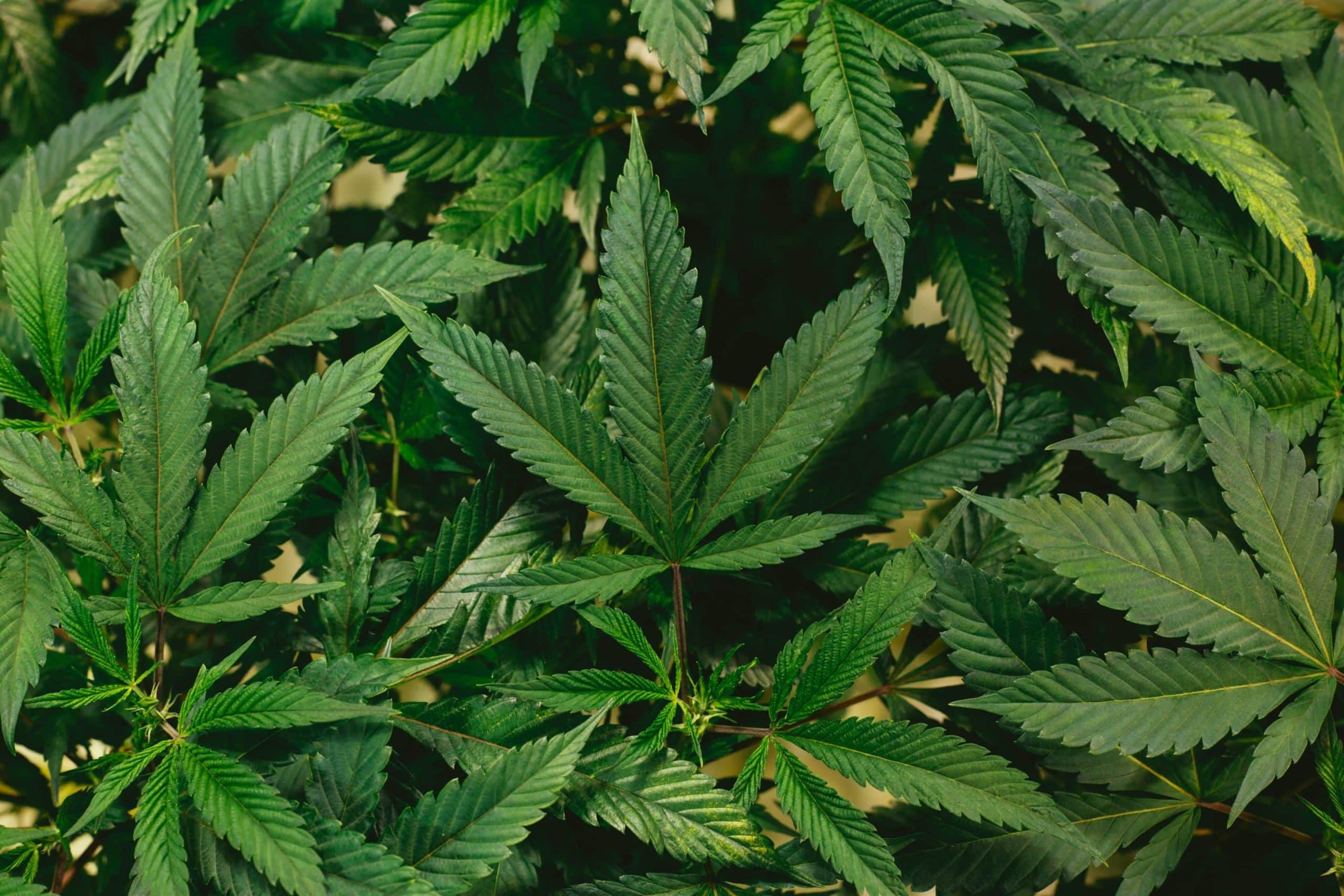
Cannabis, one of the oldest plants used in medicine, has a history rich in cultural, medical and legal implications. Today on the Cannactiva blog, we explain the history of the medicinal use of cannabis and the plant's journey through the years to help humanity.
First evidence of medicinal cannabis use
The medicinal use of cannabis dates back thousands of years. Cannabis is one of the first plants cultivated by humans, with evidence of its cultivation dating back to 4000 BC in China.
In the pharmacopoeia “Pen Ts’ao Ching”, the oldest Chinese medical text to mention cannabis, dating from the 1st century AD, its use is described to relieve rheumatism, gout and malaria (1). This knowledge goes back to the time of Emperor Shen Nung, around 2700 BC.
In Egypt, there are ancient descriptions of hemp or cannabis in a text engraved in the Pyramids of Memphis, dated 2350 BC, where it is mentioned as a plant for making rope. Papyri from 1700 BC, on the other hand, speak of the medical properties of cannabis for treating eye problems, gynaecological disorders and migraines (2).
Spread of medicinal cannabis to India
The medicinal use of cannabis spread from China to India, the Middle East and finally Europe. In India, cannabis was used to treat pain, indigestion, diarrhoea and skin conditions.
The “Sushruta Samhita”, an ancient Indian text, mentions cannabis as a remedy for diarrhoea, catarrh and fever (3).
Meanwhile, the “Atharvaveda”, a text from 1600 BC, classes cannabis as a sacred plant, a bestower of happiness and freedom (4).
Middle Eastern contributions to medicinal cannabis
During the Islamic Golden Age, cannabis also stood out for its medicinal uses. It was mentioned in medical compendia from around AD 1000, such as those of Avicenna, which note that cannabis was used as a diuretic, a digestive and to cleanse the brain.
Years later, in 1464, it was reported that cannabis resin cured a person's epilepsy (5), the first record of cannabis being used for epilepsy.

Africa, America and Europe in the historical medicinal use of cannabis
Muslims introduced cannabis to Europe around AD 1150, through paper made from hemp fibre. Although there is no concrete evidence of its medicinal use until medieval times, it is known that it was part of folk medicine for treating tumours, coughs and jaundice. The text “The Herball, or General Historie of Plantes” (1597) by John Gerard mentions cannabis as a remedy for various ailments (6).
In Africa, cannabis is known to have been present since at least AD 1400, used mainly to treat malaria, childbirth, anthrax, asthma and dysentery (5).
The first cannabis seeds reached America in the 16th century through the African slave trade, as enslaved Africans were already using cannabis medicinally. In Brazil, for example, it was used in rural areas to relieve toothache and period pain (7).

19th century: cannabis in Western medicine
Despite the use of cannabis in different traditions around the world, cannabis was introduced into Western medicine thanks to the work of the Irish physician William B. O'Shaughnessy.
O'Shaughnessy's work, carried out in India over several years, led him to evaluate, describe and introduce cannabis into Western medicine. Among the medicinal applications of cannabis described by O'Shaughnessy, its ability to treat rheumatism, epilepsy and pain stands out. His findings, published in “Transactions of the Medical and Physical Society of Bengal” (1838-1840), influenced the adoption of cannabis in Europe and North America.
One of the best-known anecdotes of the time is that of Sir John Russell Reynolds (1828-1896), physician to Queen Victoria, who prescribed cannabis to relieve the monarch's period pain. Reynolds was an advocate of medicinal cannabis, including for the treatment of epilepsy and pain. He published several articles on its therapeutic benefits and considered it one of the most valuable medicines.
Another prominent figure was Jacques-Joseph Moreau (1804-1884), a French psychiatrist who was one of the first to study the psychotropic effects of cannabis. Moreau travelled to the Middle East to research the effects of hash, and founded the Club des Hashischins in Paris, a meeting place for experimenting with hash.
The use of cannabis began to spread around the world. More than 100 scientific articles supporting the medical value of cannabis were published in Europe and the United States.
The medical indications for cannabis during these years and up to the 20th century were mostly attributed to its sedative, hypnotic and analgesic properties (5).
The decline of cannabis medicine in the 20th century
In Western culture, interest in medicinal cannabis declined due to the varied effects observed from plants grown in different regions and to regulatory restrictions, such as the Marihuana Tax Act of 1937 in the United States. In 1941, cannabis was removed from the US pharmacopoeia (5).
On the other hand, recreational use of cannabis exploded during this century, peaking in the 1960s. A crucial factor was the 1961 Single Convention on Narcotic Drugs. This international treaty, adopted under the auspices of the United Nations, marked an important milestone in shaping global drug policy, including cannabis. The Convention placed cannabis flower and resin among the substances subject to international control, which led to the adoption of strict measures against their production, sale and non-medical use. This treaty has had a lasting impact on legislation and on the social perception of cannabis as a dangerous drug, creating stigma and policies that have restricted individual freedom as well as medical research and the therapeutic use of cannabis.
Although its recreational use contributed to the wave of prohibition and restriction of cannabis in many countries, it also rekindled the scientific community's interest in studying the properties of cannabis and its potential benefits to humanity.

Late 20th and early 21st century
The discovery of the endocannabinoid system in the 1990s and subsequent research underlined the therapeutic potential of cannabis. Mechoulam and Parker (2013), in “Annual Review of Psychology” (8), explore the role of this system in modulating physiological processes, laying the foundations for understanding the medical applications of cannabis.

Raphael Mechoulam deserves further recognition for his pioneering work. This Israeli chemist, often referred to as “the father of medicinal cannabis”, was the first to isolate and synthesise THC (tetrahydrocannabinol), the main psychoactive compound in cannabis, in 1964. His research has been fundamental to understanding how cannabinoids interact with the human body.
Also noteworthy is the work of Lester Grinspoon, psychiatrist and professor emeritus at Harvard Medical School. He was an early advocate of medicinal cannabis after initially being sceptical about its benefits. He published one of the most iconic cannabis books, “Marihuana Reconsidered”, in 1971, a book in which he re-evaluates cannabis and argues for its medicinal use. His work helped change public perception of cannabis at a time when it was heavily criminalised.
Legalisation and medical use of cannabis today
The 21st century has been marked by a wave of legalisation of medicinal cannabis in Europe and in various other regions, driven in part by growing scientific evidence and public advocacy. Its medical use is now legal in numerous countries and states, albeit under strict regulations.
Conclusion
The journey of cannabis, from an ancient medicinal plant to a controversial substance and then to a therapeutic agent, reflects the complexity of its relationship with society and medicine. The historical context and current scientific research offer a compelling narrative about the medical potential of cannabis; nevertheless, the debate over its use and legality will remain an open window to new conclusions.
References
- Li HL, Lin H. An archaeological and historical account of cannabis in China. Econ Bot 1974;28(4):437-47. Available at: https://www.jstor.org/stable/4253540
- Russo E. B. (2007). History of cannabis and its preparations in saga, science, and sobriquet. Chemistry & biodiversity, 4(8), 1614–1648. https://doi.org/10.1002/cbdv.200790144
- Bania G. (2022). Shifts in therapeutic practices and decline of medicinal cannabis in Indian North-Eastern Frontier (1826-1925). Journal of cannabis research, 4(1), 52. https://doi.org/10.1186/s42238-022-00159-4
- Touw M. (1981). The religious and medicinal uses of Cannabis in China, India and Tibet. Journal of psychoactive drugs, 13(1), 23–34. https://doi.org/10.1080/02791072.1981.10471447
- Zuardi A. W. (2006). History of cannabis as a medicine: a review. Revista brasileira de psiquiatria (Sao Paulo, Brazil : 1999), 28(2), 153–157. https://doi.org/10.1590/s1516-44462006000200015
- House of Lords, Science and Technology – Ninth Report. (1998). Chapter 2 – History of the Use of Cannabis. Science and Technology Committee Publications. Available at: https://publications.parliament.uk/pa/ld199798/ldselect/ldsctech/151/15103.htm
- Pinho AR. Social and medical aspects of the use of cannabis in Brazil. In: Rubin V, eds. Cannabis and culture. Paris: Mouton Publishers; 1975. p. 293-302. Available at: https://cannalib.eu/wp-content/uploads/2022/03/Cannabis-and-Culture-1975.pdf
- Mechoulam, R., & Parker, L. A. (2013). The endocannabinoid system and the brain. Annual review of psychology, 64, 21–47. https://doi.org/10.1146/annurev-psych-113011-143739