Rastafarianism: what it is, history, beliefs and the sacred role of ganja
Rastafarianism — or Rastafari culture — is a spiritual, cultural and social movement born in Jamaica in the 1930s.
At its historical core, its followers believe in one God, Jah, and many revere the Ethiopian emperor Haile Selassie I as a messianic or sacred figure.
The word “Rastafari” comes from Ras Tafari Makonnen, Selassie’s name before he was crowned. For them, Ethiopia — Zion — embodies the promised land and African dignity against the oppressive system they call Babylon.
It is much more than dreadlocks, reggae and cannabis.
Out of colonial Jamaica, the movement restored the pride and African roots of the descendants of enslaved people, and championed a simple, free life in harmony with nature: livity.
In this worldview, cannabis — “ganja” — is a sacred plant: a sacrament of meditation and community, not an end in itself.
Today, especially in Europe and in the pop reception after Bob Marley, that faith coexists with a cultural identity — dreadlocks, reggae, the Ital diet, the “One Love” spirit and anti-colonial critique — that many people embrace without following the religious dogma.
A story of faith, resistance and freedom worth knowing beyond the cliché.
What is the Rastafari movement (beyond reggae and dreadlocks)
The Rastafari movement is a spiritual and cultural tradition with monotheistic roots that emerged in Jamaica in the 1930s. Its followers believe in a single God, whom they call Jah, and take the Bible — especially the Old Testament — as their reference, although they interpret it in their own way and reject much of the Western reading of the Scriptures.
Is Rastafarianism a religion? The Rastafari religion versus “livity”
Although people often speak of a Rastafari religion, many of its followers do not identify with the word “religion”, because they associate it with the very system they have historically fought against. They prefer to speak of “livity”: a way of life focused on justice, harmony with nature and inner connection.
From an academic standpoint, the Rastafari religion brings together almost all the ingredients of an organised faith: a God (Jah), a sacred text (the Bible, re-read through an African lens), a messianic figure (Haile Selassie I), its own rituals (prayer gatherings and Nyabinghi drumming), dietary rules (the Ital diet) and even a sacrament (ganja). That is why most scholars describe it as an Afrocentric religion that emerged in the 20th century, one of the youngest in the world.
The difference lies in its form. The Rastafari religion has no church, no clergy and no hierarchy imposing a single dogma: each believer interprets their faith and their relationship with Jah in their own way. This is why many Rastafari prefer to speak of spirituality or of “livity” rather than religion in the traditional sense. Whether as a faith or as a philosophy of life, what is clear is that Rastafarianism completely shapes the way its followers eat, dress, speak and relate to one another.
In fact, many followers prefer to speak of Rastafari rather than Rastafarianism: they reject the “-ism” suffix because it sounds like a closed doctrine and because the name points directly to Ras Tafari. For them it is, above all, a way of life — “livity” — rather than a religion with rules.
It is worth clearing up a couple of preconceptions:
- It is not all about cannabis. The plant is important, but it is just one piece of a much broader worldview.
- It is not a uniform movement. Different “mansions” or branches coexist, each with its own nuances.
The origins of Rastafarianism: from Marcus Garvey to Haile Selassie
To understand Rastafari culture you have to travel back to colonial Jamaica in the early 20th century, a society marked by poverty, racial inequality and the open wounds of slavery.
Even before Rastafari existed, among the Afro-descendants of Jamaica there already stirred Ethiopianism: a current that read the Bible through an African lens and saw in Ethiopia the Zion, or promised land, to which they would one day return. In a country where most of the population descended from African slaves, that idea of pride and return took deep root and set the stage for what was to come.
Marcus Garvey and Pan-Africanism: the seed of Rastafarianism
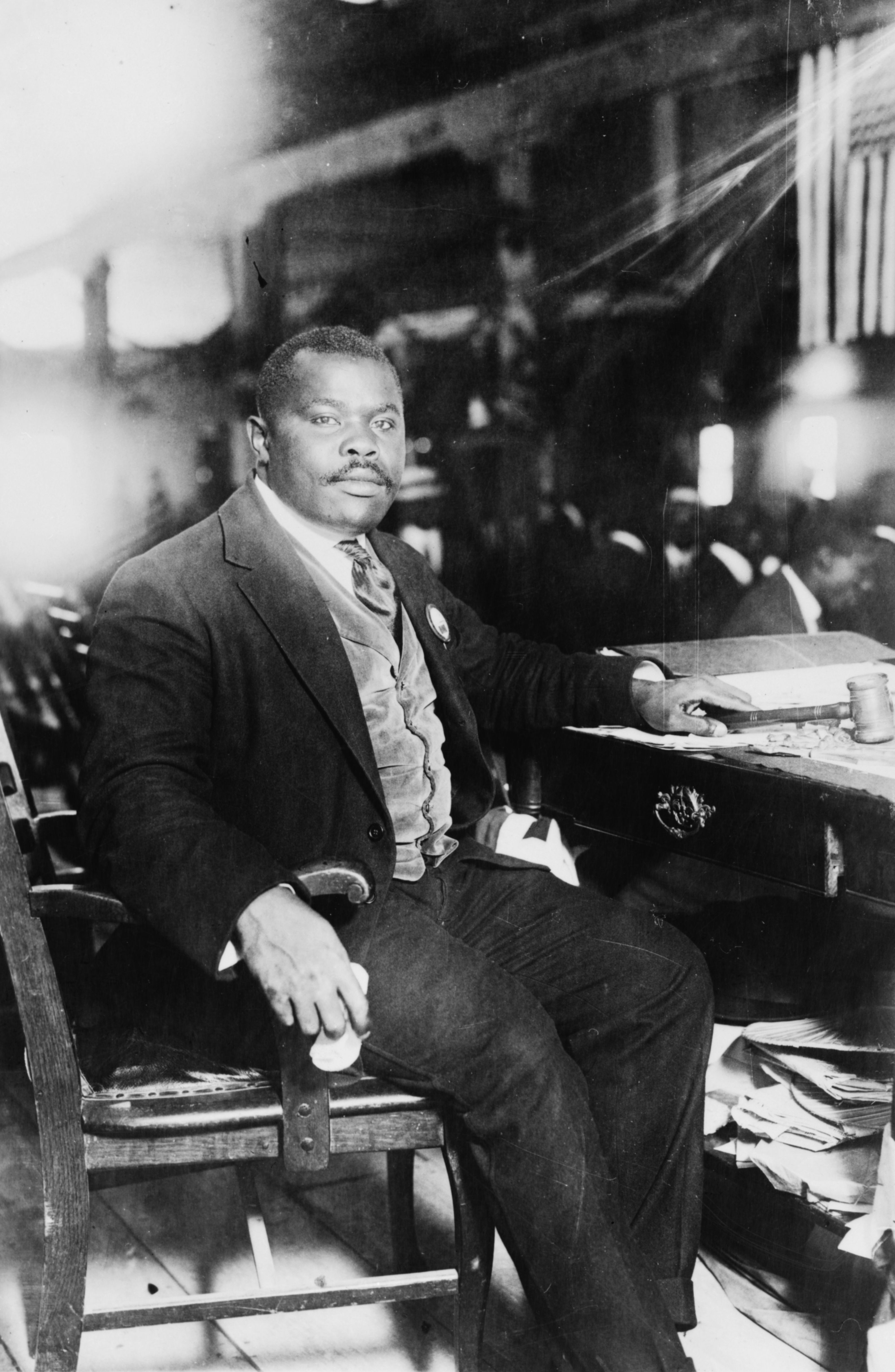
The movement’s ideological father was Marcus Garvey (1887–1940), a Jamaican thinker and activist and one of the great voices of Pan-Africanism. Garvey preached Black pride, self-determination and a symbolic return to Africa, the land of the ancestors.
One of his phrases became almost a prophecy: he announced that “a Black king shall be crowned in Africa” and that this event would mark the redemption of Black people. From his motto “One God, one aim, one destiny” also came the greeting the movement would adopt: “One love”.
Haile Selassie I, the emperor revered as the Rastafari messiah
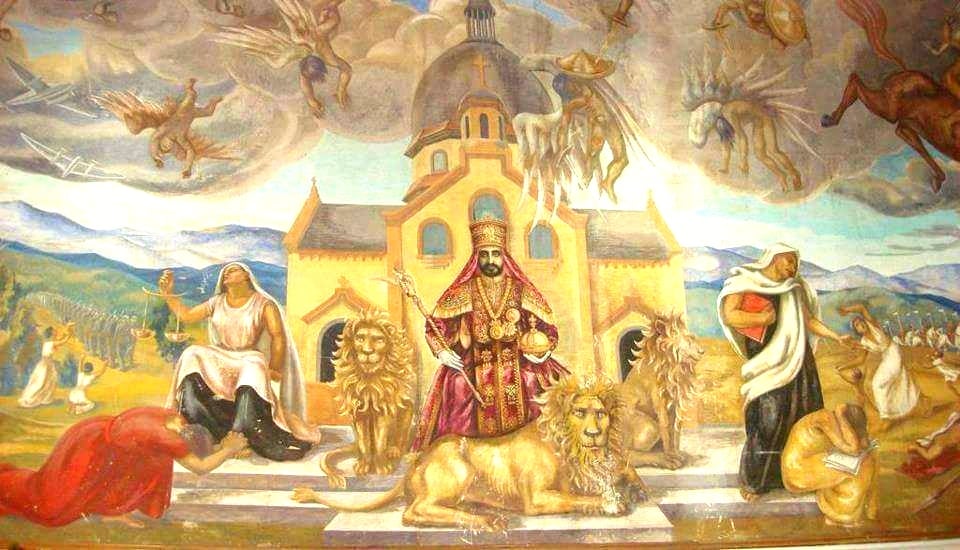
The prophecy seemed to come true in 1930, with the coronation of Ras Tafari Makonnen as Haile Selassie I, Emperor of Ethiopia. For Garvey’s followers, this Black man before whom European royalty bowed was the sign they had been waiting for.
From his name before he reigned — Ras (prince) Tafari — comes the term rastafari. Ethiopia, the only African country never to be lastingly colonised, became Zion, the promised land, and Selassie a messianic figure, the incarnation of Jah on Earth.
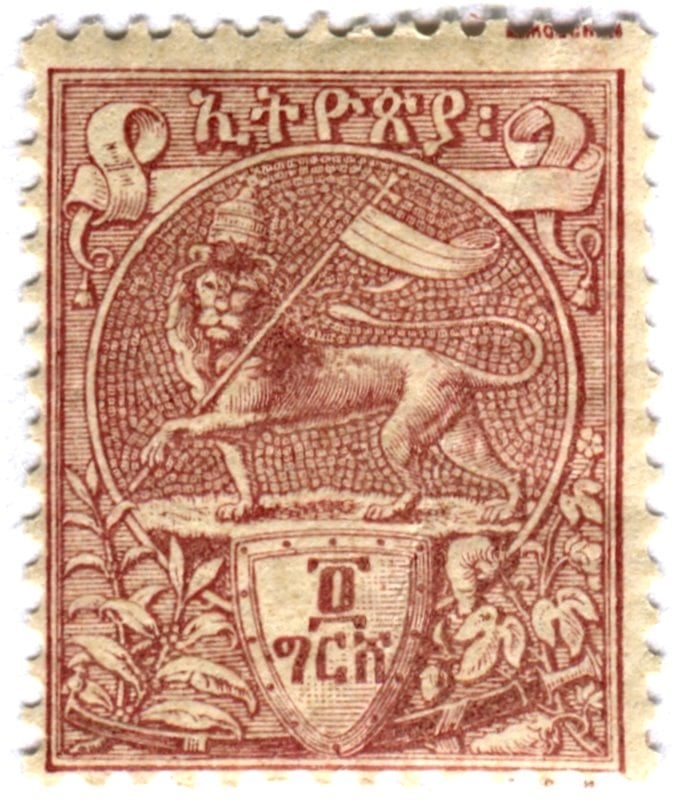
Beyond the myth, Haile Selassie I (1892–1975) was a real, reforming ruler: under his rule — first as regent — Ethiopia joined the League of Nations (1923) and decreed the gradual abolition of slavery (1924), and he sought to modernise the country. He held the title of “Conquering Lion of the Tribe of Judah”, which is why the lion is one of the great Rasta symbols. He reigned until he was deposed in 1974, a year before his death.
Curiously, neither Garvey nor Selassie ever considered themselves Rastafari. The emperor himself, a practising Christian, even told the Rastas that he was not the Messiah. The reply he received, as recorded by the theologian Noel Leon Erskine, was as elegant as it was revealing: “Jesus denied it too”.
Leonard Howell, the first Rasta
If Garvey provided the ideas and Selassie the symbol, it was Leonard Howell who turned it all into a movement. Regarded as the “first Rasta”, he began preaching in the streets of Jamaica in the early 1930s, calling on people to reject the King of England and to follow the Emperor of Ethiopia.
Howell set out the foundations of the movement in his book “The Promised Key” (The Promised Key) and founded the first Rastafari commune, Pinnacle, where the community could live out their faith far from outside pressure. His message cost him dearly: he was arrested for sedition and imprisoned. His story is superbly documented in The First Rasta, by the journalist Hélène Lee (Chicago Review Press, 2003).
Howell’s baton was picked up by new generations. Around 1947 came the Youth Black Faith, an organisation that organised and consolidated the movement’s principles — from the “mansions” to its aesthetics and language — and strongly defended understanding Rastafari as a philosophy and a way of life, not a closed cult.
Persecution and recognition: the history of the Rastafari people
Rastafarianism’s anti-imperialist message clashed head-on with the colonial authorities and, later, with the Jamaican government itself. The movement endured more than three decades of persecution.
The darkest episode was the Coral Gardens incident of April 1963, remembered by the Rastas as “Bad Friday”. After a violent altercation, Prime Minister Alexander Bustamante gave the order to “bring in all Rastas, dead or alive”. The crackdown left at least eight dead and up to 150 detained, many of them tortured and forcibly shaved.
Everything changed three years later. On 21 April 1966, Haile Selassie visited Jamaica and around 100,000 people crowded into Kingston airport to welcome the man they regarded as their god. That historic day is celebrated every year as Grounation Day, one of the most important dates in the Rastafari calendar. From then on, the persecution began to ease.
Institutional recognition came much later. In April 2017, the Jamaican government issued an official apology for the Coral Gardens incident: Prime Minister Andrew Holness acknowledged before Parliament that it had been “a grave injustice” and set up a reparation fund for the survivors. As part of that process, it was announced that Pinnacle — the commune founded by Howell — would be declared a protected heritage site.
How many Rastafari are there in the world?
Today Rastafarianism is a minority yet recognised movement: it is estimated that there are around one million followers worldwide — in Jamaica, the United States, the United Kingdom, several African countries and Latin America — and on its island of origin it is an undisputed part of the national identity.
What Rastafari believe: principles, Jah, Babylon and Zion
Defining Rastafari beliefs precisely is difficult, because they vary between branches. Even so, most share a common worldview that can be summed up in a few fundamental principles:
- One God, Jah: creator of the universe and present in every person.
- Living righteously: love and respect over greed and materialism.
- Reverence for nature: creation is sacred, the work of Jah.
- Family and community as a refuge and the centre of life.
Two concepts underpin this entire worldview: Babylon and Zion. Babylon represents the oppressive, materialistic and unjust system — the legacy of colonialism. Zion, identified with Ethiopia and Africa, symbolises freedom, hope and redemption. Much of Rasta language and music is understood as a form of resistance against “Babylon”.
The Rastafari mansions: Nyabinghi, Bobo Shanti and the Twelve Tribes
Rastafarianism has no hierarchy or single dogma. It is organised into “mansions”, branches that share the essentials but differ in practice. The three main ones are:
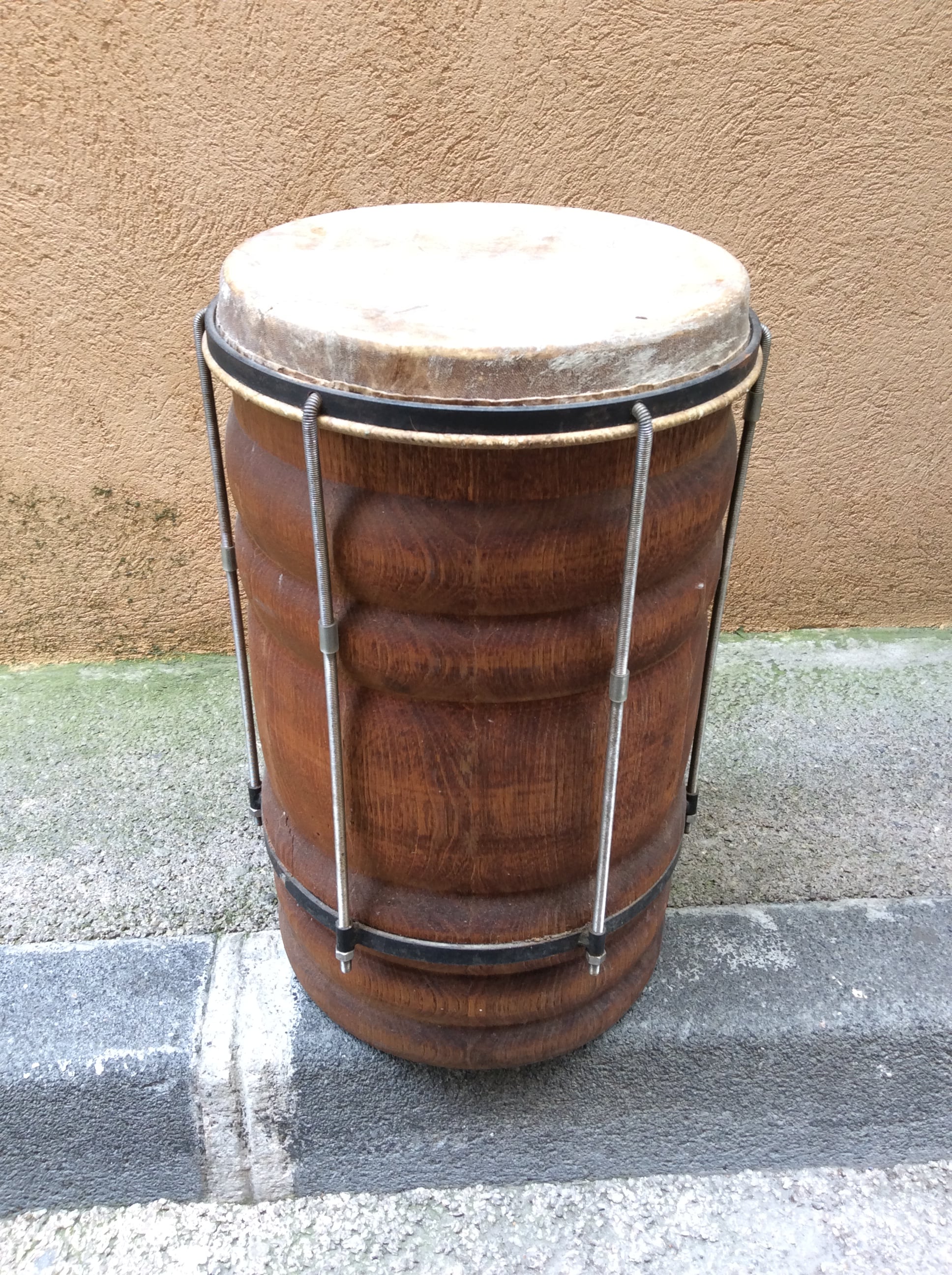
- Nyabinghi: the oldest mansion. Centred on the teachings of Marcus Garvey, it gives drumming and chanting a leading role in its ceremonies.
- Bobo Shanti: the strictest and most disciplined. Its members wear robes and forcefully assert their African roots.
- The Twelve Tribes of Israel: the most open. It associates each biblical tribe with a colour and a musical note, and places the emphasis on love and brotherhood.
Rastafari livity: the Ital diet, dreadlocks and colours
The Rastafari way of life, livity, translates into highly recognisable everyday practices that seek coherence between body, spirit and nature.
The Ital diet, the Rastafari way of eating
The Ital diet prioritises natural, fresh and unprocessed foods, avoiding additives and, often, products of animal origin. It is not identical for everyone — some Rastas are vegan and others more flexible — but it shares one and the same idea: eating in a pure way in order to keep the life force clean too.
Why the Rastafari wear dreadlocks
Dreadlocks are the most recognisable symbol of the movement, but they are not a fashion statement. The Rastafari let their hair grow without cutting it as an expression of respect for Jah’s creation and following a literal reading of certain biblical passages. Their shape also evokes African roots and the mane of the Lion of Judah, a symbol associated with Haile Selassie.
The colours of the Rastafari flag: red, gold and green
The Rastafari colours are not merely aesthetic. Each band carries a deep meaning:
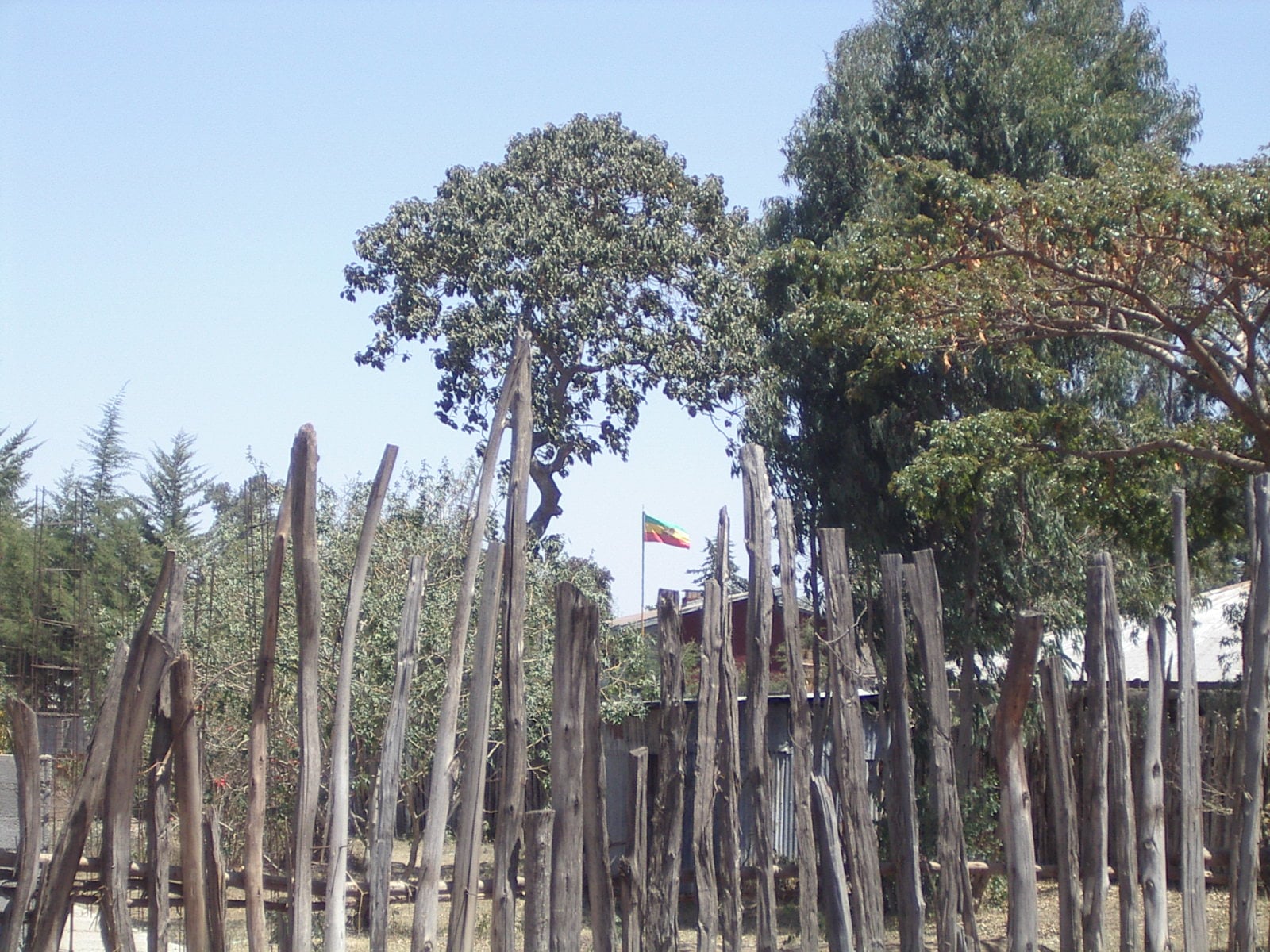
- Red: the blood shed in the struggle for freedom and the life force of the Rasta people.
- Gold: the wealth of Africa and the light of the sun.
- Green: nature, the land and the hope of growth.
The Rastafari language: speaking in code
The Rasta way of life also shows in the way they speak. The Rastafari created their own slang — Iyaric or “dread talk” — to reclaim the English they inherited from the coloniser. Its most famous expression is “I and I”, which recalls that Jah is present in every person and that we are all one; they call their spiritual talks “reasoning”. Because of their appearance and history they are known in many ways: Rastas, dreadlocks or “sufferers”.
Ganja: the sacramental use of cannabis in Rastafari culture
We come to one of the best-known — and most misunderstood — aspects of Rastafari culture: its relationship with cannabis, which they call “ganja”.
A curious note: the word “ganja” is neither Jamaican nor Rastafari, but of Indian origin. It comes from the Sanskrit gāñjā and reached Jamaica around 1845 with the Indian workers the British brought to the island after the abolition of slavery. Rastafari inherited the term and, above all, gave it new meaning: it turned ganja into a sacrament.
Why do the Rastafari smoke cannabis?
For a Rastafari, smoking ganja is not a recreational act but a sacramental one. The plant is regarded as a way to open the mind and draw closer to Jah, a tool for meditation and reflection. These are its three main functions:
- Sacrament: it helps to “open the consciousness” and connect with the divine.
- Harmony with nature: it fits into livity as a natural substance, as opposed to the synthetic and processed.
- Reasoning and meditation: it is used alone for meditation or in communal sessions where the group talks and reflects together.
The use of ganja also explains such distinctive tools as the chalice, the Jamaican water pipe, made from natural materials such as coconut, bamboo and clay, which allows the plant to be used in a way more in keeping with the Ital philosophy.
One point is worth qualifying: cannabis is not compulsory in the Rastafari faith. Some followers do not use it. And although Jamaica recognises the community’s sacramental right to the plant, for decades confiscations and persecution have continued to be part of their everyday life.
This link between cannabis, spirituality and social demands went beyond Rasta culture and took hold in the global cannabis imagination. It is no coincidence that the most symbolic day of that culture, World Cannabis Day, or “420”, shares with Rastafarianism that spirit of community, identity and celebration of the plant.
Beyond its symbolic value, cannabis is a plant with many faces. If you are interested in understanding its two main families and how they differ, we explain it step by step in our guide to the differences between sativa and indica.
Bob Marley and the globalisation of the Rasta message
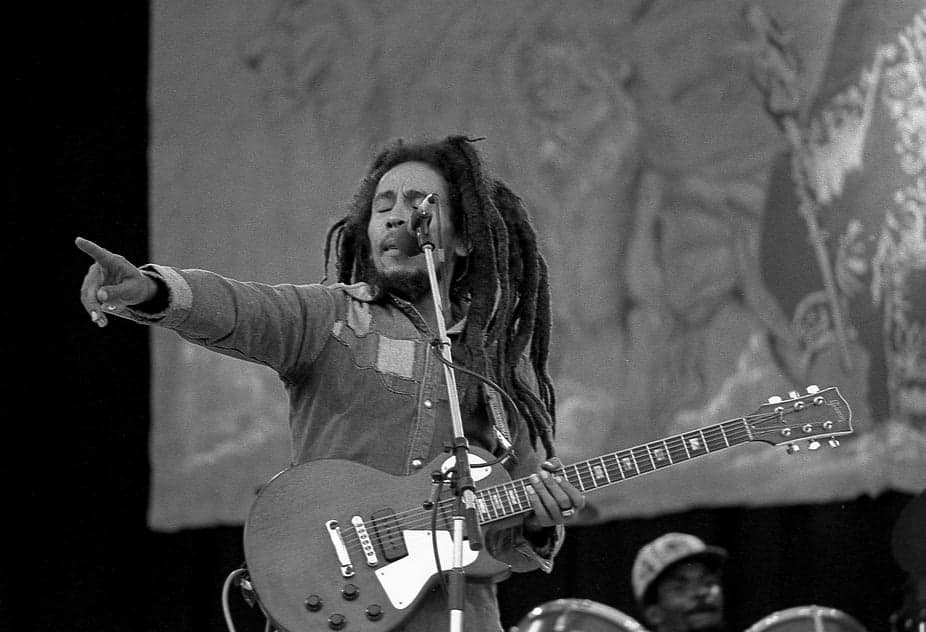
If the whole world knows Rastafari culture today, it is largely thanks to Bob Marley and reggae. The Jamaican musician took the drum — an instrument banned in colonial churches for being considered “savage” — and fused it with the Rasta message, carrying it from the poor neighbourhoods of Kingston to stages across the planet.
Marley turned the Rastafari faith into a universal symbol of peace, racial equality and freedom, and transformed the perception of cannabis at a time when it was fiercely criminalised. His figure is inseparable from the history of the movement. If you want to explore it further, you can read our article on Bob Marley and cannabis, where we look at his biography, his faith and his bond with the plant.
The cultural weight of reggae was sealed in 2018, when UNESCO inscribed the reggae music of Jamaica as Intangible Cultural Heritage of Humanity, expressly recognising the Rastafari community as one of its essential bearers. A genre born in the marginalised neighbourhoods of Kingston thus officially became a treasure for all of humanity.
Rastafarianism today: a living movement
Far from being a relic of the past, Rastafarianism remains very much alive in the 21st century. In its homeland it maintains a highly active agenda of advocacy, while its philosophy of life continues to win over new generations both inside and outside Jamaica.
The demands of the Rastafari people and reparatory justice
In Jamaica, the community continues to demand legal recognition and reparation for decades of discrimination. The Rastafari Mansions and Organisations are pushing for a comprehensive Rastafari Rights and Justice Act to protect them from the abuses they still report in employment, education and healthcare. The campaign has received public backing from Cedella and Julian Marley, Bob Marley’s children, who call for consistency: if Jamaica proudly exports Rasta culture to the world, it must also protect those who created it.
The process of reparatory justice for the Coral Gardens incident is ongoing: following the official apology in 2017, the government has been handing over land to the community to build a care home for elderly Rastas. In the Caribbean, Saint Kitts and Nevis and Antigua and Barbuda have moved ahead of Jamaica in legally recognising Rastafari rights and the sacramental use of cannabis.
Rastafari in Europe: a natural philosophy of life
Beyond Jamaica, the Rastafari message has taken firm hold in Europe and Spain, almost always through reggae and the figure of Bob Marley. But what really resonates today is its philosophy of life: livity — living in harmony with nature — and the Ital diet, plant-based and unprocessed, connect directly with today’s interest in wellbeing, healthy eating and sustainability. In fact, Ital cuisine is regarded as one of the forerunners of the current vegan and plant-based boom.
For many people, embracing the Rasta spirit means holding on to the essentials: calm over stress, community over individualism, respect for the natural over the artificial and a message of peace and unity — the famous “One Love” — that keeps resonating generation after generation.
Frequently asked questions about Rastafari culture
What does the word “rastafari” mean?
It comes from Ras Tafari Makonnen, the name of Haile Selassie I before he was crowned Emperor of Ethiopia. Ras means “prince” or “head”, and from that comes the term that gives the movement its name.
What is Rastafari livity?
It is the way of life of the movement: living righteously, in harmony with nature and in connection with Jah, above dogmas, hierarchies and institutions.
Why do the Rastafari wear dreadlocks?
They let their hair grow without cutting it as a mark of respect for Jah’s creation and because of a literal reading of the Bible. Dreadlocks also evoke African roots and the mane of the Lion of Judah.
What do Babylon and Zion mean to the Rastafari?
Babylon is the oppressive, materialistic system inherited from colonialism; Zion, identified with Ethiopia and Africa, symbolises freedom, hope and the promised land.
Where do the Rastafari come from?
The movement was born in Jamaica, in the 1930s, among the descendants of African slaves. It drew inspiration from the Pan-Africanism of Marcus Garvey and from the coronation of Haile Selassie I as Emperor of Ethiopia in 1930.
Rastafari culture is, at heart, a story of faith and resistance: that of a people who turned adversity into identity and music into a message. Behind the colours, the dreadlocks and the ganja beats a worldview that champions freedom, nature and human dignity. Getting to know it in depth is the best way to look at it with the respect it deserves.
And if that philosophy of living in harmony with nature has sparked your curiosity, at Cannactiva we work with that very same idea: hemp grown with respect for the plant and its environment. You can browse our CBD flower, free of psychoactive effects and within the legal framework for industrial hemp. Each European country has its own rules, and in some, such as the UK, hemp flower is controlled even when its THC content is low.
References
- UNESCO (2018). Reggae music of Jamaica. Representative List of the Intangible Cultural Heritage of Humanity. https://ich.unesco.org/es/RL/el-reggae-de-jamaica-01398.
- Jamaica Information Service (2017). Statement — PM Holness Apologises for 1963 Coral Gardens Incident. https://jis.gov.jm/speeches/statement-pm-holness-apologises-1963-coral-gardens-incident/.
- BBC. Religion: Rastafari. https://www.bbc.co.uk/religion/religions/rastafari/.
- Barrett, L. E. (1997). The Rastafarians. Boston: Beacon Press.
- Lee, H. (2003). The First Rasta: Leonard Howell and the Rise of Rastafarianism. Chicago Review Press.
- Guerrero, A. (2021). ¿Qué o quiénes son los Rastafari? PUEAA, Universidad Nacional Autónoma de México (UNAM). https://pueaa.unam.mx/multimedia/rastafari.
- Ajuntament de Barcelona. El Ras Tafari. Gabinet Postal (Col·lecció Marull). https://ajuntament.barcelona.cat/gabinetpostal/el-ras-tafari/?lang=es.