The history of cannabis: historical uses and current benefits
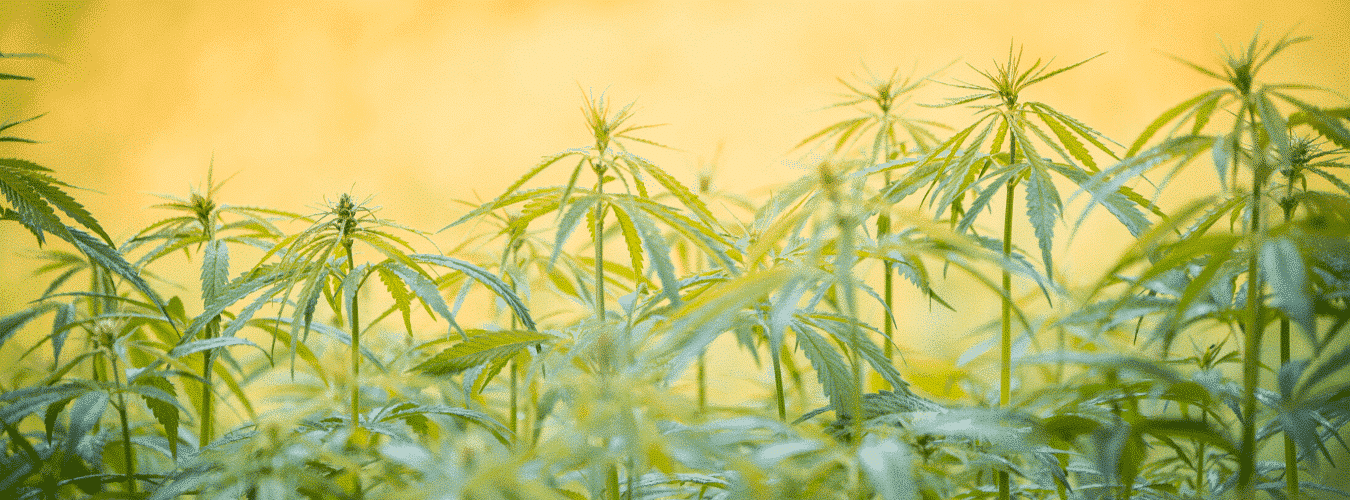
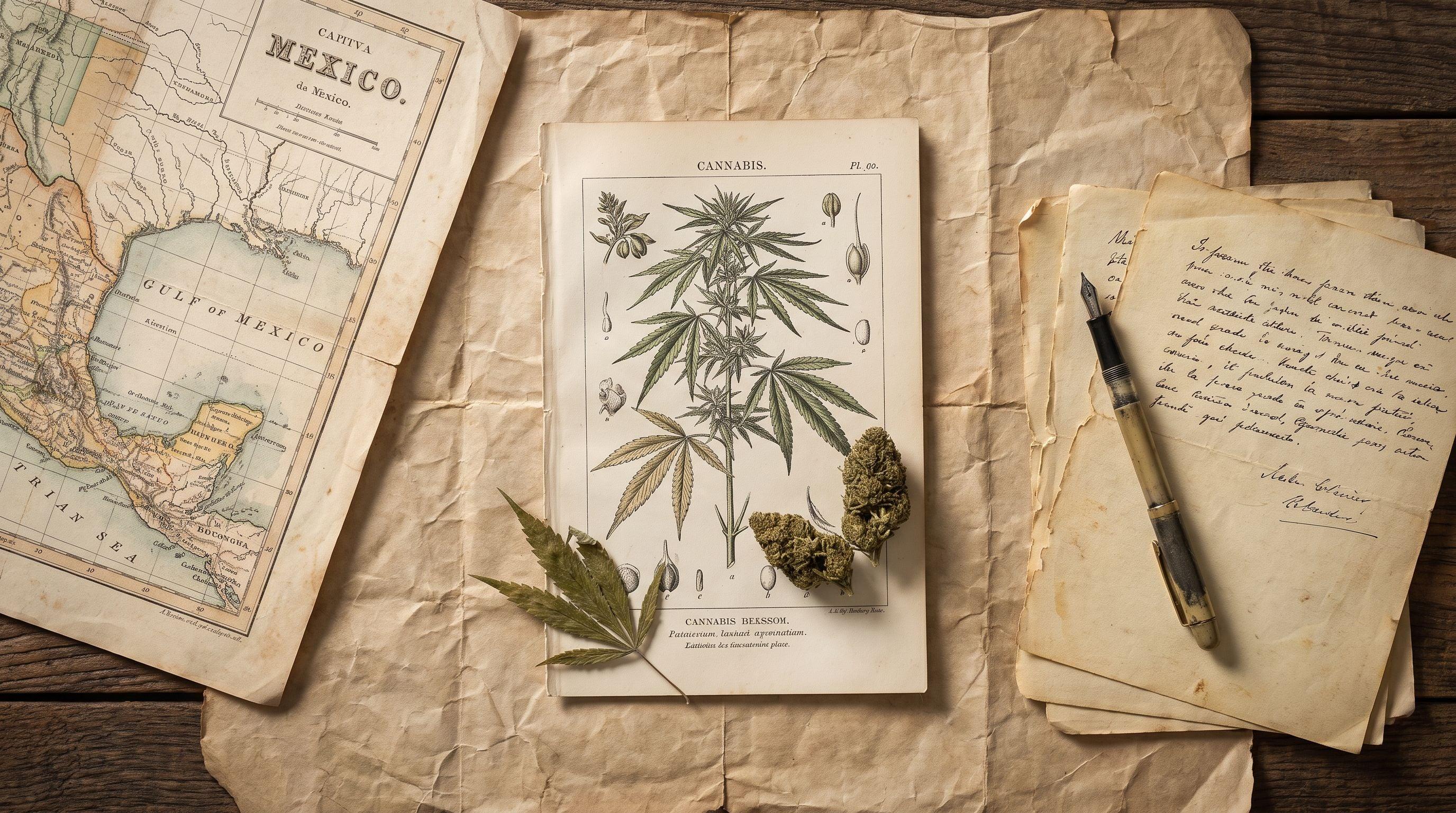
Cannabis is a plant of Asian origin that has been cultivated for thousands of years. Among its many uses, it stands out as a textile material for clothing and rope, for its therapeutic and medicinal use, and as a food. These have been, among many others, the main uses and benefits that humanity has drawn from this powerful plant for centuries.
Today, the Cannabis sativa plant is still a highly productive crop with a great future, used to manufacture building materials and bioplastics, among other sustainable plant-based raw materials, as well as for extracting medicinal cannabinoids, edible oil and more.
Origin of the cannabis plant
We now know that the real origin of cannabis lies in Central Asia, possibly in the foothills of the Himalayas, as supported by biological and biochemical evidence.
The history of cannabis in China and Siberia: medicinal and cultural uses
Many cultures consider cannabis a sacred plant, and it is still used in rituals to this day. Let’s take a closer look at the history of cannabis and how it spread to conquer the world.
The earliest traces of cannabis have been found in ancient burial grounds dating from 5000 to 3000 BC. It possibly originated in the steppes of Mongolia and southern Siberia, where it was often used in shamanism.
The first written reference to hemp appeared around 2800 BC, in the Shen Nong Ben Cao Jing, or book of Materia Medica. During the reign of the Chinese Emperor Fu Hsi, cannabis was a very popular medicine. It was said to cure gout, malaria and rheumatism, and it was used in acupuncture. Around AD 200, the plant was used as an ingredient in the first anaesthetic remedies. By the year 100, the Chinese had already described more than 100 medicinal uses of cannabis!
As well as its therapeutic use, hemp has been used as a textile material and as food, thanks to the high nutritional value of hemp seeds. Other written references to the use of hemp are found in “The Book of Ancient Poetry”, which makes it clear that hemp was often grown in the fields.

“Hemp seed to sow, this is the course we take; the fields far and wide we dress.” The Book of Odes, She-King
The history of cannabis in India: sacred and therapeutic
Through the movement of nomadic tribes, cannabis eventually reached ancient India. The first references can be found in the Vedas, a collection of sacred Sanskrit texts, where it is mentioned as one of the 5 sacred plants.
According to legend, Shiva, one of the main deities of Hinduism, came down from a mountain and gave humanity yoga and cannabis.

There is a well-known story of Shiva, who was named Lord of Bhang because he calmed his anger by keeping himself intoxicated with this food, so the world is safe from his violence.
But what is bhang? Bhang is one of the 3 traditional cannabis preparations. The others are ganja (made from the flowers of female plants) and the most potent preparation, charas (made from the resin of the flowers). Bhang, or bhang lassi, is a mixture of cannabis, milk and other ingredients. It is still used to this day, for example by the Shaiva sadhus (devotees of Shiva, also known as yogis).
Another legend tells of Siddhartha Gautama, or the Buddha, who fasted and meditated under the bodhi tree for six years, eating only 1 hemp seed and 1 grain of rice a day. In Tantric Buddhism, bhang is used together with prayer and helps towards the great liberation. During the Middle Ages, bhang was often taken before battle, for example by Sikh warriors, also known as Nihang. Even during the colonial era, when many things were banned, an exception was made for cannabis, as it was, and still is, such an important part of Indian culture.
Today, bhang is a traditional Indian food made with leaves of the hemp plant. It is worth mentioning that the plant grows wild in the country.
The history of cannabis in the Middle East: a sacred and spiritual plant
In the 6th century BC, when the prophet Zoroaster founded the Zoroastrian faith, cannabis was mentioned as a sacred plant.
In the “Zend Avesta”, a collection of religious texts, hemp appears alongside 10,000 other medicinal plants. Here too, priests took bhang for spiritual journeys.
In later centuries, after the spread of the Islamic faith, Sufis used cannabis and other stimulants such as coffee to reach a higher state of consciousness. Fuzuli, a Sufi poet, wrote:
“Hashish is the perfect being, sought by humanity with great enthusiasm; it may not be the perfect being for everyone, but it certainly is for the seeker of mystical experience.” Fuzuli
Another legend has it that the Nizari warriors of Syria used hash to focus better on their targets and get in tune with their body movements. They are said to have often eliminated high-ranking figures, which earned them the name Hashishins. This is possibly the origin of today’s word assassin.

The influence of cannabis on the history of ancient Greece
The word cannabis is actually a Greek rendering of a Scythian word. The Scythians were a nomadic tribe who also lived among the ancient Greeks. According to Herodotus, a Greek historian, the Scythians used cannabis as a textile plant to make clothing and in funeral ceremonies. Cannabis slowly made its way into Greek culture.

Scythian fire, an incense possibly made from cannabis, was used in the cult of Asclepius, the god of medicine. Physicians may have used the plant to treat inflammation and even tumours.
The Thracians, another nomadic tribe who lived among the Greeks, had shamans called “Kapnobatai”, or smoke walkers. They went into a trance through dancing and burning cannabis. Other tribes even threw cannabis onto the flames to intoxicate themselves during festivities.

The history of cannabis in ancient Egypt: rituals and medicine
In ancient Egypt, cannabis was called “Shum Shum Tu”, which translates as “the medical cannabis plant”. Cannabis was often used both in rituals and in medicine. The discovery of hemp fibres suggests that it was used as a textile plant for clothing and rope.
Hemp pollen has also been found in the tomb of Ramesses II. In one of the oldest medical texts, the Ebers Papyrus, the plant was used in ointments for inflammation and other illnesses. Seshat, the goddess of wisdom and knowledge, was depicted with a hemp leaf above her head.
The plant’s popularity reached a peak; however, around the 14th century, attitudes towards hash changed and possession was punished by having one’s teeth pulled out.

The history of cannabis in Europe: from its introduction to its prohibition
Uses of cannabis in ancient Rome
Cannabis reached ancient Rome. Around AD 70, it was mentioned in Dioscorides’ “Materia Medica”, a medical text that listed it as a treatment for earache. When the root was boiled, it was also used to treat gout and arthritis. Eventually the Germanic tribes got hold of cannabis seeds and also began to use it in their diet, as medicine and for clothing.


Encountering cannabis on journeys to the East
Cannabis came back into Europe centuries later, by several different routes. Jan Huygen van Linschoten, a 16th-century Dutch explorer, came across cannabis on his travels to the East. During his expeditions, Linschoten had the chance to learn about cannabis and its uses from local cultures. His reports were among the first documented records of the plant in Europe, and laid the groundwork for its later spread across the continent.

The Hashishins Club and its influence in France
In the 19th century, Napoleon’s army brought hash back to France, this time from Egypt. By the mid-1800s, hash had become very popular, and the “Hashishins Club”, or “Club of Hashish Eaters”, was born. This club, frequented by illustrious figures such as Charles Baudelaire and Alexandre Dumas, explored the effects of drugs and contributed to the growing popularity of cannabis at that time. As we saw in an interview with an expert on cannabis policy in France, this cultural influence is still evident in the country.

The medical discovery and Queen Victoria’s use of cannabis
In 1839, the Irish physician William Brooke O’Shaughnessy discovered the medical uses of cannabis in India and decided to bring it back to Europe. It is said that even Queen Victoria used cannabis to relieve her period pains.
Cannabis became a popular plant for many reasons, but sadly it was banned in the United Kingdom in 1928, following the International Drug Conference in Geneva. To this day, it remains illegal in many European countries, although some, such as Malta, Luxembourg and Germany, have legalised adult use, and others, such as the Netherlands, Portugal and Spain, tolerate or have decriminalised its use.

The Beatles’ first joint and other iconic moments
The music world has been a stage on which cannabis has played an important role. One iconic moment was when the Beatles smoked their first joint in the 1960s, which marked a milestone in popular culture and in public acceptance of the plant. This event symbolises the start of a cultural revolution and the desire to explore new experiences.
The history of cannabis in the United States: from colonisation to legalisation
The beginnings of cannabis in the United States: arrival and early growing
Through Spanish and English expansion, the hemp plant reached the shores of what is now the United States in the 1500s and 1600s. Farming in the South American colonies, and later in Jamestown, became widely commercial alongside tobacco. George Washington even suggested “making the most of it and sowing it everywhere”.
Hemp is also depicted on the back of the old $10 note. It is said that James Madison came up with the idea of forming a new, democratic nation thanks to hemp. Fitz Hugh Ludlow, an American writer and explorer, wrote the book “The Hasheesh Eater”, based on his experiences of eating cannabis. It was a very widespread plant! Even medicinal uses were common. The United States Pharmacopeia (a compendium of drug information) approved cannabis for many different illnesses, such as tetanus, typhus, alcoholism and opiate addiction! Cannabis was named the billion-dollar crop.
Cannabis prohibition: propaganda and restrictive policies
Sadly, all this changed in the early 1900s. As the American Medical Association (AMA) consolidated its position, hefty licensing fees were introduced for doctors, and many herbal healers could not afford them. Shortly afterwards, the AMA held a monopoly over the medical industry. Cannabis was banned in California and Massachusetts, among other states.
During the Prohibition era, even the states joined in banning cannabis. Even so, people found ways to smoke and use cannabis. So-called “tea pads” became very popular in Harlem.

William Randolph Hearst’s influence on cannabis prohibition
William Randolph Hearst, a businessman who controlled most of the media, felt threatened by hemp production and began spreading propaganda against cannabis. He used the influx of Mexican refugees from the Mexican Revolution and claimed that “Mexican immigrants who smoked cannabis violently raped women”.
Fear was spreading. A small church group wrote “Tell Your Children”, which later became the anti-cannabis film “Reefer Madness”. Hearst began lobbying politicians to win them over to his cause.
Harry J. Anslinger and the Marihuana Tax Act of 1937
Among them was Harry J. Anslinger, the first commissioner of the Federal Bureau of Narcotics (FBN for short), essentially a forerunner of the DEA. Together, they managed to pass the Marihuana Tax Act in 1937, which ended up criminalising the possession of cannabis unless you could pay a substantial tax.
This weakened the hemp industry even further. The AMA did not support the Act. Dr William Creighton Woodward said: “‘Marihuana’ is not the correct term, but the burden of this bill falls largely on the doctors and pharmacists of this country.” Unfortunately, the law was passed very quickly and its opponents had no time to prepare. However, that does not mean they gave up.

In 1938, the Mayor of New York City, Fiorello La Guardia, appointed a committee to study the bill in order to oppose Anslinger. The La Guardia Committee concluded that cannabis was good medicine. The attempt was unsuccessful.
The Second World War and the boom in hemp production
During the Second World War there was a sharp rise in hemp production for industrial use, driven by the Department of Agriculture and the army. This “high” was short-lived, and cannabis was officially removed from all medical textbooks.

The 1960s: the popularity of cannabis and the legal challenges
In the late 1960s, cannabis became popular among the youth movements of the time, but it remained illegal. Timothy Leary, a Harvard professor, was arrested for possession and decided to challenge the tax law. In 1969 the Supreme Court ruled that the Marihuana Tax Act was unconstitutional and struck it down.
Congress’s harsh response was to pass the Controlled Substances Act in 1970, which kept cannabis illegal and led to the creation of the United States Drug Enforcement Administration (DEA).
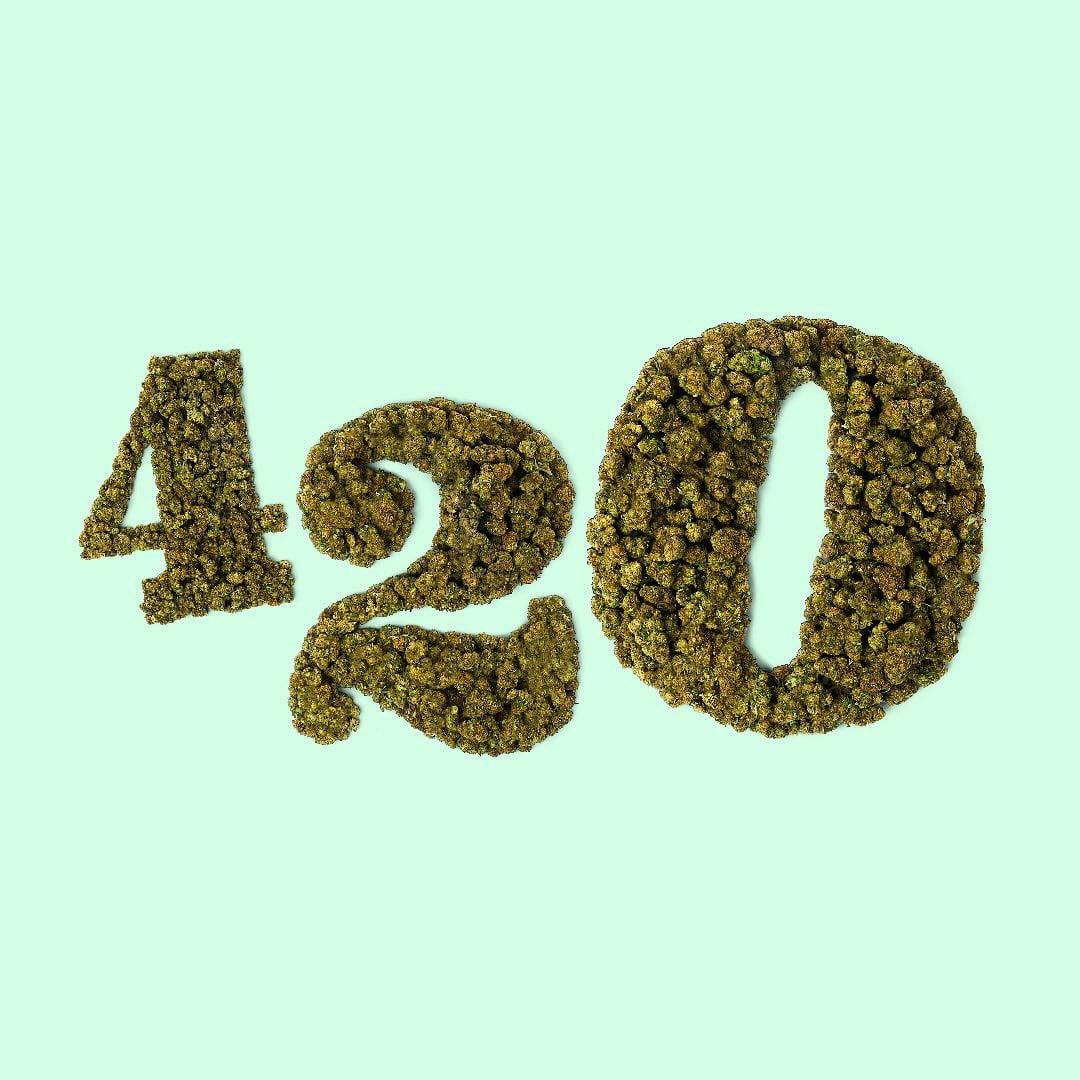
At that point in history, somewhere in California, a small group of students used to meet at 4.20pm to smoke cannabis. That is the origin of the meaning of 420, World Cannabis Day, which is celebrated on 20 April (4/20 in the US date format).
Pioneering states in the decriminalisation and legalisation of cannabis
Fortunately, some states, such as Oregon and Alaska, decided to decriminalise the plant. Even the Shafer Commission, set up by Richard Nixon to justify the law, advised that cannabis use be decriminalised. The president chose to ignore this. Anti-drug messages were spread for a long time, and cannabis has remained illegal to this day. These days things are slowly starting to change. More than 20 states in the United States allow the sale of medical cannabis and, in 2014, Colorado fully legalised cannabis for personal use. Sadly, it is still illegal under federal law, so carrying out studies and research on cannabis remains very difficult.
Cannabis in the Bible and Rastafarian belief
In the original Hebrew scriptures of the Judaeo-Christian Bible, cannabis was referred to as Kaneh Bosum. Dr Sula Benet, a Polish anthropologist, discovered that Kaneh Bosum had been mistranslated.
The first translation of the biblical plant was “Acorus calamus”. After realising that Acorus calamus, commonly known as “sweet flag”, had none of the effects mentioned, she corrected the translation to cannabis. Kaneh Bosm actually appears several times in the Old Testament.
*22 Moreover the Lord spoke to Moses, saying: 23 Take also for yourself the finest spices: of flowing myrrh five hundred shekels, and of fragrant cinnamon half as much, two hundred and fifty, and of fragrant cane two hundred and fifty, 24 and of cassia five hundred, according to the shekel of the sanctuary, and of olive oil a hin. 25 And you shall make of these a holy anointing oil, a blend of perfume, the work of a perfumer; it shall be a holy anointing oil.*The Bible
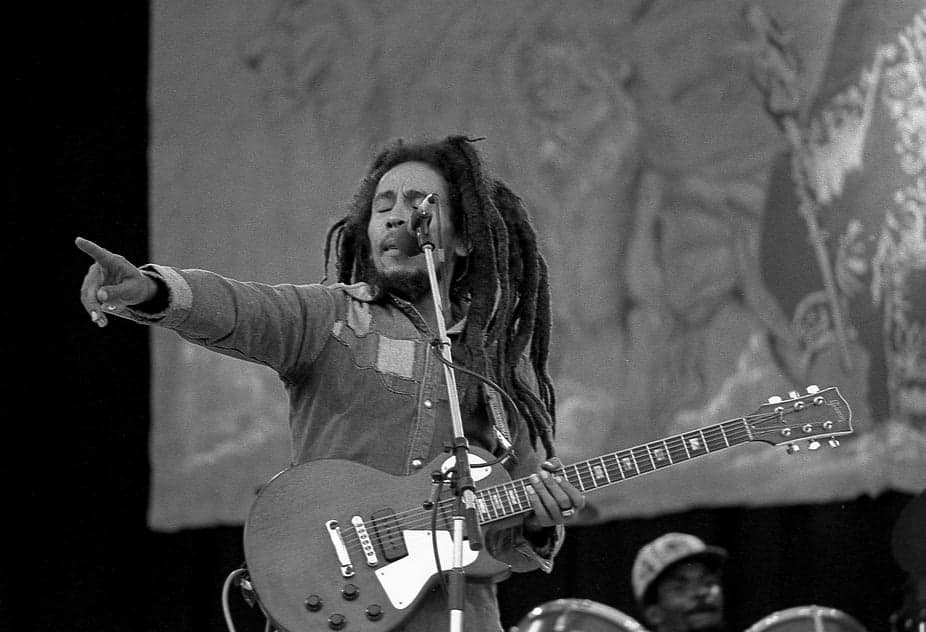
Even Rastafarian belief draws on the plant’s mention in the Old Testament. Ganja was introduced by Indian servants in the 19th century, and Rastafarians believe that this plant can heal the nations and bring them closer to Jah.
The modern history of cannabis: the present day
The modern history of cannabis has been marked by a significant change in how the plant is perceived and in its legal status in several countries around the world.
As more countries and states recognise the medical benefits and economic opportunities associated with cannabis, more flexible regulations are being brought in, some of which even include cannabis use for recreational purposes. For example, in the European Union there have been voices in favour of the decriminalisation of cannabis, France has allowed the sale of CBD flower, and Switzerland is a pioneer in the sale of CBD cannabis. Each country sets its own rules, though: in some, such as the UK, hemp flower is controlled even when its THC content is low.
One of the most notable transformations has been the move towards legalising cannabis for medicinal and recreational purposes. Several countries have passed laws allowing the therapeutic use of cannabis (usually extracts such as CBD oil, but in some countries also cannabis buds) to treat various medical conditions, such as chronic pain, epilepsy, cancer and post-traumatic stress disorder, among others.
What’s more, many countries, such as Canada and Uruguay, and several US states have gone a step further and legalised cannabis for recreational use, allowing adults to use the plant freely. Cannabis dispensaries are now the shops of choice for many users.
Meanwhile, hemp is emerging as a highly sustainable and useful crop for producing a wide range of eco-friendly materials: from “hemp wood” to “hemp concrete” and bioplastics. More than 10,000 possible uses of this plant are known, which makes it undeniably promising for the future.
The future of cannabis: medical and legal advances
In short, the cannabis industry is booming, with steady growth in the production, distribution and sale of cannabis-related products. What’s more, scientific research is increasingly uncovering the therapeutic potential of cannabinoids and the importance of cannabis in the field of medicine.
Little by little, cannabidiol (CBD) is taking its rightful place. Early studies show promising properties for various medical and skincare treatments, such as anxiety, depression, pain, inflammatory diseases, dry skin, skin conditions and much more.
Humanity’s connection with hemp has lasted throughout the centuries. It has been recognised as a tremendous medicinal plant with many benefits for health and ecosystems, and as a textile solution, as well as a hugely important eco-friendly raw material for building materials, bioplastics and modern materials. With laws changing these days, we can look forward to countless applications and a bright future.