*Cannabis sativa, *the cool plant
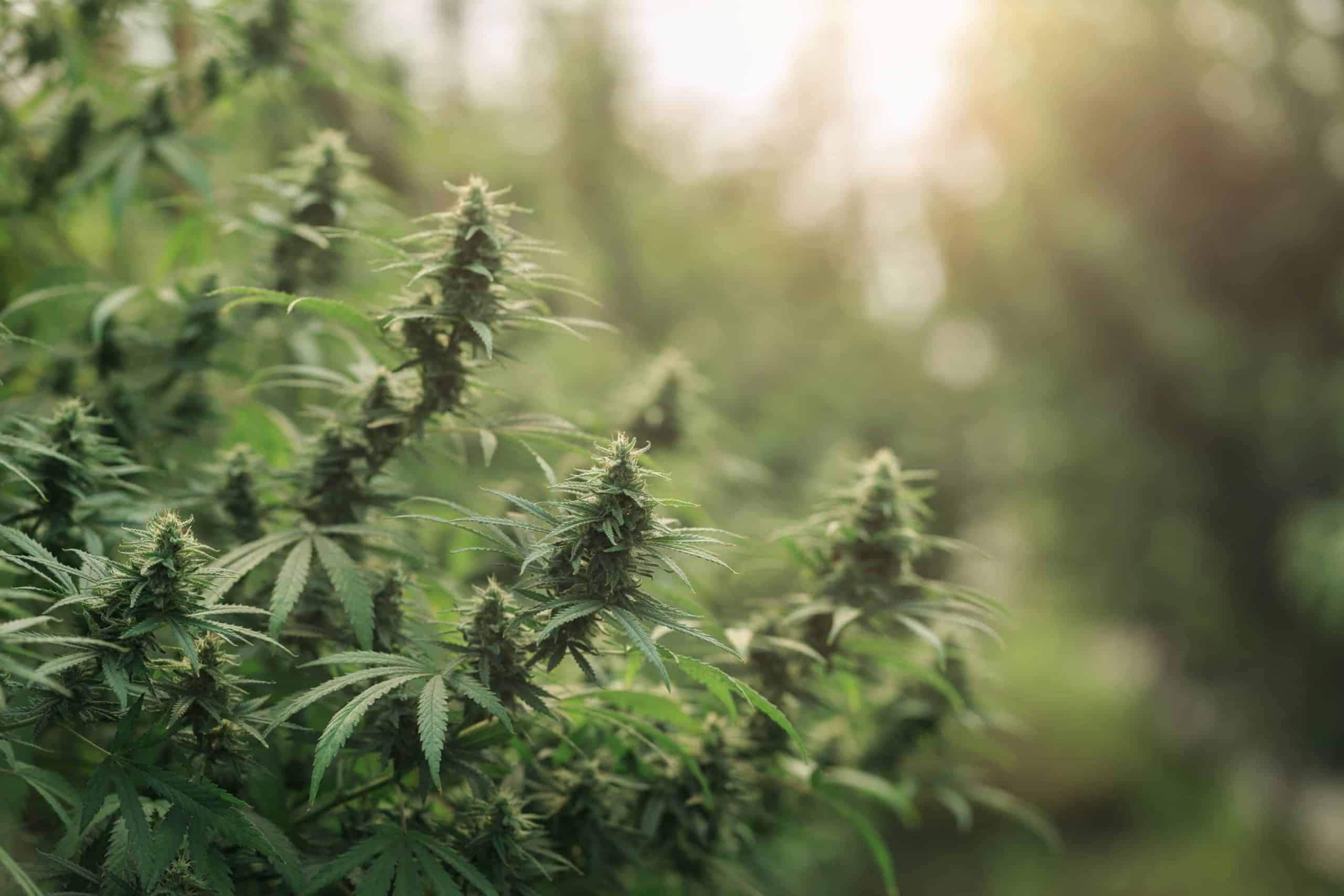
Cannabis sativa is the scientific name of a multifaceted, world-famous plant. Some people will know it because it is the source of the marijuana plant, others because of hemp flower. The Cannabis sativa plant can be used as an intoxicant or as food, medicine or building materials, and it can be legal or illegal. And if you are looking for top-quality flower, take a look at our guide to the best CBD buds, selected by Cannactiva.
In this post you'll find a real handbook on the Cannabis sativa plant and all the secrets of this intriguing plant. Find out why it is so extraordinary!
What is the Cannabis sativa plant?
Cannabis sativa is a plant species belonging to a family of angiosperms – the plants that produce flowers – called Cannabaceae [1]. This family also includes the hop plant (Humulus lupulus), an essential ingredient in beer and the genus closest to Cannabis sativa, as they share an ancestor from which they diverged around 27 million years ago [2, 3].
What is the origin of the Cannabis sativa plant?
Everything suggests that the *Cannabis sativa *plant originated in Central Asia and was domesticated more than 10,000 years ago [2, 3]. In China they had a multitude of uses for every part of the plant, including its fibre for textiles, its seeds for extracting oil, food, and medical uses, as an anaesthetic, for example [4]. The Egyptians used the plant for eye treatments, and the ancient Indians to treat diarrhoea and in spiritual ceremonies [5]. In other words, these ancient cultures used the hemp plant for its fibre and grain, and the marijuana plant for its psychoactive effects.
If you want to dig deeper into the historical uses of cannabis, we invite you to read our post on the history of cannabis.
Are hemp and marijuana the same Cannabis sativa plant?
Yes, hemp and marijuana are the same plant. That is why many people are still confused: they never quite understand the difference between the marijuana plant and hemp, an illegal drug or a legal plant. The crux of the matter is that the Cannabis sativa plant is quite versatile: it shows enormous genetic and phenotypic variety, which is why specimens as different as hemp and marijuana derive from it.
The Cannabis sativa plant shows extraordinary genetic and phenotypic variability, which is why specimens as different as hemp and the marijuana plant derive from it.
Hemp and marijuana are names for groupings within the Cannabis sativa plant, and there are differences between these groups. For their part, industrial hemp plants are grown to obtain their fibre and grain [6], which can be used for textiles, building material, food, clothing or rope, among other things. This is why these plants tend to be tall with long, slender stems [7] and produce seeds, so pollination is essential.
You can find out more in our post on the benefits of hemp for the environment and its use in eco-friendly materials.
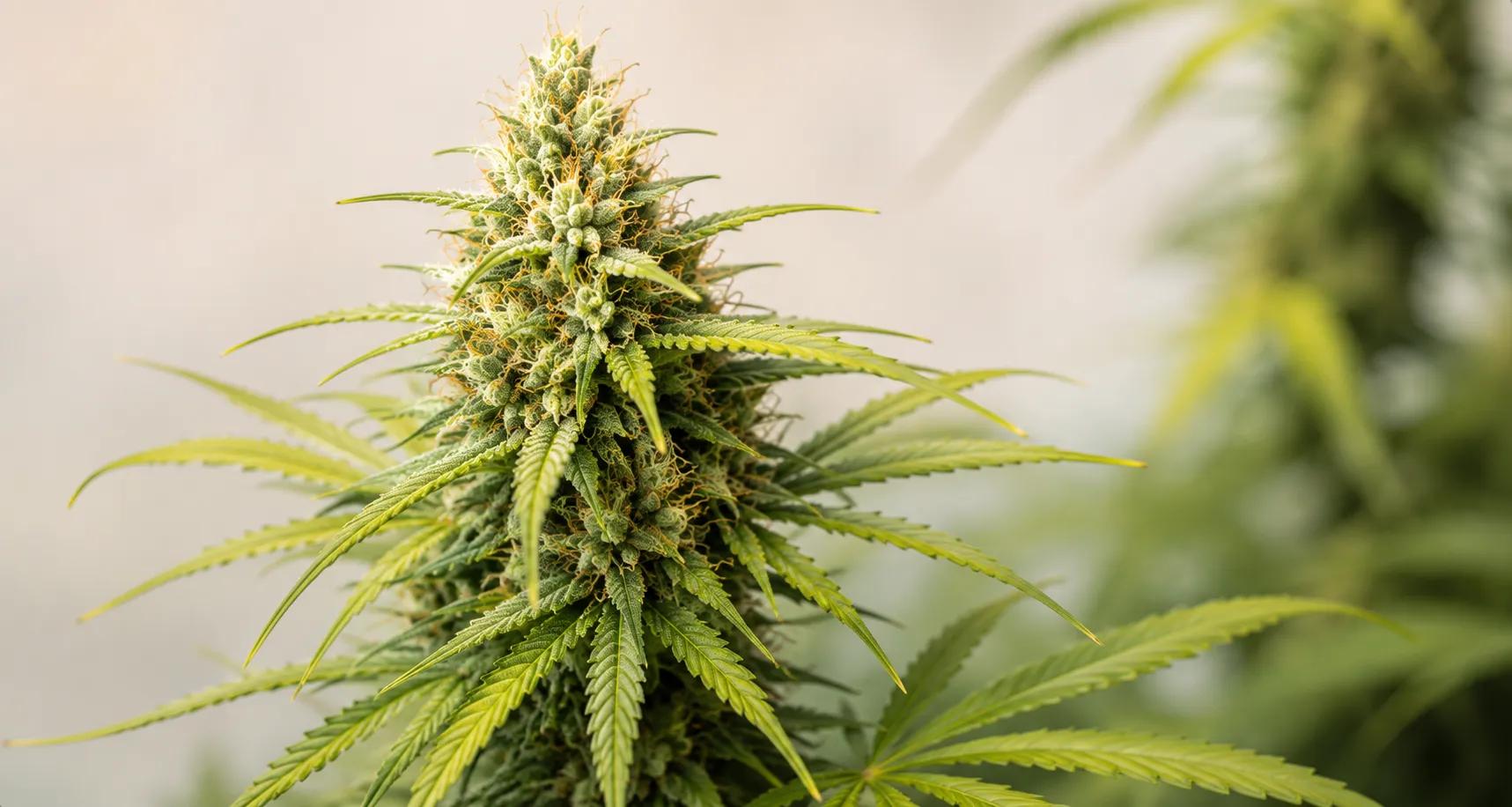
By contrast, marijuana plants are shorter, with thick stems [7], and they are grown for the marijuana flower produced by the female plant, the bud, which is rich in trichomes [8, 9]. Trichomes, from the Greek for “hair”, are tiny filaments where the plant produces compounds such as cannabinoids and terpenes [10].

Differences between hemp and marijuana
One of the main differences between marijuana and hemp is that the former is grown for the presence and amount of certain compounds, particularly the cannabinoid THC, while the latter is grown to obtain fibre and/or seeds. The Cannabis sativa plant has different strains depending on the intended purpose.
To learn much more about this fascinating topic, don't miss our post on the differences between hemp and marijuana.
CBD cannabis: the legal marijuana plant
Marijuana plants generally contain high levels of THC and are classed as a drug that is illegal to grow for recreational purposes in most countries of the world. However, there are Cannabis sativa plants that, although called hemp, are closer to marijuana than to industrial hemp. This is the case with some strains of CBD cannabis, which give us CBD flower, or CBD weed [11-13].
Because it contains very little THC, CBD cannabis flower is legally classed as hemp, even though the plants are genetically closer to marijuana than to industrial hemp. So we have a legal definition of Cannabis sativa based on the plant's THC content, which groups together as hemp both the varieties grown for fibre and grain and the cannabis strains without THC.
Cannabis sativa and its legal classification: it's not a botanical question!
What decides what counts as legal hemp and what counts as illegal marijuana? The legal status of Cannabis sativa is not necessarily governed by the plant's biology. The Cannabis sativa plants used to obtain CBD have more in common with marijuana than with industrial hemp, but they are legally defined as hemp because of their low THC content. In fact, they could be considered a type of low-THC marijuana.
Botanical classification of Cannabis sativa
There are several groupings within the single species *C. sativa, *and some propose subspecies, so the nomenclature has been a point of controversy [15, 16]. It is currently accepted that Cannabis sativa L. is a single species, and so far research supports this hypothesis [2, 3, 14].
Depending on its phenotype, the plant is either marijuana or hemp. Certain regions of the plant's genome are also quite diverse [12, 17, 18]. This is why the plant can have so many different commercial uses.
The plant species C. sativa has a great deal of diversity in its genome (DNA) and its physical appearance (phenotype). For these reasons, it can be put to a hundred different uses.
Types of Cannabis sativa
Beyond its botanical classification, some people distinguish between “sativa” and “indica” cannabis according to their effects on the body. The *C. sativa *plant is a single species with groupings within it, so the commercial names ‘sativa’ and ‘indica’ are not botanical designations. If you want to know more, read our post on the differences between sativa-effect and indica-effect cannabis. We also have a post on Kush cannabis.
Components of the Cannabis sativa plant
The C. sativa plant produces a huge number of compounds, including cannabinoids, terpenes and flavonoids, among others. The best-known compound is perhaps THC, or Δ-9-tetrahydrocannabinol (delta-nine-tetrahydrocannabinol), because it is the most abundant in the marijuana plant and the one with the longest history of medicinal use and legal implications where cannabis is concerned. In reality, though, there are around a hundred cannabinoids.
The plant produces THC in its acid form, THCA or Δ-9-tetrahydrocannabinolic acid (delta-nine-tetrahydrocannabinolic acid); when heated, this turns into the neutral form, THC, through a chemical process called decarboxylation. THC is psychoactive: it is the compound that produces the high, the feeling of being “stoned”.
Another well-known cannabinoid is CBD or cannabidiol, which, like THC, the plant produces in an acid form, CBDA (cannabidiolic acid), and which also turns into its neutral form, CBD, with heat.
Therapeutic uses of the Cannabis sativa plant
Both THC and CBD have therapeutic potential [23-25], such as treatments for pain, epilepsy, nausea and vomiting, among others [23, 26, 27]. This potential needs medical and scientific exploration, which several researchers are currently carrying out. As well as cannabinoids, the terpenes in Cannabis sativa also have medicinal potential, including anti-inflammatory, analgesic and antimicrobial properties [28-31].
The cannabinoids and terpenes of the Cannabis sativa plant promise to have important therapeutic uses.
Effects of the Cannabis sativa plant
In general, the effects of consuming C. sativa can vary, but they fall into two fairly broad categories: sedative or energising. Although the names sativa and *indica *cannabis are associated with these two categories of sensations, we know that these names are not related to the plant's chemotype [32-35] or to its genotype [11, 12, 14].
The plant's effect may be produced by all its compounds acting together, something known as the entourage effect [36-39]. Because the plant produces so many compounds, and their proportions and combinations differ from strain to strain, it is normal to notice different effects when consuming different cannabis strains.
Curiosities and open questions still to be researched about the Cannabis sativa plant
In the future, through double-blind experiments (where neither the experimenter nor the subject knows the procedure), we will understand whether chemotype is linked to effects.
For now, a great many questions remain unanswered: Does the effect of cannabis on people differ depending on the plant's chemotype? Does the effect differ more because of the plant's chemotype than because of the person's phenotype (e.g. sex, race, age)? Does the effect differ more because of the plant's chemotype than because of other environmental factors in the consumer (e.g. hours of sleep, physical activity, diet, state of health, mental health)?
I'll leave you with the questions I constantly ask myself about this cool little plant, which has led to a war on drugs, social stigma, cultural rites and ceremonies, and lately to a worldwide explosion of legalisation, with a multi-billion-dollar global industry. Until next time!
References
1. Bell, C.D., D.E. Soltis, and P.S. Soltis, The age and diversification of the angiosperms re-revisited. American Journal of Botany, 2010. 97(8): p. 1296-1303.
2. Ren, G., et al., Large-scale whole-genome resequencing unravels the domestication history of Cannabis sativa. Science Advances, 2021. 7(29): p. eabg2286.
3. McPartland, J.M., W. Hegman, and T. Long, Cannabis in Asia: its center of origin and early cultivation, based on a synthesis of subfossil pollen and archaeobotanical studies. Vegetation History and Archaeobotany, 2019: p. 1-12.
4. Li, H.L., An archaeological and historical account of cannabis in China. Economic Botany, 1973. 28(4): p. 437-448.
5. Russo, E.B., History of cannabis and its preparations in saga, science, and sobriquet. Chemistry & Biodiversity, 2007. 4(8): p. 1614-1648.
6. Ahmed, A.F., et al., Hemp as a potential raw material toward a sustainable world: A review. Heliyon, 2022: p. e08753.
7. Clarke, R. and M. Merlin, Cannabis: evolution and ethnobotany. 2013: Univ of California Press.
8. Sirikantaramas, S., et al., Tetrahydrocannabinolic acid synthase, the enzyme controlling marijuana psychoactivity, is secreted into the storage cavity of the glandular trichomes. Plant and Cell Physiology, 2005. 46(9): p. 1578-1582.
9. Gagne, S.J., et al., Identification of olivetolic acid cyclase from Cannabis sativa reveals a unique catalytic route to plant polyketides. Proceedings of the National Academy of Sciences, 2012. 109(31): p. 12811-12816.
10. Tanney, C.A., et al., Cannabis glandular trichomes: a cellular metabolite factory. Frontiers in Plant Science, 2021: p. 1923.
11. Sawler, J., et al., The Genetic Structure of Marijuana and Hemp. PloS one, 2015. 10(8): p. e0133292.
12. Vergara, D., et al., Genomic evidence that governmentally produced Cannabis sativa poorly represents genetic variation available in state markets. Frontiers in plant science, 2021: p. 1502.
13. Kovalchuk, I., et al., The Genomics of Cannabis and Its Close Relatives. Annual Review of Plant Biology, 2020. 71.
14. Vergara, D., et al., Widely assumed phenotypic associations in Cannabis sativa lack a shared genetic basis. PeerJ, 2021. 9.
15. Clarke, R.C., The botany and ecology of Cannabis. 1977: Pods Press.
16. Clarke, R.C. and M.D. Merlin, Cannabis domestication, breeding history, present-day genetic diversity, and future prospects. Critical reviews in plant sciences, 2016. 35(5-6): p. 293-327.
17. Pisupati, R., D. Vergara, and N.C. Kane, Diversity and evolution of the repetitive genomic content in Cannabis sativa. BMC genomics, 2018. 19(1): p. 156.
18. Vergara, D., et al., Genetic and Genomic Tools for Cannabis sativa. Critical Reviews in Plant Sciences, 2016. 35(5-6): p. 364-377.
19. Watts, G., Cannabis confusions. Bmj, 2006. 332(7534): p. 175-176.
20. McPartland, J.M., Cannabis systematics at the levels of family, genus, and species. Cannabis and cannabinoid research, 2018. 3(1): p. 203-212.
21. Schultes, R.E., et al., Cannabis: an example of taxonomic neglect. Cannabis and culture, 1975: p. 21-38.
22. McPartland, J.M., Cannabis sativa and Cannabis indica versus “Sativa” and “Indica”, in Cannabis sativa L.-botany and biotechnology. 2017, Springer. p. 101-121.
23. Abrams, D.I., The therapeutic effects of Cannabis and cannabinoids: An update from the National Academies of Sciences, Engineering and Medicine report. European journal of internal medicine, 2018. 49: p. 7-11.
24. Carter, G.T., et al., Cannabis in palliative medicine: improving care and reducing opioid-related morbidity. American Journal of Hospice and Palliative Medicine, 2011: p. 1049909111402318.
25. Rog, D.J., Cannabis-based medicines in multiple sclerosis–a review of clinical studies. Immunobiology, 2010. 215(8): p. 658-672.
26. Detyniecki, K. and L.J. Hirsch, Cannabidiol for epilepsy: trying to see through the haze. The Lancet Neurology, 2016. 15(3): p. 235-237.
27. Friedman, D. and O. Devinsky, Cannabinoids in the treatment of epilepsy. New England Journal of Medicine, 2015. 373(11): p. 1048-1058.
28. Rogerio, A.P., et al., Preventive and therapeutic anti‐inflammatory properties of the sesquiterpene α‐humulene in experimental airways allergic inflammation. British Journal of Pharmacology, 2009. 158(4): p. 1074-1087.
29. Chaves, J.S., et al., Pharmacokinetics and tissue distribution of the sesquiterpene α-humulene in mice. Planta medica, 2008. 74(14): p. 1678-1683.
30. Cox-Georgian, D., et al., Therapeutic and medicinal uses of terpenes, in Medicinal Plants. 2019, Springer. p. 333-359.
31. Salehi, B., et al., Therapeutic potential of α-and β-pinene: A miracle gift of nature. Biomolecules, 2019. 9(11): p. 738.
32. Smith, C.J., et al., The Phytochemical Diversity of Commercial Cannabis in the United States. bioRxiv, 2021.
33. Orser, C., et al., Terpenoid Chemoprofiles Distinguish Drug-type Cannabis sativa L. Cultivars in Nevada. Natural Products Chemistry and Research, 2017. 6(1).
34. Reimann-Philipp, U., et al., Cannabis Chemovar Nomenclature Misrepresents Chemical and Genetic Diversity; Survey of Variations in Chemical Profiles and Genetic Markers in Nevada Medical Cannabis Samples. Cannabis and Cannabinoid Research, 2019.
35. Elzinga, S., et al., Cannabinoids and terpenes as chemotaxonomic markers in cannabis. Nat Prod Chem Res, 2015. 3(181): p. 2.
36. Ferber, S.G., et al., The “entourage effect”: terpenes coupled with cannabinoids for the treatment of mood disorders and anxiety disorders. Current neuropharmacology, 2020. 18(2): p. 87-96.
37. LaVigne, J., R. Hecksel, and J.M. Streicher, In Defense of the “Entourage Effect”: Terpenes Found in Cannabis sativa Activate the Cannabinoid Receptor 1 In Vivo. The FASEB Journal, 2020. 34(S1): p. 1-1.
38. Russo, E.B., Taming THC: potential cannabis synergy and phytocannabinoid-terpenoid entourage effects. British Journal of Pharmacology, 2011. 163(7): p. 1344-1364. / 39. Russo, E.B., The Case for the Entourage Effect and Conventional Breeding of Clinical Cannabis: No “Strain,” No Gain. Frontiers in Plant Science, 2019. 9(1969).
Information about the Cannabis sativa plant (FAQ)
What is Cannabis sativa and what is it used for?
The Cannabis sativa plant is the same plant that produces marijuana and hemp. It can be a drug or food, medicine or building material, a joint or clothing. Legal or illegal, depending on the strain. In fact, the Cannabis sativa plant has a great deal of genetic and phenotypic variability, and it can produce a large number of different compounds. That is why this incredible plant, which humanity has been using for thousands of years, still captures the interest of researchers keen to discover new potential applications for this cool plant.
How many types of Cannabis sativa are there and how is it classified botanically?
There is only one species, Cannabis sativa, which is the accepted botanical name. But within it there are different groupings and strains, which can be classified by their use, genetics, phenotype… The botanical nomenclature is somewhat controversial, because some people propose subspecies. So far, research supports the hypothesis that Cannabis sativa is a single species.
What compounds does the Cannabis sativa plant produce?
The Cannabis sativa plant produces various compounds, including cannabinoids such as THC and CBD, terpenes such as beta-myrcene, beta-caryophyllene and limonene, and flavonoids, among others.
What effect does Cannabis sativa have?
The effect of consuming Cannabis sativa can vary depending on the strain, but the effects fall into two fairly general categories: an energising effect or a sedative effect. Although the names ‘sativa’ and ‘indica’ are associated with these two categories of sensations, we know that these names are not related to the plant's chemotype or to its genotype.