The benefits of hemp for the environment and its use in eco-friendly materials
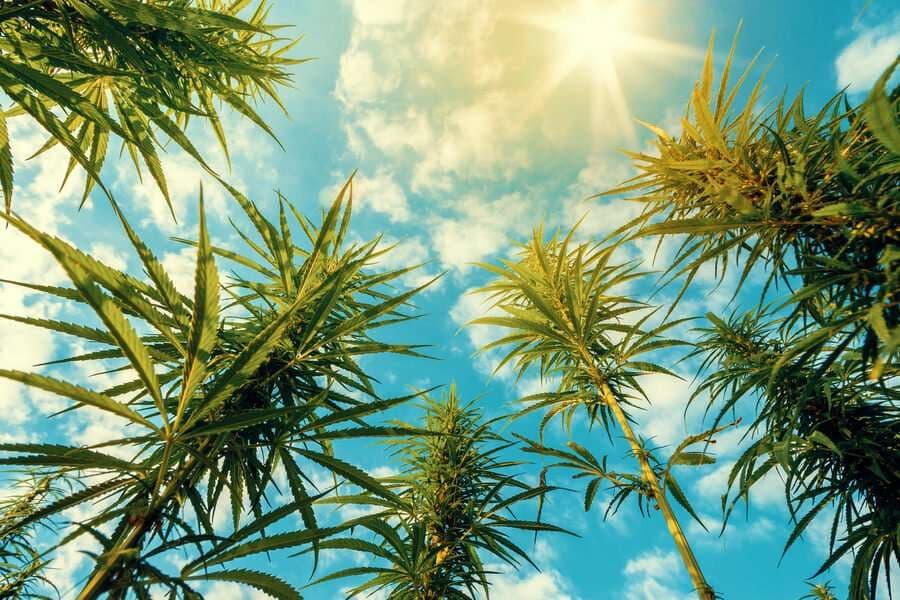
Uses of hemp and its benefits
Do you think there could be a plant capable of producing more than 10,000 consumer products? And what would you say if this plant had been forgotten for the whole of the 20th century – wouldn't that seem absurd? As incredible as it sounds, all of this is real. And that plant, by the way, is called cannabis.
Join me as we explore the benefits and uses of this ancient plant, which looks set to be one of the most promising crops for making this a more sustainable planet. In this post for World Environment Day, you'll get a new perspective on the ecological benefits of hemp.
The ecological potential of hemp materials
Hemp: the great forgotten plant of environmentalism
Cannabis has been the most widely used plant in the last 10,000 years of human history.
The sails of Christopher Columbus's ships and the first flag of the United States were made from hemp cloth.
Curiously, the first dollar bill was made from hemp fibre, a very plentiful crop at the time. And I say curiously because, a few centuries later, in 1970, growing hemp was banned in the US under the Controlled Substances Act. The reason was that hemp contains small amounts of tetrahydrocannabinol (THC).
This ban stayed in place for several decades, but in 2018 the Farm Bill was passed, which removed hemp from the list of controlled substances and allowed it to be grown again in the United States. For this reason, for many years the plant was left forgotten in the drawer of dangerous substances on many occasions and in many different places around the world. That ban created a stigma around cannabis as a dangerous drug, which, fortunately, we are now managing to reverse. But it has meant a delay in research into, and production of, cannabis-based raw materials that are economically and ecologically sustainable.
How can it be that there is a plant capable of changing the course of humanity, and we neither study it nor know enough about it?
What can you make with hemp?
Well, you can make almost anything with hemp. From textiles to plastics, paper, wood substitutes, food, building materials and biofuels, among many other uses.

Hemp materials are not only a more sustainable alternative; in many cases they are a better option than conventional materials.
And best of all, hemp materials are not just an alternative: they are genuinely a much more sustainable option than conventional ones.
The ecological potential of hemp isn't limited to producing sustainable materials. Cannabis also gives us highly nutritious food for human consumption, CBD skincare, CBD physiotherapy creams, animal fodder and medicines.
The sustainability of growing hemp
Hemp is a plant that needs half as much water as cotton to grow. It also yields three times as much from the same area.
Add to that the fact that it is grown without pesticides, and that we avoid using genetically modified plants, and this crop can offer a very significant level of sustainability.
Possible uses of hemp and its ecological applications
When we talk about sustainability, we start to think about the huge environmental impact of our consumption and how we can change the planet's course. And this is where hemp's applications take centre stage.
Could we cut our plastic use by switching to a greener alternative?
In 2018 alone, 360 million tonnes of plastic were produced, and it will stay on our planet for anywhere from 100 to 1,000 years before it breaks down. Could plastic be replaced, along with all the problems that come from using so much of it? Yes: the technology already exists, and it's already being used.
Hemp bioplastics
With hemp biopolymers, also known as hemp bioplastics, we have a far more sustainable alternative to plastic: these biopolymers can be used for three years and break down in just eighty days.
Building materials made with hemp
And can you build with cannabis? You certainly can. Hemp is a key eco-building material for a greener, more sustainable future.
In the future, buildings will be smarter and will take insulation and energy saving very much into account, as well as the sustainability of the build, paying attention to using fewer chemicals and polluting materials.
This concept is known as the Smart Home, and it can make our lives, and the planet's, much healthier. The move towards this kind of sustainable building is already under way, and it will keep growing.
Hemp concrete, or hempcrete
With water, hemp and lime, you can make everything from the roofs to the floors of our homes. This material is known as hempcrete, a blend of the words *hemp *and concrete.
Hempcrete is made by mixing the woody inner core of the hemp stalk, known as hurds or shives, with hydrated lime and water to form a mix. This mix can be poured into moulds and left to dry to form building blocks.
Hempcrete is lightweight, fire- and mould-resistant, and has excellent insulating properties, which makes it a popular choice for constructing energy-efficient buildings.
Could hemp replace wood?
A hemp plantation produces the same amount of fibre as four timber plantations.
What's more, with hemp we can obtain wood (composites) in a much shorter time than by planting trees. A 100-day crop, compared with the 15 years on average that timber trees take to grow.
Did you know that billions of trees are felled every year just to make paper? On top of that, trees are also felled for firewood, furniture and building materials.
Massive, indiscriminate felling reduces our planet's biodiversity. If we can cut our use of wood and paper by switching to materials made from hemp, we will help to increase biodiversity, which would greatly improve the state of ecosystems and the health of the planet.
What is hemp composite?
By combining hemp fibres with natural resins, we get composites, a very good substitute for wood. The hemp fibres act as reinforcement to improve the material's strength and durability, while the resin acts as a matrix that holds the fibres together.
This material is known as hemp composite and is lightweight, strong and durable. It's used in a range of applications, such as making furniture and building materials.
Hemp as a substitute for petrol: biofuels
And could we replace petrol with hemp? By now you can surely guess the answer. That's right: yes! Hemp needs three times less space than, say, maize, another source of biofuel.
Using cannabis in the car industry
Apart from its possible use in producing biofuels, hemp can also be used to make materials for the car industry. Although cars made entirely of hemp are still not very common, some car manufacturers have used hemp in their construction to take advantage of its unique properties and make their vehicles more efficient and sustainable.
There are already some cars that have been made using hemp in their construction. For example, BMW has been using hemp fibre in the door panels of some of its models since the 1990s. Hemp fibre is lighter and stronger than the traditional fibres used to make car door panels, which helps to reduce the vehicle's overall weight and improve its energy efficiency.
Using hemp makes it possible to build lighter, greener cars, while reducing the environmental impact of manufacturing them.
Hemp-based foods: hemp seed is a superfood!
We can also eat hemp, and you should know that it's no minor food. Quite the opposite: the nutritional value of hemp seeds is very high.
Hemp seed is considered a superfood. It contains 33% protein, making it one of the most protein-rich foods there is – beaten only by soya – and it has all the essential amino acids. Hemp seeds are also very rich in phosphorus, magnesium, calcium, iron and zinc.
Hemp is more digestible than pulses, so in protein terms, hemp protein outperforms soya, making it a plant-based protein alternative with a lot of potential.
From this seed we can produce hemp seed oil, which is considered one of the healthiest oils on the planet thanks to its high content of omega-3 essential fatty acids and an ideal ratio of omega-3 to omega-6.
Hemp fabric
Hemp fibre can be made into a highly durable plant-based fabric with excellent qualities, which has many different uses.
Hemp can be made into fabrics of varying coarseness, to produce rope, rugs and mats, but also bags, cloth, shoes, hemp clothing, trousers, T-shirts…
Cannabis fodder for animal feed
The main uses of hemp in animal feed include producing feed, fodder and nutritional supplements.
Phytoremediation
It's worth pointing out that hemp's ecological advantages aren't limited to its use in producing eco-friendly, sustainable materials. Growing the plant is itself good for the ecosystem!
Cannabis phytoremediation is a process in which this plant is used to remove contaminants from soil or water. Cannabis can absorb and metabolise a wide range of toxic substances, including heavy metals, hydrocarbons and pesticides, which makes it an effective tool for environmental clean-up.
The cannabis plant has been shown to clean up the environment: it was used at Chernobyl with very good results, and it's a very good option for cleaning up our planet.
For phytoremediation with cannabis, the plant is grown in contaminated soil or water and left to grow until it has absorbed the contaminants from its surroundings. It is then harvested and removed from the contaminated site for safe disposal. Cannabis can also be used to decontaminate wastewater or to reduce air pollution.
It's important to point out here that cannabis crops grown for hemp flower or to produce CBD oil are not used for this purpose, as they could contain high concentrations of toxic substances that must not be ingested or inhaled.
A vision of a more sustainable future with hemp at its heart
I hope this quick look at some of the thousands of uses of hemp has helped you better understand the full potential of the Cannabis sativa plant. Cannabis should be seen as a tool for change, and research into it should be encouraged and its uses made more widely known.
We consumers are the ones who will bring about this change on the planet, so it's simply a question of attitude: changing how we consume, and with it the planet we live on. Hemp stands out as a sustainable alternative for changing this course. Do you want to be part of the change?