Of all the ways to concentrate cannabis resin, rosin is the easiest to explain and the hardest to get right: just heat and pressure, without a single solvent. In recent years it has gone from a home trick with a hair straightener to the extraction connoisseurs rate most highly. In this post we explain exactly what it is, how it's made, what types exist and what the law says about it in Europe.
What is rosin
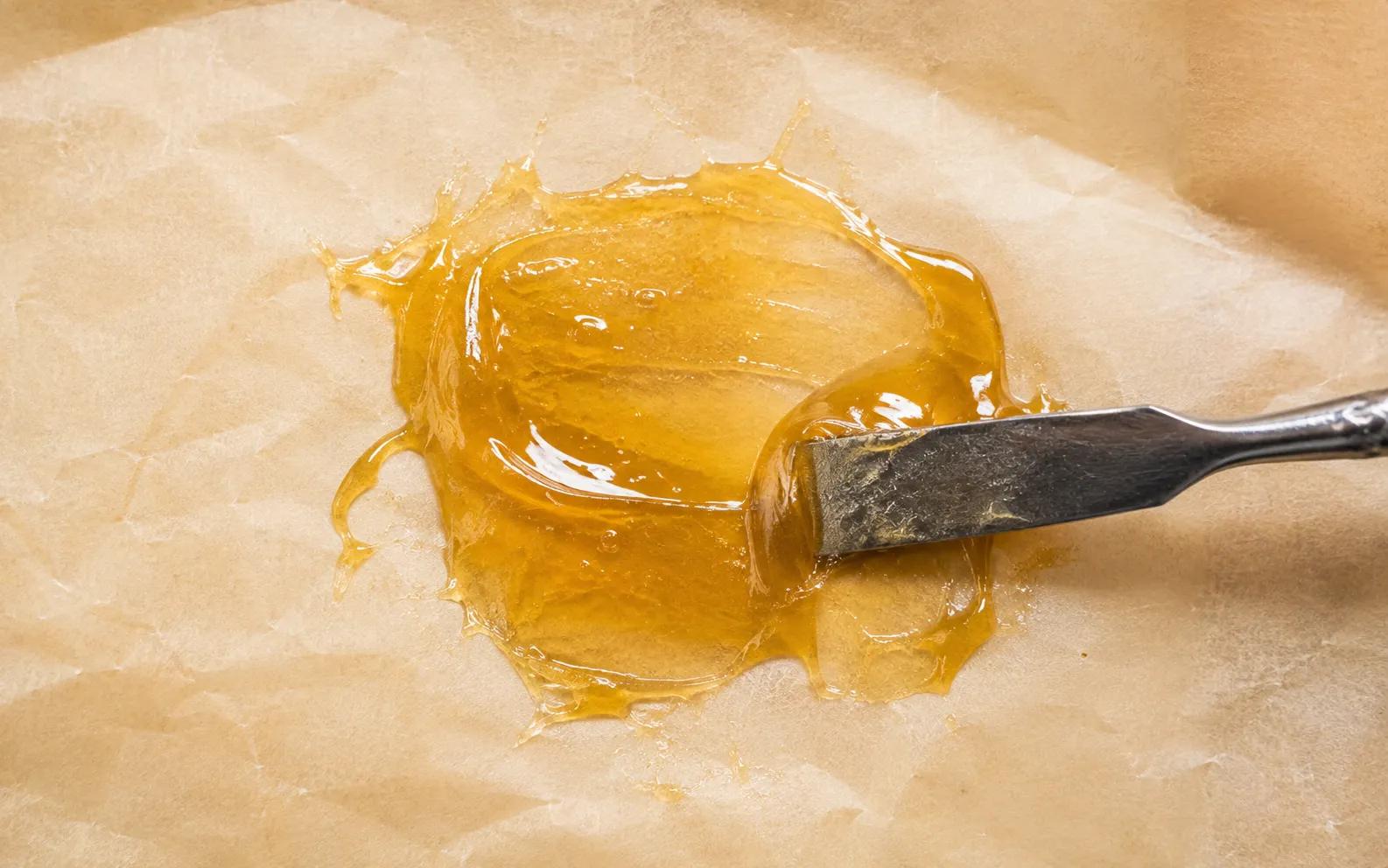
Rosin is a cannabis concentrate obtained by applying heat and pressure to plant material — flower, kief or hash — until the resin melts and flows out on its own. No solvent is involved: no butane, no propane, no alcohol, no CO₂. What comes out is a dense, amber extract with a texture somewhere between honey and butter.
That absence of solvents is the key to its reputation. In other extractions, such as BHO, the solvent has to be purged afterwards, and if the process isn't flawless, residues remain in the final product. With rosin that problem simply doesn't exist, because there was never anything to purge.
The name comes from rosin, the resin used on violin bows, because of the resemblance in appearance and in the way heat is used to obtain it.
How rosin is made
The principle is straightforward: the plant material goes inside a fine mesh bag, sits between two heated plates and is put under pressure. The resin liquefies, passes through the mesh and is collected on non-stick paper. Three variables decide everything.
- Temperature. The working range is narrow, roughly 70 to 120 °C. Below that, the resin won't flow and yields drop. Above it, terpenes degrade and the extract loses aroma and turns bitter. Lower temperatures give a lighter, more aromatic rosin, but less of it.
- Pressure and time. It isn't about squeezing as hard as possible: moderate pressure held for a minute or two beats a sharp crush, which drags plant matter through with the resin.
- Mesh micron rating. Bags are measured in microns. Pressing flower calls for a more open mesh (around 90-120 µm); pressing hash or kief calls for a much tighter one (25-45 µm), since that material is already filtered and only the resin needs to get through.
What is a rosin press
A rosin press is simply the machine that brings those two things together — controlled heat and measured pressure — in one piece of equipment. They range from manual bench-top units to hydraulic and pneumatic presses, differing mainly in the force they apply and how precisely they hold plate temperature.
The technique's domestic origins, with a hair straightener and baking paper, are real and explain its popularity — but they also explain its poor results. A straightener controls neither temperature nor pressure, so it scorches terpenes and drags chlorophyll along. It's the difference between pressing and crushing.
Types of rosin
Rosin is named after whatever was pressed, and that changes the outcome considerably.
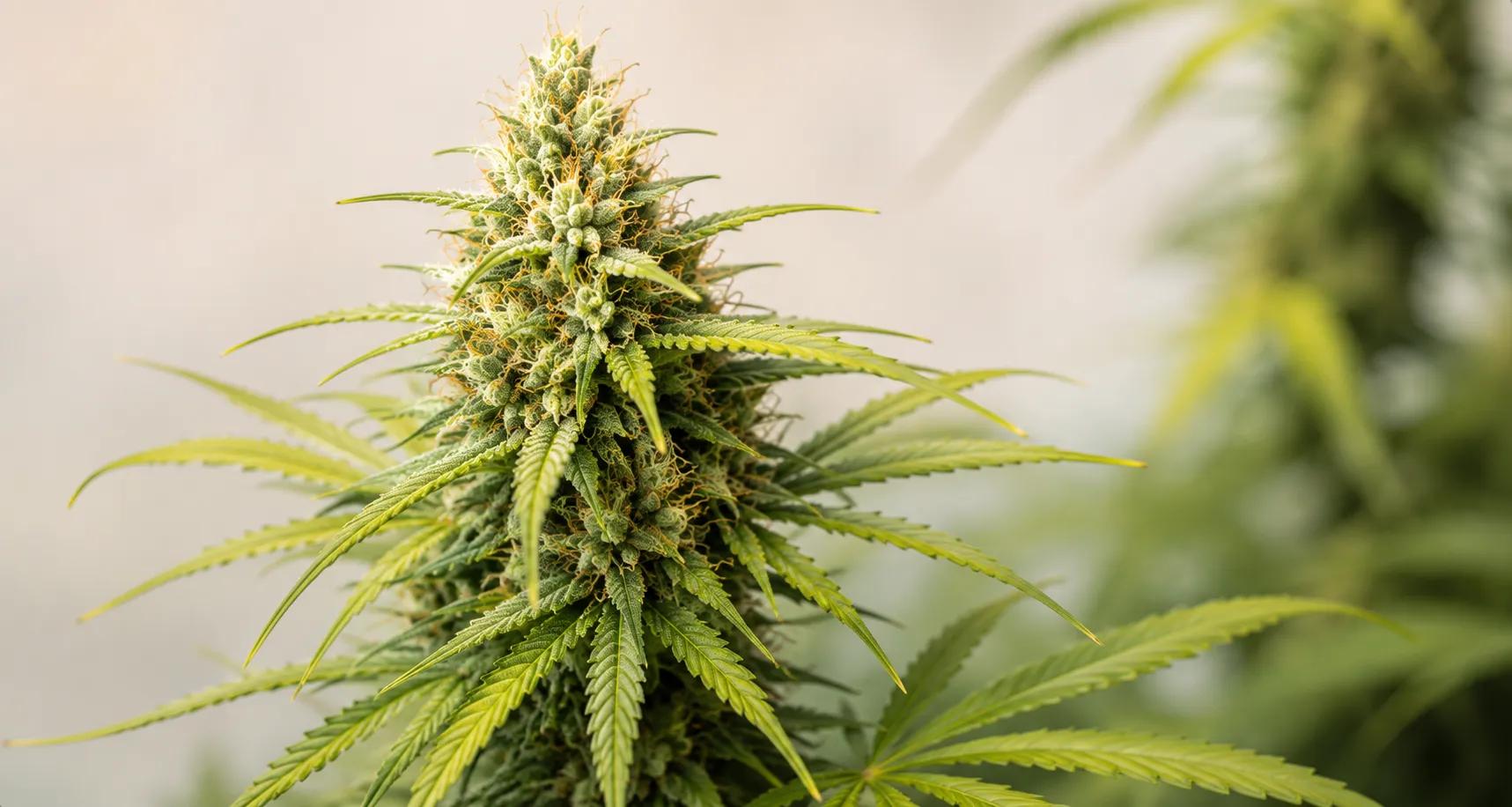
- Flower rosin. Dried buds are pressed directly. It's the most accessible and the lowest-yielding, because the resin has to work its way out through all the plant material.
- Hash rosin. Hash is pressed, usually bubble hash or dry sift. Since the starting material is already filtered, the result is noticeably cleaner and more aromatic. This is what connoisseurs look for.
- Live rosin. This is hash rosin made from fresh plant material frozen immediately after harvest rather than dried and cured. Freezing preserves the most volatile terpenes, the ones lost during drying, which makes live rosin the most aromatic of all — and the most expensive to produce.
Rosin and bubble hash: how they differ
They're often confused because both are solvent-free extractions, but they aren't the same thing, nor do they sit at the same stage of the process.
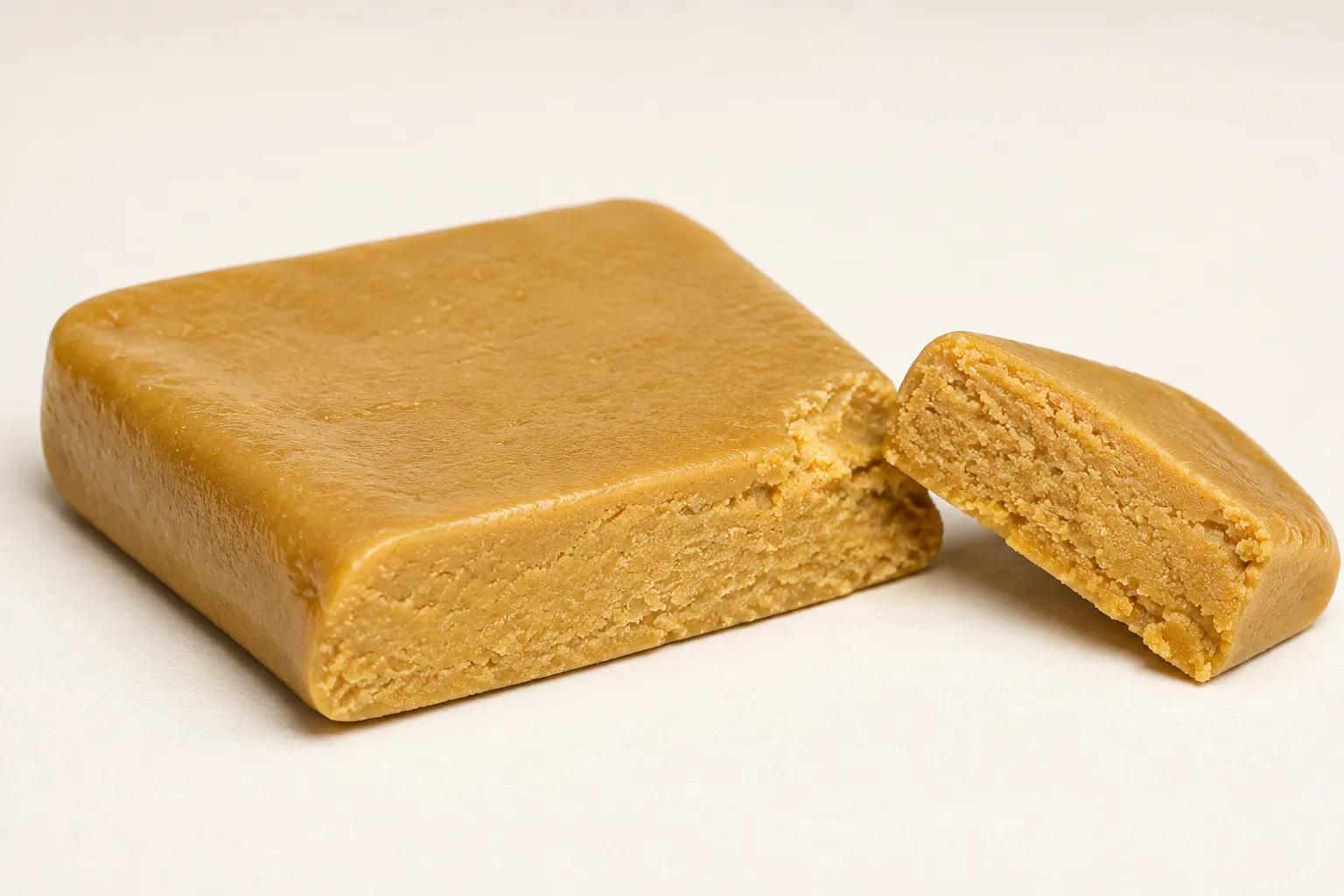
Bubble hash is made with water and ice: the cold makes the trichomes brittle so they break off and are collected through meshes of different micron ratings. The result is still resin in powder or paste form, with its structure intact.
Rosin goes one step further, applying heat and pressure to melt that resin and separate it from whatever material is left. In fact, bubble hash is one of the best starting materials for rosin: pressing it is precisely what's known as hash rosin. One doesn't replace the other; they come one after the other. We cover this in our guide to what bubble hash is and in our overview of types of cannabis extractions.
CBD rosin and the law in Europe
It's worth being precise here, because the technique and the substance are two different things. Pressing with heat isn't illegal; what determines legality is what gets pressed.
Cannabis with THC is not legal in most European countries, each of which has its own rules, and neither are its concentrates: rosin made from flower containing THC is a controlled substance, regardless of whether it was obtained without solvents. The method doesn't change the nature of what's extracted.
Apply the same technique to hemp flower with less than 0.3% THC, on the other hand, and you get a CBD extract with no psychoactive effect (bear in mind that in some countries, such as the UK, hemp flower is controlled even when its THC content is low). It's the same principle behind the rest of our CBD hash: solvent-free extractions from material that meets the legal THC limit. If legal hash is what interests you, you'll find the full picture in our hash guide and in types of hash.
Frequently asked questions about rosin
What's the difference between rosin and hash?
Hash is pressed resin: kief or bubble hash compacted into a slab or a ball, which keeps its structure. Rosin is melted resin: heat and pressure are applied until it liquefies and separates from the rest of the material. In fact, hash is one of the best starting materials for rosin, so rather than alternatives they're two steps along the same path.
Is rosin legal in Europe?
It depends on what was pressed, not on the method. Rosin made from flower containing THC is a controlled substance and is not legal in most European countries. An extract made from hemp with less than 0.3% THC has no psychoactive effect and falls within the framework of CBD products, although in some countries, such as the UK, hemp flower is controlled even when its THC content is low.
What is live rosin?
It's rosin made from fresh plant material frozen immediately after harvest, rather than dried and cured. Because it skips drying, it keeps the most volatile terpenes, so it's far more aromatic — and also considerably more expensive to produce.
Can you make rosin with a hair straightener?
Technically yes, and that's how the trend started, but the result is poor: a straightener lets you control neither temperature nor pressure, so it scorches the terpenes and drags plant material through. A press holds the plates within the right range, roughly 70 to 120 °C, with measured pressure.
Which yields more, flower rosin or hash rosin?
Hash rosin gives a cleaner, more aromatic extract because it starts from material that's already filtered, but it means making the hash first. Flower rosin is pressed straight from the bud, is quicker, and yields less in proportion to the raw material used.