Cannabis extraction guide: types, techniques and how extracts are made
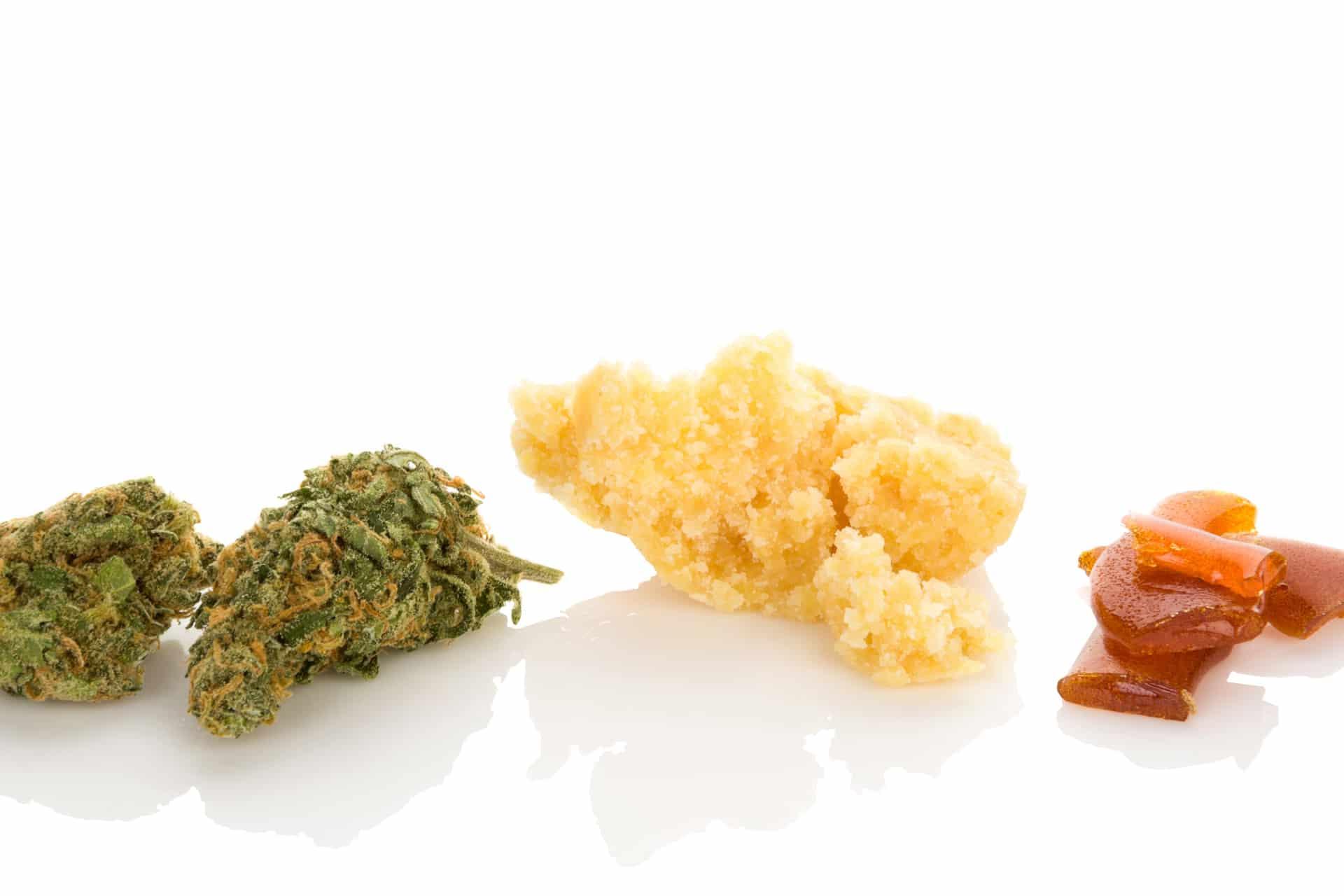
Although whole flower is the most traditional way to enjoy the effects of cannabis and CBD cannabis and, even today, most users' favourite, in recent years there has been a boom in everything to do with cannabis extraction. More and more cannabis users, whether recreational or medicinal, are choosing cannabis extracts and making their own at home, because of how pure and potent these preparations are. Dive into the rich world of extracts!
What is cannabis extraction?
Cannabis extraction covers the processes designed to separate the active compounds, mainly cannabinoids such as THC and CBD and terpenes, from the rest of the plant biomass. The aim is to concentrate these compounds and get rid of most of the plant matter, which in itself adds no significant effect when consumed.
In most cases, extraction involves a heating process. This step is key to decarboxylation, the process in which cannabinoids in their acid form (for example, THCA or CBDA) are converted into their active forms (THC and CBD). Decarboxylation is essential to boost the effect of the extract, since without it the effectiveness of the resulting compound would be noticeably reduced.
Goals of cannabis extraction
An extraction has two main goals:
- Concentrating cannabinoids and terpenes: This makes it possible to obtain products with concentrations of up to 98% THC or 99% CBD. A high concentration of these compounds is especially relevant when you want a potent effect or are making products with precise dosing.
- Purifying the extract: Depending on the method used, a single cannabinoid can be isolated, giving what are known as “isolates”. This process removes the plant's other components, leaving only the compound of interest.
The choice of extraction method depends on the desired result, the cannabinoid profile of the raw material and the resources available, both at home and on an industrial scale.
Advantages and disadvantages of cannabis extraction
Advantages
- Concentration of compounds: By removing most of the plant matter, you get a product with a high concentration of cannabinoids and terpenes.
- Potency: Compared with consuming whole flower, concentrates provide a significantly higher dose of cannabinoids. For example, while 500 mg of buds with 20% THC contain approximately 100 mg of THC (and the amount actually taken in when smoked can be around 25 to 35 mg), the same weight of concentrate with 70% THC delivers between 87.5 and 122.5 mg of THC.
Disadvantages
- Technical complexity: Some methods call for advanced knowledge and specialist equipment, which limits them to industrial settings or experts.
- Caution: Especially with methods that involve flammable solvents (such as butane or propane), strict safety measures are essential to prevent accidents.
- Consumer safety: Carrying out extractions without the right equipment can result in degraded cannabinoids (poor-quality products) or residual solvents in the final product (harmful to health).
- Loss of terpenes: In some processes, heat and pressure can evaporate the terpenes, which are volatile compounds responsible for the characteristic aroma and flavour of cannabis.
- Variable concentration: The concentration of cannabinoids can vary significantly depending on the quality of the plant and the method used, which makes it hard to control the dose.
Types of cannabis extraction
Extraction methods fall into two broad categories: mechanical extraction (solvent-free) and solvent extraction. Each category covers a range of techniques that can be carried out both at home and on an industrial scale.
1- Mechanical extraction (solvent-free)
These techniques rely on physical processes to separate the trichomes – the glands where cannabinoids and terpenes are concentrated – without the use of chemical solvents. The main techniques include:

Sifted hash (pollen dry sift or dry hash)
- Description: This involves sifting the plant matter through meshes of different micron sizes to separate the trichomes. Sifted hash is another very traditional type of dry cannabis extraction – one could even say legendary – used in Morocco, Pakistan and Afghanistan. In Spain the result is also colloquially called “apaleado” (“beaten”), because the technique involves beating the cannabis with a stick over a sieve so that the resin falls through, filtered, underneath it. The finer the mesh, the less plant matter falls through and the purer the resulting extract. After sifting, you remove the sieve itself and collect all the resin to get a good handful of kief. Today it can be done by hand or with tools such as the “Pollinator” by Mila Jansen, which speed up the process.
- Advantages: It gives a “clean” product with very little plant matter, depending on the size of the mesh used. This hash is very commonly pressed into hash slabs.
Try Cannactiva's Pollen Dry Sift 45% CBD
Ice water extraction (Ice-O-Lator or bubble hash)
- Description: Like dry sifting, this technique uses ice and water to freeze the trichomes and make them brittle, so they separate more easily. The process involves stirring the plant matter in a container of ice-cold water and then filtering the mixture through meshes. These ice extractions are known as Ice-O-Lator, Fresh Frozen or bubble hash. The low temperature helps the trichomes come away from the flowers more easily.
- Advantages: Using cold water minimises the degradation of the compounds and gives a high-quality extract. Dedicated equipment is available in grow shops.

Charas
- Description: A traditional technique from India and Nepal, where some valley villages, such as Malana, are famous for their traditional charas making. It is obtained by rubbing fresh flowers between the hands so that the resin sticks to the skin. The accumulated resin is then worked and shaped into hash. It is said to take around seven or eight hours to make about 8 grams of charas of the highest quality. Charas is usually rounded in shape, like small, tightly packed balls.
- Characteristics: Although rudimentary, this method produces hash with a high concentration of cannabinoids. It is an ancient technique that is still practised in many parts of the world.

Rosin tech
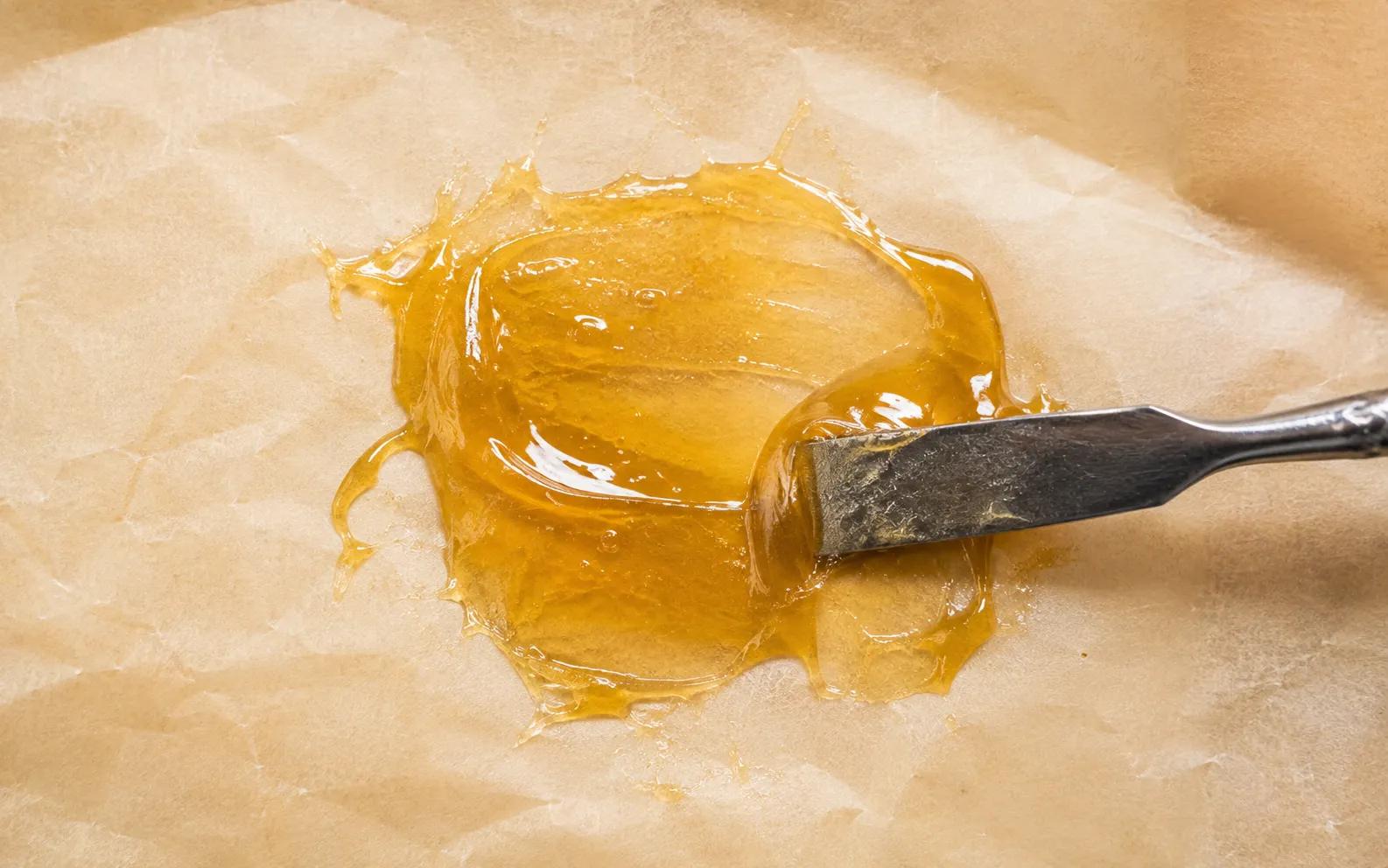
- Description: Rosin is a heat-and-pressure cannabis extraction method that has become popular in recent years. It involves pressing and heating cannabis flowers so that they release their resin. It is made with purpose-built presses that apply a lot of pressure at a controlled temperature, and the result is a sublime product. You may read on some sites that you can make rosin at home with a hair straightener and baking paper, although the result will, predictably, be fairly mediocre and we don't recommend it.
- Characteristics: The result is an amber-coloured concentrate whose consistency can vary from “shatter” (glassy) to a texture like syrup or butter. This method avoids solvents and is valued for being safe and easy to do at home.

2- Solvent extraction
Solvent methods use liquid or gaseous substances that dissolve the cannabinoids and terpenes, making it easier to separate them from the rest of the biomass. These methods can give very high concentrations, but they need proper purging to remove any toxic residue.
Cannabis oils
- Process: An edible oil (usually olive or coconut oil) is used to extract the cannabinoids from the cannabis. The cannabis is first decarboxylated and the flowers are then infused in the oil at a controlled temperature for around two hours.
- Considerations: Olive oil has proven to be an effective solvent for preserving both cannabinoids and terpenes, more effective than alcohol extraction (tinctures). In home extractions it's important to control the temperature, as too much heat can encourage THC to degrade into CBN (cannabinol).

Cannabis butter
- Process: A fat-based extraction method, similar to cannabis oil, except that butter is used in this case. The procedure is similar. These methods rely on the ability of fats to dissolve cannabinoids, taking advantage of their lipophilic nature.
- Considerations: The same as with cannabis oil: control the times and temperature to guarantee the quality of the final product.

Tinctures
- Process: This involves soaking previously decarboxylated and ground flowers in high-strength alcohol (ethyl or isopropyl) for several weeks. After this maceration period, the solution is filtered to obtain the extract.
- Characteristics: It is one of the simplest and safest ways to make extracts at home. However, the final concentration of cannabinoids may be lower than with other methods.
BHO (Butane Hash Oil)
- Process: Butane is used as a solvent to extract the trichomes from the plant. The technique involves injecting butane into an airtight container holding the cannabis, so that the gas carries the cannabinoids and terpenes away in the form of an oil. The butane then has to be purged using heat or a vacuum. BHO or hash oil cannabis extraction is done with butane gas (hence its name, “Butane Hash Oil”). BHO can be made with anything from fairly simple tubes and set-ups to complex machinery, depending on the strain used, the technique and the texture. As always, you'll find special equipment for BHO extraction in grow shops. There are many types of BHO: Shatter (glassy, brittle texture), Sugar, Crumble, Wax, Cookies, Amber Glass, Moon rocks or Budder.
- Advantages and risks: BHO can reach concentrations of over 60% cannabinoids, but using butane, which is highly flammable, carries significant risks without the right experience and equipment.
- Variants: As well as butane, other solvents such as propane or even ethanol can be used in some techniques to obtain similar products.

Supercritical CO2 extraction
- Process: This method uses carbon dioxide (CO2) in a supercritical state, i.e. at a temperature and pressure where CO2 behaves as both a gas and a liquid. The cannabinoids and terpenes are extracted without leaving any residue, as the CO2 evaporates at the end of the process.
- Advantages: It is one of the safest and most effective methods. CO2 is inexpensive, non-toxic and non-flammable, and its nature makes it possible to extract the desired compounds selectively. What's more, by heating and decarboxylating the material beforehand, the amount of delta-9-THC or CBD can be increased by up to 5–10%.
- Technical considerations: It requires specialist equipment and technical know-how, which makes it more common in industrial settings.

Explore Cannactiva's full spectrum CBD oils
Broad-spectrum organic solvent extraction
- Process: This technique is used to obtain liquid concentrates such as BHO (Butane Hash Oil) or PHO (Propane Hash Oil). Organic solvents such as methanol, chloroform, ethanol, isopropanol or dimethyl ether are used, which can dissolve both cannabinoids and terpenes, separating them from other unwanted compounds (for example, chlorophyll).
- Yield: Efficiency varies with the solvent: for example, chloroform can achieve yields of 98–99% w/w, while ethanol is around 50–60%.
- Limitations: Extraction with these solvents requires larger volumes and longer times, as well as extra purification steps to remove sugars, pigments and other impurities.
Advanced methods and other extraction techniques
As well as traditional and home methods, there are advanced techniques that deliver specific, high-quality results:
Microwave extraction
- Process: It uses electromagnetic waves to heat the plant material internally and evenly. First, the ground cannabis is prepared and immersed in a solvent (which can be alcohol, ethanol or oil, depending on the aim) and then given a microwave treatment.
- Advantages: Extraction is fast and consistent, as the energy is distributed evenly throughout the sample. This technique reduces heat transfer from the surface, favouring more efficient activation of the cannabinoids.
- Considerations: Power and time need to be controlled to avoid excessive degradation of the desired compounds.
Other specific techniques
- Molecular separation: Used in laboratory settings, these techniques make it possible to isolate and purify the different cannabinoids and terpenes individually, giving what are known as isolates. Although they require advanced equipment, they are essential for producing cannabis-based pharmaceutical products.
- Live resin: This technique involves freezing the cannabis immediately after harvest to preserve its terpene and cannabinoid profile. Extraction is then carried out using methods such as supercritical CO2 or organic solvents. The result is a concentrate with an aroma and flavour very close to those of the fresh plant.
Technical and safety considerations in extraction
Choosing the cannabis strain
The choice of cannabis strain is crucial in determining the final profile of the extract. Different strains differ in their cannabinoid and terpene composition, which directly affects the effectiveness and flavour of the concentrate. It's advisable to choose strains that match the profile you're after.
Precautions when using solvents
Using solvents in extraction calls for a number of safety measures:
- In processes such as BHO, butane and other gases are extremely flammable. It's essential to work in well-ventilated spaces, use suitable equipment and have the technical knowledge to prevent accidents.
- Some solvents, such as methanol or chloroform, can leave dangerous residues in the final product. Techniques such as winterisation (chilling the solution to precipitate waxes, chlorophyll and lipids) and purging in an oven or with a vacuum pump are essential to obtain a pure, safe extract.
- During decarboxylation and other processes, it's vital to keep to the right temperatures and the right times. Too much heat not only reduces the product's potency by degrading cannabinoids, but can also alter its terpene profile, aroma and flavour.
- Technical knowledge is key to avoiding mistakes that could compromise the quality of the product or put the operator's safety at risk.
Conclusion
Cannabinoid extraction is a process that has been practised for centuries – methods capable of transforming a plant into highly concentrated, potent products, opening up a range of possibilities for medicinal use or for use in various industries. Today there are specialist techniques and equipment that make it possible to develop increasingly sophisticated extracts. If you're thinking of making cannabis extracts at home, we recommend finding out properly about the method that best suits your means, your needs and, above all, your knowledge.
Further information
- Grijó, D.R., Osorio, I.A.V., & Cardozo-Filho, L. (2018). Supercritical extraction strategies using CO2 and ethanol to obtain cannabinoid compounds from Cannabis hybrid flowers. Journal of CO2 Utilization, 28, 174-180.
- Valizadehderakhshan, M., et al. (2021). Extraction of cannabinoids from Cannabis sativa L. (Hemp). Agriculture, 11(5), 384.
- Moreno, T., et al. (2020). Extraction of cannabinoids from hemp (Cannabis sativa L.) using high pressure solvents: An overview of different processing options. The Journal of Supercritical Fluids, 161, 104850.
- Moreno, T., Dyer, P., & Tallon, S. (2020). Cannabinoid decarboxylation: a comparative kinetic study. Industrial & Engineering Chemistry Research, 59(46), 20307-20315.
- Qamar, S., et al. (2021). Extraction of medicinal cannabinoids through supercritical carbon dioxide technologies: A review. Journal of Chromatography B, 1167, 122581.
- Peters, J. & Chien, J. (2018). Contemporary routes of cannabis consumption: a primer for clinicians. Journal of Osteopathic Medicine, 118(2), 67-70.
- Sedan, D., et al. (2023). Cannabinoid Content in Cannabis Flowers and Homemade Cannabis-Based Products Used for Therapeutic Purposes in Argentina. Cannabis and Cannabinoid Research, 8(1), 197-206.
- Romano, L.L. & Hazekamp, A. (2013). Cannabis oil: chemical evaluation of an upcoming cannabis-based medicine. Cannabinoids, 1(1), 1-11.
- Smith, C.J., et al. (2022). The phytochemical diversity of commercial cannabis in the United States. PLoS One, 17(5), e0267498.
- Radoiu, M., et al. (2020). Microwave-assisted industrial scale cannabis extraction. Technologies, 8(3), 45.