CBN or cannabinol: what it is, its properties and the effects of the “sleep cannabinoid”
In the cannabis industry, knowledge of the different compounds found in the plant has been growing. One of these compounds is cannabinol (CBN), whose therapeutic potential and effects are catching the attention of consumers and professionals. On the market you can find a range of products with CBN: from oils that combine CBN and CBD for sleep, to edibles, hash (and other kinds of CBD hash) and CBD flower high in CBN. In this article, we explain in detail what CBN is, its origin, properties, effects, dosage and the legal aspects you need to know.
What is CBN?
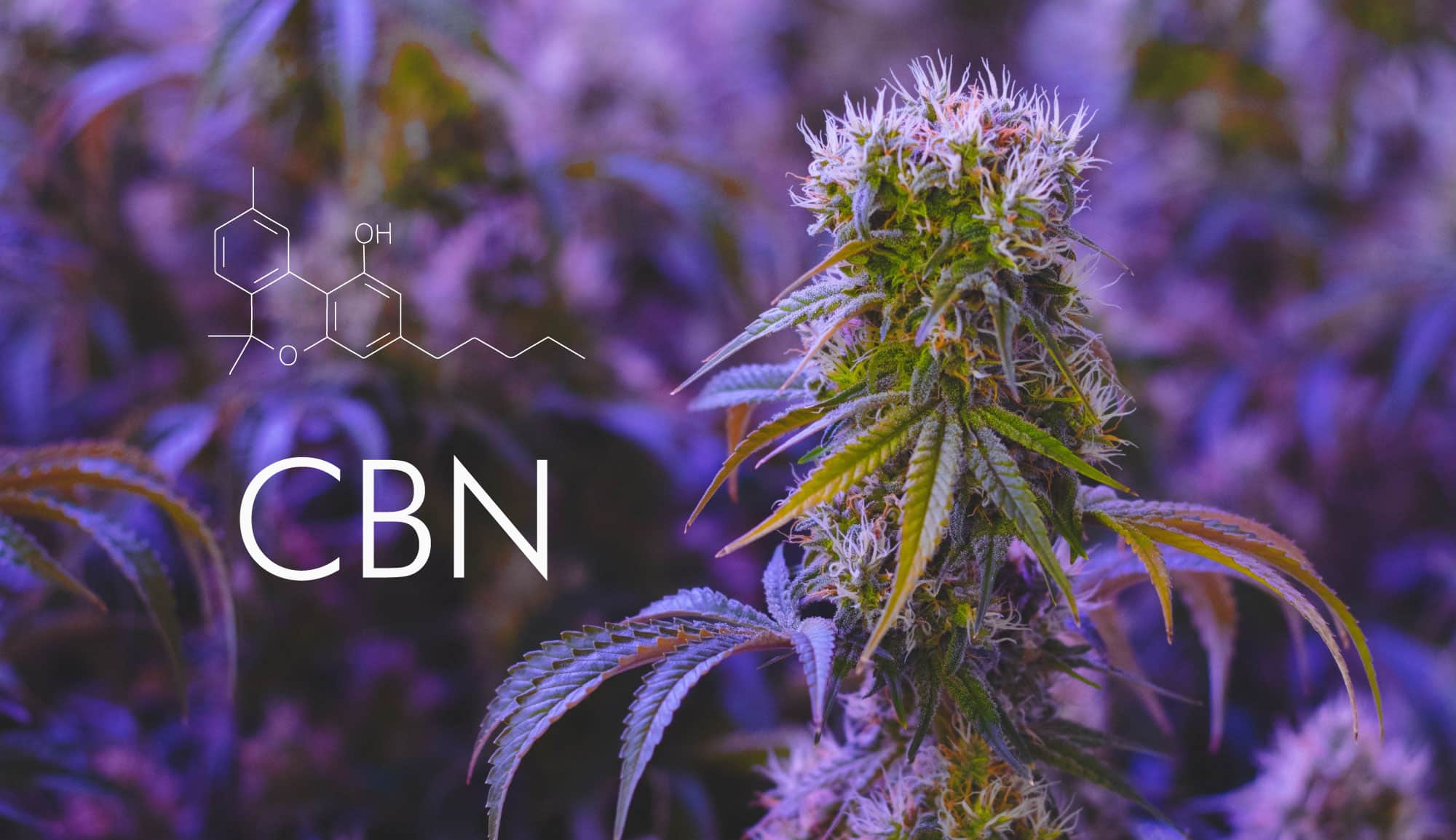
Cannabinol (CBN) is one of the many types of cannabinoids found in the cannabis plant (Cannabis sativa L.). It forms from the breakdown of tetrahydrocannabinol (THC) and, unlike THC, its psychoactive properties are much weaker.
CBN is popularly known as the “sleepy cannabinoid”, as it has been studied for its possible sedative and relaxing effects, and above all to help people fall asleep.
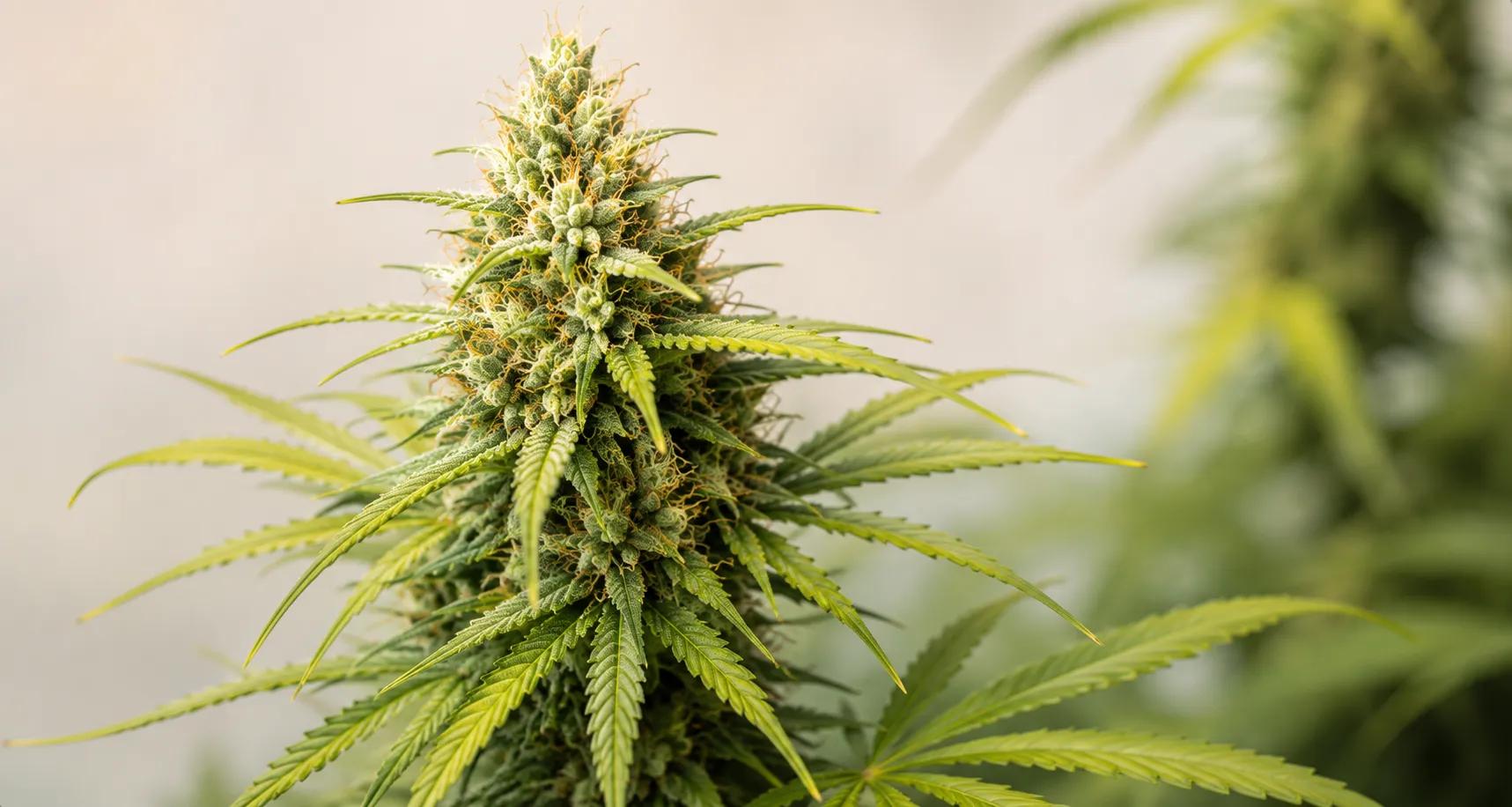
Because it is a breakdown product of THC, CBN is found mainly in cured or aged cannabis flower, and its levels rise gradually during storage. However, there are also products on the market with synthetically or semi-synthetically produced CBN.
Origin and history of CBN
Cannabinol (CBN) is a very stable cannabinoid, traces of which have been found dating back to 750 BC in China (1). CBN was the first cannabinoid to be isolated from the cannabis plant, at the end of the 19th century, and its structure was identified in the early 1930s (2, 3). But it did not stand out in research, as the spotlight was on the most abundant cannabinoids in cannabis, tetrahydrocannabinol (THC) and cannabidiol (CBD).
What is CBD and what is it for?
Differences between CBN, THC and CBD
CBN, THC and CBD have similar chemical structures and originally come from cannabigerolic acid (CBGA). However, THC and CBD are produced in the plant through cannabinoid biosynthesis, while CBN is produced from THC, by non-enzymatic oxidation or degradation. The structures of these cannabinoids also differ in terms of specific arrangements and functional groups, which contributes to their unique properties and effects. The chemical formula of CBN is: C21H26O2
Unlike the two major cannabinoids, CBD and THC, CBN concentrations in cannabis are very low, but they rise gradually as the plant is exposed to more light, oxygen and heat (4), since it is a breakdown product of THC. As the plant’s trichomes age, or during the drying and curing of cannabis, the THC in the cannabis buds or flowers gradually turns into CBN.

What are the effects of CBN?
CBN interacts with the human body’s endocannabinoid system. The endocannabinoid system is a complex regulatory system involved in maintaining various physiological processes. It is made up of cannabinoid receptors (CB1 and CB2), endogenous cannabinoids (endocannabinoids) and the enzymes responsible for synthesising and breaking down these compounds.
CBN is a partial agonist of the CB1 and CB2 receptors (5), which means it can bind to and activate these receptors, but its affinity, or strength of interaction, is lower than that of other cannabinoids such as THC. At the CB1 receptor, the receptor linked to the psychoactive effects of cannabis, CBN has a lower affinity than THC (6); this is why CBN has weaker psychoactive effects and tends to be linked to a sleep-inducing, cataleptic or sedative effect (7). Catalepsy refers to a reduced motor response, which could explain the potential relaxing effect of this cannabinoid.
CBN has a milder psychoactive effect than THC and is credited with sedative and relaxing properties that may influence sleep.
The effects of CBN may also be influenced by other cannabinoids and terpenes. These compounds can interact synergistically and produce unique effects when consumed together, a phenomenon known as the cannabis entourage effect. For example, combining CBN with CBD oil might enhance the effects of CBD for insomnia.

Properties and potential benefits of CBN
Sleep induction
Research on CBN initially pointed to its effects on the endocannabinoid system, and in the 1970s studies began to show that CBN could induce catalepsy (8, 9). This is why CBN is said to work as a sleep aid.
In reality, the benefits of CBN as a sleep promoter are based on subjective results that do not confirm that it induces sleep clinically (10, 11). The feeling that cannabinol can help you fall asleep comes from the sedation it causes, which users in scientific studies have described as “a feeling similar to THC, but lighter and more pleasant” (12).
One of the differences between CBN and THC is that large amounts of CBN are needed to produce a euphoric effect (a high) like the one THC produces (12).
Adjuvant in the treatment of ADHD
People with attention deficit hyperactivity disorder (ADHD) have trouble keeping their attention or controlling compulsive behaviour. A study in Israel found that cannabis strains high in CBN were associated with a reduction in ADHD symptoms, according to what the patients in the study reported (17).
Does CBN stimulate appetite?
Findings from animal studies suggest that cannabinol may stimulate appetite (14, 15). However, more research is needed to understand the underlying mechanisms. Based on current data, it is not possible to state conclusively that CBN increases appetite.
Analgesic and anti-inflammatory
CBN may be useful in the treatment of muscle pain (18) and may reduce the inflammation caused by raised intraocular pressure in glaucoma (19). These are studies on the analgesic and anti-inflammatory effect under very specific conditions, which for now cannot be extrapolated to humans, pending further research.
Dermatology
Used topically, cannabinol has shown signs of being a good adjuvant in treating itching in epidermolysis bullosa, a condition in which the skin becomes fragile and prone to blistering (13).
Potential antibiotic
CBN has been suggested to have antimicrobial properties and has been shown to fight antibiotic-resistant bacteria such as Staphylococcus aureus (16).
How to take CBN and dosage
CBN can be found naturally for consumption in oils, vapes, hash or flower made from certain cannabinol-rich cannabis strains, or from plants that have built up larger amounts of CBN. It can be smoked, vaporised or taken as edibles, such as cannabis gummies.
In some cases, you can find products with high amounts of cannabinol, made by adding CBN of semi-synthetic origin to their formulation.
CBN dosage
Some studies that have assessed the interactions of CBN with other cannabinoids, or studied its psychoactive effects, have used doses ranging from 20 mg to 1,200 mg a day (11), a very wide range. Although these doses showed no toxic effects, their safety has not been evaluated and it is not known whether CBN has a bell-shaped effect, like that of other cannabinoids.
A clinical study has been carried out on CBN for insomnia, using doses of 30 mg and 300 mg of CBN (NCT05344170).
In the European CBN market, CBN products, mainly “sleep oils”, use concentrations of 2.5%, 5% or more (1–2 mg of CBN per drop), usually combined with different concentrations of CBD.
Ultimately, CBN dosing is not an exact science, and the effective amount of cannabinol can vary depending on the person, the purpose for which CBN is taken, and the type of CBN product used and its composition. As with other cannabinoids, the right dose may differ from person to person, so the usual advice is to start with low doses and increase gradually if necessary.
Furthermore, products on the market vary widely in their composition and CBN dosage. Together with the lack of research into the safety of this compound, this is why it is advisable to consult a professional before taking CBN.
Ways of obtaining CBN
How is CBN obtained?
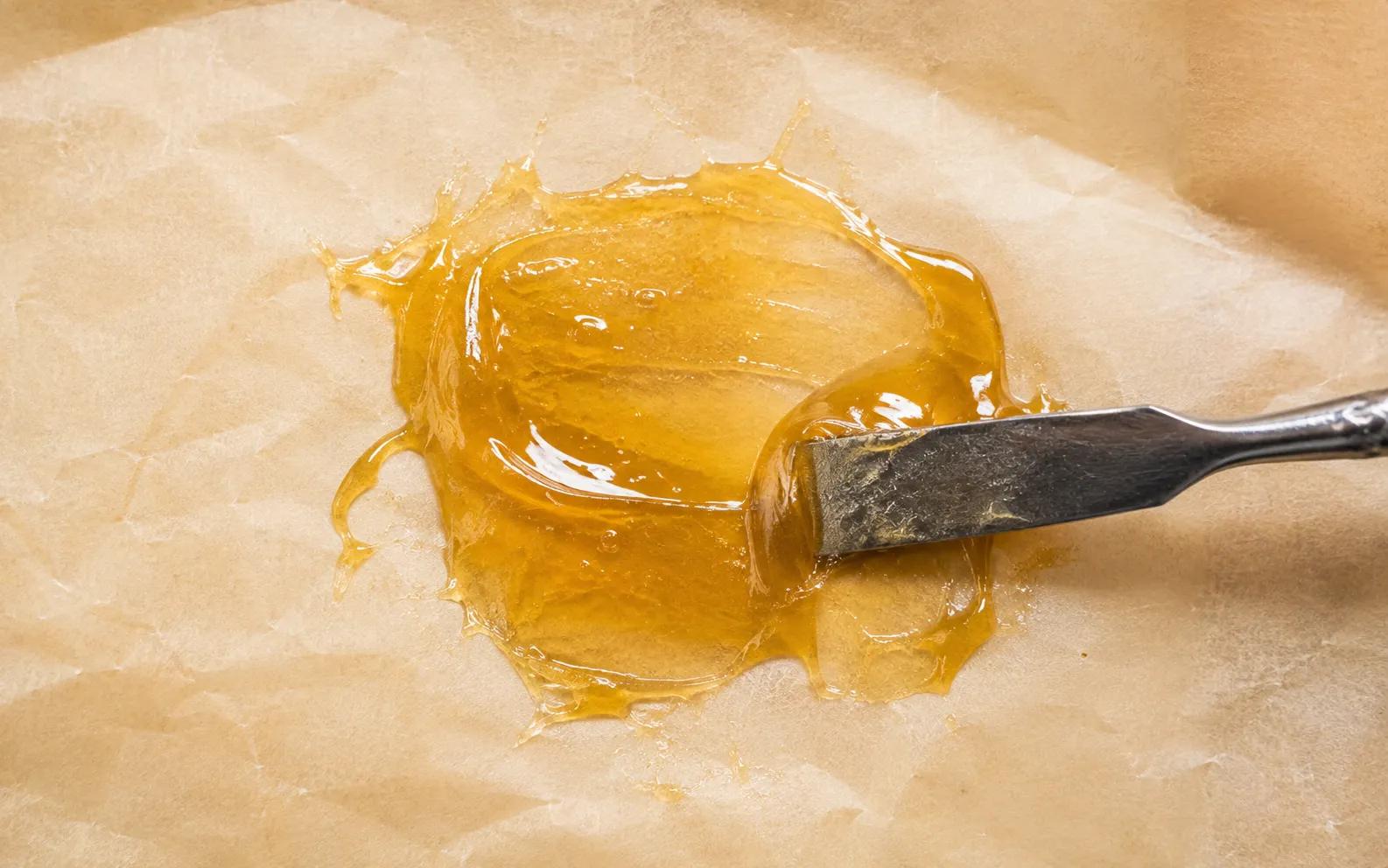
You might think that CBN is obtained by extracting it from cannabis plants, but this process is very complicated, since cannabinol has polarity and solubility characteristics similar to those of other cannabinoids, which makes it very difficult to isolate. As a result, most of the CBN in commercial products is of synthetic origin. It is the result of years of adapting the synthesis method in order to produce cannabinol without extracting it from the plant (20).
CBN synthesis
CBN can be produced synthetically or semi-synthetically in the laboratory. In semi-synthesis, CBD or THC is used as a precursor to obtain cannabinol. Total synthesis, on the other hand, involves methods that do not start from compounds derived directly from cannabis (CBD or THC), but use a lactone intermediate (biphenyl or cyclisation) or non-lactone intermediates (20).
Legality: regulatory status of CBN
Although it is derived from THC and is a cannabinoid with a mild psychoactive effect, CBN is not illegal in many countries around the world. This is because, just as research was always focused on CBD and THC, many cannabinoids have been left out of legal frameworks.
On the other hand, the possibility of producing synthetic CBN separates the compound from the illegal context of cannabis. However, the safety, side effects and toxicological profile of cannabinol are not yet well established, which means users should exercise caution.
Is CBN legal?
In Spain, CBN falls under the same regulation as other cannabinoids that are not THC, so it can be found in cannabis flower, vapes and oils (although not in edibles such as cannabis sweets, because cannabinoids are not authorised as a food or as a food supplement in the EU).
CBN can be added to enrich cannabis products, although it is also sold on its own in products such as edibles, ointments and oils.
The outlook for CBN
Thinking about the future of CBN, it is important to bear in mind that research on this specific cannabinoid is still relatively limited compared with other cannabinoids such as THC and CBD. However, as interest in cannabis research grows, more attention is likely to be paid to exploring the potential of CBN. At the moment, there are no studies on the long-term effects of CBN, and not all of its possible therapeutic applications are known. More research is needed to fully understand the effects of CBN, its mechanisms of action and its role in the future of medical cannabis.
We hope you have found this look at the characteristics, properties and legal aspects of CBN interesting. See you next time!
References
- Russo E. B. (2007). History of cannabis and its preparations in saga, science, and sobriquet. Chemistry & biodiversity, 4(8), 1614–1648. https://doi.org/10.1002/cbdv.200790144
- Cahn, R. S. (1933). 326. Cannabis indica resin. Part IV. The synthesis of some 2: 2-dimethyldibenzopyrans, and confirmation of the structure of cannabinol. J. Chem. Soc. (Resumed) 1400–1405. https://doi.org/10.1039/jr9330001400
- Pertwee R. G. (2006). Cannabinoid pharmacology: the first 66 years. British journal of pharmacology, 147 Suppl 1(Suppl 1), S163–S171. https://doi.org/10.1038/sj.bjp.0706406
- Kendall D, Alexander S (2020). Cannabinoid pharmacology, vol. 80, 1st ed. Academic press: Cambridge, MA.
- Pertwee, R. G., & Cascio, M. (2014). Known Pharmacological Actions of Delta-9-Tetrahydrocannabinol and of Four Other Chemical Constituents of Cannabis that Activate Cannabinoid Receptors. Handbook of Cannabis (Oxford; online edn, Oxford Academic, 22 Jan. 2015), https://doi.org/10.1093/acprof:oso/9780199662685.003.0006
- Rhee, M. H., Vogel, Z., Barg, J., Bayewitch, M., Levy, R., Hanus, L., Breuer, A., & Mechoulam, R. (1997). Cannabinol derivatives: binding to cannabinoid receptors and inhibition of adenylylcyclase. Journal of medicinal chemistry, 40(20), 3228–3233. https://doi.org/10.1021/jm970126f
- Loewe S. (1946). Studies on the pharmacology and acute toxicity of compounds with marihuana activity. The Journal of pharmacology and experimental therapeutics, 88(2), 154–161.
- Karniol, I. G., Takahashi, R. N., & Musty, R. E. (1974). Effects of delta9-tetrahydrocannabinol and cannabinol on operant performance in rats. Archives internationales de pharmacodynamie et de therapie, 212(2), 230–237.
- Yamamoto, I., Watanabe, K., Kuzuoka, K., Narimatsu, S., & Yoshimura, H. (1987). The pharmacological activity of cannabinol and its major metabolite, 11-hydroxycannabinol. Chemical & pharmaceutical bulletin, 35(5), 2144–2147. https://doi.org/10.1248/cpb.35.2144
- Karniol, I.G.; Shirakawa, I.; Takahashi, R.N.; Knobel, E.; Musty, R.E. Effects of ∆9-Tetrahydrocannabinol and Cannabinol in Man. Pharmacology 1975, 13, 502–512. https://doi.org/10.1159/000136944
- Corroon J. (2021). Cannabinol and Sleep: Separating Fact from Fiction. Cannabis and cannabinoid research, 6(5), 366–371. https://doi.org/10.1089/can.2021.0006
- Perez-Reyes, M., Timmons, M. C., Davis, K. H., & Wall, E. M. (1973). A comparison of the pharmacological activity in man of intravenously administered delta9-tetrahydrocannabinol, cannabinol, and cannabidiol. Experientia, 29(11), 1368–1369. https://doi.org/10.1007/BF01922823
- InMed Announces Update on Phase 2 Clinical Trial Investigating INM-755 Cannabinol Cream for Epidermolysis Bullosa.
- Farrimond, J. A., Whalley, B. J., & Williams, C. M. (2012). Cannabinol and cannabidiol exert opposing effects on rat feeding patterns. Psychopharmacology, 223(1), 117–129. https://doi.org/10.1007/s00213-012-2697-x
- Farrimond, J. A., Whalley, B. J., & Williams, C. M. (2012). Non-Δ⁹tetrahydrocannabinol phytocannabinoids stimulate feeding in rats. Behavioural pharmacology, 23(1), 113–117. https://doi.org/10.1097/FBP.0b013e32834ed832
- Appendino, G., Gibbons, S., Giana, A., Pagani, A., Grassi, G., Stavri, M., Smith, E., & Rahman, M. M. (2008). Antibacterial cannabinoids from Cannabis sativa: a structure-activity study. Journal of natural products, 71(8), 1427–1430. https://doi.org/10.1021/np8002673
- Hergenrather, J. Y., Aviram, J., Vysotski, Y., Campisi-Pinto, S., Lewitus, G. M., & Meiri, D. (2020). Cannabinoid and Terpenoid Doses are Associated with Adult ADHD Status of Medical Cannabis Patients. Rambam Maimonides medical journal, 11(1), e0001. https://doi.org/10.5041/RMMJ.10384
- Wong, H., & Cairns, B. E. (2019). Cannabidiol, cannabinol and their combinations act as peripheral analgesics in a rat model of myofascial pain. Archives of oral biology, 104, 33–39. https://doi.org/10.1016/j.archoralbio.2019.05.028
- Elsohly, M. A., Harland, E., Murphy, J. C., Wirth, P., & Waller, C. W. (1981). Cannabinoids in glaucoma: a primary screening procedure. Journal of clinical pharmacology, 21(S1), 472S–478S. https://doi.org/10.1002/j.1552-4604.1981.tb02627.x
- Maioli, C., Mattoteia, D., Amin, H. I. M., Minassi, A., & Caprioglio, D. (2022). Cannabinol: History, Syntheses, and Biological Profile of the Greatest "Minor" Cannabinoid. Plants (Basel, Switzerland), 11(21), 2896. https://doi.org/10.3390/plants11212896