A step forward towards the decriminalisation and legalisation of cannabis in Europe
Publication of the Council of the European Union’s conclusions, with its most progressive approach to drugs
Towards cannabis legalisation in Europe
The Council of the European Union has shown its most progressive stance on drug policy by approving a new human rights-based approach to drugs.
Europe heads in a new direction: drug policies rooted in human rights
In its conclusions, Council conclusions on human rights-based approach in drug policies, the Council recognises the right of countries to decriminalise personal possession of drugs and protect their citizens’ health. The Council is the main legislative body of the European Union, and its decisions have a direct impact on the policies of its member states. Its power is what gives this news its scale and importance.
The document urges European Union (EU) member states to develop drug policies that protect and promote human rights, reduce discrimination and stigma, and allow voluntary access to services such as prevention, evidence-based programmes, risk and harm reduction, early detection and intervention, counselling, treatment, rehabilitation and social reintegration for people who use drugs.
Member states are also invited to jointly assess the impact of coercive sanctions and drug-related criminal justice, especially on marginalised and vulnerable groups.
In short, the Council’s conclusions call for a new, more realistic and more robust approach to drug policy in Europe, based on data and scientific evidence. The aim is to promote a drug policy that takes human rights into account, built on the diversity, equality and inclusion of all citizens, and to encourage an effective response from governments.
The work was driven by the Czech Republic, which chaired the Council’s Horizontal Working Party on Drugs during its six-month Presidency of the Council of the European Union. The Council’s conclusions were published on 8 December 2022 and are backed by the Justice and Home Affairs Council.
What kinds of drugs does the European Union want to regulate?
These EU Council conclusions do not specify any particular type of drug: not cannabis, not synthetic drugs, not synthetic cannabinoids, nor any other kind. It is a first step intended to build a joint platform among all European countries to rethink drug policy.
Clearly, not all drugs are the same, nor do they have the same impact or social reality. On the subject that concerns us, let’s see what the working group says about European cannabis regulation.
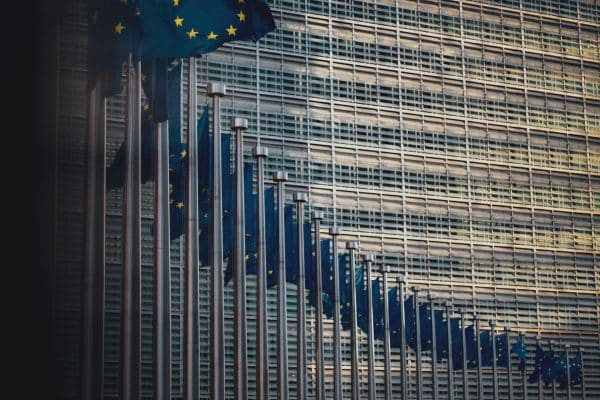
Cannabis policy in Europe
Ending the war on drugs and promoting policies rooted in human rights
At present, every European country has its own cannabis laws, which makes no sense. And don’t misread that statement: it is right that each country should be sovereign, but some laws are unjust because they are based not on scientific data but on social stigma, thereby discriminating against part of the population and violating human rights. That is what the new perspective on drug policy aims to correct. And of all drugs — this is a personal opinion, admittedly coloured by a wealth of information and experience in the sector — it seems to me that cannabis is the most unfairly criminalised drug.
Europe’s stigma and hypocrisy around cannabis
European drug policy on cannabis has always been hypocritical, governed by arbitrary criteria and outdated scientific data. To begin with, for many years that policy was based on the 1961 United Nations Single Convention on Narcotic Drugs, under which cannabis and its resin (hash) were classified in Schedule IV, on the same level as heroin! Scientifically, at the very least, cannabis is safer than opiates, as there is no risk of death linked to its use. But it was not until December 2020 (almost 60 years later!) that this outrage was corrected and a vote was taken to remove cannabis from Schedule IV.
Something is changing on the Old Continent
In Europe alone, there is wide disparity in how the recreational cannabis market is regulated: different laws and penalties, varying degrees of tolerance, and ridiculous legal THC limits.
Between 2021 and 2022, we saw various European countries change their cannabis laws: the proposal to regulate recreational cannabis in Germany, the legalisation of CBD flower sales in France, the rise in the legal THC limit to 1% in the Czech Republic, the cannabis legalisation approved in Malta, and Luxembourg was also working its way towards legalising non-medical cannabis.
These are just a few examples of the major changes currently under way across Europe when it comes to cannabis. But we have also seen that these attempts to legalise cannabis are failing because of red tape, the lack of a solid legal framework and over-regulation.
All this reflects the complexity of the cannabis market in modern times: on the one hand, the possibility of problematic cannabis use that may carry health risks cannot be ruled out, but CBD buds and CBD hash sit in a grey area (as they contain a minimal percentage of THC and no narcotic effects can be attributed to them; even so, in some countries, such as the UK, hemp flower is controlled despite its low THC). How do you decide which THC limit is safe? Aren’t other drugs, such as alcohol, regulated? Who has the right to decide, in an informed way, which drugs to put into their own body?
Changes in cannabis laws across European countries
In recent years, there has been a significant shift in cannabis policy in several European countries, marking a move towards regulating and decriminalising recreational use by adults. Here are some notable examples:
Germany
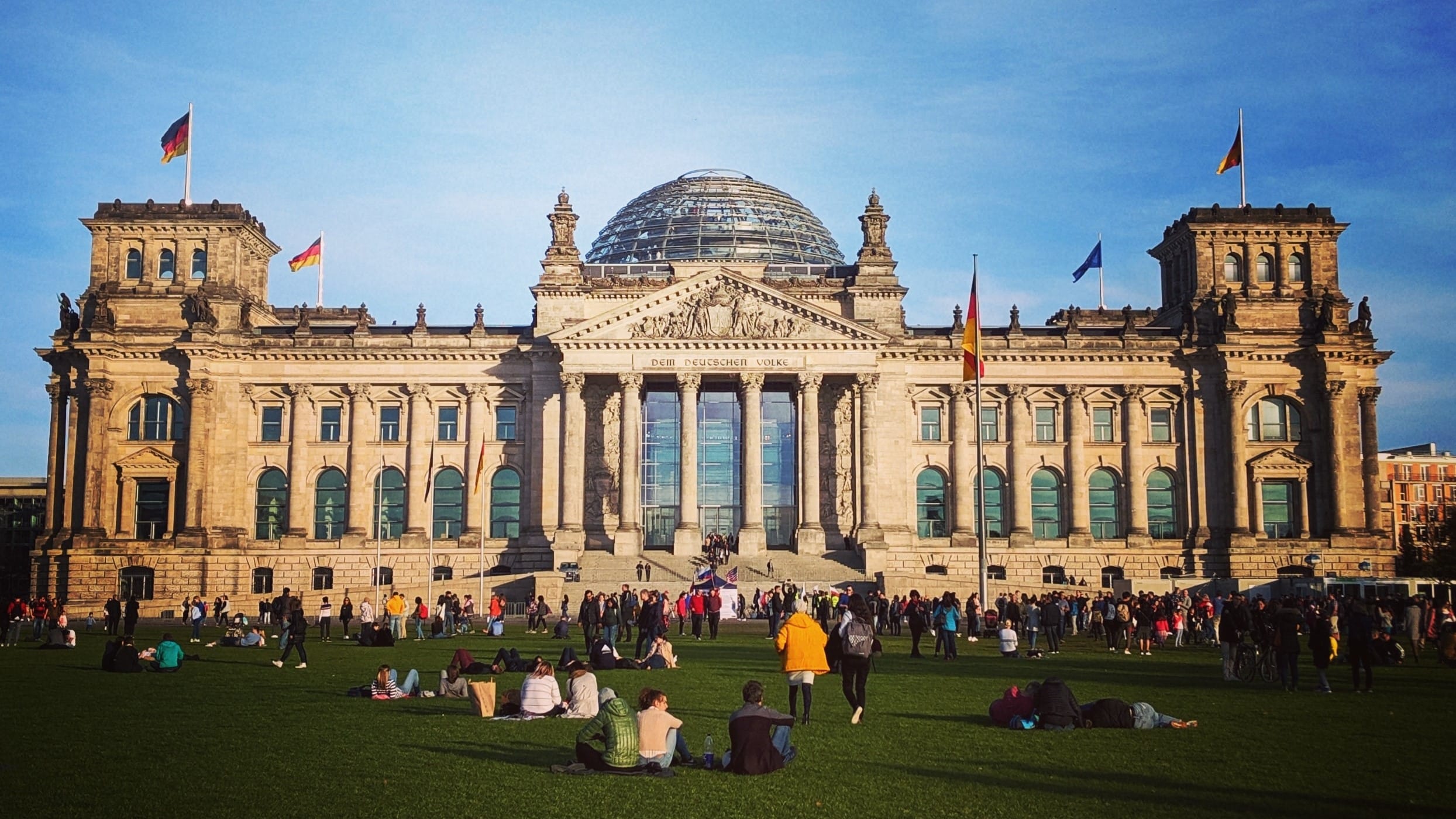
On 23 February 2024, the German Parliament voted in favour of legalising cannabis in Germany. The new law allows home growing of cannabis containing THC and the distribution of cannabis through private cannabis clubs. The model is quite similar to that of the Spanish cannabis associations.
With this, Germany joins a growing list of countries that have decriminalised or legalised recreational cannabis use. Cannabis legalisation in Germany represents a major shift in drug policy, both in the country and in Europe, and is expected to have a significant impact on the German economy and society.
Luxembourg
Since July 2023, Luxembourg has legalised cannabis use for recreational purposes, allowing adults to keep up to four cannabis plants at home. The sale of cannabis seeds is also permitted, with no restrictions on quantity or on the level of THC, the plant’s psychoactive component.
Malta
At the end of 2021, Malta took a similar step by legalising cannabis. The law sets a possession limit of 7 grams and allows up to four plants to be grown at home for personal use. Distribution through private non-profit associations, with a maximum of 500 members, is also allowed, although consumption on their premises is not. Consumption in public places, however, is prohibited.

Portugal
In 2001, Portugal decriminalised possession of up to 25 grams of cannabis and its personal use. In addition, therapeutic use of the plant was authorised in 2018.
Czech Republic
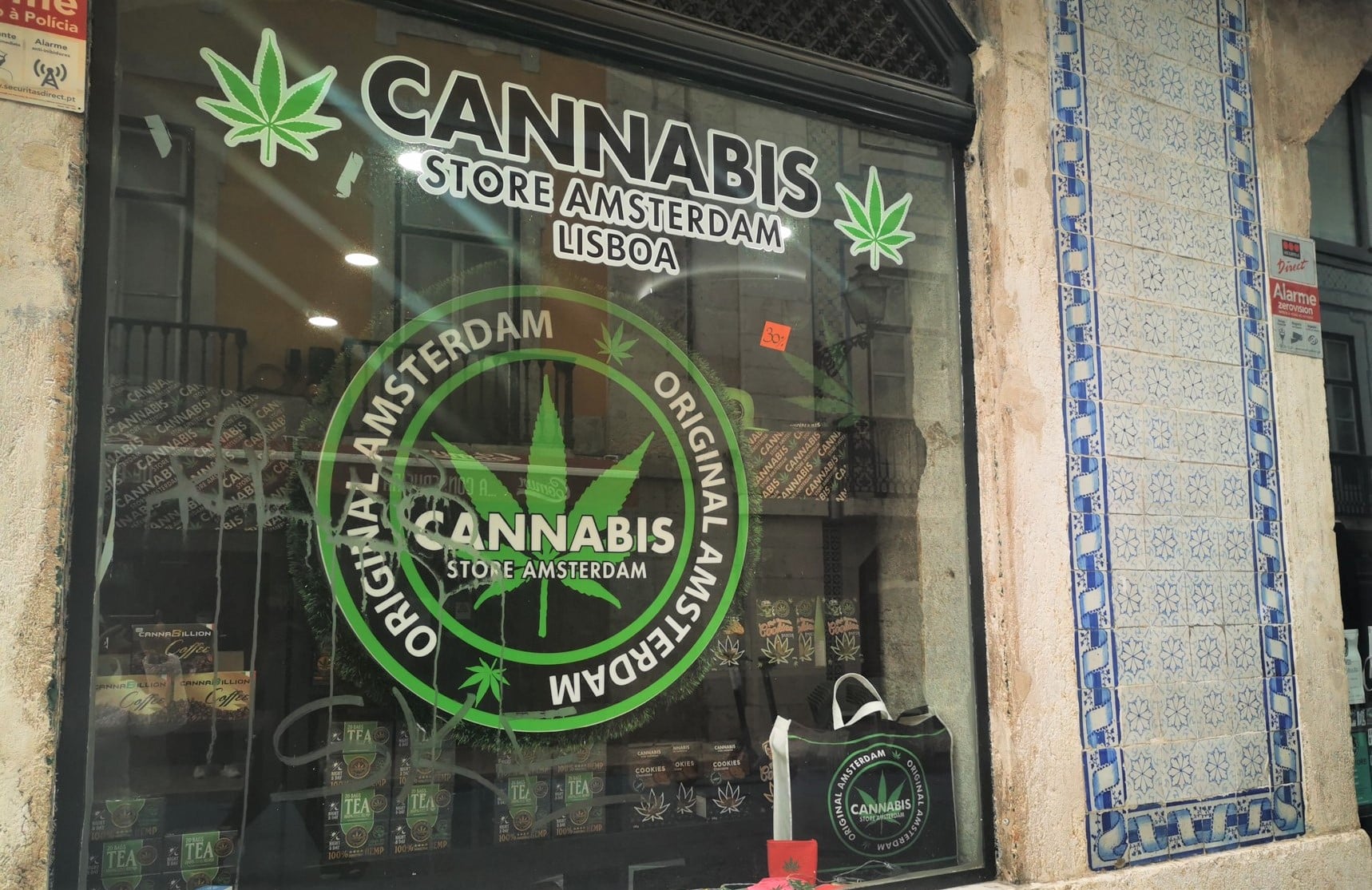
Although selling cannabis is still illegal in the Czech Republic, it stopped being a criminal offence in 2010. Since 1 January 2026, adults can carry up to 25 grams outside the home and keep 100 grams at home, and grow up to three plants, provided it is for personal use.

The Netherlands
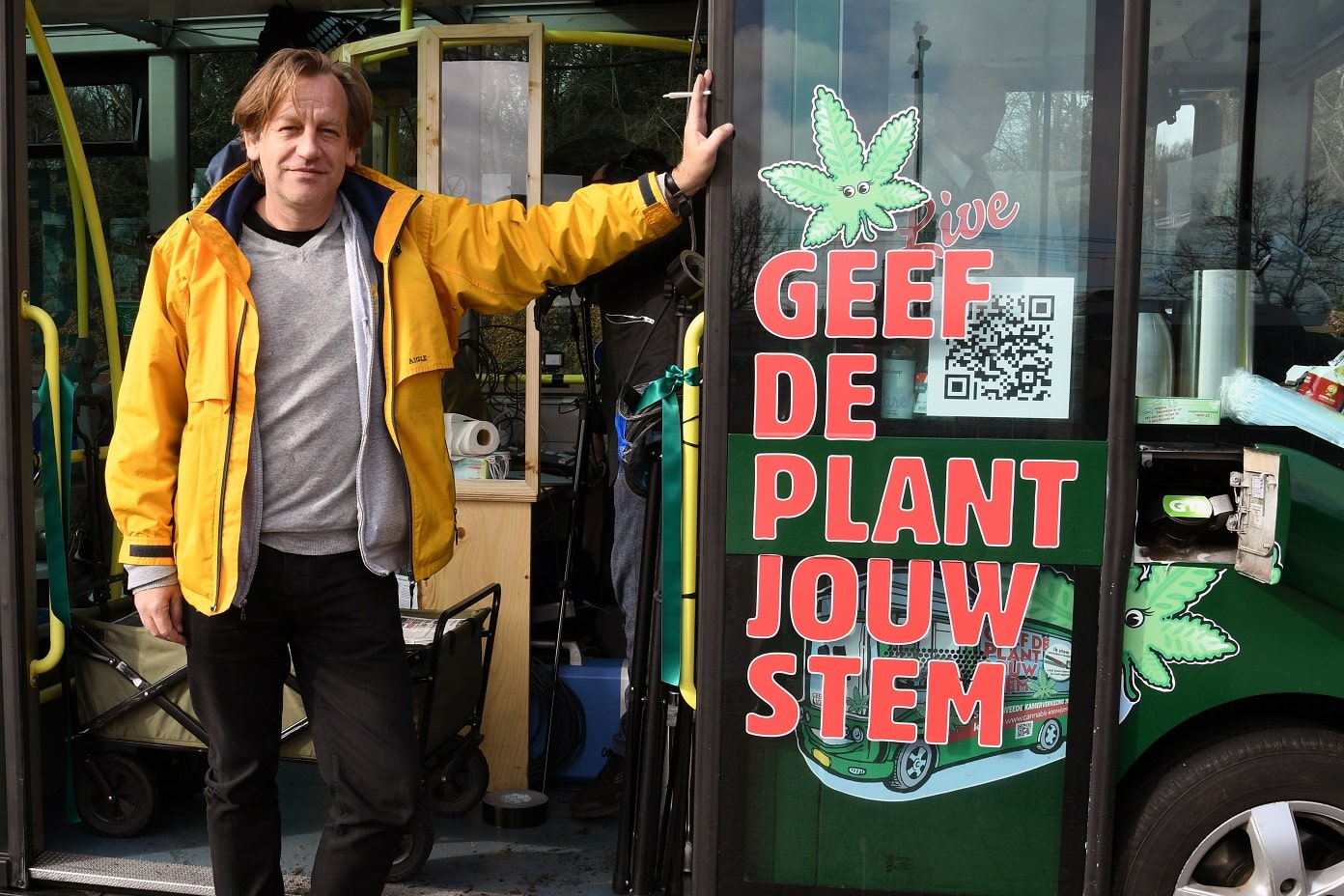
The Netherlands has adopted a unique policy that allows consumption in government-licensed coffee shops. Sale in shops and possession of up to 5 grams are also permitted. The law also allows up to 5 plants to be grown without legal consequences, provided it is for personal use. Therapeutic use of cannabis is fully legal in the country.
These changes in cannabis policy in Europe reflect a trend towards greater tolerance of regulating cannabis use and legalising cannabis, whether for recreational or therapeutic use. Each country has taken a different approach, seeking a balance between individual freedom and protecting public health.
Proposed regulation of recreational cannabis in Europe
What is cannabis decriminalisation?
Cannabis decriminalisation refers to legislative changes concerning minor, personal and non-violent cannabis-related activities. In other words, when a person obtains a given substance for personal use and/or possession, they should not face criminal or legal repercussions. This is what defines drug decriminalisation as we know it today.
Along those lines, the Council’s conclusions state: “... Under the United Nations drug control conventions, States may consider alternative non-custodial measures for persons accused of minor non-violent drug-related offences, and may provide, in accordance with national constitutional, legal and administrative systems, alternatives or additional measures with regard to conviction or punishment”.
On the decriminalisation of cannabis in Europe
Cannactiva, CBD shop, has had exclusive access to the drugs working group’s working material on cannabis presented to the Council of the European Union. This report sets out significant policy challenges for compliance with international and European cannabis legislation, highlighting the need to decriminalise and regulate non-medical cannabis use.
The document, written by Kenzi Riboulet-Zemouli, an independent cannabis researcher based in Barcelona and associated with Cannabis Hub, with the collaboration of Benjamin-Alexandre Jeanroy, offers an interesting analysis of the penalties for cannabis possession in different European countries.
In Europe, we find very repressive systems with de facto decriminalisation. The policies adopted by France and the Netherlands are good examples. In France, the police are free to send (or not) cases of possession of small amounts of cannabis down the criminal route. The Dutch, for their part, can “practise decriminalisation” (or not): the law includes a criminal component, but in practice there may be no punishment. In both cases, criminalisation is always possible.
There are also examples of countries that are somewhat less repressive: Spain as an example of sanctions subject to police discretion, Portugal and the Czech Republic with administrative and sanctioning discretion, and Poland with discretion within the criminal justice system. In many of these cases, the criminalisation of personal cannabis possession will remain.
11 ways to regulate cannabis in the European Union
The internal working document on cannabis that Cannactiva has had access to highlights the lack of effective policy initiatives in this area, and reviews 11 options for implementing a drug policy within the international and European legal framework, some more advisable than others.
In this analysis, the expert Riboulet-Zemouli assesses two safe drug policy options that could be implemented safely, but also sets out bad ideas, showing how some policies can have even perverse consequences for people.
Ultimately, each country will decide its own cannabis policies and will take into account that any restriction imposed must be justified and non-discriminatory.
Cannabis legality and regulation in Europe: what’s the next step?
The publication of the Council of the European Union’s conclusions has been welcomed by many as extremely promising news, foreseeing improvements in the approach to issues such as drug abuse or controlled access to certain substances, and it is expected to serve as a basis for building a platform for drug policy reform on legal cannabis.
Kenzi Riboulet-Zemouli, an international drug policy researcher and lead author of the cannabis report presented to the Council of the European Union, as well as an activist with a decade at the UN, has expressed enthusiasm that this European stance will set in motion the reforms for the much-needed modernisation of drug policy on the Old Continent.
Information on drug policy in Europe (frequently asked questions)
What does drug decriminalisation mean?
The term drug decriminalisation refers to changes to national laws on drug use and possession, as well as on related preparatory activities, insofar as they are strictly necessary for personal use and possession.
What is the difference between decriminalisation and depenalisation?
Decriminalisation is a synonym for depenalisation.
What does cannabis legalisation refer to?
Cannabis legalisation refers to changes to national laws on the use and possession of cannabis, as well as those regulating the growing, processing, transport, trade, import, export and sale of cannabis.