Maltese legalisation: the harsh reality of the government’s failures
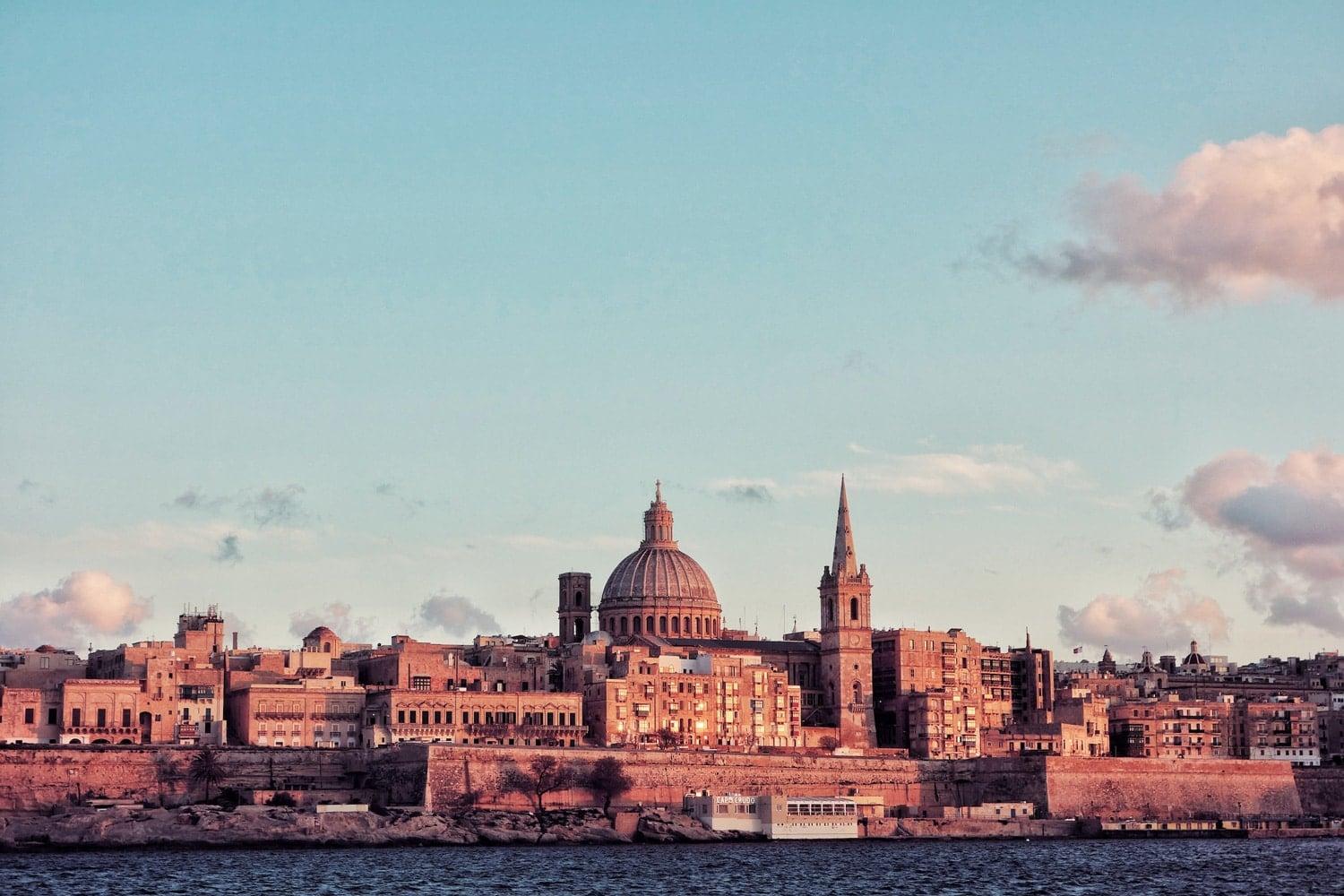
Malta is the smallest member state of the European Union, with only half a million inhabitants. In December 2021 it also became the first EU country to legalise cannabis in some of its forms for recreational use. How did this happen, and what was the situation at the end of 2022, almost a year after this bold move?
Let’s start with a summary of exactly what happened in December 2021. Growing and possessing cannabis for personal use was legalised, as was possession of up to seven grams in public for those over 18. Up to four cannabis plants per household could be grown at home.
Legal cannabis clubs instead of a regulated market
Apart from allowing people to grow a few cannabis plants at home, another form of non-commercial activity was to be permitted: legal cannabis clubs where members could grow weed for their own use and for other members too. The same concept is up and running in countries such as Spain, and other countries have been experimenting with it as well (Belgium, the Netherlands), although in most places these clubs still operate in a legal grey area.
Club membership was to be limited to 500 people and only up to 7 grams a day could be distributed to each person, with a maximum of 50 grams a month. The associations, which must not be located within 250 metres of a school, could also distribute up to 20 seeds a month to each member.
The original bill made no mention of creating a regulated market with cannabis shops and licensed commercial growers like those we know in Canada, Colorado or California, possibly because the government did not want to provoke the European institutions too much.
The pitfalls of Malta’s efforts to legalise cannabis
As we know, things on paper often look quite different once they are applied in real life, especially when it comes to cannabis. Unfortunately, Maltese legalisation turned out to be one of those cases.
Reality bites
First of all, shortly after the cannabis legalisation bill was passed, the Maltese government set up the Authority on the Responsible Use of Cannabis (ARUC) and appointed Mariella Dimech as its head. But on 10 November 2022 she was abruptly dismissed from her post because Prime Minister Robert Abela had become frustrated with the delays in setting up the legal framework within which the clubs could operate. This means that so far there are no cannabis clubs in Malta, and there are no regulatory guidelines for them either.
But Dimech responded by saying that the government had left her without resources or staff, so she was unable to prepare any of the necessary regulations. Following her dismissal, several Maltese NGOs criticised the government because “the structures mentioned in the law to regulate its (cannabis) use are conspicuous by their total absence”. According to them, the government seemed more interested in legalising cannabis as quickly as possible than in first creating a strong body to draw up proper rules and regulations for the emerging sector.
A new ARUC director: let’s see what happens now
The ARUC now has a new director – Leonid McKay – who oversaw organisations opposed to the cannabis reforms. As a result, local pro-cannabis groups such as ReLeaf have called his appointment a “direct insult” to legalisation efforts and say they do not trust him.
On 14 November 2022, the Malta Independent newspaper published a scathing editorial titled “The cannabis legalisation fiasco”, criticising government MPs for rushing through the legalisation vote shortly before the general election. “The promise to have a regulatory framework in place by April this year was quickly dashed, and the latest promise is that everything will be in place by the end of this year,” the Malta Independent’s newsroom complained. “As things stand, with no regulatory framework in place, none of the associations that would have been authorised to sell cannabis legally can actually open.”
The situation on the ground is therefore rather absurd: adults in Malta can now use cannabis legally, but have no way of obtaining it legally (unless they grow it themselves, which not everyone can or wants to do). The government’s original goal of striking a blow against the black market and bringing more people into the legal system cannot be achieved and, in reality, the lack of regulations for the clubs is driving more people into the black market.
The future of cannabis legalisation in Malta
Let’s hope the government admits its mistakes and corrects them sooner rather than later, although with the new head of the Authority on the Responsible Use of Cannabis, many Maltese activists and drug experts doubt it will. There is also concern that big cannabis companies and their lobby groups will pressure the government into setting up a regulated market even though the situation of the clubs and personal use has not been resolved.
* Editor’s note: this article was adapted into Spanish by Cannactiva from the original version. It describes the situation at the end of 2022. Since then, the ARUC has approved the regulations for the associations and in October 2023 granted the first licences.