CBC or cannabichromene: what it is, effects and properties
In the fascinating world of cannabis, new compounds with unique properties and therapeutic potential are constantly being discovered. One of them is CBC or cannabichromene, an emerging cannabinoid that is drawing attention and sparking the interest of researchers and cannabis enthusiasts. In this post, we explain in detail what CBC is, its distinctive features, properties, effects, legal status and the impact it could have on the cannabis and CBD flower scene.
What is CBC?
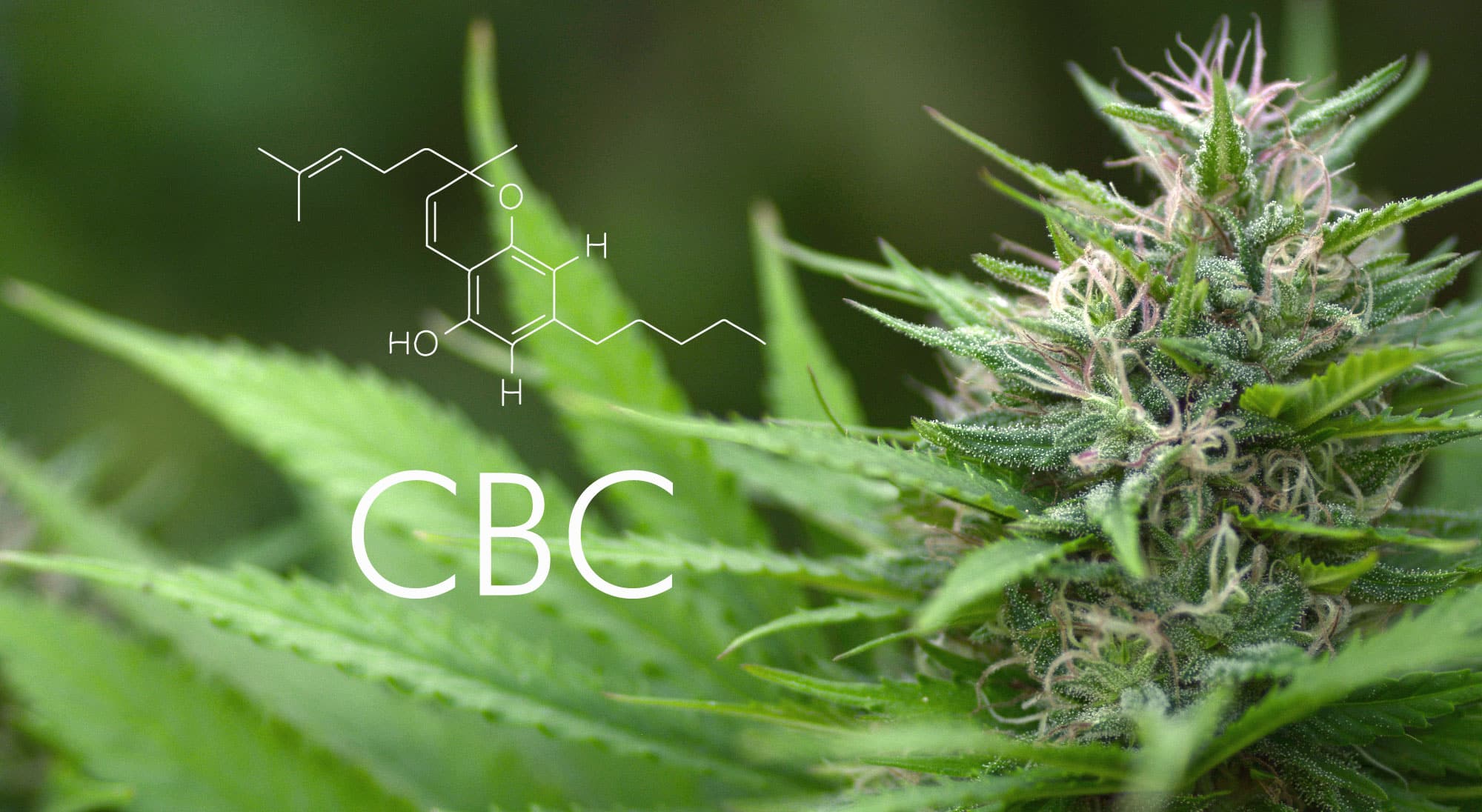
Cannabichromene (CBC) is one of the many non-psychoactive cannabinoids found in the cannabis plant. It was first isolated in 1966 by the research team of Dr Gaoni and Dr Mechoulam while studying the components of cannabis (1).
Its precursor is CBCA, or cannabichromenic acid, which is found predominantly in young plants of Cannabis sativa, so CBC concentrations naturally decline over time (2).
There are some CBC-rich cannabis plants that are the result of years of selective breeding. Plants with high CBC concentrations are said to contain up to 90% of this cannabinoid when the first true leaves appear, falling to between 1 and 5% as the plant matures (3).
Differences between CBC, THC and CBD
CBC shares some similarities with CBD (cannabidiol) and THC (tetrahydrocannabinol), the two most studied cannabinoids found in the cannabis plant.
CBC, THC and CBD have the same molecular structure, made up of 21 carbon atoms, 30 hydrogen atoms and two oxygen atoms (their chemical formula is C21H30O2). However, their chemical arrangement and functional groups differ, which leads to variations in their effects on the body.
Like CBD, CBC does not produce a psychoactive effect like the one associated with THC, which makes it a more attractive option for making the most of its properties.
Another distinctive feature is that CBC proportions tend to be higher when light is reduced, which sets it apart from the other cannabinoids, CBD and THC, which decrease when light exposure is reduced (3). In addition, cannabichromene can be converted into cannabicyclol (CBL) by heat (13).

What effects does CBC have on the endocannabinoid system?
Cannabichromene exerts its effects on the human body by interacting with the endocannabinoid system, which is responsible for maintaining balance in various physiological processes. The endocannabinoid system has two key receptors (CB1 and CB2) and the endocannabinoid substances that interact with them. However, there are also other receptors affected by endocannabinoids, such as transient receptor potential (TRP) channels.
CBC does not interact with the CB1 receptor, but it inhibits the inactivation of endocannabinoids (5), the substances the body produces itself to activate cannabinoid receptors. In other words, CBC helps prolong the action of endocannabinoids by slowing down their deactivation.
The CB2 receptor has several key functions, including modulation of the immune system, anti-inflammatory action, analgesic effects, neuroimmune protection and regulation of cell proliferation.
In addition, cannabichromene may act in synergy with other cannabis compounds, such as cannabinoids and terpenes, helping to modulate or enhance their effects. This is known as the cannabis entourage effect.
These properties of cannabichromene may have implications for the effects of cannabis and its potential benefits.
Potential benefits and medical applications of CBC
Anti-inflammatory, analgesic and sedative
Scientific research has shown multiple therapeutic effects of CBC. CBC has been studied for its anti-inflammatory (6), sedative and analgesic properties (7, 8).
Its therapeutic effects, such as reducing pain and inflammation (9), are linked to the interaction of CBC with TRP cation channels (TRPA1, TRPV1-4 and TRPM8) (11).
Depression
In addition, a study in mice found that CBC may have a slight antidepressant effect (10). CBC has been shown to inhibit the uptake of anandamide (11), an endocannabinoid involved in mood regulation, which could raise anandamide levels in the body and reduce depression.
Other properties of CBC
CBC has also been investigated for its potential as an anticancer agent. Some studies suggest that it may inhibit the growth of certain types of cancer cells, such as breast, prostate, colorectal and gastric cancer cells (8). That said, more research is needed to fully understand its mechanisms of action and therapeutic potential in animals and humans.
CBC can also regulate intestinal motility, the movements the digestive system makes to move its contents along. It does so through a mechanism that does not depend on TRPA1 receptors or cannabinoid receptors (5), which is of interest for inflammatory bowel diseases, where motility is altered.
* You might be interested in: CBD for the gut
Another documented characteristic of CBC is its antibacterial activity, which has been shown against the bacterium *Staphylococcus aureus *(12).
How is CBC taken?
CBC is produced in small amounts in the cannabis plant, and its concentration also falls as the plant ages. This is why it is hard to find this cannabinoid in high concentrations in CBD flower and in CBD hash.
It is usually found in small amounts in products such as cannabis flower from strains with predominantly high CBC concentrations, hash made from that cannabis, extracts, full spectrum CBD oils and edibles made with these extracts, such as cannabis gummies. Bear in mind that the CBC content can differ for each cannabis strain and product.
There are also CBC isolate products, although they are less common than CBD and THC products. These products are designed to deliver CBC in concentrated form, often as tinctures or capsules. It may be of synthetic origin, as CBC can be synthesised from olivetol (13). However, availability may vary depending on the local regulations of the country you are in.
CBC legality: is it legal?
In many countries, the cannabinoid CBC is not specifically regulated, and its legal status may vary from one country to another. Nor does it receive much attention within the recreational cannabis scene, since CBC has no psychoactive properties. In general, cannabichromene is not illegal as long as it is not derived from the high-THC cannabis plant or from THC, but from hemp plants. Depending on the country, there may be additional regulations, such as a ban on using cannabinoids in products taken by mouth.
If you are planning to travel with cannabis, we recommend checking the laws that apply in your destination country.
The near future of CBC: why research matters
It is crucial to bear in mind that the future of CBC and its commercial availability depend on factors such as regulatory frameworks, scientific discoveries and consumer demand. As with any cannabinoid, more research and clinical studies are needed to fully understand its efficacy, safety and potential medical applications.
Although the future of CBC is uncertain, as scientific knowledge and understanding of cannabinoids advance, CBC stands out as a promising cannabinoid with unique properties and effects. So, if research continues to reveal health benefits of CBC, products containing it may become more widely available and help to demystify cannabinoid compounds around the world.
At Cannactiva you will find the best CBD cannabis strains and full spectrum cannabidiol products, which contain minor cannabinoids such as CBC:
Note: This is an informational article and is not intended to prevent, diagnose or treat any disease. Its content may complement, but should never replace, the diagnosis or treatment of any disease or symptom. Cannactiva products are not medicines and are intended for external use. New relevant scientific evidence may have emerged since the date of publication. Consult your doctor before using CBD. The therapeutic approach should always be personalised and will depend on a professional assessment.
References
- Gaoni, Y., & Mechoulam, R. (1966). Cannabichromene a new active principle in hashish, Chem. Commun. 20–21. https://doi.org/10.1039/C19660000020
- Andre, C. M., Hausman, J. F., & Guerriero, G. (2016). Cannabis sativa: The Plant of the Thousand and One Molecules. Frontiers in plant science, 7, 19. https://doi.org/10.3389/fpls.2016.00019
- de Meijer, E.P.M., Hammond, K.M. & Micheler, M. (2009). The inheritance of chemical phenotype in Cannabis sativa L. (III): variation in cannabichromene proportion. Euphytica 165, 293–311. https://doi.org/10.1007/s10681-008-9787-1
- Morales, P., Hurst, D. P., & Reggio, P. H. (2017). Molecular Targets of the Phytocannabinoids: A Complex Picture. Progress in the chemistry of organic natural products, 103, 103–131. https://doi.org/10.1007/978-3-319-45541-9_4
- Izzo, A. A., Capasso, R., Aviello, G., Borrelli, F., Romano, B., Piscitelli, F., Gallo, L., Capasso, F., Orlando, P., & Di Marzo, V. (2012). Inhibitory effect of cannabichromene, a major non-psychotropic cannabinoid extracted from Cannabis sativa, on inflammation-induced hypermotility in mice. British journal of pharmacology, 166(4), 1444–1460. https://doi.org/10.1111/j.1476-5381.2012.01879.x
- DeLong, G. T., Wolf, C. E., Poklis, A., & Lichtman, A. H. (2010). Pharmacological evaluation of the natural constituent of Cannabis sativa, cannabichromene and its modulation by Δ(9)-tetrahydrocannabinol. Drug and alcohol dependence, 112(1-2), 126–133. https://doi.org/10.1016/j.drugalcdep.2010.05.019
- Davis, W. M., & Hatoum, N. S. (1983). Neurobehavioral actions of cannabichromene and interactions with delta 9-tetrahydrocannabinol. General pharmacology, 14(2), 247–252. https://doi.org/10.1016/0306-3623(83)90004-6
- Izzo, A. A., Borrelli, F., Capasso, R., Di Marzo, V., & Mechoulam, R. (2009). Non-psychotropic plant cannabinoids: new therapeutic opportunities from an ancient herb. Trends in pharmacological sciences, 30(10), 515–527. https://doi.org/10.1016/j.tips.2009.07.006
- Maione, S., Piscitelli, F., Gatta, L., Vita, D., De Petrocellis, L., Palazzo, E., de Novellis, V., & Di Marzo, V. (2011). Non-psychoactive cannabinoids modulate the descending pathway of antinociception in anaesthetized rats through several mechanisms of action. British journal of pharmacology, 162(3), 584–596. https://doi.org/10.1111/j.1476-5381.2010.01063.x
- El-Alfy, A. T., Ivey, K., Robinson, K., Ahmed, S., Radwan, M., Slade, D., Khan, I., ElSohly, M., & Ross, S. (2010). Antidepressant-like effect of delta9-tetrahydrocannabinol and other cannabinoids isolated from Cannabis sativa L. Pharmacology, biochemistry, and behavior, 95(4), 434–442. https://doi.org/10.1016/j.pbb.2010.03.004
- De Petrocellis, L., Ligresti, A., Moriello, A. S., Allarà, M., Bisogno, T., Petrosino, S., Stott, C. G., & Di Marzo, V. (2011). Effects of cannabinoids and cannabinoid-enriched Cannabis extracts on TRP channels and endocannabinoid metabolic enzymes. British journal of pharmacology, 163(7), 1479–1494. https://doi.org/10.1111/j.1476-5381.2010.01166.x
- Turner, C. E., & Elsohly, M. A. (1981). Biological activity of cannabichromene, its homologs and isomers. Journal of clinical pharmacology, 21(S1), 283S–291S. https://doi.org/10.1002/j.1552-4604.1981.tb02606.x
- Nguyen, G. N., Jordan, E. N., & Kayser, O. (2022). Synthetic Strategies for Rare Cannabinoids Derived from Cannabis sativa. Journal of natural products, 85(6), 1555–1568. https://doi.org/10.1021/acs.jnatprod.2c00155