What is THCV and what are its effects?
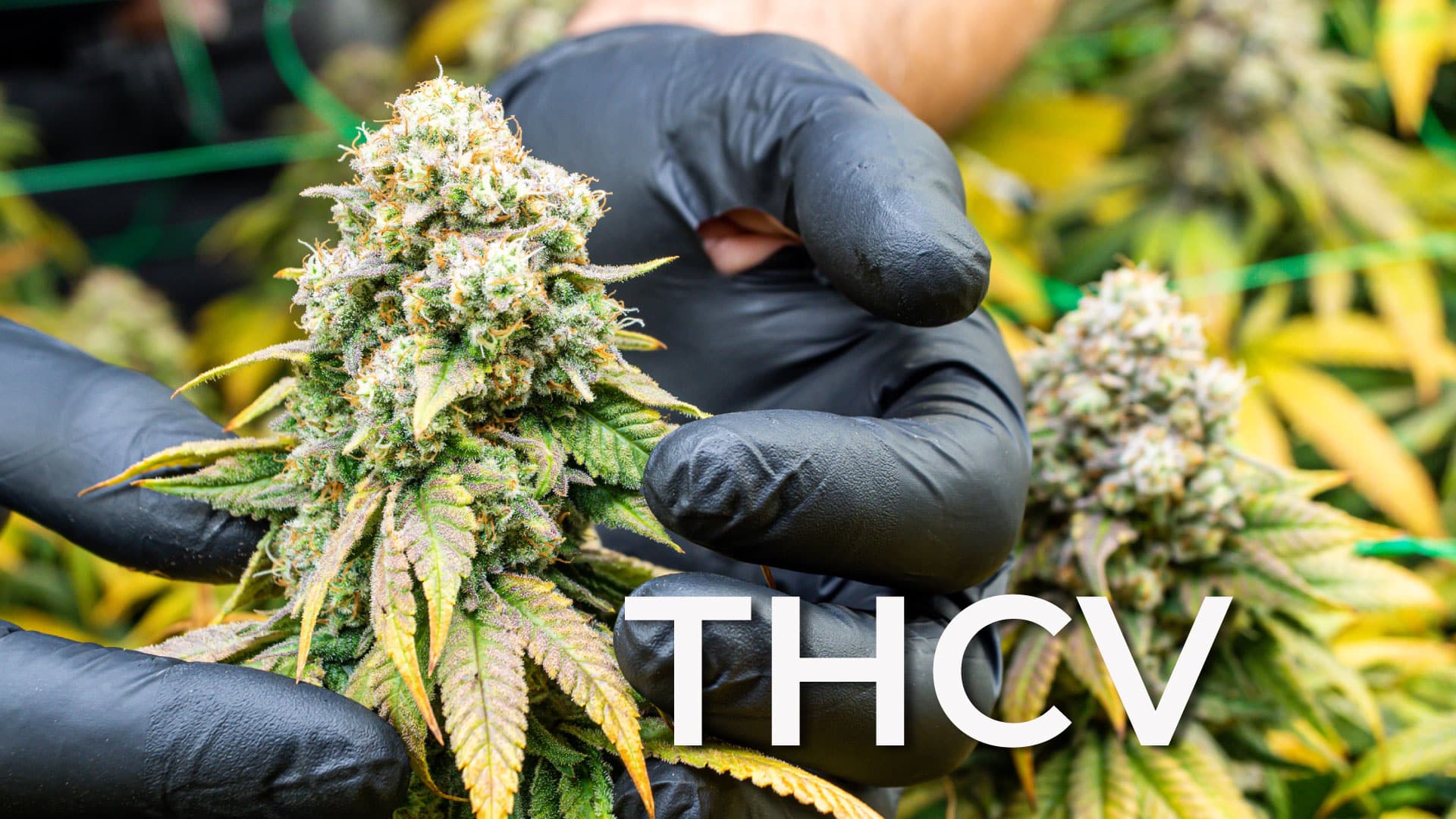
In the world of cannabis plant research, minor cannabinoids such as THCV (tetrahydrocannabivarin) have experienced a significant boom in recent years. THCV stands out among other cannabinoids for its potential benefits in controlling obesity. Furthermore, despite its similarity to THC, THCV is not psychoactive and is even thought to lessen the psychoactive effects of THC.
In this post we take a closer look at what THCV is and at the characteristics, properties and effects that make it so special.
What is THCV?
THCV or tetrahydrocannabivarin is a non-psychoactive type of cannabinoid (1) that occurs naturally in the cannabis plant and that you can find in full spectrum CBD oils and in CBD flower. This cannabinoid has unique characteristics that distinguish it from THC and CBD (tetrahydrocannabinol and cannabidiol).
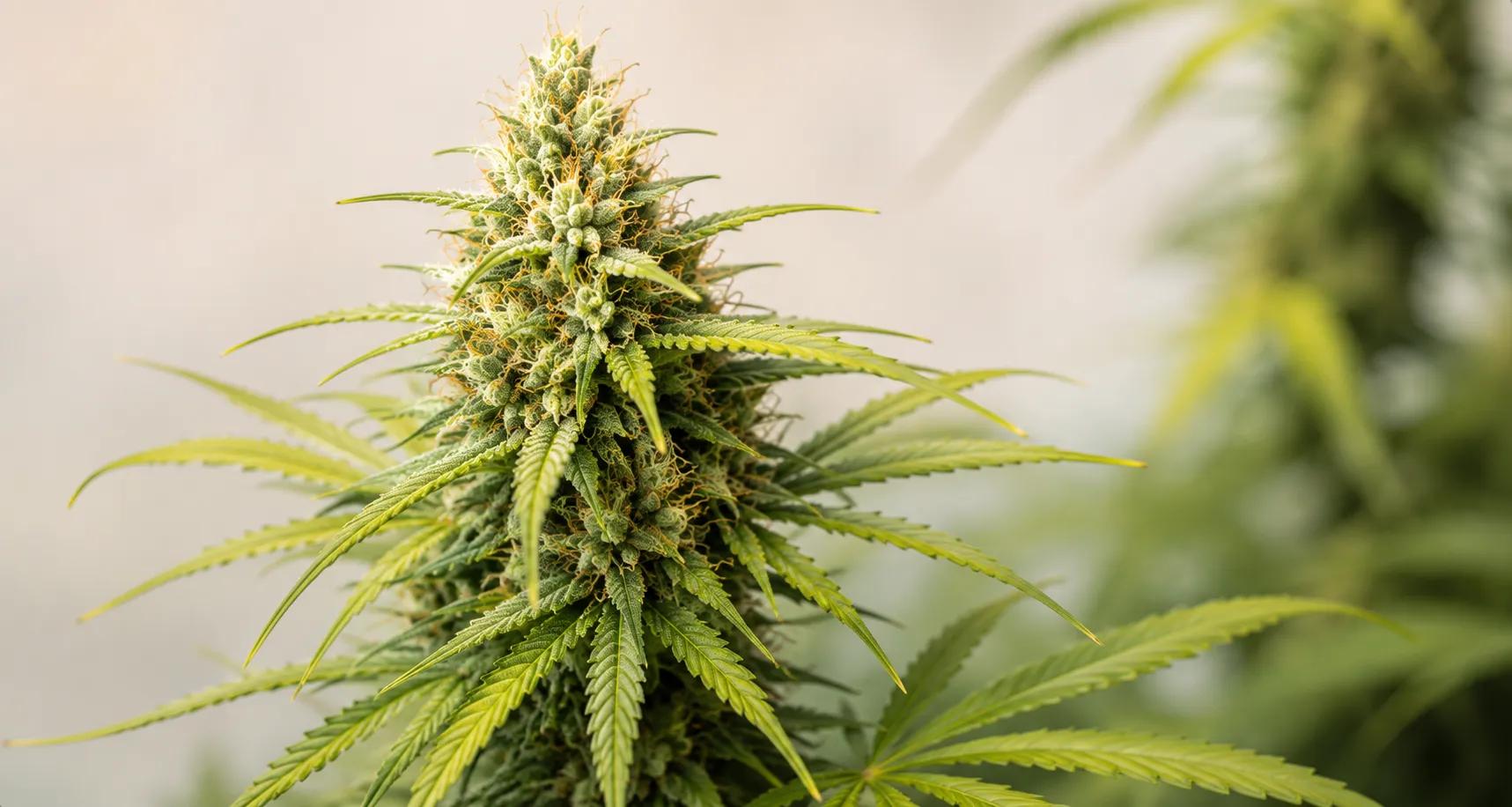
Like other cannabinoids, THCV is produced in the cannabis trichomes, those tiny structures shaped like microscopic mushrooms that cover the flowers and leaves of the cannabis plant.
The chemical formula of THCV is C19H26O2. It is found in small amounts in cannabis flowers, but through selective crossing, or breeding, chemovars with slightly higher concentrations have been developed. Even so, THCV is not usually among the predominant cannabinoids in cannabis strains.
Origin and synthesis of THCV
THCV is derived from CBGVA or cannabigerovarinic acid which, together with CBGA (cannabigerolic acid), are the two fundamental cannabinoid precursors of the cannabis plant, from which the other cannabinoids are derived. Although laboratory synthesis is possible, it is not common practice.
The process by which the cannabis plant produces its cannabinoid compounds is called cannabinoid biosynthesis.
While CBGA is the precursor of tetrahydrocannabinol (THC), cannabidiol (CBD) and cannabichromene (CBC), the varin cannabinoids THCV, CBDV and CBCV are formed from CBGVA, in their acid form.
Specifically, through the enzyme THCA synthase, CBGVA is converted into THCVA. Then, under the influence of heat and light, THCVA is decarboxylated to form THCV (2). For the time being, its synthesis in the laboratory is not a common practice for commercial purposes.
Differences between THCV, THC and CBD
Unlike the well-known THC (tetrahydrocannabinol), THCV is characterised by its low psychoactive activity, which offers potential therapeutic benefits without inducing strong psychotropic effects.
The chemical structure of THCV differentiates it from both THC and CBD, which influences its interactions with the receptors of the endocannabinoid system.
Properties and effects of THCV
Some properties of THCV are similar to those of CBD, such as its possible anti-inflammatory effects and its usefulness in neurological disorders. On the other hand, unlike other cannabinoids, some research indicates that THCV may be useful in weight control, diabetes and obesity through glucose metabolism.
THCV and the endocannabinoid system
THCV interacts with the human body's endocannabinoid system through the CB1 and CB2 receptors. Like THC and CBD, THCV is able to bind to CB1 and CB2 receptors (3).
THCV shows a particular interaction with these cannabinoid receptors. When it binds to the CB1 receptor, it does so in a way known as “inverse agonism”, which means that it binds to the receptor and exerts the opposite effect to that of its agonist; in other words, it decreases the receptor's activity. CB1 receptor activation is usually linked to a psychoactive response, as these receptors are found largely in the central nervous system. In the same way, the THC we all know from cannabis binds to the CB1 receptor as an agonist, producing a psychoactive effect.
As an “inverse agonist” of the CB1 receptor, THCV does not produce a psychoactive response, and it is thought that it could reduce the psychoactive effect of THC, although the precise mechanisms are not yet known.
Regarding the ability of THCV to bind to CB2 receptors, it appears that, depending on the dose, it could act as an agonist or antagonist, meaning that it can both increase and decrease the activity of these receptors (1).
Potential benefits and therapeutic applications of THCV
The effects of THCV include a wide range of therapeutic possibilities which, although they have been suggested by preclinical or experimental studies, are mapping out a path that could have a major impact on medicine.
Anti-inflammatory
One of the benefits of THCV is that it can reduce inflammation. It has been observed that the effect of THCV on inflammation is due to its interaction with CB1 and CB2 receptors, and to its interference with the nitric oxide pathway, which promotes inflammation (4, 5).
Antiepileptic
A study in rodents indicates that THCV helps to reduce the incidence of seizures in a model of epilepsy (6). This benefit of THCV as an anticonvulsant is linked to mechanisms related to the CB1 receptor.
Parkinson's disease
Apparently, one of the effects of THCV on the brain is that it can protect dopaminergic neurons. These neurons are the ones that die or deteriorate in Parkinson's disease, so the benefit of THCV in Parkinson's may be significant (7).

Glucose regulation
Some studies have observed that one benefit of THCV is its ability to regulate glucose. THCV increased energy expenditure by increasing insulin sensitivity in an animal model (8). Likewise, in a study with type 2 diabetes patients, THCV proved a good means of controlling blood glucose (9).
Hunger reduction
Apparently, THCV can promote reduced food intake (hypophagia), according to the findings of a preclinical model (10). This could make THCV a treatment for obesity.
How is THCV taken?
THCV can be found in cannabis flower and its by-products, such as oils, tinctures and concentrates, as long as they are full spectrum. For example, in CBD oils or in indoor CBD flower strains.
On the other hand, in some countries where the oral consumption of cannabinoids is regulated, there are also edible products such as gummies that contain THCV isolated from the cannabis plant.
THCV dosage
To date, the only THCV dose studied in humans has been 5 mg of THCV twice a day (9). The clinical study that used this dose of THCV was carried out in patients with type 2 diabetes, who took the THCV orally on an empty stomach, 30 min before breakfast and 30 min before dinner.
There are some other ongoing clinical studies that may reveal new effects of THCV at different doses. For now, although there is scientific evidence of many other properties of THCV, it has not yet reached the clinical phase of research.
Side effects and toxicity of THCV
THCV appears to have a relatively favourable safety profile. No serious adverse effects or side effects of THCV have been reported so far.
Because further research is needed, we cannot rule out THCV toxicity. The risks of THCV are most likely minimal, but we cannot take for granted something that still needs thorough long-term research.
Legal status and regulation of THCV
As a non-psychotropic cannabinoid found in low amounts in cannabis, THCV has slipped under the legal radar. As a result, THCV is not listed in its own right in the international schedules of controlled substances, although some countries, such as the United Kingdom, do control it. However, its use in food products is not approved in European countries, so, at least for the time being, you cannot find it in supplements, gummies or food products.
THCV is emerging as a promising cannabinoid with properties that set it apart from other cannabinoids. The benefits of THCV in diabetes and obesity control could lead to further research, which will probably uncover other properties of THCV in the future. As medical and scientific exploration advances, cannabinoids such as THCV could become great allies in improving people's health and well-being.
This article is intended for informational purposes only and is not intended to diagnose, prevent or cure any disease or symptom. Its content can complement, but never replace, the diagnosis or treatment of any disease or symptom. Cannactiva products are not medicines and are intended for external use. We recommend that you consult a health professional before using CBD products.
References
- Abioye, A., Ayodele, O., Marinkovic, A., Patidar, R., Akinwekomi, A., & Sanyaolu, A. (2020). Δ9-Tetrahydrocannabivarin (THCV): a commentary on potential therapeutic benefit for the management of obesity and diabetes. Journal of cannabis research, 2(1), 6. https://doi.org/10.1186/s42238-020-0016-7
- Hanuš, L. O., Meyer, S. M., Muñoz, E., Taglialatela-Scafati, O., & Appendino, G. (2016). Phytocannabinoids: a unified critical inventory. Natural product reports, 33(12), 1357–1392. https://doi.org/10.1039/c6np00074f
- Walsh, K. B., McKinney, A. E., & Holmes, A. E. (2021). Minor Cannabinoids: Biosynthesis, Molecular Pharmacology and Potential Therapeutic Uses. Frontiers in pharmacology, 12, 777804. https://doi.org/10.3389/fphar.2021.777804
- Bolognini, D., Costa, B., Maione, S., Comelli, F., Marini, P., Di Marzo, V., Parolaro, D., Ross, R. A., Gauson, L. A., Cascio, M. G., & Pertwee, R. G. (2010). The plant cannabinoid Delta9-tetrahydrocannabivarin can decrease signs of inflammation and inflammatory pain in mice. British journal of pharmacology, 160(3), 677–687. https://doi.org/10.1111/j.1476-5381.2010.00756.x
- Romano, B., Pagano, E., Orlando, P., Capasso, R., Cascio, M. G., Pertwee, R., Marzo, V. D., Izzo, A. A., & Borrelli, F. (2016). Pure Δ9-tetrahydrocannabivarin and a Cannabis sativa extract with high content in Δ9-tetrahydrocannabivarin inhibit nitrite production in murine peritoneal macrophages. Pharmacological research, 113(Pt A), 199–208. https://doi.org/10.1016/j.phrs.2016.07.045
- Hill, A. J., Weston, S. E., Jones, N. A., Smith, I., Bevan, S. A., Williamson, E. M., Stephens, G. J., Williams, C. M., & Whalley, B. J. (2010). Δ⁹-Tetrahydrocannabivarin suppresses in vitro epileptiform and in vivo seizure activity in adult rats. Epilepsia, 51(8), 1522–1532. https://doi.org/10.1111/j.1528-1167.2010.02523.x
- García, C., Palomo-Garo, C., García-Arencibia, M., Ramos, J., Pertwee, R., & Fernández-Ruiz, J. (2011). Symptom-relieving and neuroprotective effects of the phytocannabinoid Δ⁹-THCV in animal models of Parkinson's disease. British journal of pharmacology, 163(7), 1495–1506. https://doi.org/10.1111/j.1476-5381.2011.01278.x
- Wargent, E. T., Zaibi, M. S., Silvestri, C., Hislop, D. C., Stocker, C. J., Stott, C. G., Guy, G. W., Duncan, M., Di Marzo, V., & Cawthorne, M. A. (2013). The cannabinoid Δ(9)-tetrahydrocannabivarin (THCV) ameliorates insulin sensitivity in two mouse models of obesity. Nutrition & diabetes, 3(5), e68. https://doi.org/10.1038/nutd.2013.9
- Jadoon, K. A., Ratcliffe, S. H., Barrett, D. A., Thomas, E. L., Stott, C., Bell, J. D., O'Sullivan, S. E., & Tan, G. D. (2016). Efficacy and Safety of Cannabidiol and Tetrahydrocannabivarin on Glycemic and Lipid Parameters in Patients With Type 2 Diabetes: A Randomized, Double-Blind, Placebo-Controlled, Parallel Group Pilot Study. Diabetes care, 39(10), 1777–1786. https://doi.org/10.2337/dc16-0650
- Riedel, G., Fadda, P., McKillop-Smith, S., Pertwee, R. G., Platt, B., & Robinson, L. (2009). Synthetic and plant-derived cannabinoid receptor antagonists show hypophagic properties in fasted and non-fasted mice. British journal of pharmacology, 156(7), 1154–1166. https://doi.org/10.1111/j.1476-5381.2008.00107.x