The terpene in this article is one of the stars of any pine forest. Pinene: a volatile compound produced in large quantities by pines and other conifers, and one that is also very present in cannabis.
Pinene is actually two terpenes: alpha-pinene and beta-pinene, each with its own unique characteristics and effects. In this post we invite you to discover some fascinating facts about this cannabis aroma.
Pinene: what is it and what effect does this terpene have in cannabis?
An introduction to the terpene pinene and its aromas
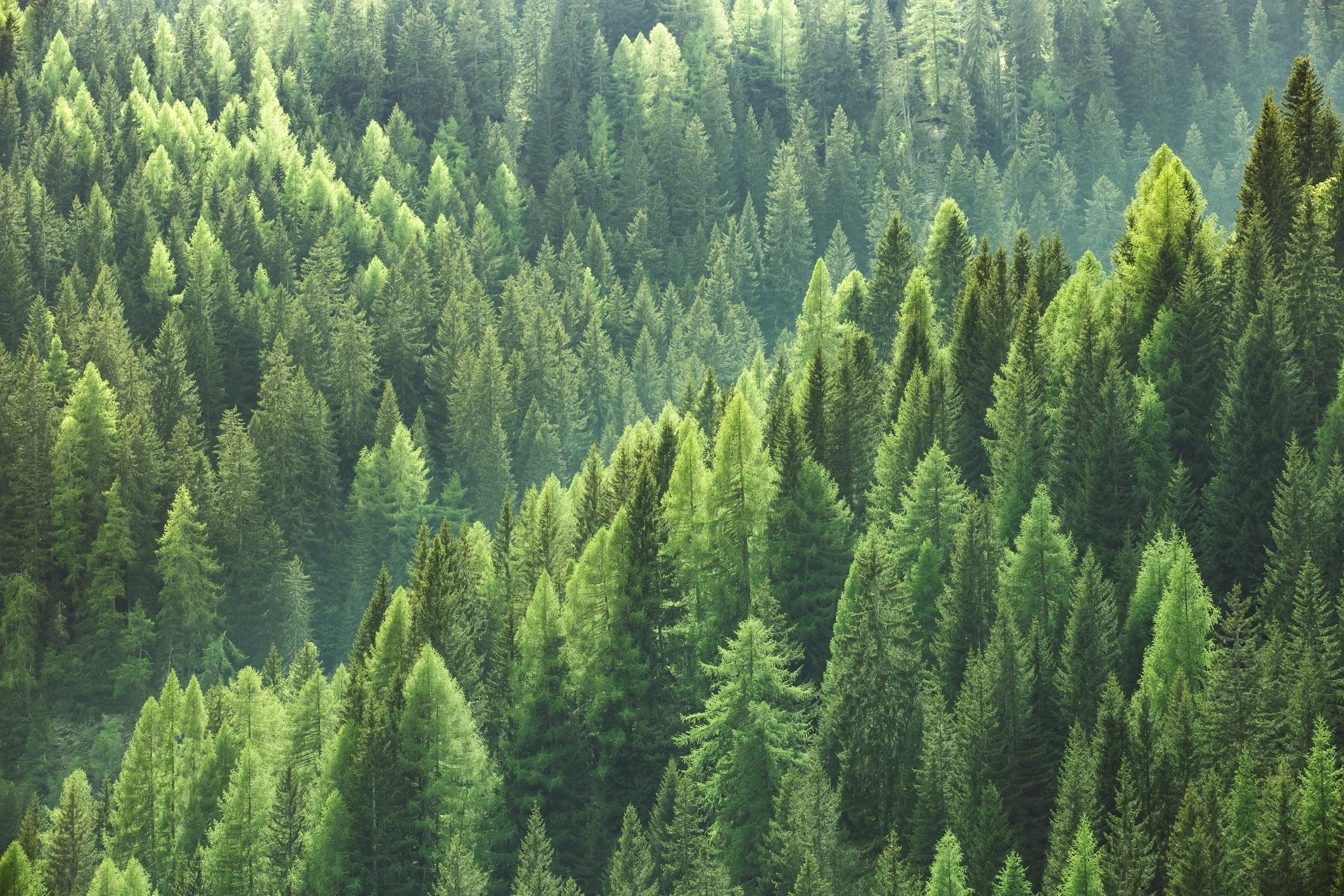
To discover the aroma of pinene, let's head into a lush forest. After a long summer's day, we go out for a walk to enjoy the last hours of daylight, making the most of the pleasant early-evening temperature. You can feel a gentle breeze moving the branches and leaves.
The pines rise majestically, stretching their branches towards the sky. Their needle-like leaves and green pine cones adorn every branch, bringing freshness to the landscape. On the trunks, a treasure is revealed in every groove: the resin flowing like amber-coloured tears. In the soft light of dusk, the golden glow of the glinting resin blends with the play of shadows between the trees.
The air is filled with a distinctive smell: the heady fresh fragrance of resin and green wood. The whole forest whispers in silence and we sink into its serenity. We breathe in deeply to fill ourselves with that pleasant smell. It's like a balm for the soul that fills us with calm. We're here and now, nothing more. Attentive and at ease.
We get home, open a bag of Gorilla Glue CBD flower and we're struck by the same fresh, woody, resinous aroma... Pinene, we can't see you but we can feel you: tell us in this post why you're capable of so much good.
What is pinene?
Pinene is a terpene found mainly in pine trees, to which it owes its name. It is also found in certain cannabis strains and, although it is not a strain's predominant terpene, it adds woody, resinous and fresh background notes.
In fact, pinene is two different terpenes: alpha- and beta-pinene. Although they are very similar, there are subtle differences in their aromatic qualities.
Pinene has a fresh, woody aroma, evoking notes of green resin and pine. There are also subtle differences between the aroma of alpha-pinene and beta-pinene.
Chemistry
Pinene is a bicyclic monoterpene and therefore one of the lightest classes of terpenes, the most volatile and the quickest to reach our sense of smell, which is why it is one of the first aromas we notice.
Alpha- and beta-pinene have the same molecular formula (their number of atoms is identical), but different structures, and are what chemistry calls isomers. What matters to us is that, depending on its structure, this bicyclic monoterpene will have slightly different properties.
These variations can also be noticed in their smell. Although both have a similar aroma, they show subtle differences in nuance.
Aroma
Pinene smells, first and foremost, of pine. It's no coincidence: conifers, the botanical family of cone-bearing trees such as pines, cedars and firs, are by far the biggest producers of pinene in the plant kingdom.
Think of a walk through a pine forest, with that fresh, earthy aroma of green pine wood with hints of resin. Picture the pine cones, the sticky amber resin slowly sliding down the trunk, and the green of the needles on the branches. Can you imagine the fragrance of the scene? Can you smell it? Well, that is pinene's predominant aroma.
Differences between alpha- and beta-pinene
Alpha-pinene, also known as α-pinene, is found mainly in pine resin (*Pinus *spp.), but also in eucalyptus, in frankincense (Boswellia frereana), in juniper tar and in rosemary essential oil.
But where it really stands out is as the main component of turpentine (the distillate of pine resin), giving it that characteristic fresh, penetrating aroma of freshly cut green wood, resin and pine, with more prominent balsamic notes than beta-pinene. It is also the main compound responsible for the smell of the forest. In cannabis, this isomer is usually more abundant than beta-pinene.
Alpha-pinene has a fresh, earthy aroma of green wood, resin and pine, with prominent balsamic notes.
By contrast, beta-pinene, also called β-pinene, although also abundant in pine trees, is also very present in the essential oils of some herbs and spices, such as parsley, coriander, celery, bay leaf and nutmeg, and in a very distinctive fruit: blackcurrant.
The aroma of beta-pinene is fresh and woody, with notes of pine and resin, but, unlike alpha-pinene, it is more aromatic, herbaceous and earthy and has a spicy hint of pepper and nutmeg.
Beta-pinene has a fresh, woody aroma, with herbaceous nuances and spicy notes of black pepper and nutmeg.
Where are alpha- and beta-pinene found?
All trees in the conifer family produce both alpha- and beta-pinene in their leaves (needles) and in their sap or resin. Can you imagine the smell of freshly cut pine wood, with its drops of resin still fresh? That is exactly the purest aroma of pinene.
In fact, the word terpene has its etymological origin in the Greek word terebinth, the old name for turpentine, which is made up mainly of alpha- and beta-pinene (alpha-pinene is usually more abundant than its beta isomer). Plant chemotypes in which beta-pinene predominates are rare.
The same happens in other plants such as cannabis: the alpha form is more common, and most of the strains analysed that are rich in beta-pinene also contain high levels of alpha-pinene.
Which CBD flower strains are rich in pinene?
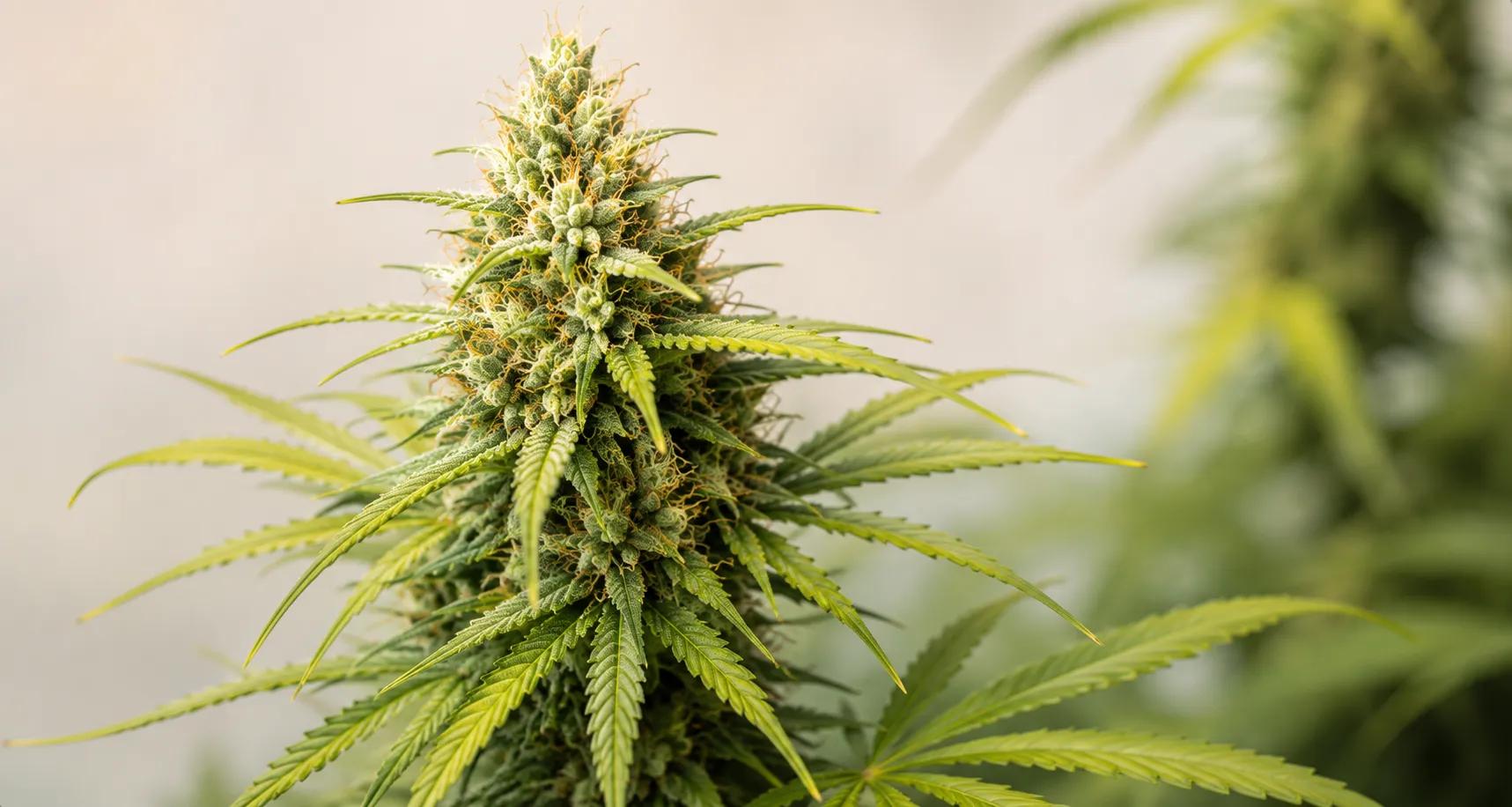
Like other terpenes, pinene in cannabis is produced in the part of the plant where the magic happens: the cannabis trichomes, the resin glands produced on the flowers of female plants, which secrete cannabinoids and terpenes, including alpha- and beta-pinene.
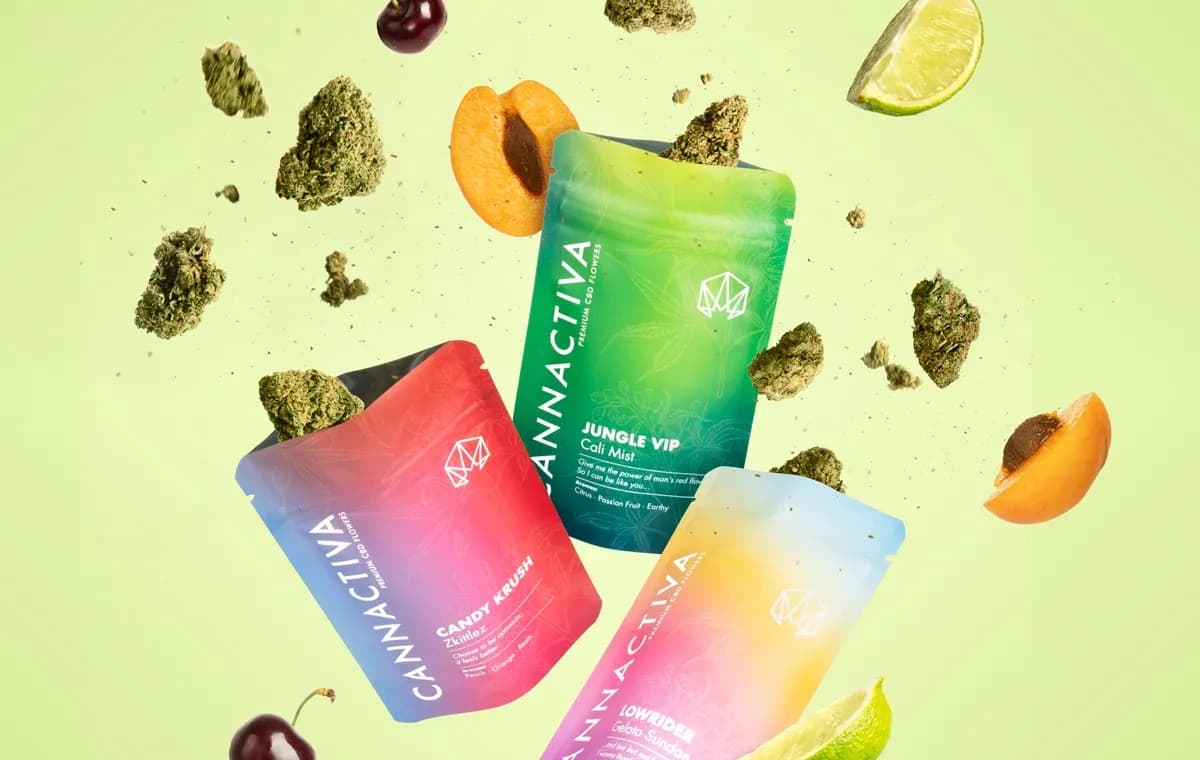
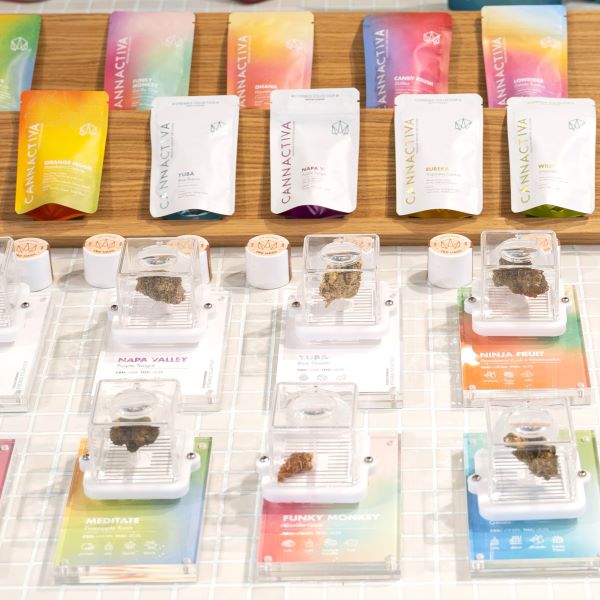
The CBD flower strains richest in pinene at Cannactiva are:
The strains richest in alpha-pinene are Gorilla Glue CBD flower, Sweet Spot (Watermelon CBD x Zkittlez) and The Elder (Space Queen). The strains richest in beta-pinene are, once again, Gorilla Glue (Funky Monkey) and The Elder (Space Queen).
Visit our CBD flower section to see the whole catalogue
Cannabis strains rich in pinene
There is a wealth of literature published by cannabis flower *connoisseurs *whose expert taster's nose rightly points them towards pinene-rich buds. And all this empirical evidence agrees on one thing: strains with pinene as the predominant terpene are scarce: pinene plays hard to get, but when it is there, its presence is unmistakable.
When we smell a cannabis flower and notice a background aroma of timber and resin that we instantly associate with wood, we are dealing with a strain that has some pinene. If you have smelt the legendary Moby Dick you know what we're talking about. Another legendary strain that comes up time and again in lists of pinene-rich varieties is Critical. This strain, so highly prized in Europe and with a Made in Spain designation of origin, owes part of its success to those resinous background notes.
How can you preserve pinene in cannabis?
Because it is a monoterpene, pinene is more volatile and lighter than other aromatic compounds in cannabis. More volatile, lighter: keeping it intact is no easy task. As always, humidity, heat and light can play tricks on it. To be precise: the evaporation of α-pinene occurs at 156 degrees (°C), and that of β-pinene at 163 degrees (°C). Exposed to higher temperatures, they break down.
What effect does pinene have in cannabis?
The so-called entourage effect, or the synergy that the different compounds in cannabis exert on one another, explains how pinene can enhance the activity of other terpenes and of the cannabinoids themselves.
Alpha-pinene and beta-pinene are known to be able to act synergistically to reduce inflammation (5) and, together with limonene, may have a synergistic antibacterial effect (7, 8).

It could also be hypothesised that, since many of pinene's effects are similar to the applications of cannabidiol (CBD), the two could work in synergy in their anti-inflammatory and neuroprotective properties. But more scientific studies are still needed to back up these possible uses of pinene.
Possible effects on mood and energy
Even without conclusive scientific literature or clinical trials, it is common to hear that strains with high levels of pinene help to sharpen focus.
Properties and benefits of pinene
The mystery of pinene: its effects on the brain
Pinene's fresh, earthy fragrance has an aromatherapeutic effect, helping to relax the mind and body and lift our mood. This pine-scented terpene is one of the reasons behind the benefits of forest bathing, which has been shown to promote a state of calm and reduce stress and anxiety levels in people (1, 2).
Pinene has a relaxing, calming effect. It is credited with properties that reduce stress and improve mood and sleep quality.
The exact mechanisms by which pinene exerts its effects on mood are not known. Neither alpha- nor beta-pinene appears to interact with the CB1 and CB2 cannabinoid receptors, but both isomers have been observed to be able to act on the brain. Like other monoterpenes, pinene is a tiny molecule that is quickly absorbed whether it is inhaled, ingested or applied topically. It reaches the bloodstream and from there travels to the brain, where it can easily cross the blood–brain barrier and act on different receptors in the central nervous system.
Alpha-pinene can positively influence GABA receptors in the brain. It acts as a positive modulator, which means it can enhance the effect of the inhibitory neurotransmitter GABA (which lowers neuronal activity and promotes relaxation and calm). In an animal study, this terpene was observed to help improve sleep, suggesting that it may have beneficial effects on the quality of rest. Beta-pinene, for its part, appears to interact with serotonin and β-adrenergic receptors, which in preliminary studies has shown an antidepressant effect.
In addition, both alpha- and beta-pinene appear to be able to raise dopamine concentrations in the striatum, the part of the brain involved in regulating mood, motivation and pleasure.
Other studies have shown that pinene has neuroprotective, anti-inflammatory and antioxidant properties, which would point to potential benefits for the nervous system. In animal models, alpha-pinene has reduced neuronal damage in ischaemia and stroke.
All these effects on brain receptors and their neurotransmitters suggest pinene's potential for possible anxiolytic, antidepressant, anti-inflammatory, analgesic and neuroprotective properties (2).
Can pinene improve memory?
One of the most popular properties attributed to this terpene found in cannabis is that it helps to improve memory, and it is even said that it could counteract the effects of THC on short-term memory.
Surprising as it may seem, there are findings on the positive effect of alpha-pinene on memory, and even on improved learning, in laboratory animals (3). This effect seems to be caused by an increase in acetylcholine in the brain, which plays an important role in memory and cognitive abilities. The mechanism of action would be that this terpene increases the activity of the enzyme choline acetyltransferase (ChAT), which is responsible for producing acetylcholine in the brain.
These are the findings on which the renowned cannabis researcher Ethan Russo builds the theory that the pinene in cannabis could help to ease the effects on short-term memory of tetrahydrocannabinol (THC). Russo also bases this theory on an ancient antidote to cannabis intoxication made from calamus root (Acorus calamus), a medicinal plant whose active ingredient (beta-asarone, although the plant also contains a large amount of alpha-pinene) has the same effect on acetylcholine (4).
Alpha-pinene has memory-enhancing properties, and it is said that it could counteract the short-term memory deficits induced by THC.
Pinene and insomnia
Through its effects on the neurotransmitter GABA, alpha-pinene could be useful for insomnia and for improving sleep quality. In animal studies, α-pinene has been observed to extend the duration of non-REM sleep and reduce the time it takes to fall asleep (2).
* You may be interested in: CBD for insomnia
Analgesia and pain
Analgesic properties of alpha-pinene have been observed in animal studies. This terpene appears to reduce inflammation, and it is being researched for its possible use in migraines and neuropathic pain. Although the preliminary results are very positive, more research is needed (2).
Pinene and the respiratory system
We've all felt how breathing in the forest opens up the lungs. Pinene, and alpha-pinene in particular, has anti-inflammatory and bronchodilator properties (5) that contribute to this feeling of breathing better in nature.
And that's it for this first introduction to pinene. To give it the send-off it deserves, we suggest a Shinrin-yoku, which in Japanese means “forest bathing”. Put on your trainers and set off for the nearest woodland to your home. While you focus on the sound of the leaves rustling in the wind, breathe in deeply the smell of the forest and its aromas. Now you know you can also find them in your cannabis buds.
References
- Li Q. Effect of forest bathing trips on human immune function. Environ Health Prev Med. 2010 Jan;15(1):9-17. doi: 10.1007/s12199-008-0068-3. PMID: 19568839; PMCID: PMC2793341.
- Weston-Green K, Clunas H, Jimenez Naranjo C. A Review of the Potential Use of Pinene and Linalool as Terpene-Based Medicines for Brain Health: Discovering Novel Therapeutics in the Flavours and Fragrances of Cannabis. Front Psychiatry. 2021 Aug 26;12:583211. doi: 10.3389/fpsyt.2021.583211. PMID: 34512404; PMCID: PMC8426550.
- Lee GY, Lee C, Park GH, Jang JH. Amelioration of Scopolamine-Induced Learning and Memory Impairment by α-Pinene in C57BL/6 Mice. Evid Based Complement Alternat Med. 2017;2017:4926815. doi: 10.1155/2017/4926815. Epub 2017 Nov 1. PMID: 29234406; PMCID: PMC5687139.
- Russo EB. Taming THC: potential cannabis synergy and phytocannabinoid-terpenoid entourage effects. Br J Pharmacol. 2011 Aug;163(7):1344-64. doi: 10.1111/j.1476-5381.2011.01238.x. PMID: 21749363; PMCID: PMC3165946.
- Salehi B, Upadhyay S, Erdogan Orhan I, Kumar Jugran A, L D Jayaweera S, A Dias D, Sharopov F, Taheri Y, Martins N, Baghalpour N, Cho WC, Sharifi-Rad J. Therapeutic Potential of α- and β-Pinene: A Miracle Gift of Nature. Biomolecules. 2019 Nov 14;9(11):738. doi: 10.3390/biom9110738. PMID: 31739596; PMCID: PMC6920849.
- Amagai Y, Katsuta C, Nomura Y, Oida K, Matsuda K, Jang H, Ahn G, Hamasaki T, Matsuda H, Tanaka A. Amelioration of atopic-like skin conditions in NC/Tnd mice by topical application with distilled Alpinia intermedia Gagnep extracts. J Dermatol. 2017 Nov;44(11):1238-1247. doi: 10.1111/1346-8138.13995. Epub 2017 Aug 16. PMID: 28815692; PMCID: PMC5697676.
- Alma, M. H., Nitz, S., Kollmannsberger, H., Digrak, M., Efe, F. T., & Yilmaz, N. (2004). Chemical composition and antimicrobial activity of the essential oils from the gum of Turkish pistachio (Pistacia vera L.). Journal of agricultural and food chemistry, 52(12), 3911–3914. https://doi.org/10.1021/jf040014e
- Dai, J., Zhu, L., Yang, L., & Qiu, J. (2013). Chemical composition, antioxidant and antimicrobial activities of essential oil from Wedelia prostrata. EXCLI journal, 12, 479–490. https://pubmed.ncbi.nlm.nih.gov/26648809/
- US Department of Agriculture. Dr. Duke's Phytochemical and Ethnobotanical Databases. https://phytochem.nal.usda.gov/