Cannabinoids, the molecules of happiness

What are cannabinoids?
Cannabinoids are substances produced by our body or by plants that affect neurotransmitters, mood and pain perception. Although this is one of the body's most primitive cellular communication mechanisms, they were only discovered a little over half a century ago, and most people are still unaware of their benefits.
In this post you'll find everything you need to know about cannabinoids: what they are, what types there are, how they work and how we can boost their effects in the body, based on the latest scientific evidence. Find out everything cannabinoids can do for you!
Definition of cannabinoids
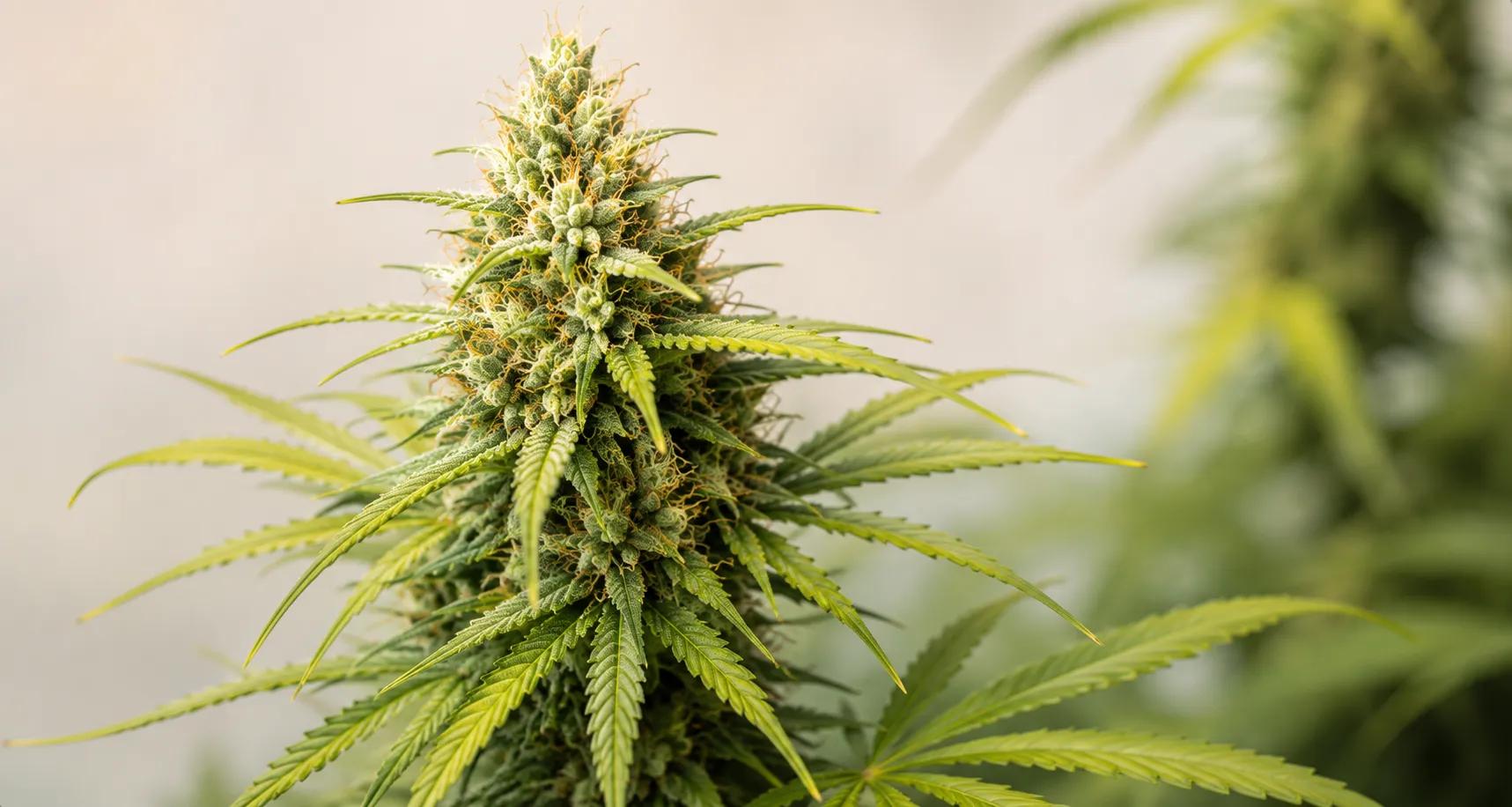
Cannabinoids are chemicals produced by some animals and plants. Their name comes from cannabis, because these compounds were first isolated from the cannabis plant: high-THC cannabis, CBD cannabis and hemp (Cannabis sativa L.).
These substances have their effects on the body by activating the endocannabinoid system, binding to the CB1 and / or CB2 cannabinoid receptors. These receptors play a key role in the control of neurotransmitters. Cannabinoids also activate the TRPV, GPR55, GPR119 and GPR18 receptors, and affect various physiological systems, including the immune, nervous and reproductive systems (1, 2).

Cannabinoids in cannabis bind to the same receptors as endocannabinoids, and have effects on the release of neurotransmitters such as dopamine, GABA and serotonin.
Types of cannabinoids
Cannabinoids can be classified according to their origin into three types:
- Endocannabinoids: the prefix “endo-” comes from Greek and means “inside”. These are the cannabinoids produced by our own body. The two most studied endocannabinoids are anandamide, or arachidonoylethanolamide (AEA), and 2-arachidonoylglycerol (2-AG).
- Phytocannabinoids: these are the cannabinoids that come from the plant world, basically from cannabis. They can be obtained from CBD buds or in extract form (CBD oil). The most abundant cannabinoids are cannabigerol (CBG), cannabichromene (CBC), cannabidiol (CBD) and, in different concentrations depending on the strain, ∆9-THC and cannabinol (CBN).
- Artificial or synthetic cannabinoids: these are man-made for scientific purposes. Laboratories are very interested in studying the endocannabinoid system because of its promising role in developing new drugs. However, there are also cannabinoids of this kind on the market, such as “spice”, “zen” or “k2”. In many countries they are already controlled and banned, and they tend to cause more adverse effects than natural cannabinoids (3, 4).
What effects do cannabinoids have on the body?
Phytocannabinoids, or plant cannabinoids, are able to mimic the body's own endocannabinoids and exert effects on the body. They do so precisely by activating the endocannabinoid system.
These compounds appear to be particularly important in the brain, where they would act as neuromodulators and have a tonic effect (5).
Although the way they work is complex, we could sum it up by saying that cannabinoids work by regulating the release of neurotransmitters such as GABA, dopamine and serotonin (6, 7, 8).
Cannabinoids affect the neurotransmitters GABA, dopamine and serotonin, providing a sense of well-being
GABA regulates brain excitability, which brings about a feeling of calm. Dopamine is the “pleasure neurotransmitter”, which drives us to get something we see as positive. Serotonin is known as “the happiness hormone” because it influences our emotions.
Cannabis also contains other active compounds that enhance the effect of the cannabinoids themselves. This is the case with terpenes, which have a synergistic effect and intensify the effects of phytocannabinoids (9).
The outlook for cannabinoid therapies
In reality, cannabinoids are much more complex and have more effects than their influence on the release of neurotransmitters. There is now an extensive body of scientific literature on the effects of the cannabinoids in high-THC cannabis and CBD cannabis, especially CBD, and their potential therapeutic applications for the treatment of anxiety, insomnia and pain.
For example, endocannabinoid levels have been found to be higher in the areas of the brain related to pain (central grey matter, or periaqueductal grey) (10), and they are being researched as a possible therapy for patients with multiple sclerosis and Parkinson's (11, 12, 13, 14).

What you need to know about cannabinoids
If you want to keep learning about CBD and cannabinoids, stay with our blog! Got a question? Write to us or give us a call – we're here to help!
If you'd never heard of cannabinoids before, here's a summary of the most important points about cannabinoids:
Frequently asked questions
What are phytocannabinoids?
More than 70 cannabinoids are known in cannabis. The best-known phytocannabinoids are CBD and THC. Phytocannabinoids are active compounds in cannabis.
Which plant is the richest in phytocannabinoids?
Cannabis is the plant richest in cannabinoids, specifically high-THC cannabis and CBD cannabis strains. Industrial hemp has a lower concentration of cannabinoids. Other plants also produce cannabinoids, although their structure is different from those in cannabis.
What functions do cannabinoids have?
Cannabinoids (whether the body's own or from cannabis) influence the release of the neurotransmitters GABA, dopamine and serotonin. When this happens, it produces effects in the body.
What are cannabinoids used for?
Therapies with phytocannabinoids are currently being developed, and there are likely to be more and more medicines containing these active compounds in the future.