Humulene is an unfamiliar word, even though what it describes is hugely popular. We could translate it as the aroma of freshly cut grass, damp earth or wood. Do those smells remind you of anything else?
Well, that is down to the terpene humulene: an aromatic ingredient found in a great many plants, especially hops (the essential ingredient of beer), and one of the most common terpenes in cannabis strains, with benefits for our body, and able to modulate the effects of cannabinoids.
What is humulene and what effects does this terpene have in cannabis?
What is humulene?
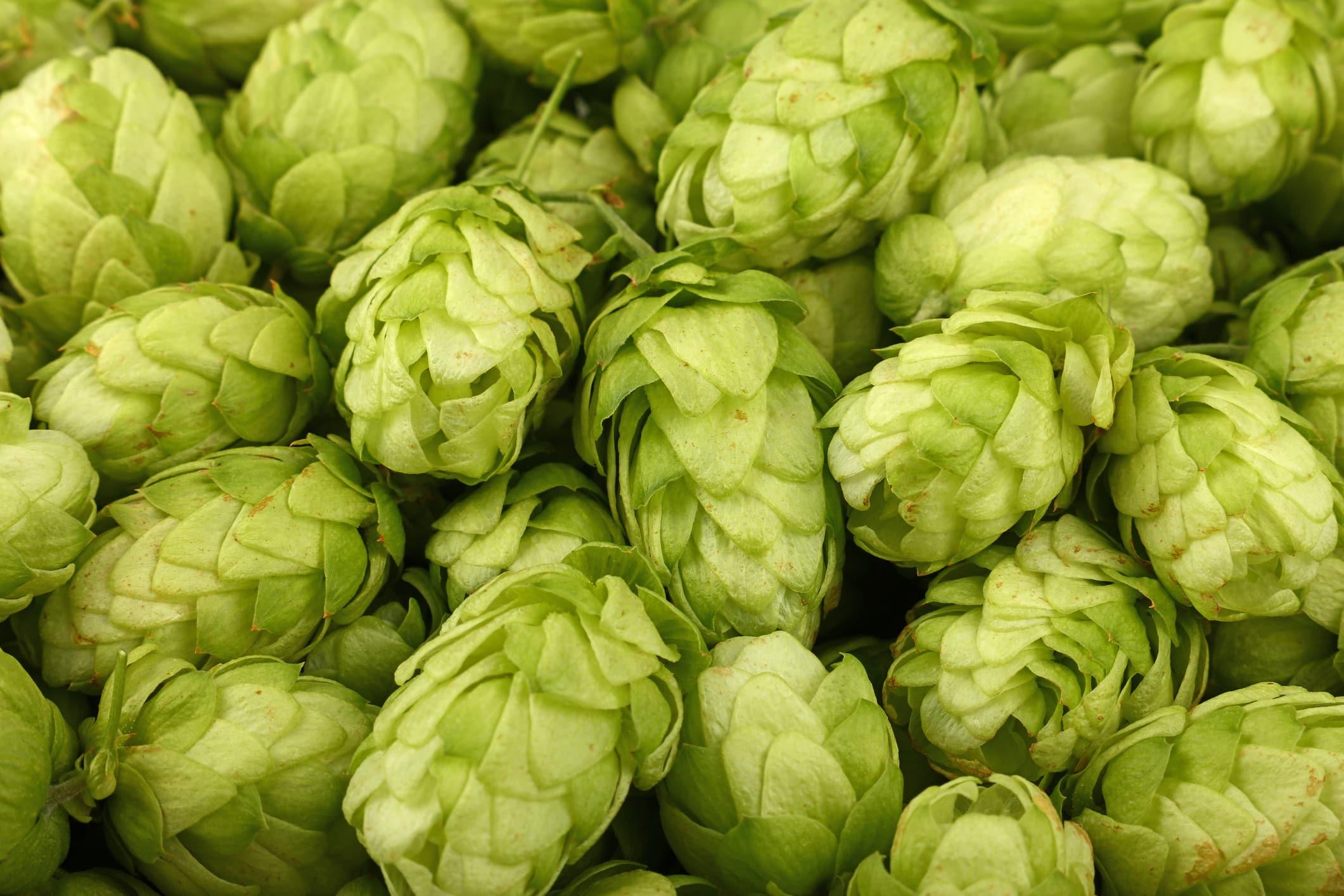
Humulene is a terpene that takes its name from hops, or, to give it its scientific name, Humulus lupulus. This aromatic compound, produced in high levels by the plant used to brew beer , is also found in cannabis as a defence against insect pests and fungi.
Humulene has a fresh, herbaceous aroma, with earthy notes, woody ones too, touches of resin, and even a hint of spicy, peppery nuances.
Chemistry
It is a sesquiterpene, like beta-caryophyllene. It is also known as alpha-humulene, or alpha-caryophyllene (its original name), and has a molecular structure made up of three isoprene units of 5 carbon atoms each.
The chemical fact that matters to us is that, among the ingredients that give plants their aroma, humulene belongs to the heavyweights of the terpene family. That is why it is less volatile (compared with other terpenes such as limonene), and it does not make up the main aroma of a cannabis strain; instead, it is a compound that provides the background notes.
What does humulene smell like?
Humulene, or alpha-caryophyllene, gives off a fresh, herbaceous aroma. It also has earthy notes, woody ones too, with hints of resin, and even suggests spicy, peppery nuances. It is a complex, bitter and refreshing smell, with a wide range of fragrances.
The easiest place to recognise it, even before cannabis, is in IPAs. India Pale Ales are beers with a high hop content, which is why they also have high levels of humulene. That bitter, earthy, herbaceous aroma with a spicy kick in these fashionable beers comes from humulene.
Where is humulene found?
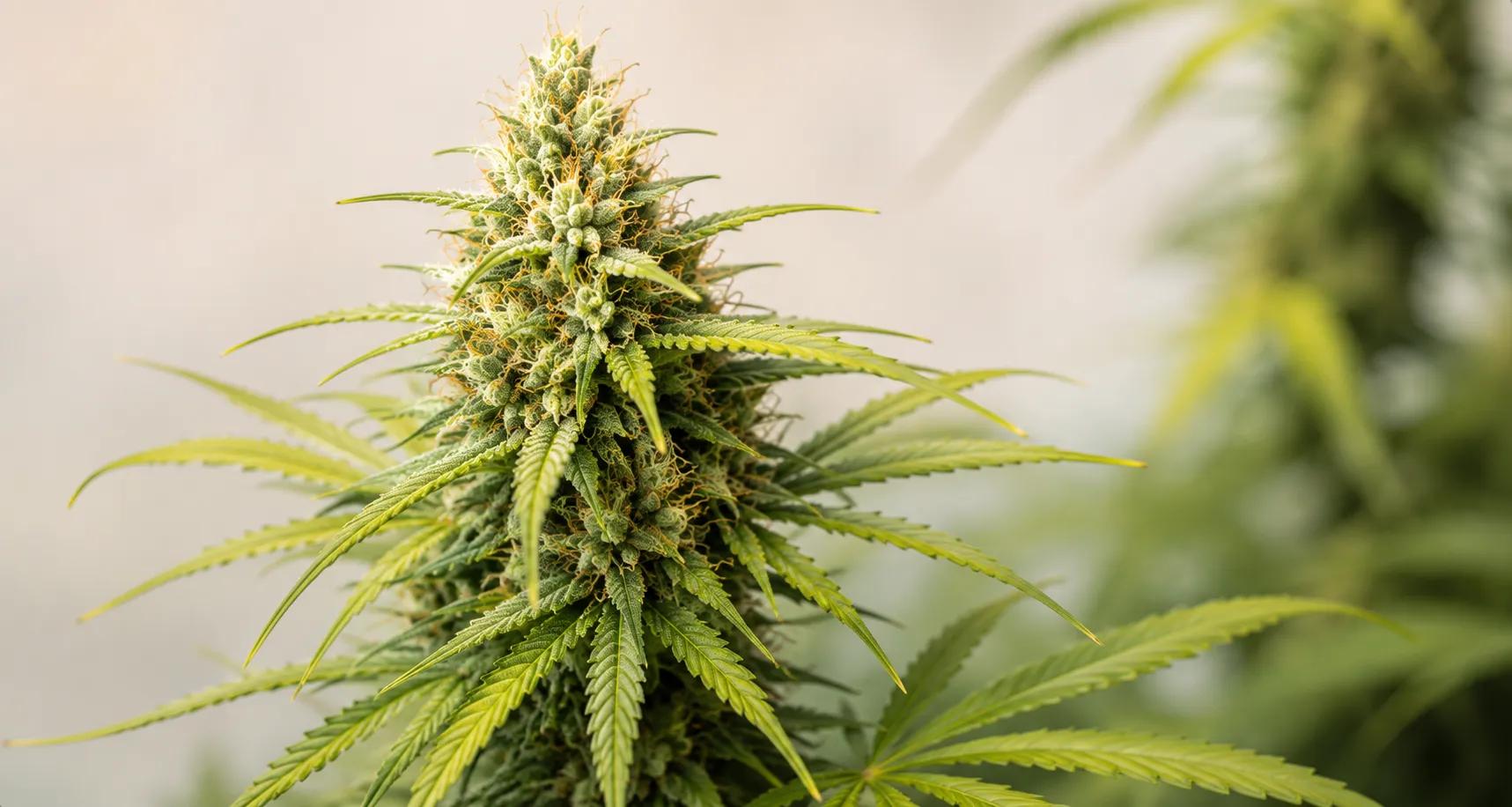
In cannabis, humulene is found in the trichomes of cannabis flowers. It develops from the flowering stage onwards, when female plants stop their vegetative growth and buds start to form on the branches, and its levels keep rising in crescendo as harvest time approaches.
Like the rest of the terpenes, humulene is synthesised in the head of the trichome (the round tip of the resin gland) as the plant’s defence against insect pests and as an antifungal against fungi. And this natural plant defence becomes a sensory pleasure for humans.
Which plants are rich in humulene?
The plant richest in humulene is undoubtedly the one that gives it its name, Humulus lupulus, commonly known as hops, and the main ingredient in beer. After hops, the aphrodisiac medicinal plant Muira Puama (“potent wood”, Ptychopetalum olacoides), from the Amazon rainforest, is the second richest in this compound.
Some of the plants richest in humulene are widely used as tonics or aphrodisiacs.
But humulene is a sesquiterpene that is also present in ginger, cloves, nutmeg, sage, tamarind, guava and ginseng. What do many of these plants have in common? That bitter, spicy aftertaste, don’t you think? Well, that is, at least in part, down to humulene.
Cannabis strains rich in humulene
Many cannabis strains contain humulene, but few contain it in high percentages. Some of the strains that deliver those bitter, herbaceous background notes in all their glory are the legendary Sour Diesel and the iconic American Girl Scout Cookies (GSC).
CBD flower rich in humulene
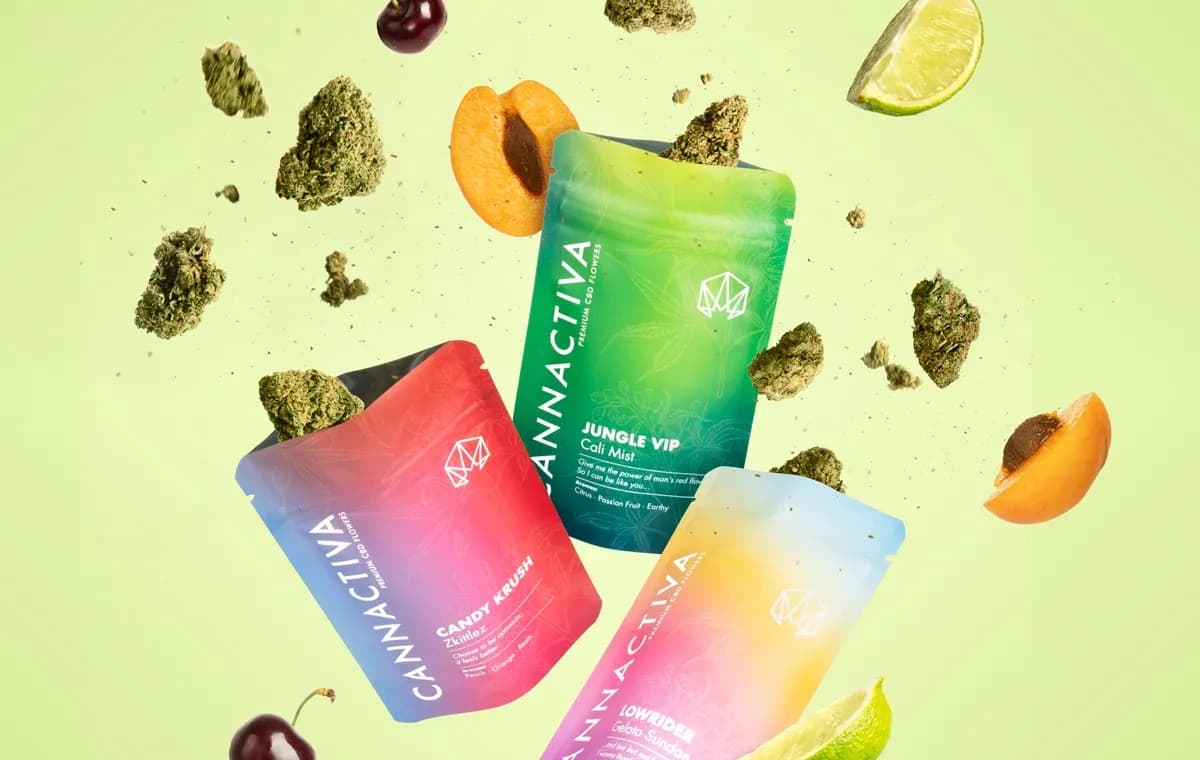
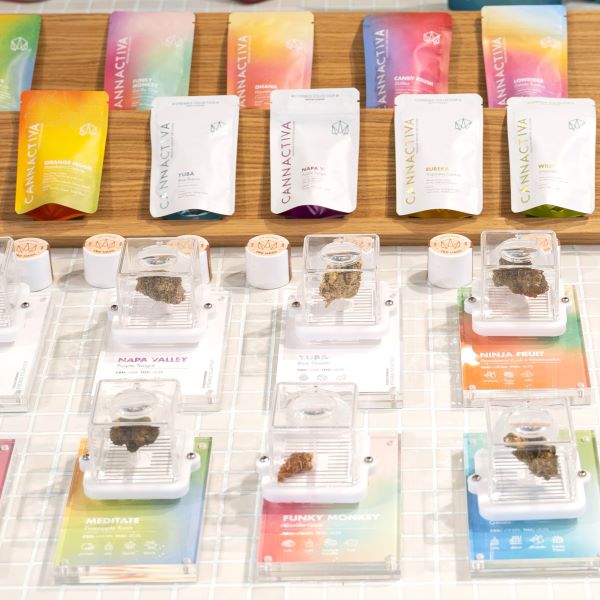
In CBD flower, you will notice those humulene nuances in Ninja Fruit (Strawberry Kush x Watermelon), Candy Krush (Zkittlez CBD), Funky Monkey (Gorilla Glue), Orange Mood (Mandarin Cookies) and Meditate (CBD Pineapple Kush).
These are the humulene-rich CBD flower strains you can find at Cannactiva, to buy legal CBD. Bear in mind that each European country has its own rules: in some, such as the UK, hemp flower is controlled even when its THC content is low.
How can you identify the aroma of humulene in cannabis?
Although humulene is present in countless cannabis strains, it is always there in very small proportions. It usually plays a less significant role than limonene, myrcene, beta-caryophyllene or linalool, and terpene profile analyses of most strains tend to show lower levels of humulene than of other terpenes.
It is almost never the dominant terpene in a strain, and it rarely takes over a strain’s overall aroma. Rather, it is one of those terpenes that shape the background smell of a particular flower.
So it is a kind of aroma that enriches a plant’s overall sensory profile without dominating it. That is why it is not as easy to identify as the heady myrcene or linalool, for example. Humulene is one of the terpenes that give a particular plant its back notes (the background notes), as experts call them.
Effects of humulene in cannabis
Like the rest of the terpenes in cannabis, humulene has effects on our body. Although the plant produces it for its own survival and to keep away such devastating predators as insects and fungi, this terpene can bring benefits to our body through inhalation, topical application or ingestion, and its contraindications are practically non-existent.
In cannabis, the first and most obvious effect of humulene is aroma and flavour. That body on the palate and aroma on the nose that heighten the presence of a particular strain and set it apart from others. But beyond the sensory experience of flavour and smell, humulene can also modulate the effects of the plant’s other compounds.
How does humulene interact with cannabinoids?
As a terpene, and because of the entourage effect, humulene modulates the effects of the other terpenes and of cannabinoids. Thanks to the synergy between the different chemical compounds in cannabis, humulene enhances the therapeutic and psychoactive properties of other active ingredients in the plant.
Because while phytocannabinoids were initially thought to be the only compounds in the cannabis plant able to interact with the human body, later research has gradually revealed that terpenes also play an active role in the effects of cannabis.
Given humulene’s own anti-inflammatory properties, this terpene could enhance the anti-inflammatory effects of the cannabinoids CBD and THC, thanks to the synergy between them.

How can you preserve the humulene in cannabis?
Terpenes are the organic compounds (hydrocarbons, to be precise) that give the cannabis plant its aroma, and they can evaporate easily. While cannabinoids do not evaporate, humulene and the other terpenes can easily be destroyed during the curing of the buds and their subsequent storage.
Levels of temperature, light, oxygen and humidity are vital for preserving the terpenes in a bud after harvest. As for heat, bear in mind that terpenes can evaporate when exposed to temperatures of between 22 and 35 degrees Celsius.
Humulene’s boiling point is approximately 198°C. This means that humulene will begin to evaporate and release its aroma and volatile properties as the temperature reaches this point.
Benefits of humulene
The main benefits humulene can offer come from its anti-inflammatory, analgesic and antibacterial properties. Aren’t these also properties you will have heard attributed to ginger or ginseng, both humulene-producing plants? Coincidence?
On the first point, this study found that humulene taken orally works favourably against tissue inflammation. The humulene used was extracted from Cordia verbenacea, a plant used by indigenous peoples of the coast and interior of Brazil (1).
This other study reached the same conclusion about its anti-inflammatory property and, as well as the oral route, demonstrated the effectiveness of humulene against inflammation when inhaled (as an aerosol) (2). And besides being an active ingredient against swelling, it has also been found to have analgesic (3) and antibacterial (4) properties.
Next time you are enjoying the flavour of a beer and that bitter aftertaste lingers in your mouth, remember that humulene is behind that sensation. And don’t forget, this terpene also brings those incredible aromatic nuances to your favourite cannabis strain. It’s the secret ingredient that makes everything even more flavourful!
References
- Fernandes ES, Passos GF, Medeiros R, da Cunha FM, Ferreira J, Campos MM, Pianowski LF, Calixto JB. Anti-inflammatory effects of compounds alpha-humulene and (-)-trans-caryophyllene isolated from the essential oil of Cordia verbenacea. Eur J Pharmacol. 2007 Aug 27;569(3):228-36. doi: 10.1016/j.ejphar.2007.04.059. Epub 2007 May 22. PMID: 17559833.
- Rogerio AP, Andrade EL, Leite DF, Figueiredo CP, Calixto JB. Preventive and therapeutic anti-inflammatory properties of the sesquiterpene alpha-humulene in experimental airways allergic inflammation. Br J Pharmacol. 2009 Oct;158(4):1074-87. doi: 10.1111/j.1476-5381.2009.00177.x. Epub 2009 May 8. PMID: 19438512; PMCID: PMC2785529.
- Humulene. Cannabis sativa - an overview. Chapter 38. Nutraceuticals (Second Edition), 2021
- Pichette A, Larouche PL, Lebrun M, Legault J. Composition and antibacterial activity of Abies balsamea essential oil. Phytother Res. 2006 May;20(5):371-3. doi: 10.1002/ptr.1863. PMID: 16619365.