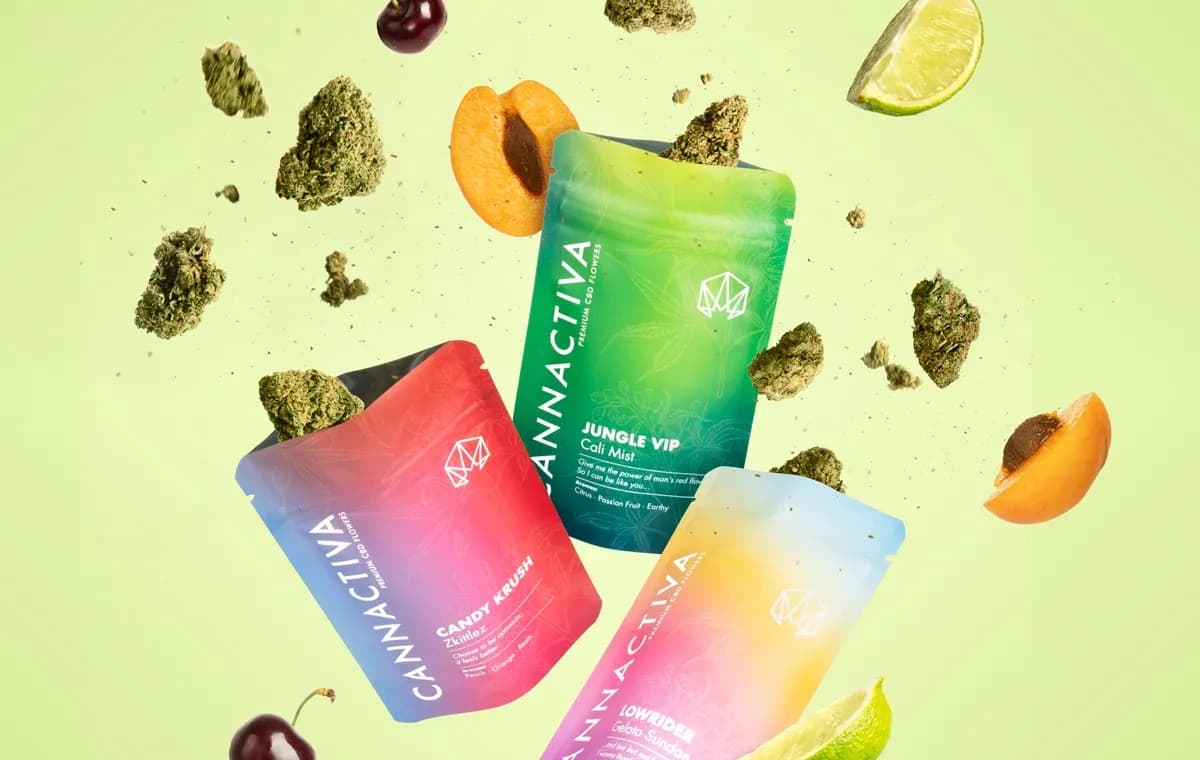
Being able to tell whether cannabis buds are good quality is essential for any cannabis consumer. Even among similar grades, although they may look the same at first glance, there are clear signs that can help you tell a superior product from one that isn't quite as good. And if you're looking for top-quality flower, take a look at our guide to the best CBD buds selected by Cannactiva.
Things like appearance, aroma and texture can give you clues about what you've got in your hands. In this guide, we walk you through the key details that will let you reliably assess the quality of a bud. If you're after a selection that has already been rated, you can check our guide to the best CBD buds.
How to identify a good-quality cannabis bud
Telling good-quality cannabis flower from poor-quality flower is a skill you develop through the art of observation and experience. A thorough visual examination, along with an assessment of aroma, flavour and effect, will let you judge a sample and see whether it's worth it or not.
Premium CBD: high-quality cannabis
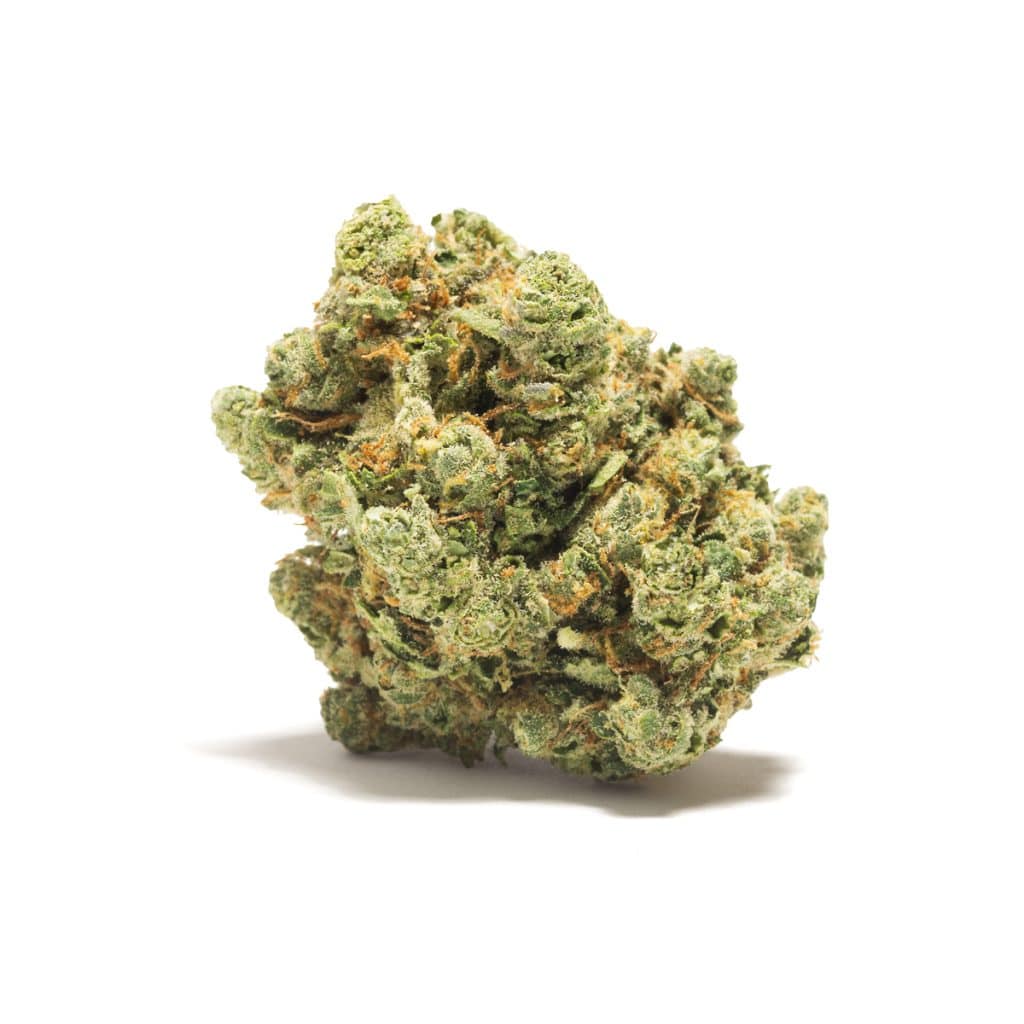
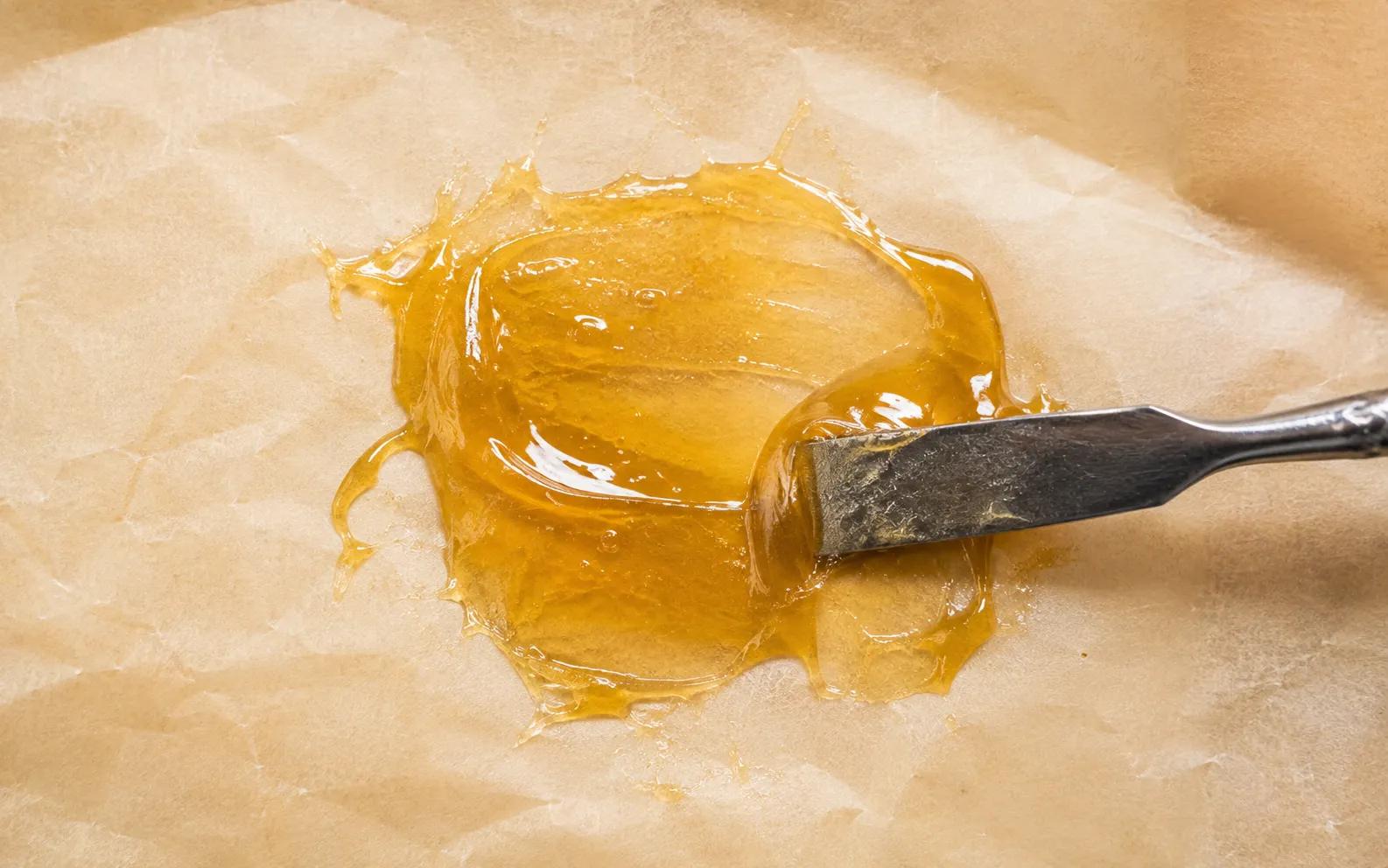
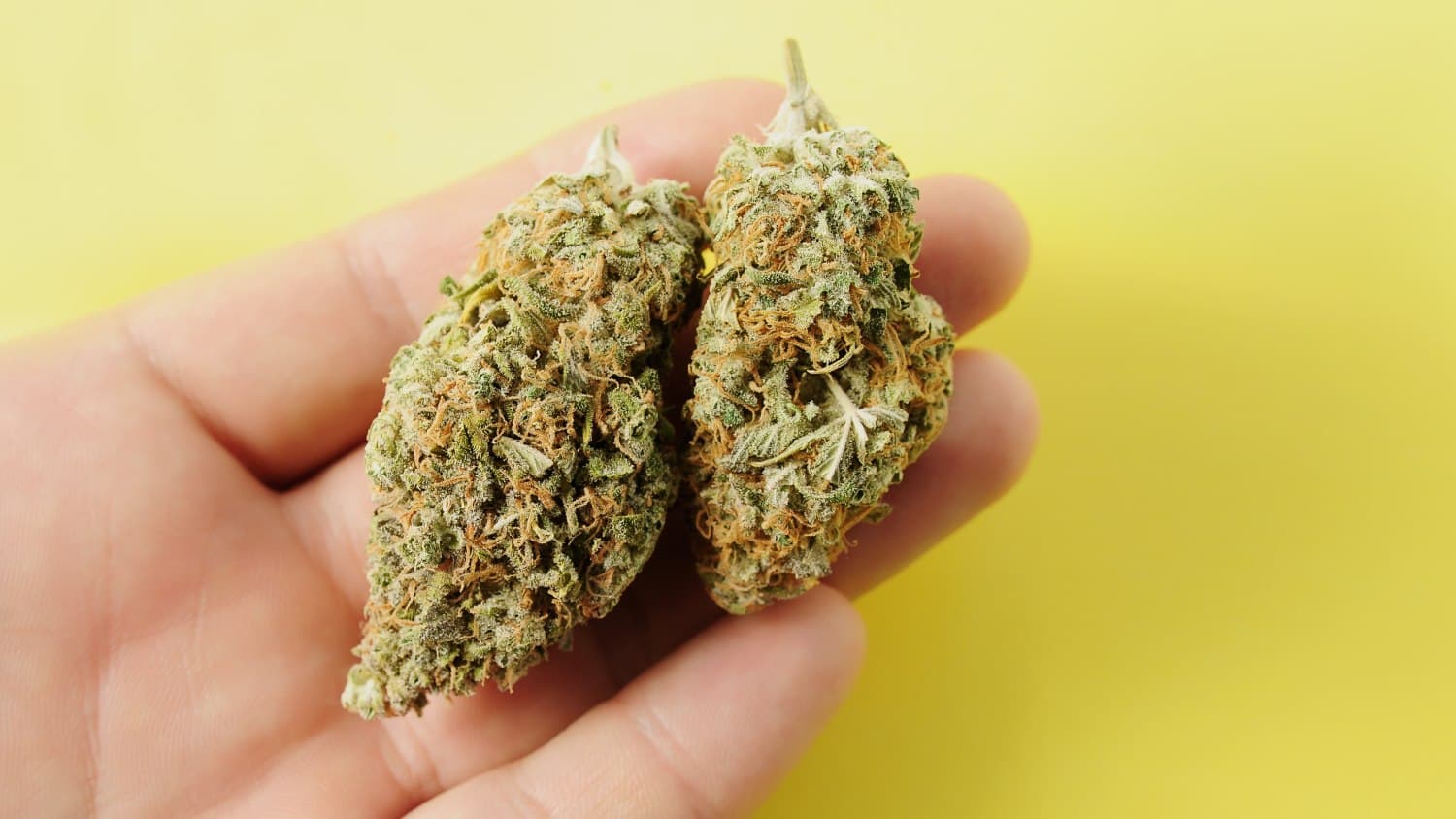
- Appearance: High-quality buds are densely covered in trichomes, the tiny crystals that contain the cannabinoids and terpenes. These trichomes should be plentiful and visible to the naked eye, and evenly spread across the flower. They look like resin-filled crystals coating the whole flower. In fact, those same trichomes are the raw material for hash: we explain what hash is and how to spot a good one.
- Aroma: The aroma is intense and distinctive. A complex aroma profile indicates good terpene development, as well as good ripening and storage of the buds.
- Texture: The texture is sticky because of the high resin content, which is a good indication of its potency.
- Colour: The colour of the bud should be consistent and well preserved, ranging from shades of green to the occasional purple, with orange or red pistils, which indicate maturity.
Medium-quality CBD
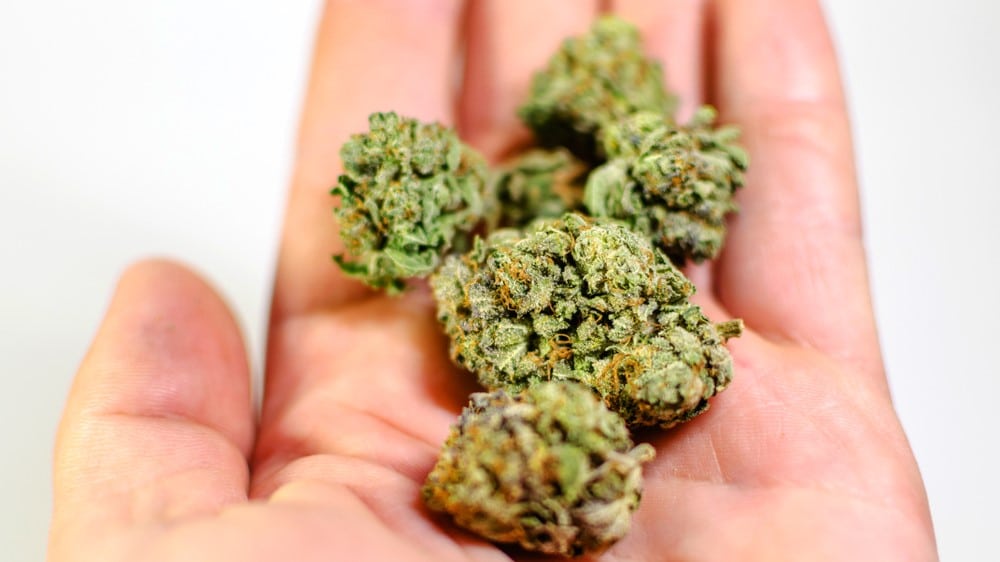
- Appearance: The buds are well formed, although with fewer visible trichomes than high-quality ones. Sometimes we come across buds with an extraordinarily dense, rock-like appearance, in contrast with little aroma and potency. This may indicate the use of PGRs or hormones in the growing process.
- Aroma: The aroma of medium-quality cannabis is weak, although still present. It can vary in intensity and nuance. Sometimes we may come across trichomes with very strong, intense or chemical aromas: this may mean we're dealing with buds that have been treated with terpenes.
- Texture: The texture is less sticky and, when you look under a magnifying glass, you can see broken trichomes.
- Colour: The colour varies and may not be as even as in premium-quality buds.
Poor-quality or low-quality cannabis

- Appearance: Low-quality buds are easy to spot by their unappealing look. They tend to be low in density, poorly formed and dull in colour, such as pale green, or even with brown or yellow patches that point to mould or plant disease. Other times, they have a brittle, overly dry texture.
- Aroma: The aroma is almost non-existent, pointing to poor genetics, inadequate growing or poor storage of the flowers.
- Texture: They are dry and brittle buds, with little resin. This suggests poor drying and a low number of trichomes. If, on the other hand, they are too damp, they may contain traces of mould. Sometimes it can't be seen with the naked eye: you have to break open a flower and it's on the inside.
- Presence of seeds: The presence of seeds is a clear sign of poor bud quality, as it indicates unwanted pollination.
Factors for telling good-quality buds apart
General appearance of the bud
First impressions count. High-quality cannabis flowers tend to look healthy and attractive. Look for buds that are well formed, dense and covered in trichomes (the tiny crystals that contain cannabinoids).
Size isn't a decisive quality factor: small buds are just as good despite their size.

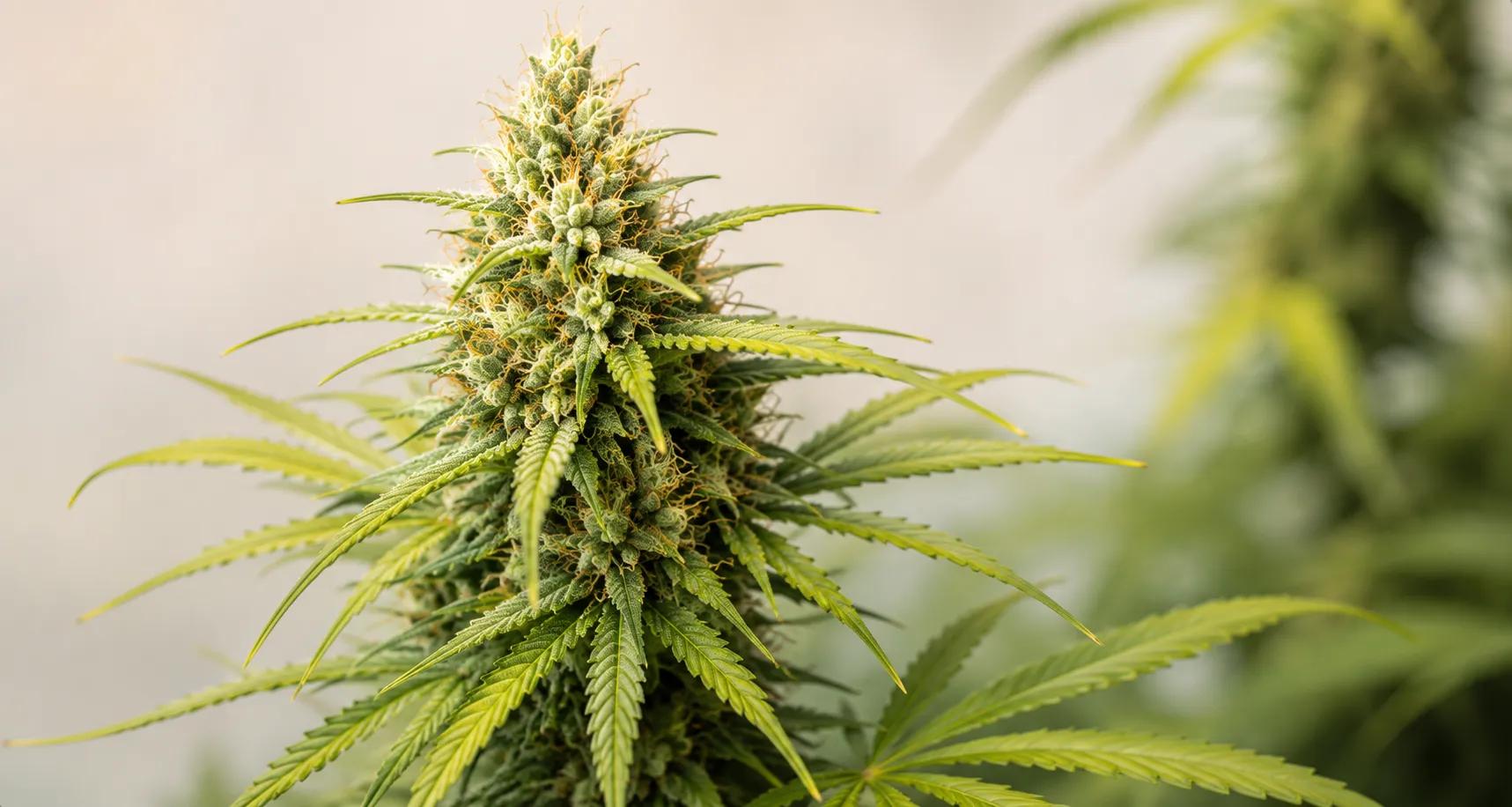
High-quality flowers have an abundant layer of trichomes. Trichomes are the tiny crystals that cover cannabis flowers. Look for milky or amber-coloured trichomes, as they indicate a higher concentration of cannabinoids and a harvest at the optimum point.
From the general appearance of the bud, we can get a sense of whether it was grown indoor or in a greenhouse. Indoor buds are usually denser and more resinous, although this also depends on the plant's genetics. In general, with the same genetics, the optimal conditions of indoor growing should produce more compact, denser and more resinous buds.

Avoid flowers with traces of fungi such as botrytis (brown or grey patches on the calyxes) or powdery mildew (which looks like a white powder on the leaves). Also, check any leaves left on the flowers for signs of pests during growing.
Bud texture
Texture depends mainly on the amount of trichomes on the flower, which give it a resinous, sticky texture. An optimum moisture content of between 9 and 12% gives a longer shelf life. If it isn't dried properly, the moisture will encourage fungi to appear over time. If the flower crumbles as soon as you handle it, it has probably been dried in a hurry or has too low a moisture level.
You can have top-quality flowers, but if you don't store them properly (in a glass jar, away from sunlight, at a stable temperature...) the bud will gradually lose its properties. Ultimately, cannabis is a perishable product that will degrade over time, but with good drying, curing and storage, you can keep its quality for several months, even years.

Bud colour
The colour should be even and healthy, generally in shades of green. A brownish colour across the whole bud means it has oxidised, which will also give it a more “stale” or hay-like aroma. The pistils (those little “hairs” sticking out of the bud) are usually orange, red or brown, which indicates proper ripeness. A flower full of white pistils may have been harvested too early.
Avoid buds that show brown or grey patches, or signs of mould or fungus, as this may point to a poor harvest or poor storage. However, always bear in mind that bud colour can also be down to the plant's environmental and genetic factors, so any change in colour should be checked against a magnified image or under a magnifying glass to avoid confusion.
Cannabis aroma
Aroma is one of the most distinctive traits of cannabis flowers. It depends on good curing, which helps the terpenes, the volatile compounds in cannabis, to be better preserved in the bud. Good-quality flowers have the unmistakable intense aroma of cannabis, across all the different aroma profiles the plant has to offer.

Avoid flowers that smell damp, mouldy, or of hay or straw, as these are usually signs of problems during growing or storage.
Flowers with added terpenes can also be found in the cannabis industry. A bud sprayed with terpenes may have a stronger than usual, overly intense or chemical smell. If you notice an aroma that doesn't seem natural or isn't spread evenly throughout the flower, it could be a sign that external terpenes have been added. This is where it's easy to confuse it with the aroma profile of some flowers, such as skunk strains, which have an intense, distinctive aroma. Another sign is that buds sprayed with terpenes are stickier to the touch. Although the plant's natural resin is already sticky, excessive stickiness may be a sign that terpenes were added after harvest. Ultimately, the only way to check is to have it lab tested.
Cannabinoid content
The body's response to the flowers is a key indicator of their quality and how they were grown. Good-quality flowers should produce the desired effect typical of the strain, whether CBD or THC. Avoid flowers that produce unusual symptoms, as they may have been treated with synthetic cannabinoids such as HHC or H4CBD.
A reduced amount of trichomes, or transparent or broken trichomes, indicates that the bud was harvested too early or poorly processed, which reduces its potency.

Flavour and experience
Quality flowers should have an intense, complex flavour that reflects their aroma. They should be smooth to smoke, with no unpleasant flavours. If the smoke catches in your throat, it may be a sign of excess nutrients during growing, or it may indicate the presence of pesticides or PGRs, or of substances added to the flower afterwards, such as terpenes.
Value for money
In today's market, price isn't a good indicator of good or bad quality. In general, the price of a bud depends mainly on the genetics and the type of growing, with indoor being the most expensive. But the grower's technique and post-harvest processing make the biggest difference. Weigh up what the producer tells you, and let your own senses guide you. At Cannactiva, we put all our care into offering the best-quality hemp flower at competitive prices.
Conclusion
Identifying a good-quality cannabis bud takes visual, olfactory and tactile analysis. High-quality buds should be dense, well formed, have a pronounced aroma and be covered in trichomes. The colour should be even, with no signs of mould or pests. The texture should be sticky, indicating a good resin content. Finally, the flavour and the experience when consuming should be smooth and consistent with the aroma profile. And if you'd rather take cannabidiol in a more discreet format that's easier to dose than flower, take a look at our CBD oils.
By following these criteria, you can make sure you choose high-quality cannabis and avoid lower-value products. At Cannactiva, we're always committed to offering you the best-quality CBD at the best price.