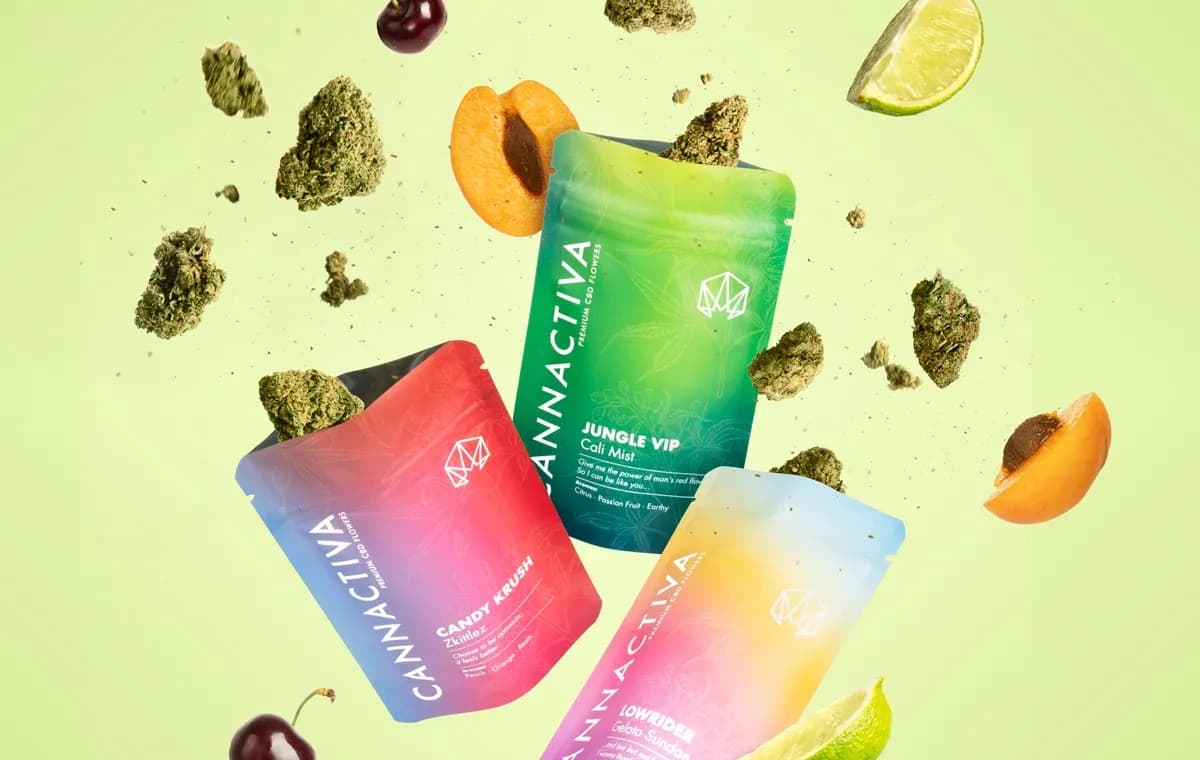
In recent years, the cannabis industry has seen the emergence of a type of dense, hard bud with less resin and aroma than natural flower. When you break them up in a grinder, they leave tiny pieces that are just as hard. If you have ever come across buds like these, they may well have been PGR cannabis, that is, cannabis treated with chemicals to increase flowering yield, but at the cost of poorer quality and questionable safety for the consumer. Find out what PGR cannabis is and why natural, high-quality CBD flower is preferable. At Cannactiva we never use PGRs: we select the best CBD buds, of the highest quality and free from pesticides and chemical regulators.
What is PGR cannabis (plant growth regulators)
PGR cannabis refers to cannabis buds or flowers that have been treated with plant growth regulators, or PGRs. These chemicals, widely used in gardening, are sprayed onto the cannabis plant or mixed into the irrigation water to improve the size and density of the buds. Although using PGRs brings immediate benefits in terms of yield, their use during cannabis flowering raises questions about the quality of the final product.

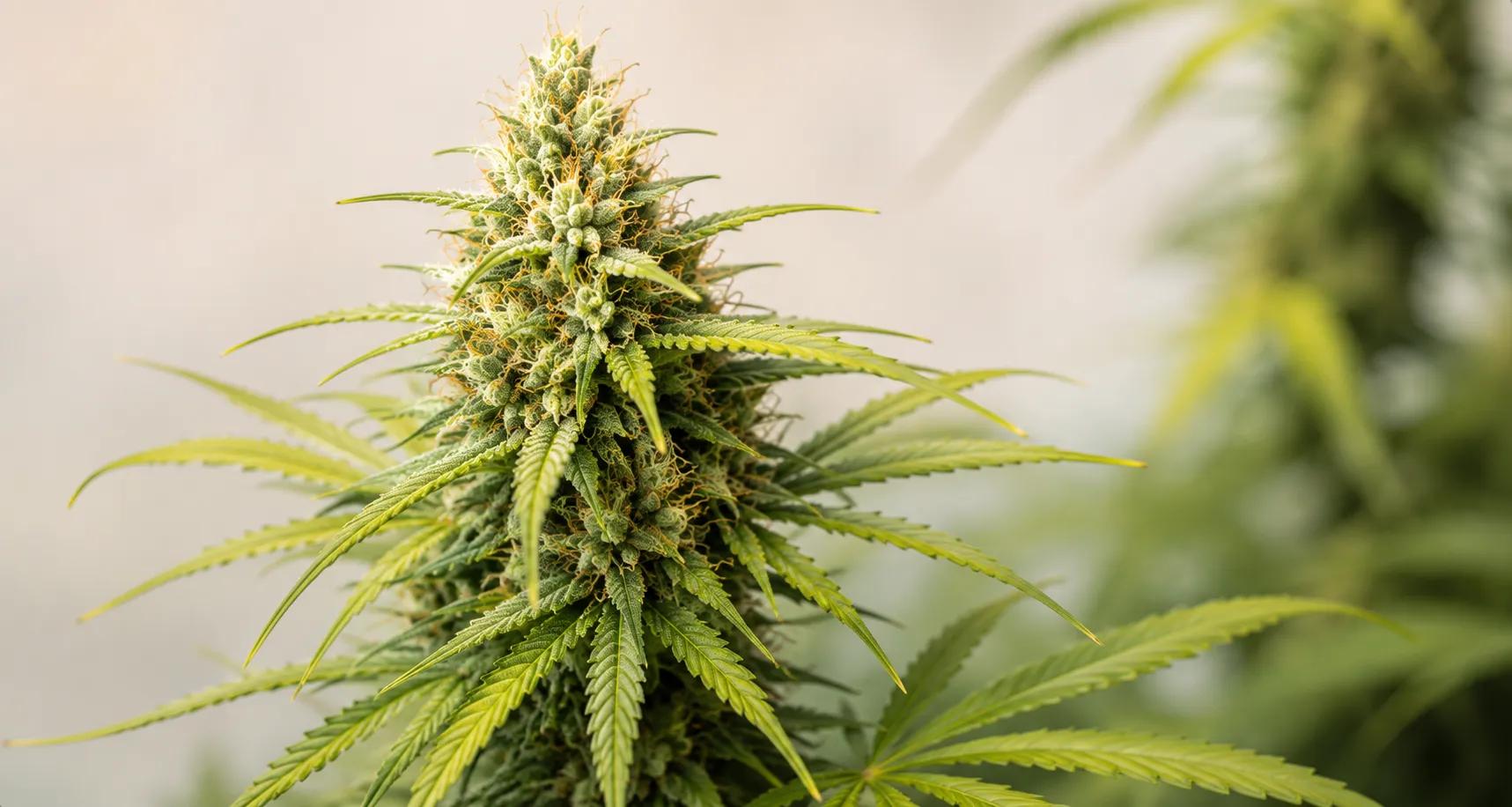
Until now, techniques for improving cannabis flowers have been based on genetic improvement and selection, better growing techniques and better handling and storage systems. But in recent years we have seen the use of these chemicals, flowering growth regulators or PGRs, which produce oversized buds.
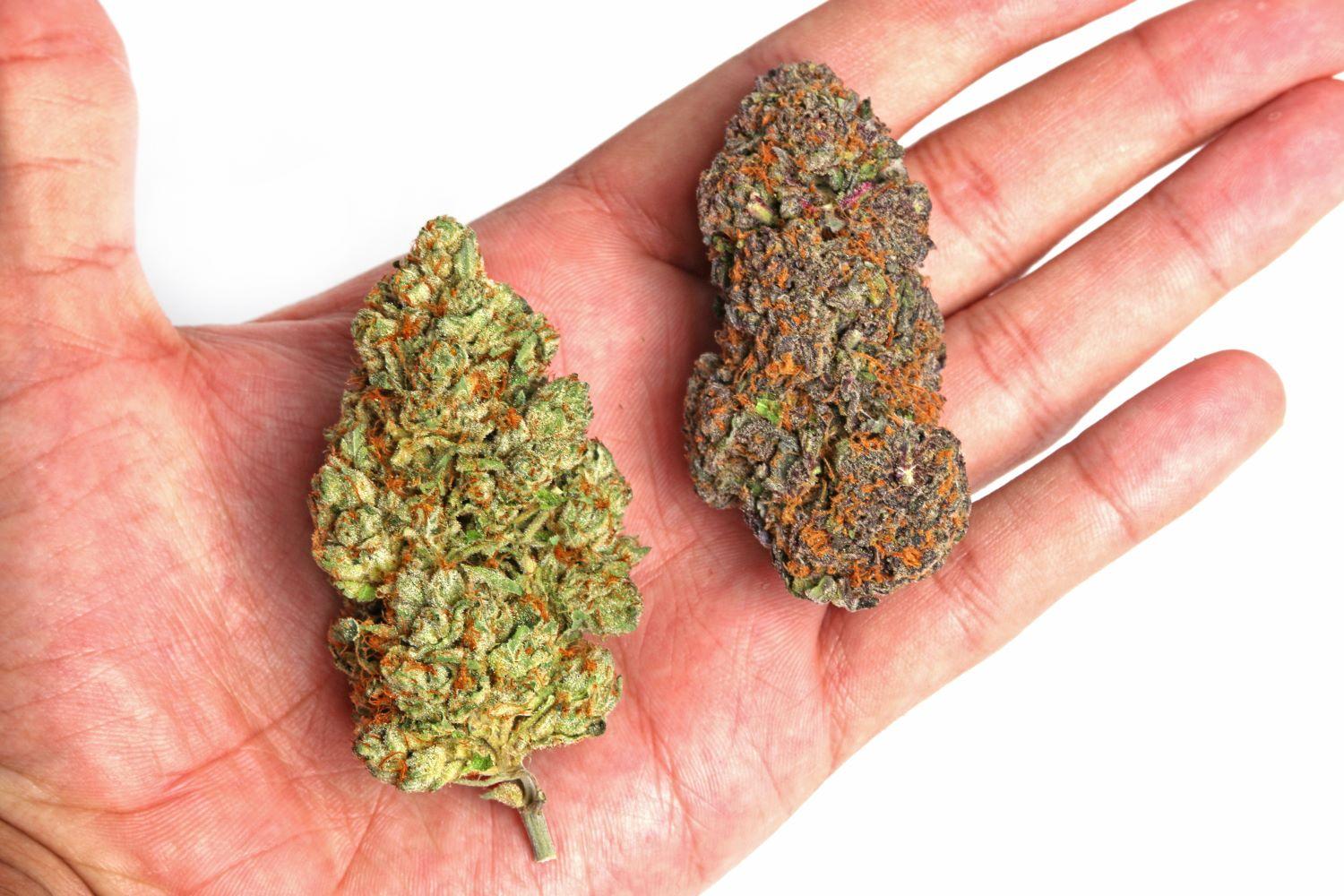
It is not always easy to identify PGR cannabis by its appearance, because many factors can influence the shape, colour or aroma of buds, including growing, processing or even trimming and cleaning. Generally speaking, they are very rounded, dense buds, sometimes with uneven trichome distribution. A flashy appearance that contrasts with little resin, aroma and potency.
Types of PGR used on cannabis
There are different types of PGR that can be applied to cannabis. Some are used to stimulate rooting or control vegetative growth, but today we will focus on the PGRs applied specifically during flowering.
Flowering PGRs are substances that interfere with the plant's natural hormones, causing faster growth. In the cannabis plant, they produce larger, denser buds. However, this forced growth often has a negative impact on cannabis quality, reducing the production of trichomes and affecting the levels of cannabinoids and terpenes.
There are natural PGRs (many plants and algae produce them) and synthetic ones. The latter are the most widely used in agriculture and also in cannabis, and their use is somewhat controversial.
Health risks of PGR cannabis
The use of PGRs during cannabis flowering is controversial because of the potential health risks that inhaling these substances poses to cannabis users. Specifically, certain types of PGR used during flowering, such as paclobutrazol and daminozide, have been linked to cancer risks and liver toxicity. However, there are no obvious or characteristic symptoms of smoking these substances, so the end consumer cannot know whether they are being exposed to these compounds.
In addition, these substances produce poor-quality buds by reducing trichome and resin production, which results in lower CBD and THC content (in psychoactive cannabis strains), potency and aroma.
How to identify PGR buds
More and more cannabis users are aware of these practices and are choosing organic, PGR-free cannabis buds. To do so, it is important to recognise the distinctive features of PGR cannabis:
- Overly dense, hard buds that barely break apart when handled.
- Rounded, uniform shape, almost “perfect”, which is unusual in natural flower.
- Sparse or poorly distributed trichomes, looking dull and lacking shine.
- Weak or almost non-existent aroma, with no recognisable terpene notes.
- Flat green colour, with no purple, orange or reddish tones.
- Harsh, fast burn, with dark, compact ash.
Why PGR cannabis is hard to detect
To round off this point, it is important to say that identifying PGR-treated cannabis is not an exact science, and it can sometimes be hard to tell. The only way to know 100% whether cannabis has been treated with PGRs is through residue testing at specialised laboratories.
Cannabis is a plant with wide variability in its characteristics, in appearance (colour and shape) as well as in aroma and cannabinoid composition. These characteristics can be influenced by various factors, such as genetics, growing conditions, storage, or proper curing and drying.
In addition, the trimming and cleaning process makes buds look more or less dense. All these variables can cause differences in the appearance, density, texture, aroma and quality of cannabis, which makes it very hard to tell PGR-treated products from untreated ones just from a photo or the look of the buds.
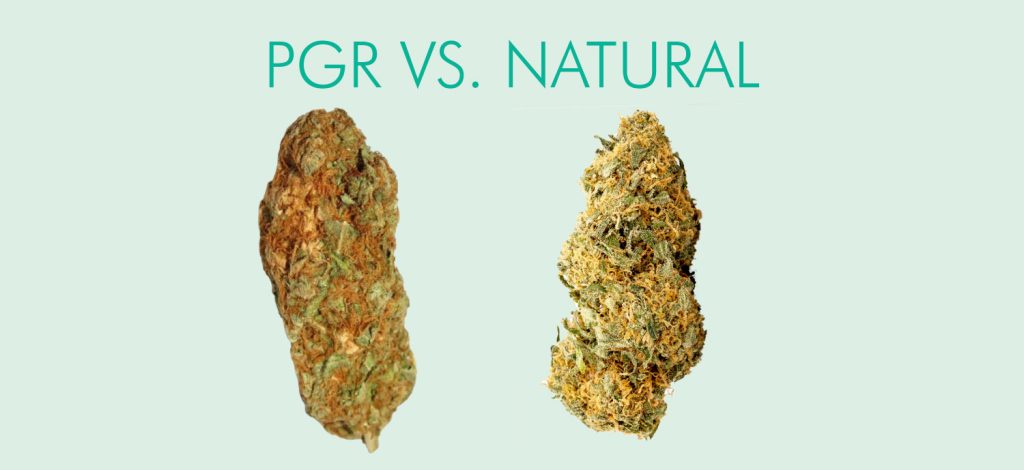
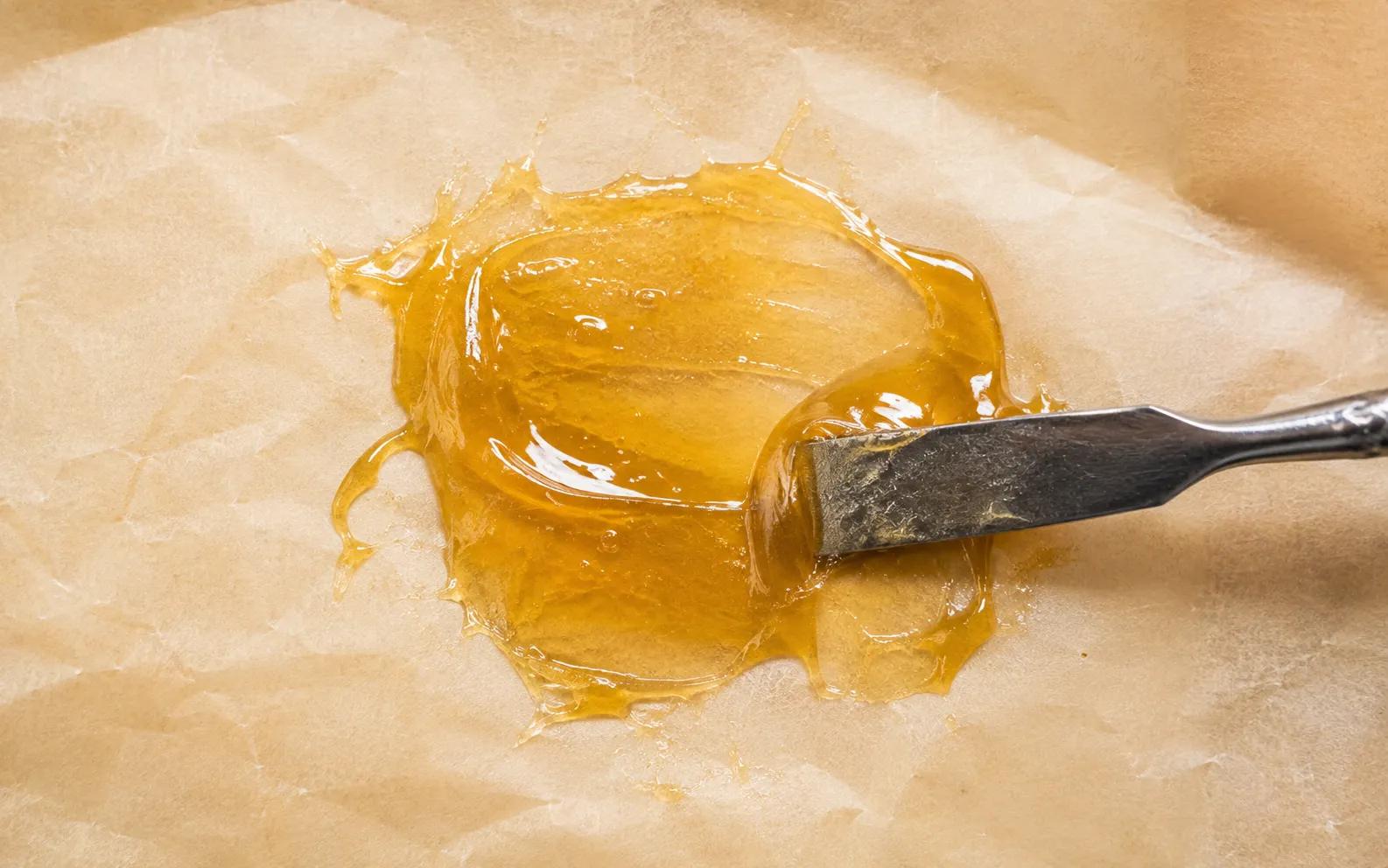
If you want to learn more about telling them apart visually, see our guide on the differences between PGR and natural cannabis. At Cannactiva we work only with CBD flower and natural CBD hash, free from chemical regulators and traceable right back to the grow:
Frequently asked questions
Do you need to use PGRs to grow cannabis?
You don't need synthetic growth regulators to grow cannabis. For most of its history, cannabis has been grown without these artificial chemicals. A great example is master grower Jorge Cervantes, a leading figure in cannabis growing, who has shared numerous organic and sustainable methods that improve the quality and health of plants without synthetic additives. Many growers, ourselves included, prefer to use these organic methods, which exclude synthetic PGRs and focus on choosing the right genetics and optimal growing techniques to achieve successful crops.