Skunk: what is it? Origin, characteristics and strains
Few words in the cannabis world are recognised as quickly as skunk. To some, it simply means strong cannabis; to others, it's the unmistakable aroma that gives away a good bud from metres away. But first and foremost, Skunk is a specific strain with its own name, pedigree and history: the first stabilised cannabis strain, created in California in the 1970s and the parent of hundreds of the strains grown today.
In this guide we explain exactly what skunk is, where its name comes from (yes, it really is named after the animal), why it smells so strong, which are its most famous strains and how you can explore its CBD version where the law allows.
What is Skunk?
Skunk is a hybrid cannabis strain bred by crossing two legendary sativas (Acapulco Gold and Colombian Gold) with an Afghan indica. The result was a sturdy, fast-flowering plant with dense, resin-laden buds and an aroma so intense and pungent that it earned the strain its name.
The name comes from the skunk, the animal. Just like the animal, this strain has a powerful, lingering and instantly recognisable smell: a blend of earthy, sweet and sour notes over a sulphurous base that leaves no one indifferent. Don't let the comparison put you off: for enthusiasts, that aroma is precisely its signature and a sign of freshness and quality.
Over time, the word “skunk” went beyond the original strain. In the UK, for example, it's used colloquially for any strong cannabis. But strictly speaking, Skunk is a specific strain: Skunk #1, considered the first stable hybrid in cannabis history. If you're not yet clear on the difference between indica and sativa, our guide explains it, because skunk is a child of both worlds.
Origin and history of Skunk cannabis
The story of Skunk begins in 1970s California, at the height of the cannabis culture boom. A group of breeders known as Sacred Seed Co., led by the legendary David Watson – aka Sam “Skunkman” – set out to do something nobody had managed before: create a strain that always produced the same results, grow after grow.
To do it, they crossed three strains:
- Acapulco Gold (Mexican sativa): sweet, fruity aroma
- Colombian Gold (Colombian sativa): vigour and resilience
- Afghani (indica from Afghanistan): fast flowering, density and resin
After years of selection, Skunk #1 was born: the first truly stable cannabis strain. It was a revolution. Until then, growing cannabis was a genetic lottery; with Skunk #1, growers knew exactly what to expect with every harvest.
In the early 1980s, Sam Skunkman took his seeds to the Netherlands, where the strain found the perfect ecosystem to spread. In 1988, Skunk #1 won the very first High Times Cannabis Cup, securing its place as a legend. Since then it has been the basis for hundreds of modern hybrids: look at the family tree of almost any strain today and it's rare not to find skunk in the bloodline. Something similar happens with Kush cannabis, the other great cannabis dynasty.
Characteristics of Skunk cannabis
Why does skunk smell so strong?
The famous skunk smell is neither chance nor marketing. As well as terpenes such as myrcene and caryophyllene, recent research has identified volatile sulphur compounds (VSCs) in these strains that are very similar to those produced by skunks and garlic. These molecules are extremely aromatic even in tiny concentrations, and they're responsible for the sulphurous, sweet and pungent punch that sets the family apart.
The typical aroma profile of a skunk combines:
- Earthy, woody notes (Afghan heritage)
- A sweet, fruity base (heritage of the golden sativas)
- A sour, sulphurous touch, the family's unmistakable hallmark
Appearance
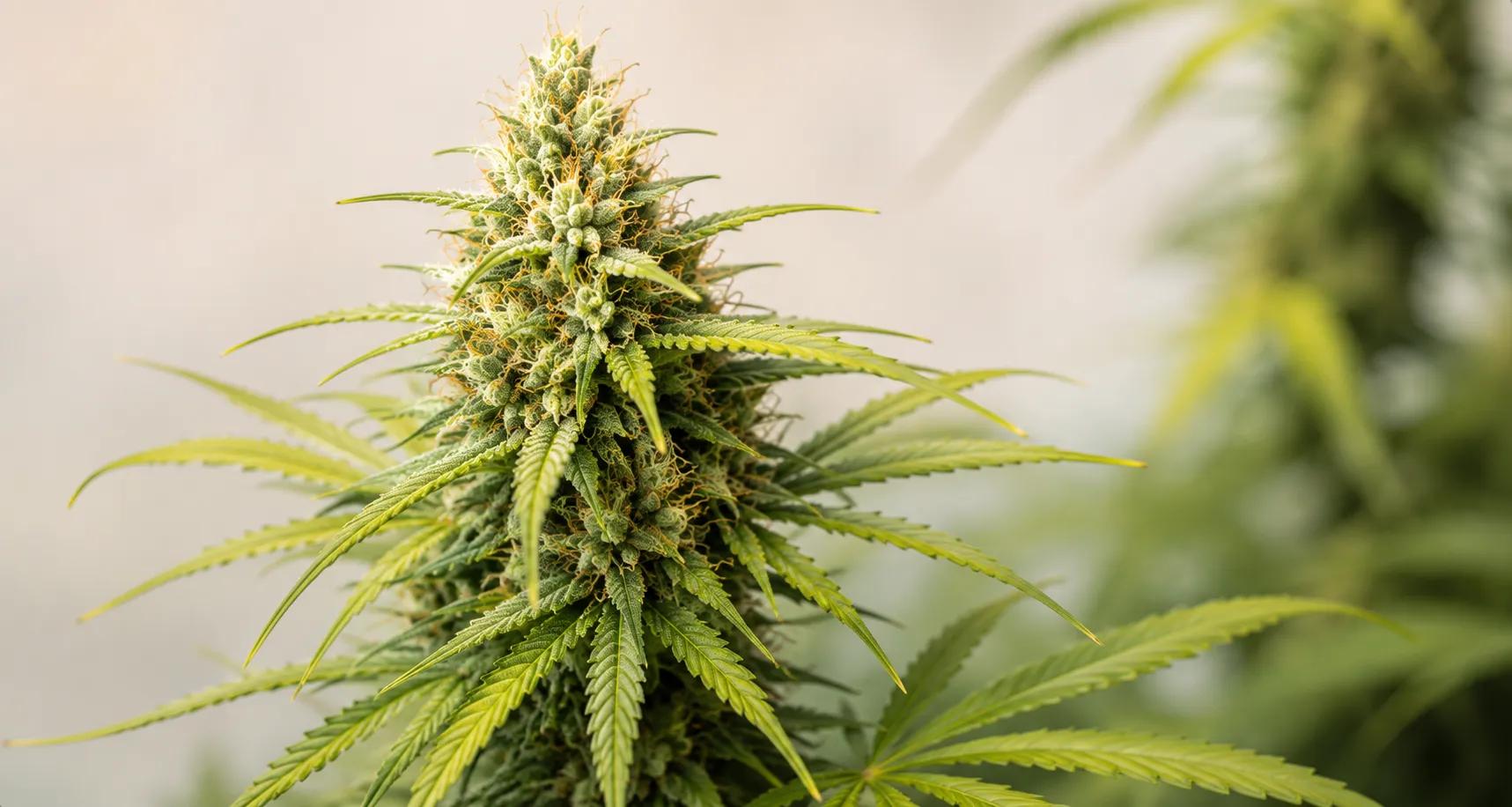
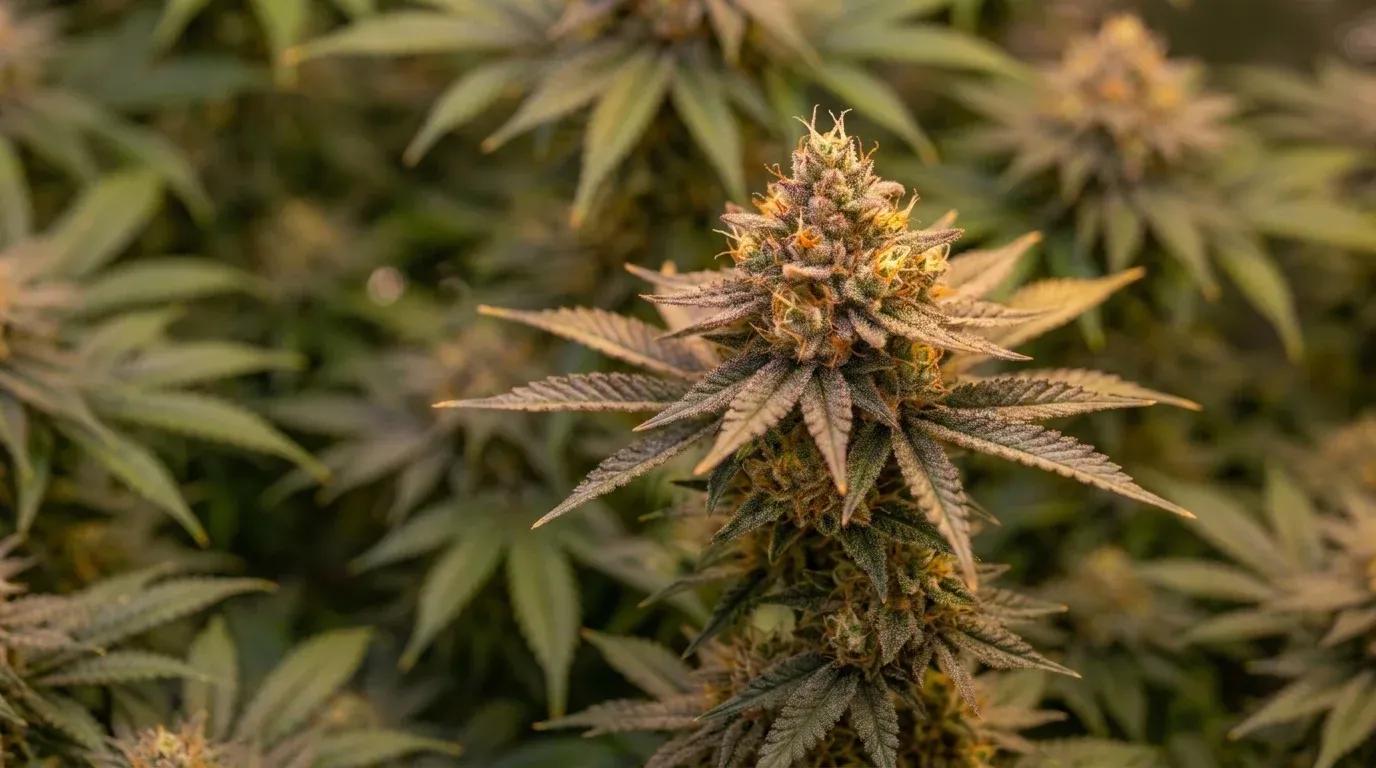
Skunk plants are medium-sized, vigorous and easy to grow, with the sturdiness of their indica side and the energy of their sativa genes. Their buds are dense, tight and very resinous, usually a deep green with orange pistils and a generous coating of trichomes. Not sure what to look for? Here's how to tell if a bud is good quality.
Effects
The original Skunk is a balanced hybrid: it combines the physical relaxation of indicas with the cerebral spark of sativas. That's why it won over so many users: it offers a versatile middle ground. In its THC versions it's known for its potency; in its CBD versions, it keeps all the aroma and flavour of the strain without psychoactive effects.
The most famous Skunk strains
Dozens of classics descend from the original Skunk #1. These are the most sought after:
Strain | What makes it special |
|---|---|
Skunk #1 | The original. Balanced, resinous, the mother of them all |
Super Skunk | Crossed with extra Afghani: more density, more resin, a deeper aroma |
Lemon Skunk | Intense citrus, lemony profile over the classic skunk base |
Early Skunk | Ultra-fast flowering, designed for outdoor growing and cold climates |
Tropical Skunk | A modern reinterpretation: notes of guava, mango and ripe fruit |
Skunk #1
The starting point. It's still grown and crossed all over the world today, and it remains the benchmark for measuring a strain's stability. Classic aroma: earthy, sweet and sulphurous in equal measure.
Super Skunk
One of the best-loved crosses: Skunk #1 was backcrossed with a pure Afghani to boost resin production and aroma. If you're after the most intense skunk experience, this is your strain.
Lemon Skunk
The citrus branch of the family. It keeps the structure and resin of classic skunk, but its terpene profile leans towards fresh lemon. Very recognisable, and its scent is hard to resist.
Tropical Skunk (our Guava)
The modern evolution of the lineage. At Cannactiva we grow it in a CBD version: our GUAVA (Tropical Skunk CBD) flower, with up to 25% CBD, a tropical guava and mango aroma over the classic earthy skunk base, and less than 0.3% THC.
CBD Flowers from the Skunk Family
Skunk, Kush or Haze? The three cannabis dynasties
If Skunk is the first stable strain, Kush and Haze complete the podium of the most influential families. Here's how they differ at a glance:
Skunk | Kush | Haze | |
|---|---|---|---|
Origin | California, 1970s (bred hybrid) | Hindu Kush mountains (landrace) | California, 1960s–70s (crossed sativas) |
Dominance | Balanced hybrid | Indica | Sativa |
Aroma | Sulphurous, sweet, earthy | Earthy, pine, spicy | Spicy, incense, citrus |
Plant | Medium, vigorous, very resinous | Short, compact, sturdy | Tall, slender, long flowering |
Want to dig deeper into the other great dynasty? Read our guide to Kush cannabis and its strains.
CBD skunk: a legend with less than 0.3% THC
In most European countries, cannabis with THC is not legal, and each country sets its own rules. Hemp flower with less than 0.3% THC is legal in some of them, but in others, such as the UK, hemp flower is controlled even when its THC content is low. Where the law allows it, that means you can enjoy the aroma, flavour and look of an authentic skunk strain, without psychoactive effects and with complete peace of mind.
At Cannactiva we select and grow our skunk strains in a greenhouse, without pesticides, hand-trimmed and slow-cured. You can start with the GUAVA (Tropical Skunk CBD), check out the Flavour Pack Skunk Floral to explore the full aroma profile, or browse all our CBD flower.
Skunk isn't just a smell or a slang word: it's the strain that changed the history of cannabis. The first stable strain, winner of the first Cannabis Cup, parent of hundreds of hybrids and owner of one of the most recognisable aromas in the world. Half a century on, it's as alive as ever – and thanks to CBD, today you can enjoy it legally wherever the law allows.
Frequently asked questions about Skunk cannabis
What is skunk?
Skunk is a hybrid cannabis strain created in California in the 1970s, from a cross between Acapulco Gold, Colombian Gold and an Afghan indica. It was the first stable cannabis strain in history and is known for its intense, pungent aroma, similar to that of the animal it is named after, the skunk.
Is skunk the same as weed?
Not exactly. Skunk is a specific cannabis strain, although in some countries (especially the UK) the word is used colloquially for any strong cannabis.
Why does skunk smell so strong?
As well as terpenes such as myrcene and caryophyllene, skunk produces volatile sulphur compounds (VSCs) similar to those of skunks and garlic. They can be detected even in tiny concentrations and create its characteristic sulphurous, sweet and pungent aroma.
What skunk strains are there?
The most famous are the original Skunk #1, Super Skunk, Lemon Skunk, Early Skunk and modern reinterpretations such as Tropical Skunk. Almost all of today's cannabis strains have some skunk genetics in their family tree.
Is skunk legal in the UK?
In most European countries, cannabis with THC is not legal, and each country sets its own rules. CBD versions of skunk strains, with less than 0.3% THC, are legal in some of them, but in others, such as the UK, hemp flower is controlled even when its THC content is low. They keep the aroma and look of the original strain without psychoactive effects.
What effects does CBD skunk have?
CBD skunk flower is not psychoactive. CBD is associated with feelings of relaxation and wellbeing, while the strain's characteristic aroma and flavour remain intact.