Knowing the differences between indoor vs outdoor vs greenhouse growing is interesting not only for those getting into the world of cannabis growing, but also for anyone looking to buy CBD online. And if you're looking for top-quality flower, take a look at our guide to the best CBD buds selected by Cannactiva.
In this post we explain the differences between these growing methods, how they can influence the characteristics of the final product and which type of growing is best.
Key differences between indoor, outdoor and greenhouse cannabis growing
The fundamental difference between growing indoor CBD and outdoor CBD, grown in the open air, is the exposure to environmental conditions of light, temperature and humidity, as well as possible bad weather.
As for growing greenhouse cannabis, it is considered an intermediate type of growing, as it benefits from some conditions of outdoor growing, such as natural light, and from optimisations typical of indoor, such as supplementary artificial lighting or greater control over environmental conditions, compared with outdoor growing.
All of this leads to differences in growing conditions and in cost, of infrastructure as well as maintenance and production. Moreover, depending on the type of growing, the quality of the final product is also affected.
Which type of growing is best for cannabis?
In reality, it isn't always possible to generalise about the differences between one type of growing and another; the end result ultimately depends on each individual case. The grower's knowledge and technique, the genetics of the seed and the process of drying and curing cannabis are decisive factors in the quality of the final product. With that in mind, let's look at the basic differences each type of growing makes to cannabis quality.

Comparison: indoor vs outdoor vs greenhouse cannabis
Potency
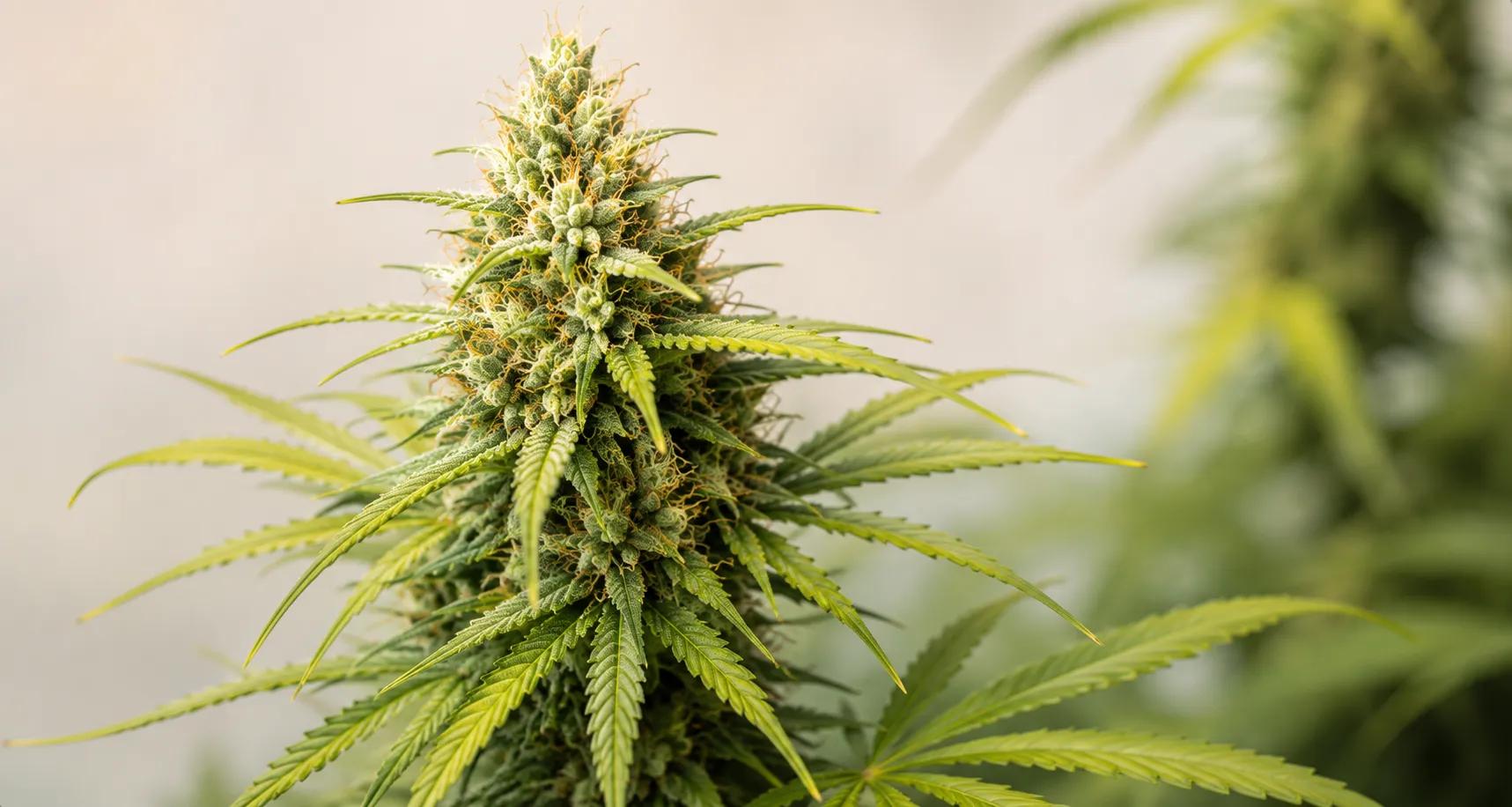
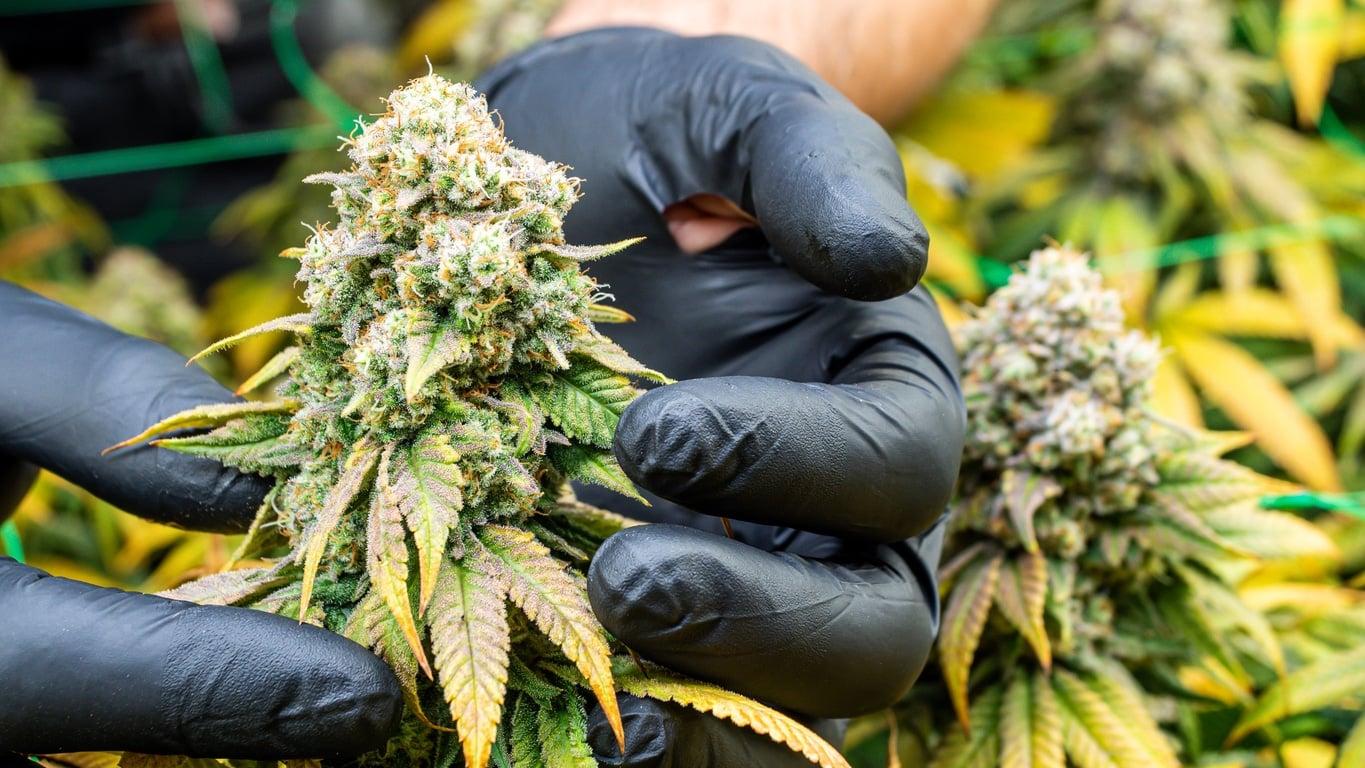
In general, growing cannabis indoors allows better control of growing conditions. This creates an ideal environment for maximising the production of active compounds such as THC, CBD and other cannabinoids. With complete control over factors such as light, temperature, humidity and the nutrition of cannabis plants, growers can adjust these variables to encourage the development of buds with high concentrations of resin, including cannabinoids and terpenes.
What's more, growing in an enclosed environment gives greater control over possible infestations and diseases, as well as the possibility of achieving exceptional uniformity in the final product. This growing approach is the preferred choice of the most demanding consumers looking for specific quality and consistency.

On the other hand, greenhouse growing can be seen as a balanced mix of indoor and outdoor growing. In the protected environment of a greenhouse, plants are sheltered from rain and wind, while making the most of sunlight to optimise photosynthesis and allowing precise temperature control.
How a greenhouse grow is managed can vary widely depending on the level of technology in the facility. Greenhouses can range from simple plastic polytunnels mounted on frames to large glass structures known as glasshouses, which can be up to 8 metres tall and equipped with cutting-edge technology, including irrigation systems, artificial lighting and advanced climate control.

By contrast, outdoor growing is the lowest-cost option, though with greater exposure to pests and diseases. Plants are usually grown directly in the ground rather than in pots. Soil quality, nutrient availability and microbial life play an essential role in producing high-quality, fragrant flowers when growing cannabis outdoors.
Cannabis grown outdoors can show unique nuances of aroma and flavour, influenced by the composition and conditions of the soil, much as wine gets its distinctive character from its particular “terroir”.

Aroma
The aroma of cannabis is determined by its terpene content. We shouldn't forget that these compounds act as natural defences the plant uses to protect itself from adversity, such as pests or harsh weather.
For the cannabis consumer, the effects of terpenes are very different. These aromatic compounds can trigger or heighten feelings of relaxation, sedation or euphoria, in synergy with cannabinoids, contributing to the so-called indica or sativa effect of cannabis.
Can the same seed produce different terpenes indoors / outdoors?
Broadly speaking, the terpene profile of a cannabis strain is determined mainly by its genetic code. In general, the terpene profile will be consistent whether the seed is grown indoors or outdoors, as long as it is the same strain.
The key to achieving maximum genetic expression of both terpenes and cannabinoids, whatever the growing environment, lies in how the grow itself is managed.
The high: which gets you higher – indoor, outdoor or greenhouse?
The intensity of the “high” a cannabis strain produces generally doesn't depend on the type of growing (indoor, outdoor or greenhouse).
What really affects the strength of the effect is the interplay between the strain's cannabinoid profile and the terpenes and flavonoids present, as well as how these compounds interact with each person's endocannabinoid system and their personal tolerance to cannabis use. So it is more important to consider the chemical make-up of the strain and how it suits the consumer's needs and preferences than the growing method itself.
Colour
Once again, the colour of a cannabis strain depends on a range of factors, including genetics, how the crop is managed, temperature and others.
In general, plants grown indoors tend to show more vibrant colours, while plants grown outdoors or in a greenhouse may develop darker shades of green and brown due to sun exposure.
The post-harvest process also plays a crucial role: drying the buds in a cool environment helps preserve their colour, while drying them somewhere warm speeds up oxidation and can lead to darker shades.
The purple and red colours often associated with certain cannabis strains (such as purple cannabis or Purple Haze) are influenced both by the plant's genetics and by other factors, such as exposure to cold during the last weeks of flowering.
The colour of cannabis is also influenced by the genetics of the seed. At the genetic level, some strains can produce pigments called anthocyanins, which give these distinctive colours and are also found in other crops, such as blueberries. Whether these pigments appear is linked to soil and climate factors, such as temperature, soil pH and the type of light.
Differences in flower size
In indoor growing, where environmental conditions are tightly controlled, plants tend to be smaller and more compact. This is because factors such as the height of the lights, the spacing between plants and the length of the light period can be adjusted, which encourages more controlled growth.
The difference in the size of cannabis plants depends largely on the type of growing used: indoor, outdoor or greenhouse:
On the other hand, in outdoor growing, plants have the chance to grow more naturally and, as a result, tend to be bigger and sturdier. Access to direct sunlight and the space available allow plants to reach their full growth potential.
Greenhouse growing sits somewhere in between in terms of size. Greenhouse plants can be bigger than indoor ones thanks to sun exposure, but smaller than outdoor ones because the environmental conditions are more moderate.
On a separate note, certain practices are becoming fashionable, such as using growth regulators to increase the size and density of cannabis flowers. The result is buds as hard as rocks, as people say. This is what's known as PGR cannabis.
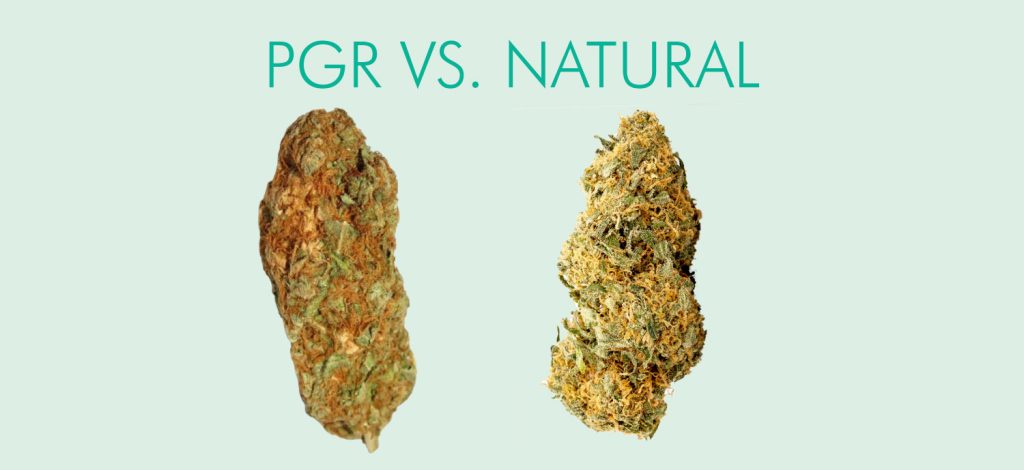
Ultimately, the size of cannabis plants is influenced by a combination of genetic factors, growing conditions and management. Each type of growing offers unique advantages and challenges in terms of controlling plant size and, in the end, affects the quantity and quality of the harvest.
The quality debate: is indoor, outdoor or greenhouse cannabis better?
The debate over cannabis quality between indoor, outdoor and greenhouse growing is a complex and subjective question that depends on various factors. Each type of growing has its own advantages and disadvantages in terms of quality, and choosing the “best” ultimately depends on the consumer's preferences and the growing approach. Even within the same type of growing, you can find cannabis strains with notable distinctive features and traits.
In short, the cannabis plant is extraordinary, and its diversity makes it hard to generalise about, since from seed to post-harvest, by way of the type of growing, there are many factors that affect the quality of the end result. What's more, cannabis isn't just a plant; it's an experience, in which each of us feels slightly different sensations and preferences, even depending on the day.
See how varied cannabis can be with our CBD flower bundles: