CBD oil for menopause: how can it help?

Throughout a woman's life, there are different physiological transition points that result in changes in the female hormonal balance. Menopause is not a disease and not all women suffer from symptoms; however, some women have found relief from the use of CBD oil for some of the discomforts associated with this stage.
What is menopause?
Menopause marks an important transition in a woman's life. As the ovaries stop producing eggs, hormonal changes begin that result in symptoms ranging from mild to extremely bothersome, and include: sudden feelings of heat (hot flushes), mood changes, and insomnia or sleep disturbances, among others.
The endocannabinoid system and hormonal changes during menopause
The endocannabinoid system (ECS) is at the centre of the potential therapeutic effects of many cannabinoids, including CBD. The ECS is linked to hormonal regulation, as cannabinoid receptors are found in the hypothalamus.
This part of the brain, the hypothalamus, is where the secretion of gonadotrophin-releasing hormone (GnRH) is regulated; GnRH is the master hormone for the release of the hormones of the reproductive cycle in women and men (1). During menopause, when hormone levels fluctuate, modulation of the ECS can influence hormonal stability.
The endocannabinoid system has been documented to interact with oestrogen, a hormone that plays a role in women's well-being and which declines during menopause. This interaction may be important in how a woman's body responds to hormonal changes during menopause.
Likewise, the interaction between the endocannabinoid system and oestrogen is well documented in brain development and in processes such as memory, learning and the central control of reproduction (2). The endocannabinoid system, on the other hand, can also regulate processes such as mood, sleep and many other functions that may be related to well-being.
Therefore, it is possible to suggest that CBD or cannabidiol, through the endocannabinoid system, may offer relief from some symptoms associated with hormonal changes during menopause.
How can CBD help during menopause?
Although there are no scientific studies showing that CBD can help with the hormonal changes of menopause, it could help with some of the symptoms linked to this natural period in women's lives.
Anxiety, depression and stress
During menopause, mood changes are frequently reported, including increased anxiety and depressive symptoms.
CBD could help, as it is known for its anxiolytic and antidepressant properties. Some studies suggest that CBD could modulate the levels of certain neurotransmitters, and in particular may stimulate serotonin receptors, promoting a sense of well-being.

Insomnia
Sleep disturbances, mainly due to night sweats and hot flushes, are common during menopause. CBD has shown promise in inducing sleep when given in high doses.

Skin health
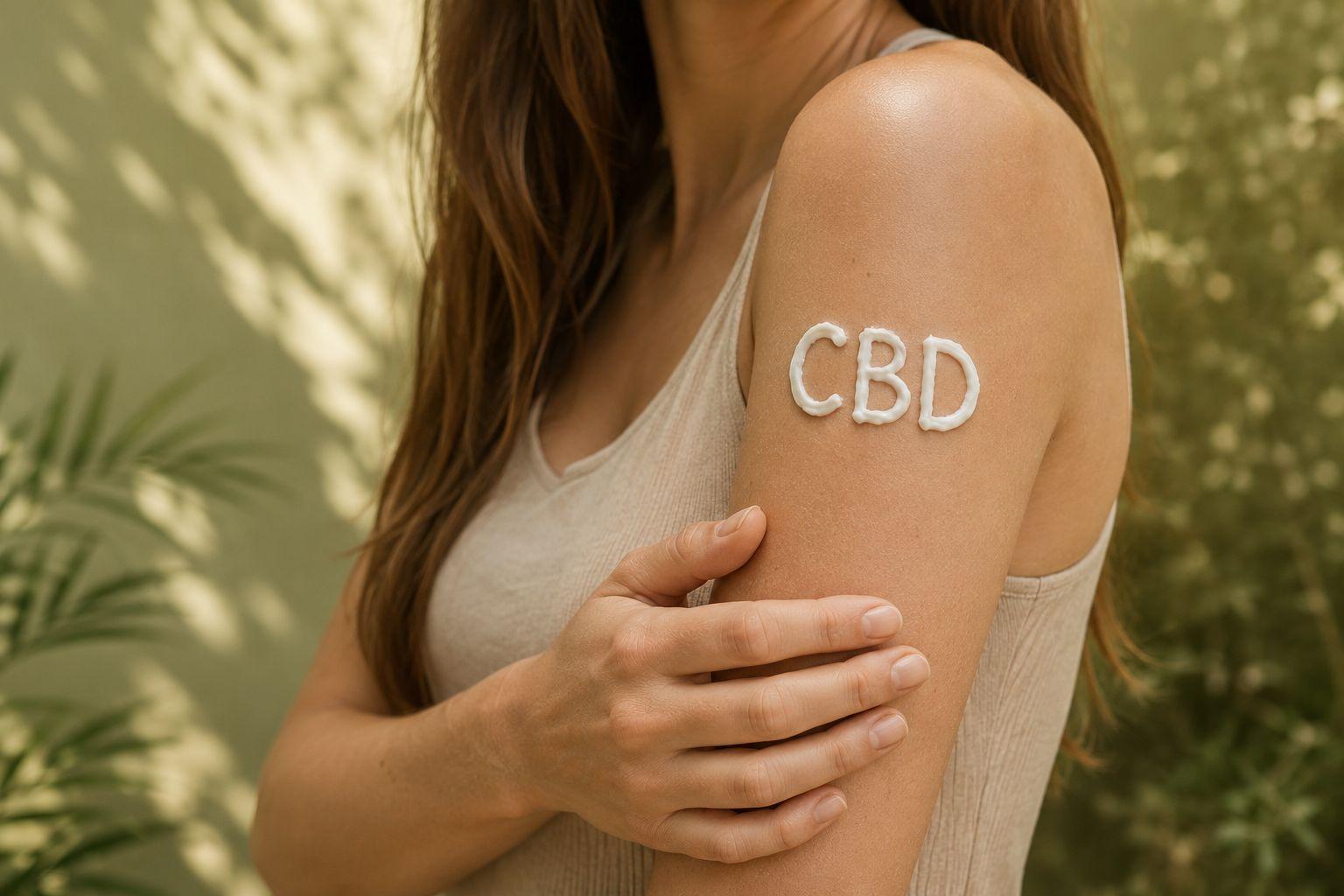
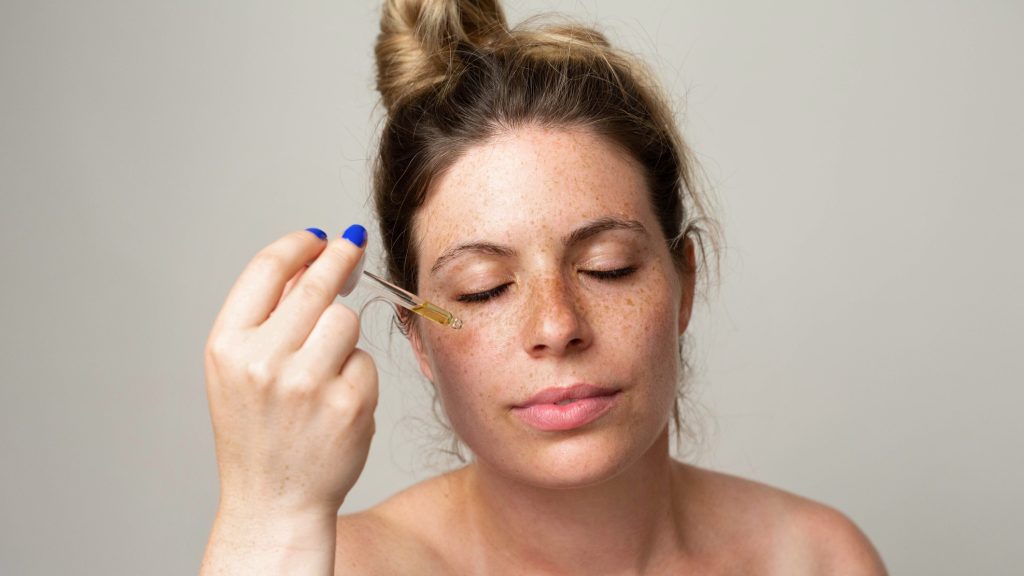
The decrease in oestrogen levels during menopause can lead to dry skin, loss of elasticity and acne. CBD-infused skincare products could be a great help, given CBD's anti-inflammatory properties and its ability to regulate sebum production.
How should you take CBD for menopause symptoms?
First check with a health professional to make sure that CBD, or any supplement, may be of benefit depending on the individual's situation. Consult a healthcare professional to ensure the safety and appropriateness of any treatment.
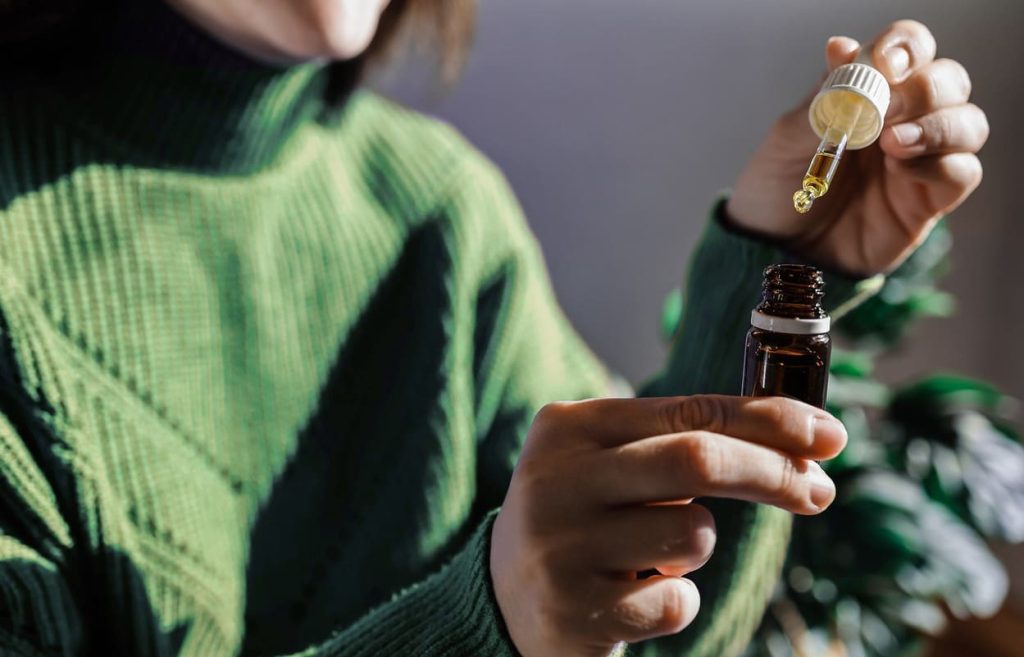
It has been suggested that CBD should be started at low doses, adjusting the dose according to the desired effect. It is recommended to allow at least 2 weeks before gradually increasing the dose. We tell you more about this in the post:
Treating menopause symptoms
If you suffer from some symptoms of menopause, do not forget to take a holistic approach. While CBD may offer relief from some discomfort, adopting an approach that includes a balanced diet, regular exercise and stress-relieving techniques can provide comprehensive support during menopause.
Precautions when using CBD
Don't forget that drug interactions and side effects from using CBD may occur. It is also important to check the legal status of CBD in the country you are in and to stay informed about the local regulations for each type of CBD product.
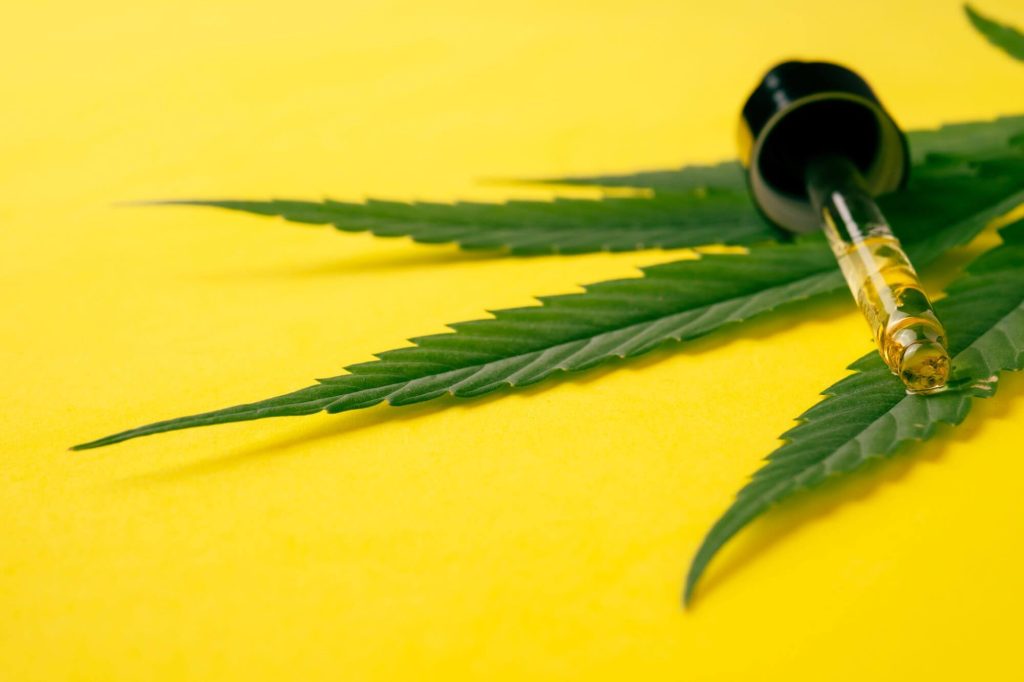
Cannabis use during menopause
While this article focuses mainly on CBD, it is worth noting that some women use cannabis to manage menopause symptoms. Tetrahydrocannabinol (THC), the psychoactive component of cannabis, may also relieve certain symptoms. However, the risk of psychoactive effects and dependence makes it a less advisable option.
Harvard University conducted a survey on cannabis use during menopause and noted that many women find relief with cannabis use (3).
A study based on surveys conducted in Canada reported that, although 74% of medical cannabis users found relief from some of the symptoms of menopause, women who do not use cannabis tend to have fewer symptoms related to this stage of a woman's life (4).
Advice for women during menopause
Menopause is not a disease: it is important to be aware that hormonal changes are natural processes for both women and men.
- Information is power: staying informed about the menopausal process makes women more confident and empowered.
- Look for natural remedies: if you suffer from menopausal discomfort, the ideal would be to find natural solutions that nourish and care for your body.
- Medical advice: before starting any treatment to relieve menopause-related symptoms, it is essential to consult health professionals.
- Focus on overall well-being: a balanced diet, regular exercise and practices that nourish the body and mind can significantly influence the experience of menopause.
Conclusion
The transition to menopause can be challenging for some women. While traditional therapies remain the conventional medical approach, the potential benefits of CBD for relieving some menopausal discomforts may be of interest to some women. The anxiolytic and antidepressant effects of CBD, as well as its skincare applications, represent an alternative for women who would like to benefit from CBD to get through this transitional stage.
Don't forget that, as with any substance you wish to introduce or add to a treatment regimen, individual responses may vary, which emphasises the importance of personalised medicine and regular consultation with health professionals.
Note: This is an informational article and is not intended to prevent, diagnose or treat any disease. Its contents may complement, but should never replace, any diagnosis or treatment of any disease or symptom. Cannactiva products are not medicines and are intended for external use. The data shown reflect the scientific evidence up to the date of publication; please bear in mind that new advances may have emerged since then. Therefore, consult your doctor before using CBD.
References
- Gammon, C. M., Freeman, G. M., Jr, Xie, W., Petersen, S. L., & Wetsel, W. C. (2005). Regulation of gonadotropin-releasing hormone secretion by cannabinoids. Endocrinology, 146(10), 4491–4499. https://doi.org/10.1210/en.2004-1672
- Santoro, A., Mele, E., Marino, M., Viggiano, A., Nori, S. L., & Meccariello, R. (2021). The Complex Interplay between Endocannabinoid System and the Estrogen System in Central Nervous System and Periphery. International journal of molecular sciences, 22(2), 972. https://doi.org/10.3390/ijms22020972
- Dahlgren, M. K., El-Abboud, C., Lambros, A. M., Sagar, K. A., Smith, R. T., & Gruber, S. A. (2022). A survey of medical cannabis use during perimenopause and postmenopause. Menopause (New York, N.Y.), 29(9), 1028–1036. https://doi.org/10.1097/GME.0000000000002018
- Babyn, K., Ross, S., Makowsky, M., Kiang, T., & Yuksel, N. (2023). Cannabis use for menopause in women aged 35 and over: a cross-sectional survey on usage patterns and perceptions in Alberta, Canada. BMJ open, 13(6), e069197. https://doi.org/10.1136/bmjopen-2022-069197