CBD and the brain: how it helps mental balance
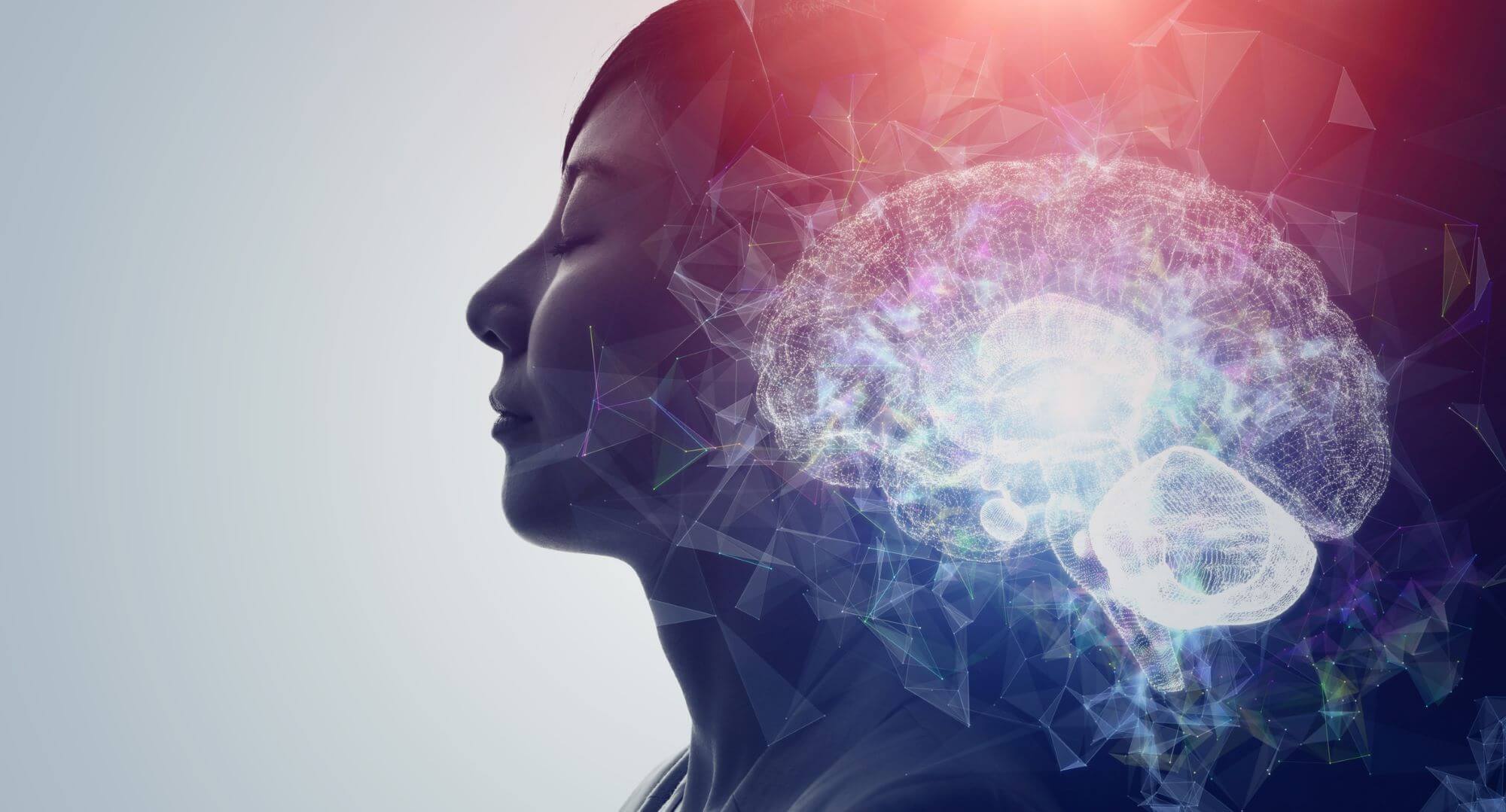
The brain functions thanks to constant communication between its nerve cells, something that depends on substances called neurotransmitters. One of the most important of these is glutamate, which is essential for functions such as memory, learning and movement control. However, its dysregulation can lead to serious health problems. In this context, CBD, a non-psychoactive compound derived from the hemp plant, is emerging as a promising option for regulating glutamate.
In this article, we explain what glutamate is and how CBD is being researched for its role in regulating it and in promoting brain health.
What is glutamate and why is it so important?
Glutamate is an amino acid that neurons use to communicate. Its main function is to activate neurons, a neuronal activation known as excitatory neurotransmission, which enables processes such as memory, emotions and learning (1).
Glutamate is like the brain’s “accelerator”. It activates neurons so that they process information, which makes it essential for functions such as memory and learning, movement control, emotions and sensory perception.
Glutamate is the main excitatory neurotransmitter in the brain, a chemical compound involved in the transmission of sensory information, emotions, motor coordination, memory and learning (2, 3, 4). For this reason, it is present in high concentrations in the brain.
When there is too much glutamate in the brain, this neurotransmitter can overstimulate neurons and cause damage, known as “excitotoxicity”, which is linked to neurological disorders such as anxiety, stress, or even neurodegenerative diseases such as Alzheimer’s.


How does CBD act on the brain?
CBD, or cannabidiol, unlike other cannabis compounds such as THC, has no psychoactive effects. Instead, it interacts with different systems in the brain to help maintain mental balance. This is what it does:
- Glutamate modulation: helps reduce glutamate “overload”, protecting neurons from damage.
- Promotes relaxation: it supports the action of another neurotransmitter called GABA, which acts as the brain’s natural “brake”, counteracting glutamate’s excitation and helping to balance the activation and inactivation of brain cells.
- Neuroprotective effects: by preventing neuronal damage caused by excitotoxicity, CBD may be useful, and its use is being researched in conditions such as epilepsy, diseases such as Parkinson’s or Alzheimer’s, and other disorders related to brain damage.

What conditions can CBD help with?
CBD has shown promising results in the treatment of certain forms of epilepsy, especially those resistant to other medicines, such as Dravet syndrome.
In addition, its mood-stabilising and anxiety-reducing properties make it an interesting option for problems related to glutamate imbalance, such as anxiety and stress, by helping to calm brain overactivation.
Although the effects, safety and appropriate doses of CBD are still being researched, studies show that this hemp compound has the potential to improve mental wellbeing by supporting the brain’s chemical balance. More studies are needed to fully understand how it works and to confirm its effectiveness in different conditions.
CBD and glutamate in anxiety
The role of glutamate in anxiety is complex. Anxiety is related to the biology of fear conditioning and involves different brain circuits, including glutamatergic signalling (4).
Alterations in the excitatory-inhibitory circuit, involving the inhibitory neurotransmitter GABA and glutamate, are responsible for anxiety disorders. That is why various anxiolytic medicines focus on reducing neuronal excitability, making neurons less reactive to glutamate.

Cannabinoids and mental balance: their impact on glutamate regulation
The cannabis plant contains numerous compounds called cannabinoids, which can influence the glutamatergic system through various mechanisms.
Mental effects of THC on glutamate
Tetrahydrocannabinol (THC), the psychoactive cannabinoid present in large amounts in cannabis, can modulate glutamate release by activating endocannabinoid receptors called CB1 receptors in the brain (10). This interaction can alter glutamate signalling in chronic cannabis users (11) and, as a result, affect cognitive processes. In addition, THC has been shown to raise brain glutamate levels, which may be related to the psychosis induced by high doses of cannabis (11).
Mental effects of CBD on glutamate
Unlike THC, CBD acts on different areas of the brain, not only on endocannabinoid receptors. CBD may regulate glutamate by binding to another type of receptor, the transient receptor potential vanilloid type 1, or TRPV1, receptors (12).
CBD can also increase the action of GABA, a neurotransmitter that promotes the “inactivation” of neurons. CBD can inhibit the effects of glutamate by increasing GABAergic transmission and antagonising GPR55 receptors located in the basal ganglia of the brain (13). In addition, CBD can improve the brain’s chemical balance by regulating serotonin. As an agonist of serotonergic receptors, in particular serotonin 5-HT1A receptors, CBD can suppress glutamate and GABA transmission in the prefrontal cortex (14).

Overall, CBD appears to have a positive impact on the brain’s activation and inactivation systems. CBD’s effect on all these receptors may modulate the brain’s excitatory and inhibitory pathways, producing antipsychotic and antiepileptic effects. By reducing glutamate-induced excitotoxicity, CBD has been shown to have neuroprotective properties, as well as helping to stabilise mood and cognitive function.

Therapeutic potential of CBD for glutamate disorders
CBD can reduce the excessive release of glutamate in the brain, thus protecting neurons, which is particularly important in neurodegenerative diseases. Likewise, CBD’s modulation of neuronal excitation-inhibition makes it a possible treatment for certain types of epilepsy, such as Dravet syndrome (15).
CBD may also be effective in the treatment of drug-resistant epilepsy associated with Dravet syndrome, Lennox-Gastaut syndrome, tuberous sclerosis and temporal lobe epilepsy (16, 17, 18). It is important to mention that CBD does not help everyone with epilepsy, as some studies have found that certain people do not respond to its effects (19).
Conclusion
Glutamate is a neurotransmitter involved in a variety of brain functions, and its regulation is critical to maintaining neuronal health. CBD offers therapeutic potential to help regulate glutamate and treat medical conditions associated with its dysregulation.
Although research on CBD and its impact on neurotransmitters has provided valuable insights, much remains to be discovered. Further studies are needed to fully understand the underlying mechanisms and to determine the efficacy of CBD in various clinical conditions related to glutamate imbalance.
Note: this is an informative article with no prescriptive purpose; it is not intended to prevent, diagnose or treat any disease. Its content may complement, but should never replace, the diagnosis or treatment of any disease or symptom. Cannactiva products are not medicines and are intended for external use. There may be relevant new scientific evidence since the date of publication. Consult your doctor before using CBD. Therapeutic advice should be personalised and depends on professional assessment.
References
- Owen, A. D., & Bird, M. M. (1997). Role of glutamate in the regulation of the outgrowth and motility of neurites from mouse spinal cord neurons in culture. Journal of anatomy, 191 ( Pt 2)(Pt 2), 301–307. https://doi.org/10.1046/j.1469-7580.1997.19120301.x
- Hassel, Bjørnar & Dingledine, Raymond. (2012). Glutamate and Glutamate Receptors. Basic Neurochemistry. 342-366. http://dx.doi.org/10.1016/B978-0-12-374947-5.00017-1
- Davis, M., Rainnie, D., & Cassell, M. (1994). Neurotransmission in the rat amygdala related to fear and anxiety. Trends in neurosciences, 17(5), 208–214. https://doi.org/10.1016/0166-2236(94)90106-690106-6)
- Bergink, V., van Megen, H. J., & Westenberg, H. G. (2004). Glutamate and anxiety. European neuropsychopharmacology : the journal of the European College of Neuropsychopharmacology, 14(3), 175–183. https://doi.org/10.1016/S0924-977X(03)00100-700100-7)
- Hilton, J. F., Christensen, K. E., Watkins, D., Raby, B. A., Renaud, Y., de la Luna, S., Estivill, X., MacKenzie, R. E., Hudson, T. J., & Rosenblatt, D. S. (2003). The molecular basis of glutamate formiminotransferase deficiency. Human mutation, 22(1), 67–73. https://doi.org/10.1002/humu.10236
- Greenberg, D.A. (2003). Neurotransmitters, Overview. Encyclopedia of the Neurological Sciences, Academic Press, Pages 614-621, https://doi.org/10.1016/B0-12-226870-9/01216-8.
- Masic, U., & Yeomans, M. R. (2014). Umami flavor enhances appetite but also increases satiety. The American journal of clinical nutrition, 100(2), 532–538. https://doi.org/10.3945/ajcn.113.080929
- Wu, B., Eldeghaidy, S., Ayed, C., Fisk, I. D., Hewson, L., & Liu, Y. (2022). Mechanisms of umami taste perception: From molecular level to brain imaging. Critical reviews in food science and nutrition, 62(25), 7015–7024. https://doi.org/10.1080/10408398.2021.1909532
- Yamaguchi, S., & Ninomiya, K. (2000). Umami and food palatability. The Journal of nutrition, 130(4S Suppl), 921S–6S. https://doi.org/10.1093/jn/130.4.921S
- Pistis, M., Ferraro, L., Pira, L., Flore, G., Tanganelli, S., Gessa, G. L., & Devoto, P. (2002). Delta(9)-tetrahydrocannabinol decreases extracellular GABA and increases extracellular glutamate and dopamine levels in the rat prefrontal cortex: an in vivo microdialysis study. Brain research, 948(1-2), 155–158. https://doi.org/10.1016/s0006-8993(02)03055-x03055-x)
- Colizzi, M., McGuire, P., Pertwee, R. G., & Bhattacharyya, S. (2016). Effect of cannabis on glutamate signalling in the brain: A systematic review of human and animal evidence. Neuroscience and biobehavioral reviews, 64, 359–381. https://doi.org/10.1016/j.neubiorev.2016.03.010
- Musella, A., De Chiara, V., Rossi, S., Prosperetti, C., Bernardi, G., Maccarrone, M., & Centonze, D. (2009). TRPV1 channels facilitate glutamate transmission in the striatum. Molecular and cellular neurosciences, 40(1), 89–97. https://doi.org/10.1016/j.mcn.2008.09.001
- Kaplan, J. S., Stella, N., Catterall, W. A., & Westenbroek, R. E. (2017). Cannabidiol attenuates seizures and social deficits in a mouse model of Dravet syndrome. Proceedings of the National Academy of Sciences of the United States of America, 114(42), 11229–11234. https://doi.org/10.1073/pnas.1711351114
- Santana, N., Bortolozzi, A., Serrats, J., Mengod, G., & Artigas, F. (2004). Expression of serotonin1A and serotonin2A receptors in pyramidal and GABAergic neurons of the rat prefrontal cortex. Cerebral cortex (New York, N.Y. : 1991), 14(10), 1100–1109. https://doi.org/10.1093/cercor/bhh070
- Martínez-Aguirre, C., Márquez, L. A., Santiago-Castañeda, C. L., Carmona-Cruz, F., Nuñez-Lumbreras, M. L. A., Martínez-Rojas, V. A., Alonso-Vanegas, M., Aguado-Carrillo, G., Gómez-Víquez, N. L., Galván, E. J., Cuéllar-Herrera, M., & Rocha, L. (2023). Cannabidiol Modifies the Glutamate Over-Release in Brain Tissue of Patients and Rats with Epilepsy: A Pilot Study. Biomedicines, 11(12), 3237. https://doi.org/10.3390/biomedicines11123237
- Thiele, E. A., Bebin, E. M., Bhathal, H., Jansen, F. E., Kotulska, K., Lawson, J. A., O'Callaghan, F. J., Wong, M., Sahebkar, F., Checketts, D., Knappertz, V., & GWPCARE6 Study Group (2021). Add-on Cannabidiol Treatment for Drug-Resistant Seizures in Tuberous Sclerosis Complex: A Placebo-Controlled Randomized Clinical Trial. JAMA neurology, 78(3), 285–292. https://doi.org/10.1001/jamaneurol.2020.4607
- Devinsky, O., Patel, A. D., Cross, J. H., Villanueva, V., Wirrell, E. C., Privitera, M., Greenwood, S. M., Roberts, C., Checketts, D., VanLandingham, K. E., Zuberi, S. M., & GWPCARE3 Study Group (2018). Effect of Cannabidiol on Drop Seizures in the Lennox-Gastaut Syndrome. The New England journal of medicine, 378(20), 1888–1897. https://doi.org/10.1056/NEJMoa1714631
- Crippa, J. A., Crippa, A. C., Hallak, J. E., Martín-Santos, R., & Zuardi, A. W. (2016). Δ9-THC Intoxication by Cannabidiol-Enriched Cannabis Extract in Two Children with Refractory Epilepsy: Full Remission after Switching to Purified Cannabidiol. Frontiers in pharmacology, 7, 359. https://doi.org/10.3389/fphar.2016.00359
- Devinsky, O., Cilio, M. R., Cross, H., Fernandez-Ruiz, J., French, J., Hill, C., Katz, R., Di Marzo, V., Jutras-Aswad, D., Notcutt, W. G., Martinez-Orgado, J., Robson, P. J., Rohrback, B. G., Thiele, E., Whalley, B., & Friedman, D. (2014). Cannabidiol: pharmacology and potential therapeutic role in epilepsy and other neuropsychiatric disorders. Epilepsia, 55(6), 791–802. https://doi.org/10.1111/epi.12631
Frequently asked questions
What kind of emotions and sensations does glutamate produce?
Although glutamate does not directly produce specific emotions or sensations, it is essential for the brain functions that underpin emotional and sensory experiences. Its proper functioning is crucial for maintaining cognitive abilities.
What happens if glutamate gets out of control?
Although it is rare, there is a genetic disorder called glutamate formiminotransferase deficiency, which is characterised by reduced glutamate (5). In addition, dysregulated glutamate signalling is involved in several neurological disorders, including epilepsy, schizophrenia and neurodegenerative diseases (6).