The cannabis plant produces around a hundred different cannabinoids. THC or tetrahydrocannabinol (or Delta-9-THC) is the main psychoactive compound in cannabis, but there are other forms of THC, including Delta 8 THC. Delta-8-THC is often confused with Delta-9-THC. Today at Cannactiva, we explain the main differences between these two THC variants.
Main differences between Delta 8 and Delta 9
When we talk about THC, we generally mean delta-9-THC (delta-9-tetrahydrocannabinol, or dronabinol when of synthetic origin), the psychoactive compound found in the cannabis plant in the highest percentages, up to 30%.
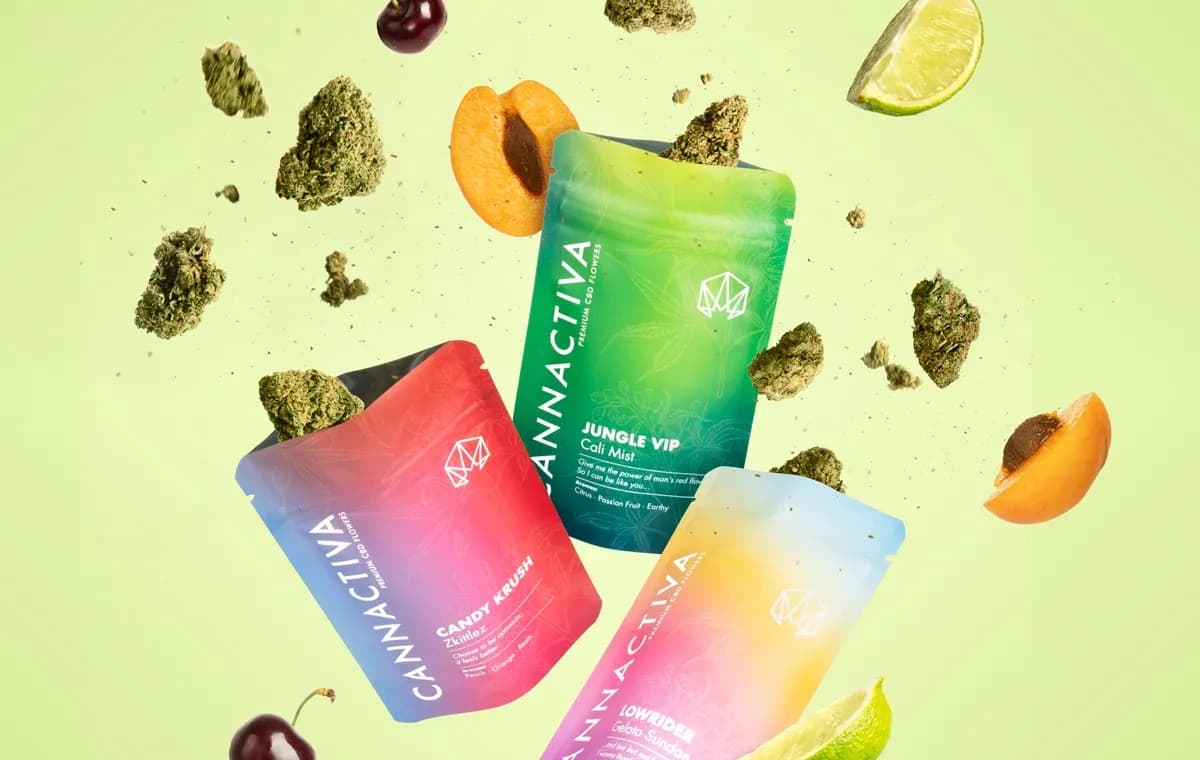
It is worth clarifying that CBD flower or industrial hemp flower contains only traces of THC, in any of its variants (<0.3% THC).
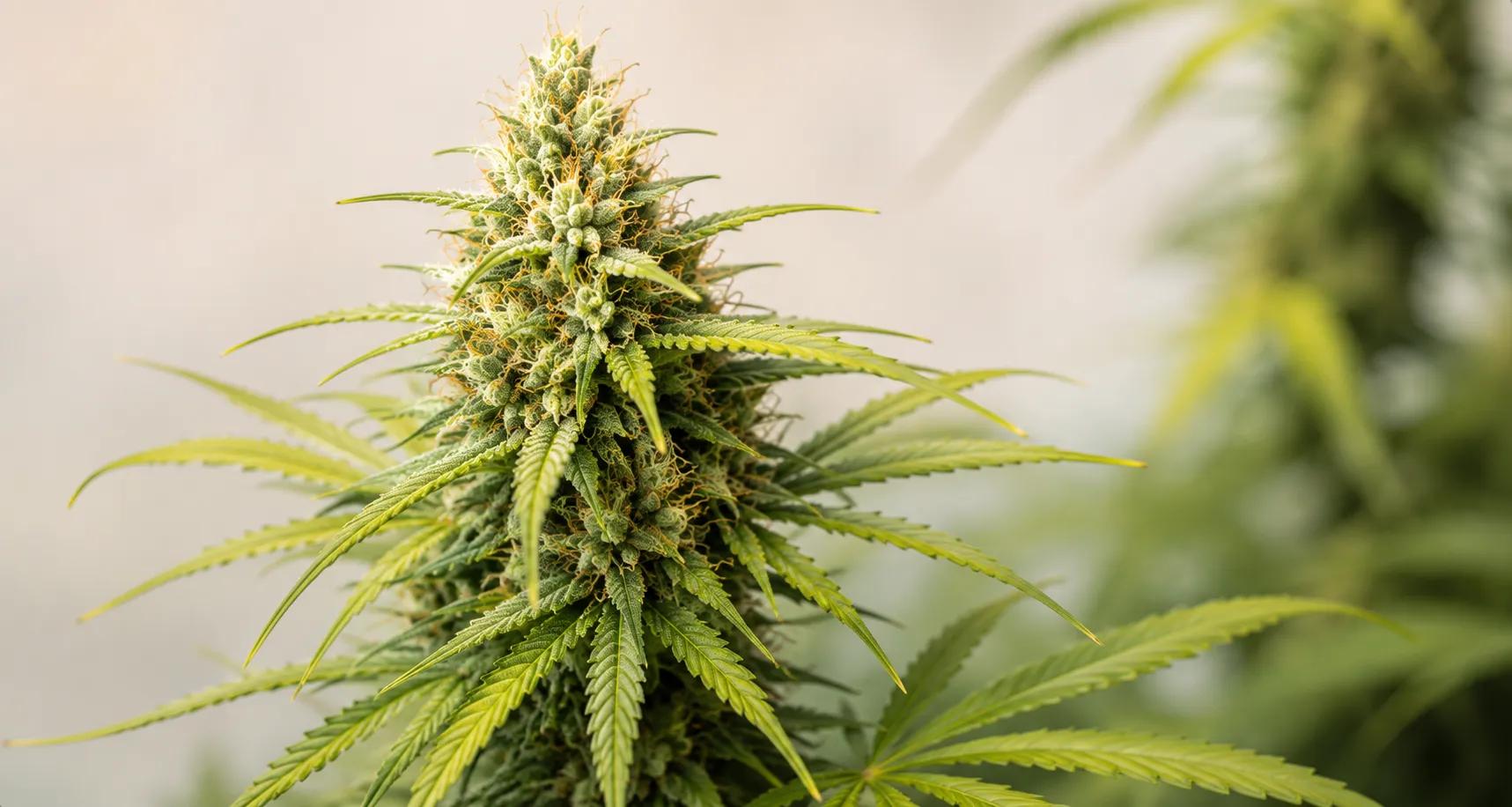
THC-rich cannabis is popularly known as weed. Depending on the strain, the content of THC and other cannabinoids can vary considerably. Delta-9-THC binds to certain receptors in the brain and produces psychoactive properties, which is why most of the side effects of cannabis use are attributed to this compound.
Delta-9-THC (or simply THC) is the most abundant THC variant in cannabis. Delta-8-THC, on the other hand, is present in cannabis in very small amounts. Products containing high amounts of Delta-8-THC obtain it synthetically.
As well as Delta-9-THC, the cannabis plant produces other THC variants, which differ in the chemical structure of the molecule and in the way they interact with the body. Of all the THC variants, one of the most popular is Delta 8-THC (delta-8-tetrahydrocannabinol).
The main characteristic of Delta-8-THC is that it is less psychoactive than its sibling Delta-9-THC.

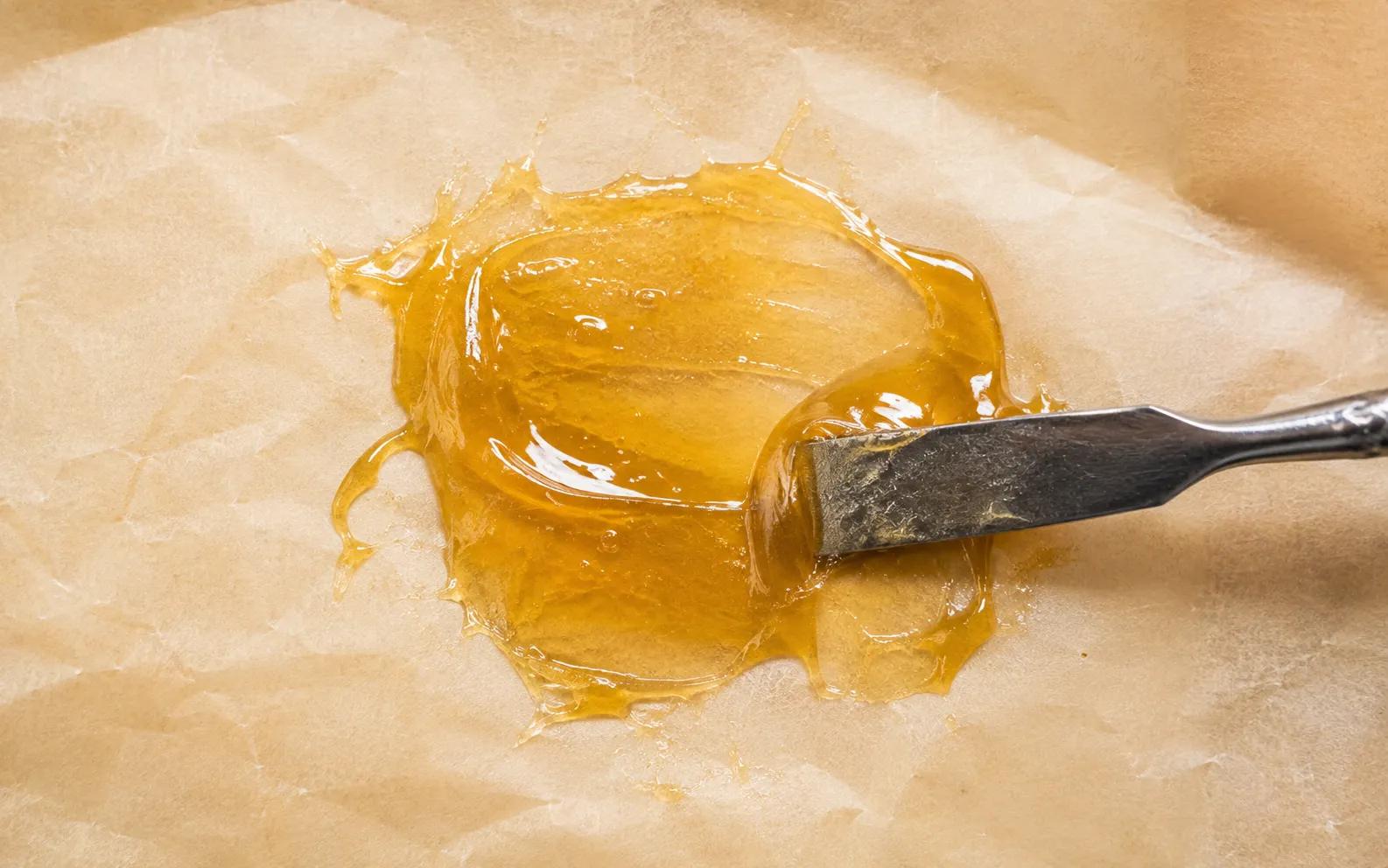
Delta-8-THC is found in cannabis plants in much smaller amounts than Delta-9-THC. Even so, a large number of products containing this cannabinoid are sold on the market, such as vapes and gummies, which contain it in synthetic form (produced in laboratories, usually from CBD or THC).
Effects of Delta 8 vs Delta 9
It was initially thought that Delta-8-THC could provide the same medicinal effects as THC without the intense psychoactive effects, which are undesirable for patients. But the truth is that science has not yet confirmed this supposed advantage. Current studies showing properties of Delta-8-THC are mostly preliminary (e.g. in animals or in vitro), and evidence of its possible therapeutic benefits is lacking.
Which of the two is more psychoactive?
There is no definitive answer to the question of which of the two types of THC is more psychoactive. In pure form, Delta-9-THC is more psychoactive than Delta-8-THC because it has a higher affinity for the CB1 receptor, which is responsible for the psychoactive effects. In fact, the latter is promoted as having milder, more manageable effects than THC.
The actual psychoactive effects depend on the type of product used, how it is taken and the dose. In other words: eating a gummy with 50mg of Delta-8-THC can be more psychoactive than smoking a cannabis bud with a low THC content.
However, these claims are based on laboratory results. There are other factors to consider, as the effect also depends on how it is taken (ingested cannabinoids have a higher peak effect than when they are inhaled or smoked) and on the dose (some cannabinoid products have a much more potent dose than the amount found naturally in the plant). In addition, there may be differences between individuals that change the psychoactive potency.

Delta-8-THC is usually sold in pure form, in vapes, gummies and edibles. In these cases, the amount of Delta-8-THC being taken can be high and produce intense psychoactive effects.
It is also worth noting that a report by the European Monitoring Centre for Drugs and Drug Addiction (EMCDDA) reported analyses of Delta-8-THC products that contained substances not listed on the label, as well as contaminants. Since the market for neo-cannabinoids or synthetic cannabinoids has practically no quality control, it is possible to end up with poor-quality products that can be harmful and produce unpredictable effects.
In natural cannabis, psychoactivity will depend not only on the THC percentage of the strain, but also on its CBD content, as well as on other minor cannabinoids (including natural Delta-8-THC) and terpenes, which can influence how cannabis acts on the body. This is known as the entourage effect of cannabis, and it explains how the plant's other components interact with each other, resulting in a reduction, modulation or increase of the effect of THC.
How long do the effects of Delta 8 and Delta 9 THC last?
How long the effects of both compounds last can vary depending on the dose and how they are taken. In general, the effects of Delta-9-THC can last from 2 to 6 hours. By comparison, the effects of Delta-8-THC tend to be slightly shorter and less intense, although the duration may be similar, depending on individual factors such as tolerance and how it is taken.
Ingesting cannabinoids, for example in Delta-8-THC gummies, produces a later but higher and longer-lasting peak of the substance, which can result in stronger mental effects that last longer.
Differences in the extraction of Delta 8 and Delta 9 THC
The vast majority of commercially available products contain synthetic Delta-8-THC, produced from CBD (cannabidiol) or from Delta-9-THC.
Delta-8-THC is present in cannabis plants in significantly smaller amounts than Delta-9-THC. Therefore, most Delta-8-THC products on the market obtain this cannabinoid synthetically.
One of the ways of obtaining these cannabinoids has been to use CBD extracted from industrial hemp, a technique adopted by certain manufacturers because producing synthetic cannabinoids costs more than cannabidiol extract.
Differences between the Delta-9-THC and Delta-8-THC molecules
The differences between the Delta-9-THC and Delta-8-THC molecules lie mainly in the position of a chemical double bond in their structures. In Delta-9-THC, the double bond is at the ninth carbon position of the molecular chain, whereas in Delta-8-THC it is at the eighth position. In chemistry, a small detail like this means that each cannabinoid can act differently.

This small structural difference affects how each compound interacts with receptors in the brain. Delta-8-THC interacts less intensely with CB1 receptors, as it does not bind strongly to these receptors of the endocannabinoid system, resulting in milder psychoactive effects and a different profile of possible therapeutic benefits.
Comparison of Delta 8 and Delta 9 THC
Comparison table
Delta 8 THC | Delta 9 THC | |
Origin | Present in cannabis, but only in small amounts. It is sold in synthetic form, in products such as gummies and vapes, produced from CBD or THC. | Abundant in psychoactive cannabis strains (weed). It can also be obtained synthetically. |
Molecule | Double bond at the eighth carbon position in its molecular chain. | Double bond at the ninth carbon position in its molecular chain. |
Effects | In pure form, it has a lower affinity for CB1 receptors in the brain, which means less psychoactive effects than Delta 9. | In pure form, it is more psychoactive than Delta-8-THC, with more intense effects and the potential for more significant adverse effects such as anxiety or paranoia. |
Legality | It cannot legally be sold in the UK, Spain or other European countries; outside Europe, its legal status varies depending on the region and the regulation of synthetic cannabinoids. | As the main compound of psychoactive cannabis, it is subject to strict restrictions. |
Frequently asked questions about Delta 8 and Delta 9
Do Delta 8 and Delta 9 THC show up on a drug test?
Yes, both Delta 8 and Delta 9 tetrahydrocannabinol (THC) can give a positive result on a drug test that looks for THC, because structurally they are very similar molecules. Many drug tests do not distinguish between different forms of THC.
Are Delta 8 and Delta 9 THC suitable for medicinal use?
Delta 9 THC, or simply THC, is widely used in medical cannabis to treat various symptoms or specific medical conditions. Delta-8-THC, on the other hand, lacks solid scientific evidence to support its therapeutic potential. Even so, Delta-8-THC is naturally present in cannabis flowers – in very small amounts – and could influence the effect of cannabis through the well-known entourage effect, which is the synergy between all the plant's components that results in a therapeutic effect.
Can Delta 8 or Delta 9 THC cause side effects?
Yes, both Delta 8 and Delta 9 THC can cause side effects. The most common include dry mouth, red eyes, impaired judgement and coordination, anxiety and paranoia, especially at high doses or with frequent use. The intensity and nature of the side effects can vary from one person to another, depending on age (younger brains, greater potential for harm), the dose taken (pure synthetic forms in large amounts, greater potential for harm or adverse effects) and frequency (frequent use, greater potential for adverse effects).
Is it safe to drive after taking Delta 8 or Delta 9 THC?
Like any substance that can impair coordination, judgement and reaction times, it is not safe to drive after taking Delta 8 or Delta 9 THC. Use, at whatever dose, can give a positive result on a roadside drug test and lead to a penalty (regardless of the dose taken).
Are Delta 8 and 9 THC addictive?
Delta-9-THC has been linked to a potential for dependence and addiction, especially with frequent use and at high doses. Delta-8-THC has been studied less, but because of its chemical similarities and its effects on the nervous system, it could also have potential for addiction.

Legality of Delta 8 THC and Delta 9 THC
In the UK, as in Spain and other European countries, neither Delta 8 THC nor Delta 9 THC can legally be sold, mainly because they are psychoactive variants of THC. In most European countries, only industrial hemp with less than 0.3% THC may be sold, and only if it is not intended for human consumption; in some countries, such as the UK, hemp flower is controlled even with a low THC content. Delta-8-THC and other semi-synthetics, such as HHC, are already controlled and banned in many countries (in Spain, since April 2025, under Order SND/380/2025). At Cannactiva we do not recommend buying them: they are of synthetic origin with doubtful traceability, and serious cases have been seen; if anyone wants to do so, they should check the law in their country very carefully, because it is dangerous.
Conclusion
Cannabis contains a wide range of cannabinoids, including different THC variants. Delta 9-THC (or simply THC) is the most abundant THC variant in cannabis and is the main psychoactive compound associated with most of the euphoric effects of using psychoactive cannabis.
Delta 8-THC, on the other hand, is found in smaller amounts and has a lower affinity for CB1 receptors, resulting in milder psychoactive effects. The key differences between Delta 8 and Delta 9 THC lie in their chemical structure, which translates into different effects. Delta-8-THC products obtain this cannabinoid synthetically and in large doses (higher than those normally found in natural cannabis), so using products with a high Delta-8-THC content can produce greater psychoactivity than natural THC, as well as adverse effects. In any case, both cannabinoids can produce adverse effects such as addiction or paranoia in the long term or when used at high doses.
At Cannactiva, we remain committed to hemp flower: non-psychoactive cannabis with all the aroma of cannabis and none of its psychoactive effects.
References
- What is Delta-8-THC? By researcher Masha Burelo.
- EU Drug Market: Cannabis Production. EMCDDA. https://www.emcdda.europa.eu/publications/eu-drug-markets/cannabis/production_en#level-1-section0