Among the many cannabinoids described to date, a sibling of the well-known tetrahydrocannabinol (THC) has emerged. There are different variants of THC: Delta-9-THC is the most studied and the most abundant in cannabis, but today we're looking at Delta-8-THC.
Delta-8-THC is produced in the cannabis plant (although the Delta-8-THC products on the market contain it from synthetic sources), and it has different properties and effects from THC. Today at Cannactiva, we explain the differences between these two types of THC.
What is Delta-8-THC?
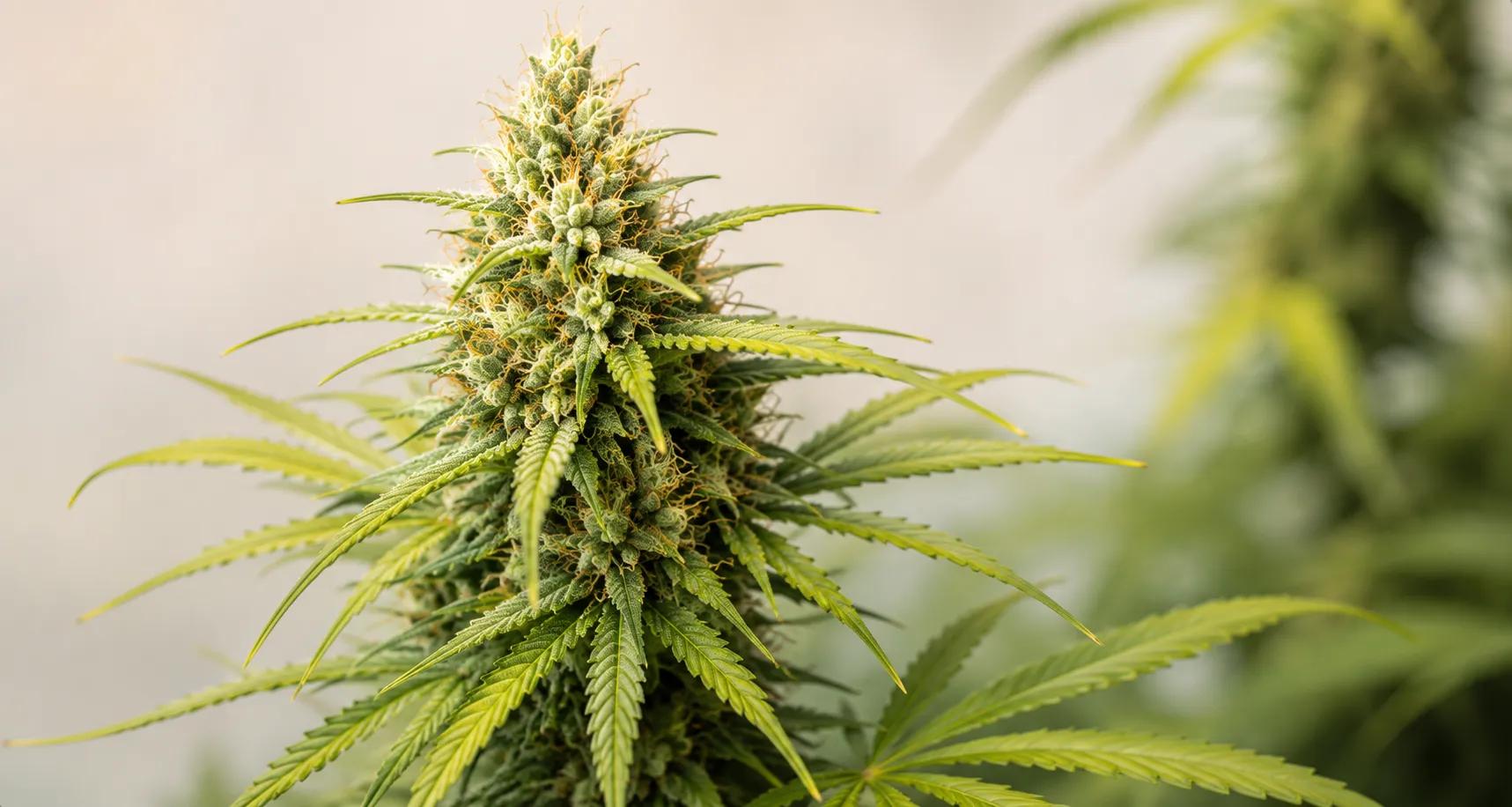
Delta-8-THC (delta-8-tetrahydrocannabinol) is a cannabinoid with psychoactive effects that is found naturally in cannabis plants, in small amounts. It should not be confused with delta-9-THC, or simply THC (tetrahydrocannabinol), which is a more psychoactive form of THC and is found in cannabis in larger amounts than delta-8-THC.
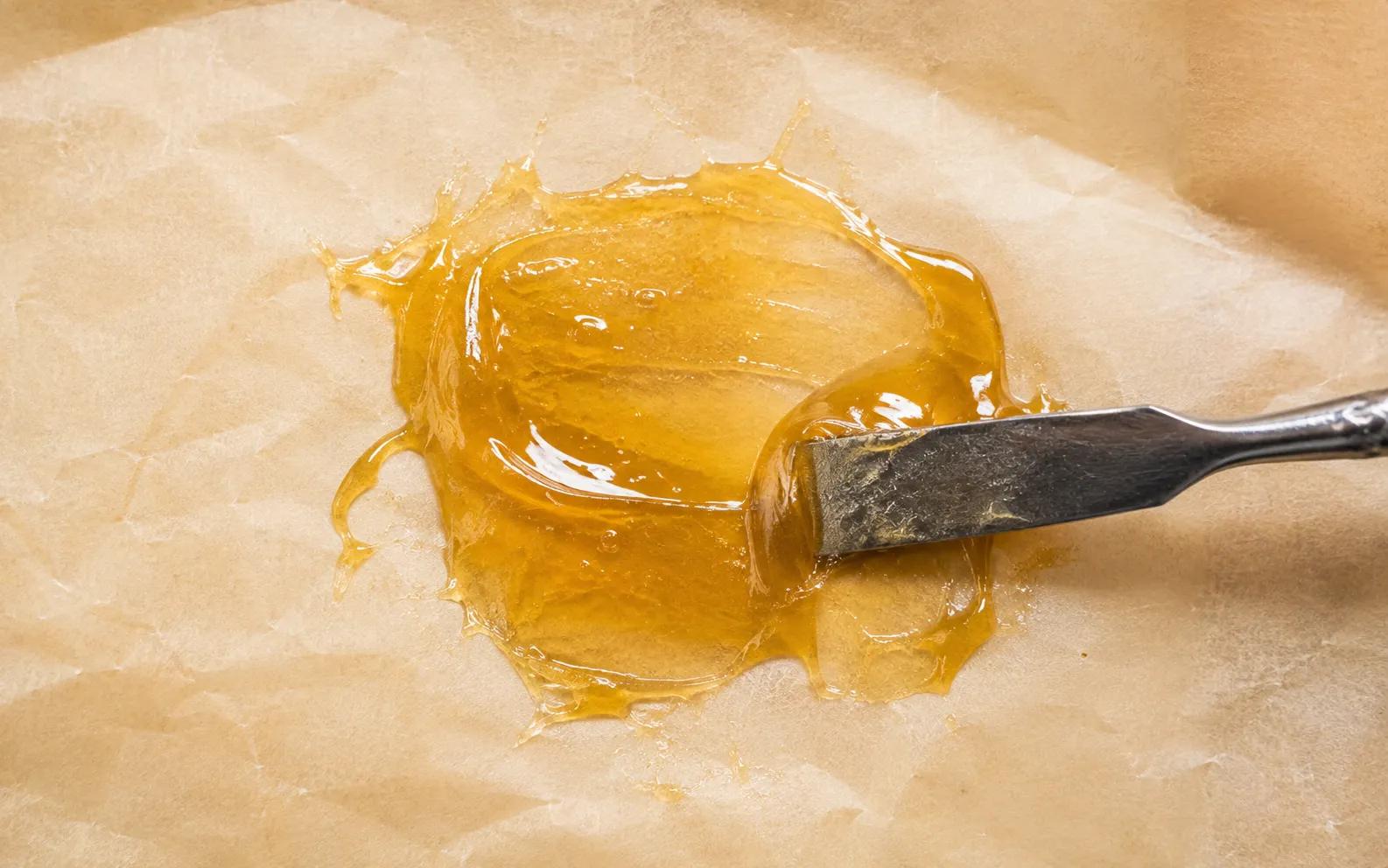
All kinds of Delta-8-THC products are on the market, from flower and hash to vapes and gummies. These products contain this cannabinoid from synthetic sources.
Delta-8-THC is marketed mainly for recreational purposes. Another field where it attracts interest is the therapeutic one, as it is less psychoactive than THC. However, current scientific evidence still shows more benefits for THC, with delta-8-THC having few proven benefits. There are very few studies demonstrating the therapeutic effects of Delta-8-THC.
Differences between Delta-9-THC and Delta-8-THC
Delta-8-THC and delta-9-THC have structural differences in their molecules, which cause Delta-8-THC to interact less intensely with the body's endocannabinoid system.
Specifically, delta-8-THC binds to CB1 receptors less strongly than THC, which results in milder psychoactive effects and a different profile of potential therapeutic benefits.

Effects of Delta-8-THC
Delta-8-THC is known for inducing a “lucid” effect, as it allows a clearer and more manageable perceptual experience, in contrast to the powerful psychoactive effect of delta-9-THC.
Because Delta-8-THC users have reported a more moderate experience (2) than when using cannabis, it has been suggested that Delta-8-THC could be a tool for effectively inducing the desirable effects of medical cannabis without the psychoactive effects of Delta-9-THC (3).
Origin and production of Delta-8-THC
Delta-8-THC is found naturally in cannabis plants in considerably smaller amounts than Delta-9-THC (4). The vast majority of commercially available products contain synthetic Delta-8-THC, made from CBD (cannabidiol) or from Delta-9-THC (5).

Delta-8-THC can be produced artificially from CBD or from Delta-9-THC (5).
Delta-8-THC and delta-9-THC can be manufactured from industrial hemp CBD. Some producers have done this for financial reasons. In addition, from 2020 onwards, legal ambiguity in the United States fuelled a boom in delta-8-THC products, including vapes and edibles. This synthetic cannabinoid has been produced not only on an industrial scale but also in small quantities at home. Today, delta-8-THC and other semi-synthetics such as HHC are already controlled and banned in many countries, including Spain (where Order SND/380/2025 banned HHC and other semi-synthetics in April 2025). At Cannactiva we don't recommend buying them: they are synthetic, their traceability is doubtful and serious cases have been reported; anyone who still wants to should check the law in their country very carefully, because it is dangerous.
Products with Delta-8-THC
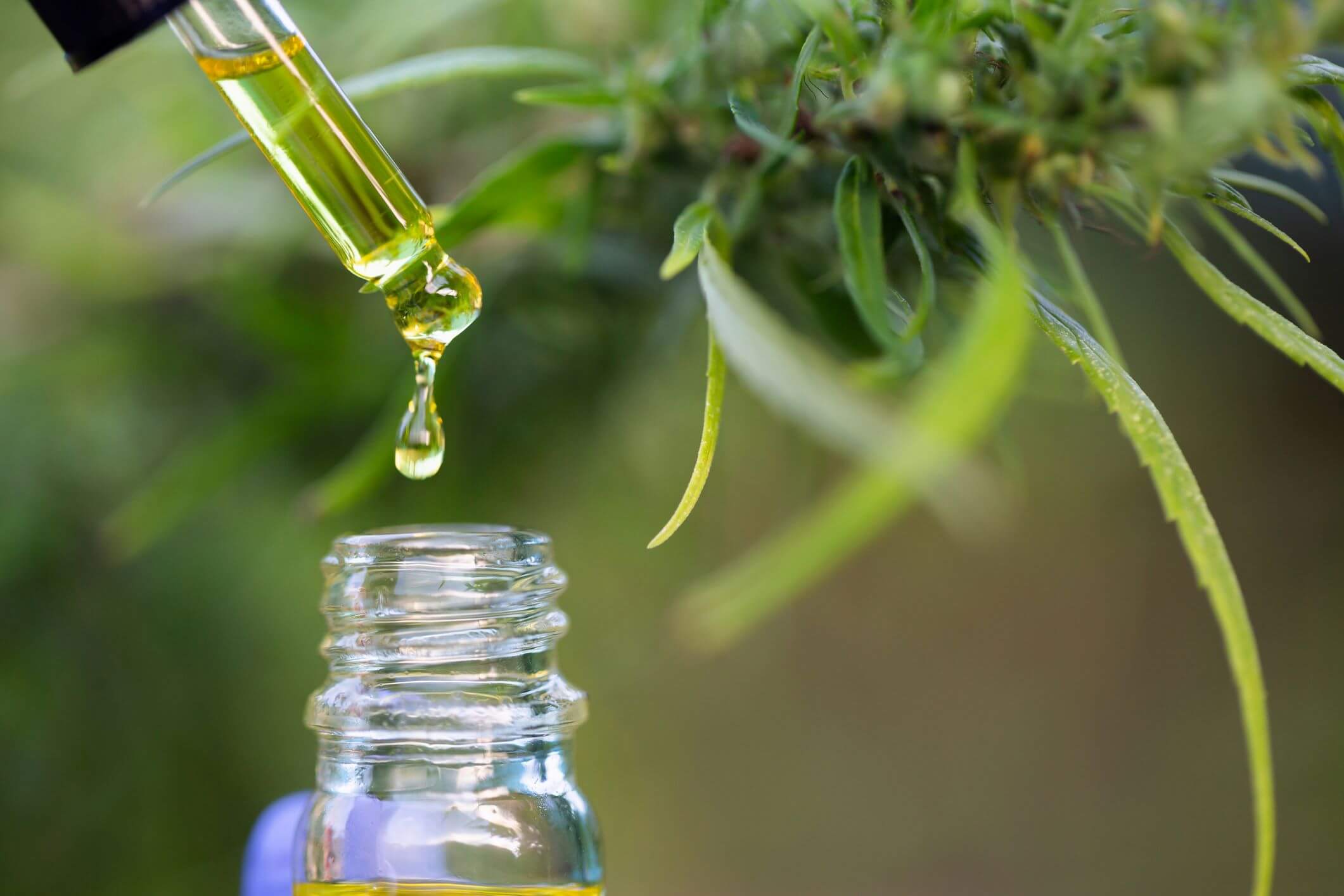
In some countries, Delta-8-THC is available in a wide range of products, including edibles, tinctures, vapes, hash, flower and many others. These products are marketed exclusively for recreational purposes and promoted as psychoactive.
An analysis of delta-8-THC vape products in the United States, published in 2021, showed that none of the products was correctly labelled for cannabinoid content, and all of them contained undeclared adulterants, ranging from by-products of their chemical synthesis to heavy metals (15). Although further research is clearly needed, these findings are already raising alarm about the safety of these products.
Potential benefits of Delta-8-THC
There are very few studies demonstrating the possible therapeutic effects of Delta-8-THC. Most of this research has been carried out in cell cultures and animal models and, although it looks promising, it has reported conflicting results. Reports in humans are mainly based on anecdotal evidence, with the exception of a few studies focused on cancer patients.
For the moment, there are few studies showing the efficacy of Delta-8-THC; its sibling delta-9-THC is the one with the most scientific evidence and medicinal potential.
Pain management
Animal studies have observed that Delta-8-THC can induce an antinociceptive effect that is weaker than (6) or similar to (7) that of Delta-9-THC. This means that Delta-8-THC could provide relief from the pain present in some conditions.
Preventing vomiting
Several preclinical studies have confirmed the ability of Delta-8-THC to prevent the vomiting that results from exposure to cancer treatment (8). A study carried out in children confirmed the efficacy of Delta-8-THC in preventing vomiting in children who received several cycles of anticancer treatment (9).
Antiepileptic
Research into the possible antiepileptic effect of Delta-8-THC has been carried out in rodent models. One study showed that high doses of Delta-8-THC can reduce the occurrence of seizures by up to 25%; however, although administering Delta-8-THC could work as an antiepileptic, it also appears to produce tolerance quickly (10).
Reducing intraocular pressure
Delta-8-THC has been shown to be effective in lowering intraocular pressure in studies carried out in rabbits (11); in addition, Delta-8-THC may also be linked to reduced inflammation in corneal injury (12).
Effects on the immune system
Research on the impact of Delta-8-THC on the immune system has mainly been carried out through studies in cell cultures and animal models. Some researchers have identified a potential immunosuppressive effect associated with Delta-8-THC (13). However, this effect, which could initially be considered adverse, seems to appear only after the first doses. The evidence suggests that tolerance to Delta-8-THC building up over time could reduce or completely eliminate this immunosuppressive effect.
Side effects of delta-8-THC
Although Delta-8-THC tends to cause less severe side effects than Delta-9-THC, it can still cause symptoms such as dry mouth, red eyes, diarrhoea, anxiety and palpitations (14).
Conclusion
Delta-8-THC is a psychoactive cannabinoid found in cannabis in very small amounts, and the products sold that contain it usually obtain it from synthetic sources.
There are still many aspects to be assessed through scientific studies in order to understand the applications and safety profile of Delta-8-THC. As for its possible therapeutic potential, for the moment there are few studies showing the efficacy of Delta-8-THC; its sibling delta-9-THC is the one with the most scientific evidence and medicinal potential.
We hope you found this article interesting. We'll keep covering more cannabinoids in future posts!
References
- Razdan RK. Chemistry and structure-activity relationships of cannabinoids: an overview. In: Agurell S, Dewey WL, Willette RE, editors. The Cannabinoids: Chemical, Pharmacologic, and Therapeutic Aspects: Academic Press; 1984. p. 63–78. https://doi.org/10.1016/B978-0-12-044620-9.50009-9
- Kruger, J. S., & Kruger, D. J. (2022). Delta-8-THC: Delta-9-THC's nicer younger sibling?. Journal of cannabis research, 4(1), 4. https://doi.org/10.1186/s42238-021-00115-8
- Kruger, D. J., & Kruger, J. S. (2023). Consumer Experiences with Delta-8-THC: Medical Use, Pharmaceutical Substitution, and Comparisons with Delta-9-THC. Cannabis and cannabinoid research, 8(1), 166–173. https://doi.org/10.1089/can.2021.0124
- Hively, R. L., Mosher, W. A. and Hoffmann, F. W. (1966). Isolation of trans-delta6-Tetrahydrocannabinol from Marijuana. Journal of the American Chemical Society, 88 (8), 1832-1833. https://doi.org/10.1021/ja00960a056
- Hanuš L., Krejčí Z.: Isolation of two new cannabinoid acids from Cannabis sativa L. of Czechoslovak origin. Acta Univ. Olomuc., Fac. Med. 74, 161-166 (1975)
- Welch, S. P., & Stevens, D. L. (1992). Antinociceptive activity of intrathecally administered cannabinoids alone, and in combination with morphine, in mice. The Journal of pharmacology and experimental therapeutics, 262(1), 10–18. https://jpet.aspetjournals.org/content/262/1/10.long
- Chesher, G. B., Dahl, C. J., Everingham, M., Jackson, D. M., Marchant-Williams, H., & Starmer, G. A. (1973). The effect of cannabinoids on intestinal motility and their antinociceptive effect in mice. British journal of pharmacology, 49(4), 588–594. https://doi.org/10.1111/j.1476-5381.1973.tb08534.x
- Darmani, N. A., Janoyan, J. J., Crim, J., & Ramirez, J. (2007). Receptor mechanism and antiemetic activity of structurally-diverse cannabinoids against radiation-induced emesis in the least shrew. European journal of pharmacology, 563(1-3), 187–196. https://doi.org/10.1016/j.ejphar.2007.01.093
- Abrahamov, A., Abrahamov, A., & Mechoulam, R. (1995). An efficient new cannabinoid antiemetic in pediatric oncology. Life sciences, 56(23-24), 2097–2102. https://doi.org/10.1016/0024-3205(95)00194-b
- Corcoran, M. E., McCaughran, J. A., Jr, & Wada, J. A. (1978). Antiepileptic and prophylactic effects of tetrahydrocannabinols in amygdaloid kindled rats. Epilepsia, 19(1), 47–55. https://doi.org/10.1111/j.1528-1157.1978.tb05011.x
- Elsohly, M. A., Harland, E., Murphy, J. C., Wirth, P., & Waller, C. W. (1981). Cannabinoids in glaucoma: a primary screening procedure. Journal of clinical pharmacology, 21(S1), 472S–478S. https://doi.org/10.1002/j.1552-4604.1981.tb02627.x
- Thapa, D., Cairns, E. A., Szczesniak, A. M., Toguri, J. T., Caldwell, M. D., & Kelly, M. E. M. (2018). The Cannabinoids delta-8-THC, CBD, and HU-308 Act via Distinct Receptors to Reduce Corneal Pain and Inflammation. Cannabis and cannabinoid research, 3(1), 11–20. https://doi.org/10.1089/can.2017.0041
- Nahas, G. G., Morishima, A., & Desoize, B. (1977). Effects of cannabinoids on macromolecular synthesis and replication of cultured lymphocytes. Federation proceedings, 36(5), 1748–1752.
- Leas, E. C., Harati, R. M., Satybaldiyeva, N., Morales, N. E., Huffaker, S. L., Mejorado, T., & Grant, I. (2023). Self-reported adverse events associated with delta-8-Tetrahydrocannabinol (Delta-8-THC) Use. Journal of cannabis research, 5(1), 15. https://doi.org/10.1186/s42238-023-00191-y
- Erickson, B. (2021), Delta-8-THC craze concerns chemists, Chemical & Engineering News, 30 August.
Frequently asked questions
Is Delta-8-THC addictive?
Although Delta-8-THC is generally considered to carry a lower risk of addiction than Delta-9-THC, any substance that affects the brain's reward system can lead to dependence if it is not used responsibly.
Does Delta-8-THC show up on a drug test?
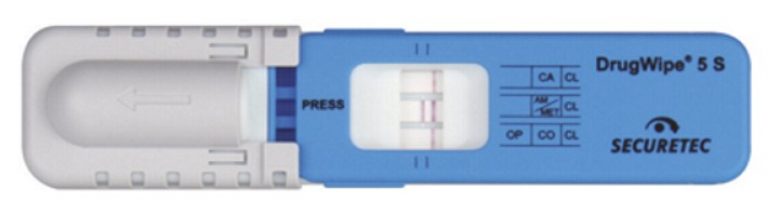
Delta-8-THC can produce positive results on drug tests. Because of its structural similarities to Delta-9-THC, using Delta-8-THC can result in a positive result on tests designed to detect THC.