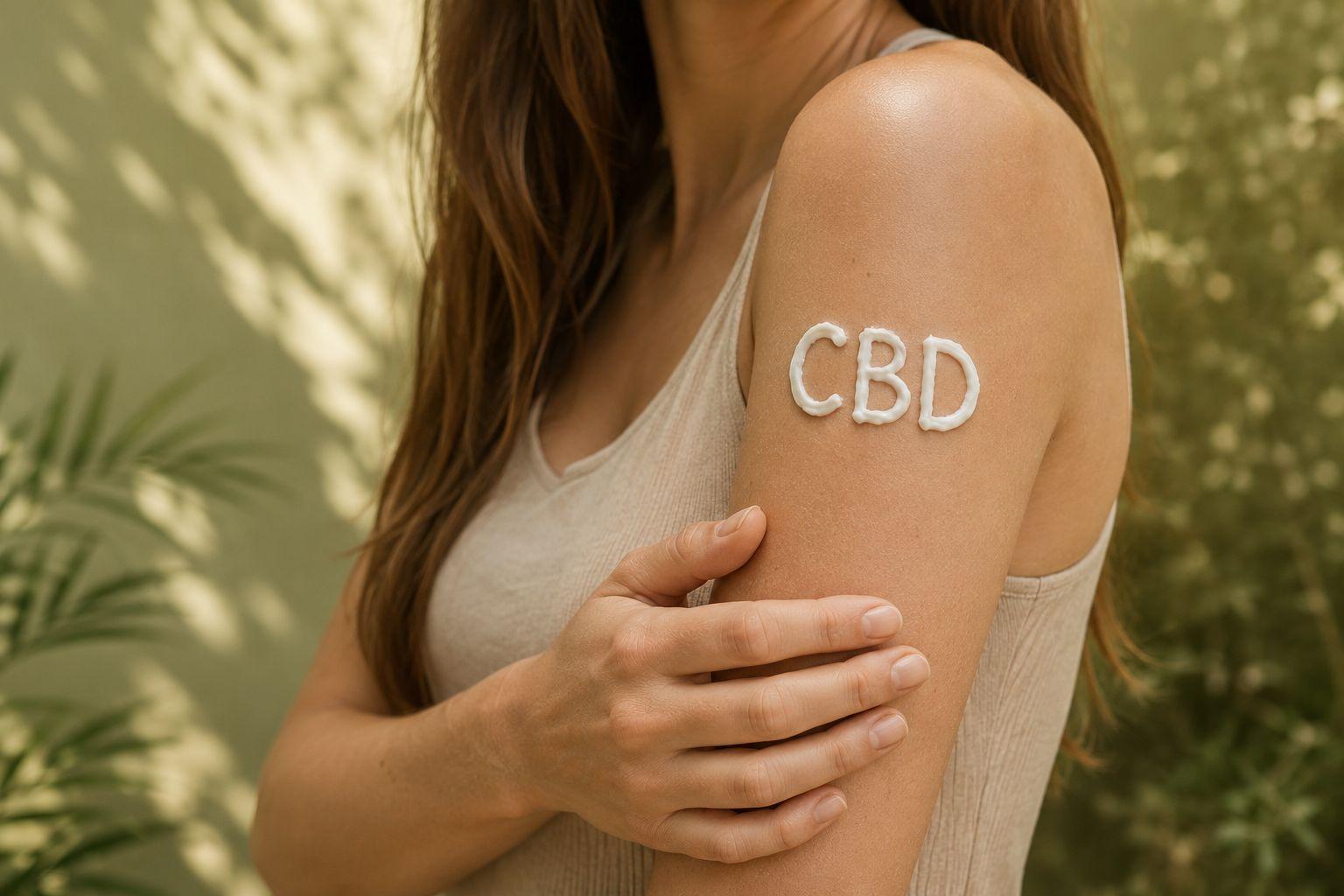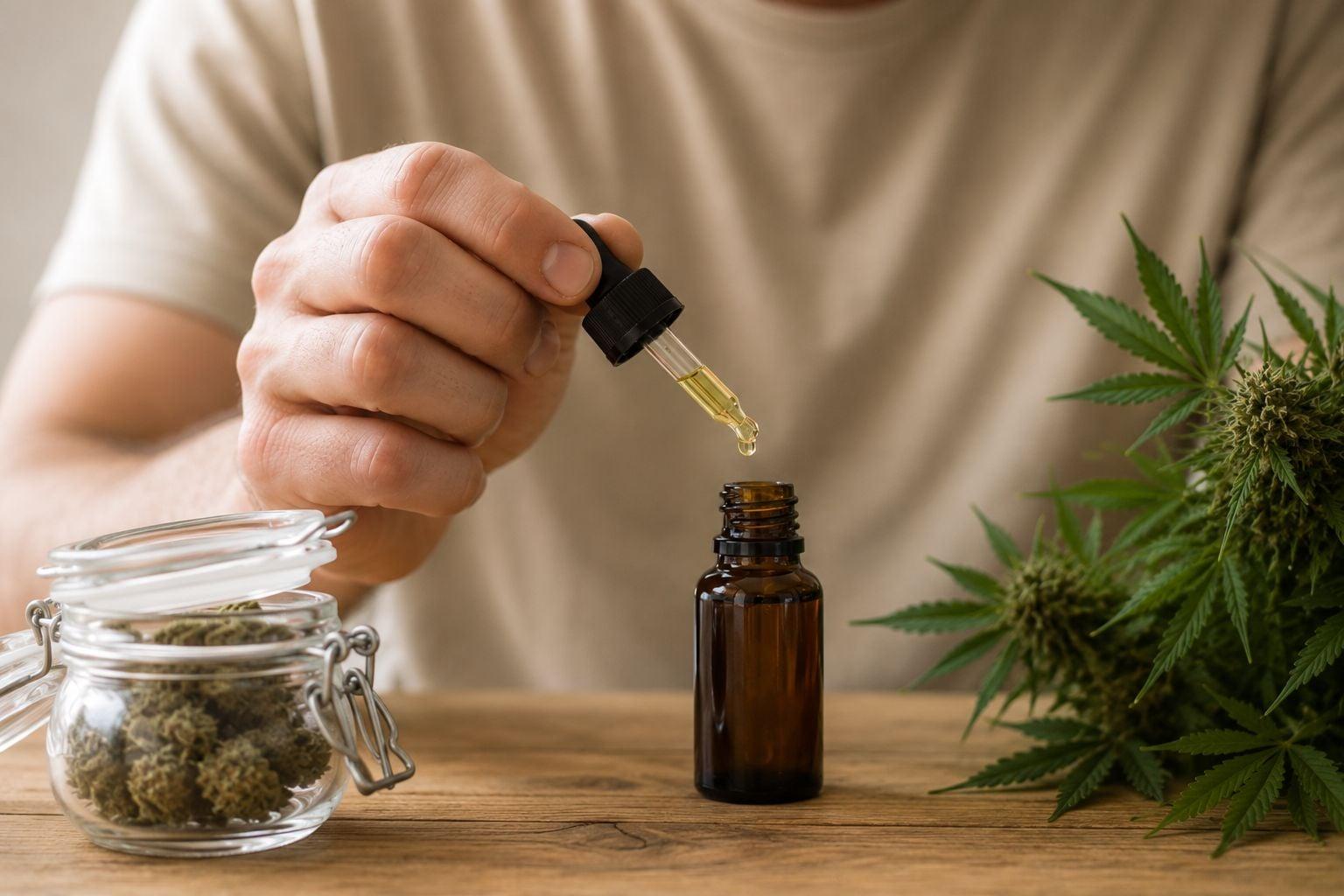
Cannabis is a plant that contains a variety of chemical compounds, including cannabinoids, the best known of which are tetrahydrocannabinol (THC) and cannabidiol (CBD). THC is responsible for the psychotropic effects associated with cannabis use, while CBD has gained popularity for offering therapeutic benefits without producing psychotropic effects.
There is growing interest in the interaction between the two compounds, as some scientific studies point out. Today on the Cannactiva blog, researcher Alberto Sainz Cort, author of scientific studies on the interactions between CBD and THC, explains what the effect of THC and CBD is like when they are taken together.
THC and CBD: what are they and how do they work?
THC is the most abundant cannabinoid in the cannabis plant and the main cause of the psychotropic effects of cannabis use, characterised by feelings of euphoria, relaxation, altered mental perception and other neuropsychological effects.
CBD is the second most abundant cannabinoid in the cannabis plant, but its effects are different from those of THC. Various studies have shown that it does not produce psychotropic effects like THC does. However, cannabidiol has other effects on the body with therapeutic potential, such as relief from chronic pain, anxiety, psychotic disorders or insomnia.

In addition to the effects each cannabinoid produces on its own, it has been observed that, when they are taken together, CBD can modulate the effects of THC, which could influence how intense those effects are and the user's experience.
Combining CBD and THC: weaker or stronger effects?
Some cannabis users noticed a long time ago that cannabis strains with relatively high percentages of CBD (as well as THC) were not as potent as other strains that only contained THC.
In fact, the classic Moroccan hash of one or two decades ago didn't get you as high as weed, despite containing very similar amounts of THC. However, hash did contain other cannabinoids such as CBD or cannabinol (CBN), whereas the cannabis buds available back then generally contained only THC, with percentages of other cannabinoids below 1%.
Some said that CBD reduced the effects of THC or made the high easier to handle, but nobody had scientific or clinical proof of this, and the evidence was essentially based on smokers' experiences.
What's more, it was hard to find cannabis products with balanced proportions of CBD and THC until Resin Seeds and GW Pharmaceuticals brought out Cannatonic seeds and Sativex (THC:CBD 1:1), respectively, during the first decade of the 2000s.
Scientists had been studying the effects of CBD for some time, but in very few cases had they considered studying CBD combined with THC, with some exceptions, among them the studies by Ethan Russo (1,2), who had collaborated in the creation of Sativex.
Possible applications in medical cannabis
Research on CBD (without THC) was showing antipsychotic properties (3–5), which could already give clues about its effects in combination with THC, since it was already known by then that THC produces psychotic effects (6–9).
When high-CBD strains (following the case of Charlotte, a young girl with childhood epilepsy) finally began to be sold, doctors and medical cannabis patients realised that CBD could make the effect of THC more bearable when it was used for therapeutic purposes.
Bear in mind that many patients who use cannabis medicinally do not want to get high and, in fact, see the high as an adverse effect of the medication. As a result, the study of THC's interactions with CBD (and with other compounds) began to gain importance.
Interactions between THC and CBD
Interaction mechanisms
Cannabinoids act on the endocannabinoid system, which is responsible for various cellular mechanisms and is found throughout the body.
Basically, the classic effects of cannabis are caused by the psychotropic properties of THC. THC binds to the cannabinoid receptors in the brain (mainly the CB1 receptor), which are distributed across several areas of the central nervous system, producing its characteristic “high”.
CBD doesn't get you high, probably because of the way it interacts with the CB1 receptor. In fact, CBD is a negative allosteric modulator of the CB1 receptor (10). This means that its binding does not activate the receptor but rather negatively modulates its activity. For this reason, CBD could modulate the effects of THC at the CB1 receptor, which would translate into a reduction in its psychotropic effects. However, the modulating effects of CBD on THC may also be due to interactions with other receptors in the brain, such as serotonergic receptors (11).
What are the benefits of strains with balanced THC to CBD ratios for cannabis users?
There is reason to think that cannabis strains with balanced THC to CBD ratios give users a more bearable experience, as CBD has the potential to dampen some of the psychotropic effects of THC. This may lead to a reduction in the psychotropic and psychotic effects associated with THC use, such as anxiety or paranoia, and, in medical cannabis users, enhance the combined therapeutic benefits of both cannabinoids.
Scientific studies on how CBD influences the effect of THC
Several scientific studies have looked at the interaction between THC and CBD, focusing on the subjective effects people describe when both cannabinoids are administered together, whether orally or by inhalation.
I'll start by mentioning one of those studies, which I designed and carried out with the ICEERS foundation a few years ago in a cannabis club in Barcelona.
Study in a Barcelona cannabis club
Our study (12), published in the scientific journal Journal of Clinical Psychopharmacology, was carried out as naturalistic research but with controls similar to those of a clinical trial: randomised, with standardised doses, placebo-controlled and double-blind.
Given that THC produces psychotic effects and that these are strongly influenced by our surroundings, the most suitable option was to carry out the study in a cannabis club in Barcelona. As many of you will know, a cannabis club is a private venue where members meet to obtain and consume cannabis. It is therefore a place that users are familiar with and where they feel comfortable, and it also represents a real, everyday cannabis use situation. If we had done the study in a hospital or a laboratory, the setting could have made participants feel uncomfortable, which could greatly affect the psychological variables we want to measure. Because, at the end of the day, the subjective effects of cannabis are psychological effects (like the psychotic effects produced by THC).
For the study, we invited members of the Strain Hunters cannabis club to try four different products from the dispensary: an extract with 65mg of THC, another with 130mg of CBD, a combination of 65mg of THC + 130mg of CBD, and a placebo with no cannabinoids. The tests were carried out in four separate sessions.
The results showed that the combination of THC and CBD (1:2 ratio) lessened the subjective effects of THC, especially the feeling of “being high”, and also reduced some of its psychotic effects.
Divergences in research on the CBD-THC interaction
In one of the most important scientific reviews on the subject (13), researchers found that some studies support the hypothesis that CBD can counteract the subjective effects of THC, but others find the opposite. This may be due to differences in routes of administration, doses and CBD:THC ratios. For example, another study (14) used a CBD (16 mg): THC (8 mg) ratio of 2:1 and found no reduction in the effects of THC on any of the scales when it was vaporised together with CBD. Another study (15) found an increase in subjective and psychotic effects when participants vaporised a CBD (4 mg): THC (8 mg) ratio of 1:2 compared with THC alone (8 mg), whereas it found a reduction in subjective and psychotic effects with a CBD (400 mg): THC (8 mg) ratio of 50:1 compared with THC (8 mg).
Among studies using other methods, some found a reduction in the effects of THC when it was combined with CBD (16,17), while others did not (18–20).
CBD and its modulating role in the effects of THC in regular cannabis users
Despite the discrepancies mentioned, CBD's potential to reduce the effects of THC has also been shown in other research paradigms, supporting the effects of CBD on THC and explaining some of the psychobiological mechanisms behind them.
One study (21) found that daily oral administration of CBD (200 mg) for 10 weeks improved the psychological and cognitive symptoms of regular cannabis users without producing side effects. According to this study, CBD would not only help reduce the acute symptoms of THC, but would also reduce the long-term effects of cannabis use, such as depressive and psychotic symptoms, as well as producing cognitive improvements, including better memory.
Another study that tested the effects of cannabinoids on the brain's functional activity at rest (resting state networks) found that it was altered by vaporising THC (8 mg), whereas vaporised co-administration of CBD (10 mg) was able to reverse the effects of THC (22). In addition, animal studies also demonstrate the CBD-THC interaction, explaining possible mechanisms of action (23,24).
Critical analysis of one of the most recently published studies
In May 2023, a study by researchers at King's College London was published in which 46 healthy participants with little or no previous experience of cannabis use were recruited (25). In this double-blind, randomised study, the participants received different cannabis preparations with 10 mg of THC and different amounts of CBD (0, 10, 20 and 30 mg) through a vaporizer.
The findings showed that CBD did not attenuate the acute adverse effects of THC, and there were no significant differences between the different CBD:THC ratios. However, the study has some limitations that could explain the results obtained.
On the one hand, the study does not use any kind of placebo and all the products vaporised contain THC. The study therefore cannot rule out that the effects the participants felt were due to other causes, including the placebo effect. Another limitation of the study lies in the methodology of one of the tests the participants underwent. In this test, they had to leave the hospital room to buy food from a vending machine and come back, while under the effects of THC. As we mentioned earlier, measuring psychological variables in settings that can cause stress, anxiety or paranoia can alter the very measurements the study is looking at. If, on top of having a participant who is high in a hospital surrounded by patients and doctors, you ask them to leave the room to buy something and come back, this will probably push their levels of stress, anxiety and paranoia up even further.
Without a doubt, this study has to be added to the body of evidence on the interactions between CBD and THC but, given the limitations we have discussed, we cannot conclude that CBD is unable to reduce the effects of THC.
Responsible use and conclusions
Several studies support the idea that CBD can counteract the subjective effects of THC. However, other studies do not, and one of the reasons for the discrepancies between them is that the methodology, the variables measured, the routes of administration, the types of cannabis products used and their concentrations differ from study to study. Therefore, the effect of CBD on THC could depend on the CBD:THC ratio, the dose and the route of administration.
Medical cannabis patients and recreational cannabis users can benefit from the effects of the interaction between CBD and THC, as CBD dampens the psychotropic effects of THC, but they will need to bear in mind all the factors we have mentioned to achieve these effects. Generally speaking, the safest approach would be to start with low doses of THC and high doses of CBD and adjust them depending on the effects you are looking for.
The cannabis entourage effect
Of course, we must not forget that other cannabinoids and terpenes can also modulate the effects of cannabis, so the more information you have about the characteristics of the cannabis you use, the easier it will be to predict its effects. It is worth clarifying that the interaction between THC and CBD refers to how these two cannabinoids affect each other, whereas the cannabis entourage effect involves the synergy of all the compounds in cannabis acting together, including the different cannabinoids, terpenes and flavonoids.
References
- Russo EB. Taming THC: potential cannabis synergy and phytocannabinoid-terpenoid entourage effects. Br J Pharmacol. 2011 Aug;163(7):1344–64.
- Russo E, Guy GW. A tale of two cannabinoids: the therapeutic rationale for combining tetrahydrocannabinol and cannabidiol. Med Hypotheses. 2006;66(2):234–46.
- Morgan CJA, Curran HV. Effects of cannabidiol on schizophrenia-like symptoms in people who use cannabis. Br J Psychiatry J Ment Sci. 2008 Apr;192(4):306–7.
- Roser P, Vollenweider FX, Kawohl W. Potential antipsychotic properties of central cannabinoid (CB1) receptor antagonists. World J Biol Psychiatry Off J World Fed Soc Biol Psychiatry. 2010 Mar;11(2 Pt 2):208–19.
- Zuardi AW, Crippa J a. S, Hallak JEC, Moreira FA, Guimarães FS. Cannabidiol, a Cannabis sativa constituent, as an antipsychotic drug. Braz J Med Biol Res Rev Bras Pesqui Medicas E Biol. 2006 Apr;39(4):421–9.
- D’Souza DC, Perry E, MacDougall L, Ammerman Y, Cooper T, Wu YT, et al. The psychotomimetic effects of intravenous delta-9-tetrahydrocannabinol in healthy individuals: implications for psychosis. Neuropsychopharmacol Off Publ Am Coll Neuropsychopharmacol. 2004 Aug;29(8):1558–72.
- D’Souza DC, Ranganathan M, Braley G, Gueorguieva R, Zimolo Z, Cooper T, et al. Blunted psychotomimetic and amnestic effects of delta-9-tetrahydrocannabinol in frequent users of cannabis. Neuropsychopharmacol Off Publ Am Coll Neuropsychopharmacol. 2008 Sep;33(10):2505–16.
- D’Souza DC, Sewell RA, Ranganathan M. Cannabis and psychosis/schizophrenia: human studies. Eur Arch Psychiatry Clin Neurosci. 2009 Oct;259(7):413–31.
- Linszen D, van Amelsvoort T. Cannabis and psychosis: an update on course and biological plausible mechanisms. Curr Opin Psychiatry. 2007 Mar;20(2):116–20.
- Chung H, Fierro A, Pessoa-Mahana CD. Cannabidiol binding and negative allosteric modulation at the cannabinoid type 1 receptor in the presence of delta-9-tetrahydrocannabinol: An In Silico study. PloS One. 2019;14(7):e0220025.
- Rodrigues da Silva N, Gomes FV, Sonego AB, Silva NR da, Guimarães FS. Cannabidiol attenuates behavioural changes in a rodent model of schizophrenia through 5-HT1A, but not CB1 and CB2 receptors. Pharmacol Res. 2020 Jun;156:104749.
- Sainz-Cort A, Jimenez-Garrido D, Muñoz-Marron E, Viejo-Sobera R, Heeroma J, Bouso JC. Opposite Roles for Cannabidiol and δ-9-Tetrahydrocannabinol in Psychotomimetic Effects of Cannabis Extracts: A Naturalistic Controlled Study. J Clin Psychopharmacol. 2021 Oct 1;41(5):561–70.
- Freeman AM, Petrilli K, Lees R, Hindocha C, Mokrysz C, Curran HV, et al. How does cannabidiol (CBD) influence the acute effects of delta-9-tetrahydrocannabinol (THC) in humans? A systematic review. Neurosci Biobehav Rev. 2019 Dec;107:696–712.
- Morgan CJA, Freeman TP, Hindocha C, Schafer G, Gardner C, Curran HV. Individual and combined effects of acute delta-9-tetrahydrocannabinol and cannabidiol on psychotomimetic symptoms and memory function. Transl Psychiatry. 2018 Sep 5;8(1):181.
- Solowij N, Broyd S, Greenwood LM, van Hell H, Martelozzo D, Rueb K, et al. A randomised controlled trial of vaporised Δ9-tetrahydrocannabinol and cannabidiol alone and in combination in frequent and infrequent cannabis users: acute intoxication effects. Eur Arch Psychiatry Clin Neurosci. 2019 Feb;269(1):17–35.
- Morgan CJA, Freeman TP, Schafer GL, Curran HV. Cannabidiol attenuates the appetitive effects of Delta 9-tetrahydrocannabinol in humans smoking their chosen cannabis. Neuropsychopharmacol Off Publ Am Coll Neuropsychopharmacol. 2010 Aug;35(9):1879–85.
- Morgan CJA, Gardener C, Schafer G, Swan S, Demarchi C, Freeman TP, et al. Sub-chronic impact of cannabinoids in street cannabis on cognition, psychotic-like symptoms and psychological well-being. Psychol Med. 2012 Feb;42(2):391–400.
- Arkell TR, Lintzeris N, Kevin RC, Ramaekers JG, Vandrey R, Irwin C, et al. Cannabidiol (CBD) content in vaporized cannabis does not prevent tetrahydrocannabinol (THC)-induced impairment of driving and cognition. Psychopharmacology (Berl). 2019 Sep;236(9):2713–24.
- Hindocha C, Freeman TP, Schafer G, Gardener C, Das RK, Morgan CJA, et al. Acute effects of delta-9-tetrahydrocannabinol, cannabidiol and their combination on facial emotion recognition: A randomised, double-blind, placebo-controlled study in cannabis users. Eur Neuropsychopharmacol. 2015 Mar;25(3):325–34.
- Morgan CJA, Schafer G, Freeman TP, Curran HV. Impact of cannabidiol on the acute memory and psychotomimetic effects of smoked cannabis: naturalistic study: naturalistic study [corrected]. Br J Psychiatry J Ment Sci. 2010 Oct;197(4):285–90.
- Solowij N, Broyd SJ, Beale C, Prick JA, Greenwood LM, van Hell H, et al. Therapeutic Effects of Prolonged Cannabidiol Treatment on Psychological Symptoms and Cognitive Function in Regular Cannabis Users: A Pragmatic Open-Label Clinical Trial. Cannabis Cannabinoid Res. 2018;3(1):21–34.
- Wall MB, Pope R, Freeman TP, Kowalczyk OS, Demetriou L, Mokrysz C, et al. Dissociable effects of cannabis with and without cannabidiol on the human brain’s resting-state functional connectivity. J Psychopharmacol Oxf Engl. 2019 Jul;33(7):822–30.
- Hudson R, Renard J, Norris C, Rushlow WJ, Laviolette SR. Cannabidiol Counteracts the Psychotropic Side-Effects of Δ-9-Tetrahydrocannabinol in the Ventral Hippocampus through Bidirectional Control of ERK1-2 Phosphorylation. J Neurosci Off J Soc Neurosci. 2019 Oct 30;39(44):8762–77.
- Szkudlarek HJ, Rodríguez-Ruiz M, Hudson R, De Felice M, Jung T, Rushlow WJ, et al. THC and CBD produce divergent effects on perception and panic behaviours via distinct cortical molecular pathways. Prog Neuropsychopharmacol Biol Psychiatry. 2021 Jan 10;104:110029.
- Englund A, Oliver D, Chesney E, Chester L, Wilson J, Sovi S, et al. Does cannabidiol make cannabis safer? A randomised, double-blind, cross-over trial of cannabis with four different CBD:THC ratios. Neuropsychopharmacology. 2023 May;48(6):869–76.