Symptoms of quitting THC: what happens when you stop smoking joints?
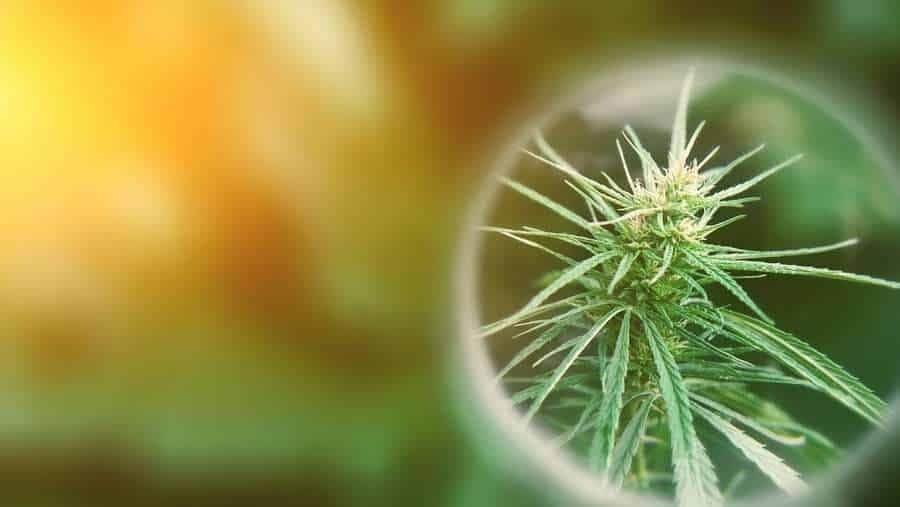
Cannabis, whose active component is THC (tetrahydrocannabinol), can cause withdrawal symptoms when its use is stopped after a prolonged period of use.
How do you quit cannabis? THC addiction and withdrawal syndrome
When cannabis use stops and the body no longer receives the amounts of THC it had become used to, a series of changes begins in the body, showing up as symptoms of various kinds.
Symptoms of THC withdrawal syndrome
The symptoms that appear when you stop using cannabis can last from days to weeks, depending on the level of use. Commonly reported symptoms include:
- Anxiety
- Irritability
- Depression
- Insomnia
In less common cases, headaches, chills, loss of appetite, sweating and abdominal pain occur (3).
Development of THC withdrawal syndrome
Some studies have described how THC withdrawal syndrome progresses. Initially, there may be insomnia, irritability and reduced appetite.
After 7 days, mood changes appear to be common and include anger, aggression and depression, peaking at 2 weeks after stopping cannabis. On the other hand, sleep disturbances may persist for longer (3).
Risks of stopping THC use
The DSM-5 manual introduces the diagnosis “Cannabis withdrawal” for the first time. The clinical picture is non-specific and mild, and affects 12–20% of regular cannabis users who stop using abruptly (4).
Cannabis withdrawal does not carry a high risk of serious problems. However, additional treatment is needed when there are other medical or psychiatric conditions, or with the use of and dependence on several substances, when complications and withdrawal symptoms may be more intense.
Not much is known about how the effects of cannabis combine with other drugs, but it is known that using several substances at the same time can intensify withdrawal symptoms. In addition, people who smoke tobacco together with cannabis experience more withdrawal symptoms than those who only use cannabis (3). It is therefore important to identify which substances have been used and to monitor withdrawal symptoms related to the substances or combinations of substances, such as alcohol, nicotine and THC, that carry a higher risk.
How to stop smoking joints
The therapeutic approach should always be personalised and will depend on a professional assessment. It is advisable to see a specialist professional to treat addiction to or dependence on cannabis use, or if you have any doubts or concerns about using it.
Strategies for quitting THC
Although there is not much evidence in the scientific literature, clinical practice includes different approaches to help people who are stopping cannabis use, including psychological interventions, group therapy, psychoeducation and advice on diet and hydration, among others.
In the scientific literature, cognitive behavioural therapy (CBT) stands out: it aims to identify and change the patterns of thinking and behaviour that contribute to cannabis use. It includes training in skills such as relaxation techniques, pleasant activities, managing stress, mood and anger, and setting goals (3).
Although there are currently no medicines specifically approved to treat cannabis dependence, some studies have used antidepressants and anxiolytics to manage withdrawal symptoms and improve abstinence rates. However, the use of medication must be strictly prescribed by a doctor, and only in cases where it is deemed appropriate. In addition, studies have explored the use of CBD for treating addictions, including cannabis addiction.
Frequently asked questions
How long does cannabis withdrawal last?
Withdrawal syndrome usually develops within 1 to 3 days of abruptly stopping THC use, peaking at 2 to 6 days (1).
Why does cannabis withdrawal syndrome occur?
Withdrawal syndrome occurs because of chronic exposure to THC. THC is found in weed, or psychoactive-type cannabis, at concentrations of 15–30% THC or more in some strains. Hemp-type cannabis strains contain less than 0.3% THC.
What happens to your body when you stop smoking joints?
When a person uses THC for a long time, their brain responds to the constant presence of THC by reducing the number of CB1 receptors, which are found mainly in the brain, or by making them less sensitive. These receptors are part of the endocannabinoid system and are important for regulating mood, appetite and other functions. In other words, smoking cannabis regularly leads to desensitisation and a reduction of CB1 receptors, which are found mainly in the brain, and this eventually translates into tolerance to the effects of THC (2).
What are the effects of quitting cannabis?
When you stop using cannabis, the brain takes time to adapt to the absence of THC, and symptoms such as anxiety, irritability, insomnia and loss of appetite may appear. These symptoms are the result of the brain needing time to regain its normal balance without the influence of THC. Although some users choose to keep using THC but cut down, which does reduce withdrawal symptoms, continuing to give the body THC could reinforce the brain’s reward cycle and so increase the chance of a relapse.
Note: This is an informative article and is not intended to prevent, diagnose or treat any disease. Its content may complement, but must never replace, the diagnosis or treatment of any disease or symptom. Cannactiva products are not medicines and are intended for external use. New relevant scientific evidence may have emerged since the date of publication. Consult your doctor before using CBD. The therapeutic approach should always be personalised and will depend on a professional assessment. It is advisable to see a specialist professional to treat addiction to or dependence on cannabis use, or if you have any doubts or concerns about using it.
References
- Budney, A. J., & Hughes, J. R. (2006). The cannabis withdrawal syndrome. Current opinion in psychiatry, 19(3), 233–238. https://doi.org/10.1097/01.yco.0000218592.00689.e5
- González, S., Cebeira, M., & Fernández-Ruiz, J. (2005). Cannabinoid tolerance and dependence: a review of studies in laboratory animals. Pharmacology, biochemistry, and behavior, 81(2), 300–318. https://doi.org/10.1016/j.pbb.2005.01.028
- Connor, J. P., Stjepanović, D., Budney, A. J., Le Foll, B., & Hall, W. D. (2022). Clinical management of cannabis withdrawal. Addiction (Abingdon, England), 117(7), 2075–2095. https://doi.org/10.1111/add.15743
- Livne O, Shmulewitz D, Lev-Ran S, Hasin DS. DSM-5 cannabis withdrawal syndrome: Demographic and clinical correlates in U.S. adults. Drug Alcohol Depend. 2019 Feb 1;195:170-177. doi: 10.1016/j.drugalcdep.2018.09.005. Epub 2018 Oct 22. PMID: 30361043; PMCID: PMC6359953.