The European Parliament recognises the value of hemp as a source of high-quality protein and a sustainable crop
In October 2023, the European Parliament approved in plenary session a report on the European Protein Strategy, in which hemp is highlighted as a “sustainable protein crop”. This report will guide future EU decisions to boost protein production for food and feed.
Background
This report sits within a global context in which recent years have brought such extraordinary events as a pandemic and the geopolitical tensions of the conflict in Ukraine. During these events, the EU has experienced vulnerabilities in its supply chain that highlight the need for new food policies, such as diversifying food and feed sources, to reduce dependence on external suppliers.
This report is part of the European Parliament's efforts to strengthen the European protein sector. Protein is essential for both human and animal nutrition, and finding a sustainable way to obtain this nutrient is essential to becoming more self-sufficient. Without protein, a proper diet is not possible, and nor is sustaining a food supply chain (protein is as essential for animals as it is for humans).
In addition, there is also a growing concern about environmental sustainability and the environmental impact of agricultural practices, and a need to explore alternative and sustainable sources of protein.
Report on the EU protein strategy
The European Parliament has endorsed the report on the “European Protein Strategy” (EU Report Protein Strategy), which recognises hemp as a sustainable source of high-quality protein.
In addition to hemp, the report highlights other dietary protein sources, such as legumes and their ecological importance, as well as the contribution of livestock farming and the value of aquatic and aquaculture proteins (in other words, it is not a report solely in favour of plant proteins). Alternative protein sources, such as insects and fungi, are also mentioned.
The report also highlights the need for research, training and a value chain approach to protein production, given the growing consumer demand for more sustainable food. These measures are expected not only to ensure a stable supply of protein foods, but also to strengthen the EU's competitive position on the global market.
Hemp as food: more than CBD
You probably know hemp as a source of cannabidiol (CBD), and you may have heard about the potential wellbeing benefits of cannabidiol. But the hemp plant has many other uses, and here it stands out as a source of high-quality protein.

Hemp seeds: a high biological value protein
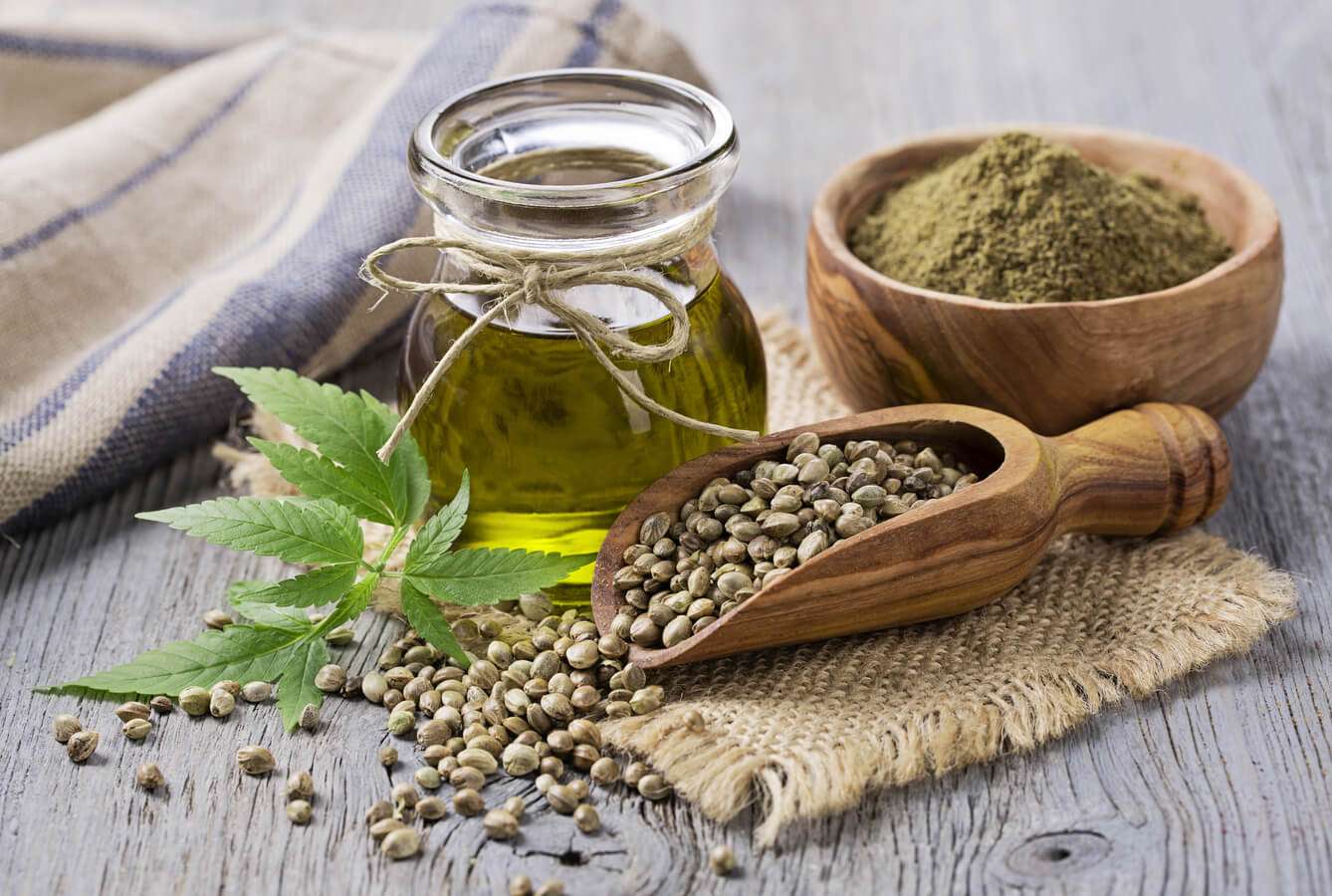
Hemp seeds are a rich source of protein, essential fatty acids (including the anti-inflammatory omega-3 and omega-6), fibre, iron, phosphorus, magnesium and potassium, making them a very nutritionally complete food.
Hemp protein stands out as one of the most complete plant proteins available.
Hemp proteins are of high biological value, which means they contain all the amino acids essential for nutrition, and their quality is fully comparable to that of animal protein.
One of its distinctive features is its high arginine content, which exceeds that of other protein sources, including cow's milk. This amino acid is important for blood circulation and is key to muscle synthesis, which is why it is highly valued in the world of sport.
It is worth noting that the quality of hemp protein is superior to that of other plant proteins such as soya or pea, as it contains all the essential sulphur-containing amino acids. It is also easier to digest than legume protein.
Hemp doesn't just “feed” you; it may also have additional benefits. Studies have shown that hemp protein contains “bioactive peptides” with benefits for cardiovascular health, making it a particularly interesting source of nutrition for anyone looking for a heart-healthy diet.
As if this incredible source of plant protein didn't have enough advantages, it also has very good digestibility, comparable to that of milk protein, so the body absorbs it easily.
For all these reasons, in its report the European Union has emphasised hemp's potential as a sustainable protein crop and has called for EU-level regulation to make growing and processing it for human food and animal feed easier.
Other uses of hemp
Beyond food, the fibres of the hemp plant have traditionally been used to make hemp clothing, hemp paper and rope, and its stalks are used in bio-based building materials and as a raw material for bioplastics and bioenergy.
What's more, the hemp crop itself cleans the soil, which makes it very useful for tasks such as phytoremediation (removing contaminants from the soil), and it is also a very hardy plant, with very low water and nutrient requirements.
The plant's many uses mean hemp can be used from start to finish, with a negative carbon footprint. For all these reasons, it is one of the most ecological and sustainable foods there is.
We cover all of this in the article on the ecological uses of hemp.
Why is this EU recognition of hemp as a food so relevant?
Hemp is experiencing a renaissance in Europe. From CBD to protein, the plant's value is being recognised ever more openly. By recognising the value of hemp as a protein crop, the European Union is sending a clear message about its relevance in the food chain. All of this contributes to more investment in the sector and in research and development, and gives a boost to the production and variety of hemp-based products.
Thanks are due to the European Industrial Hemp Association (EIHA) for its contribution to the document. Hemp was included thanks to cross-party support and after several meetings with Members of the European Parliament.
For Cannactiva, this is good news, as it helps to value the cannabis plant and normalise its use, and it consolidates hemp's position as a pillar of the nutrition and sustainability of the future. Because there's no doubt that, in the shift towards a greener and more sustainable future, hemp plays a leading role!