Emerald Triangle: California's cannabis heartland
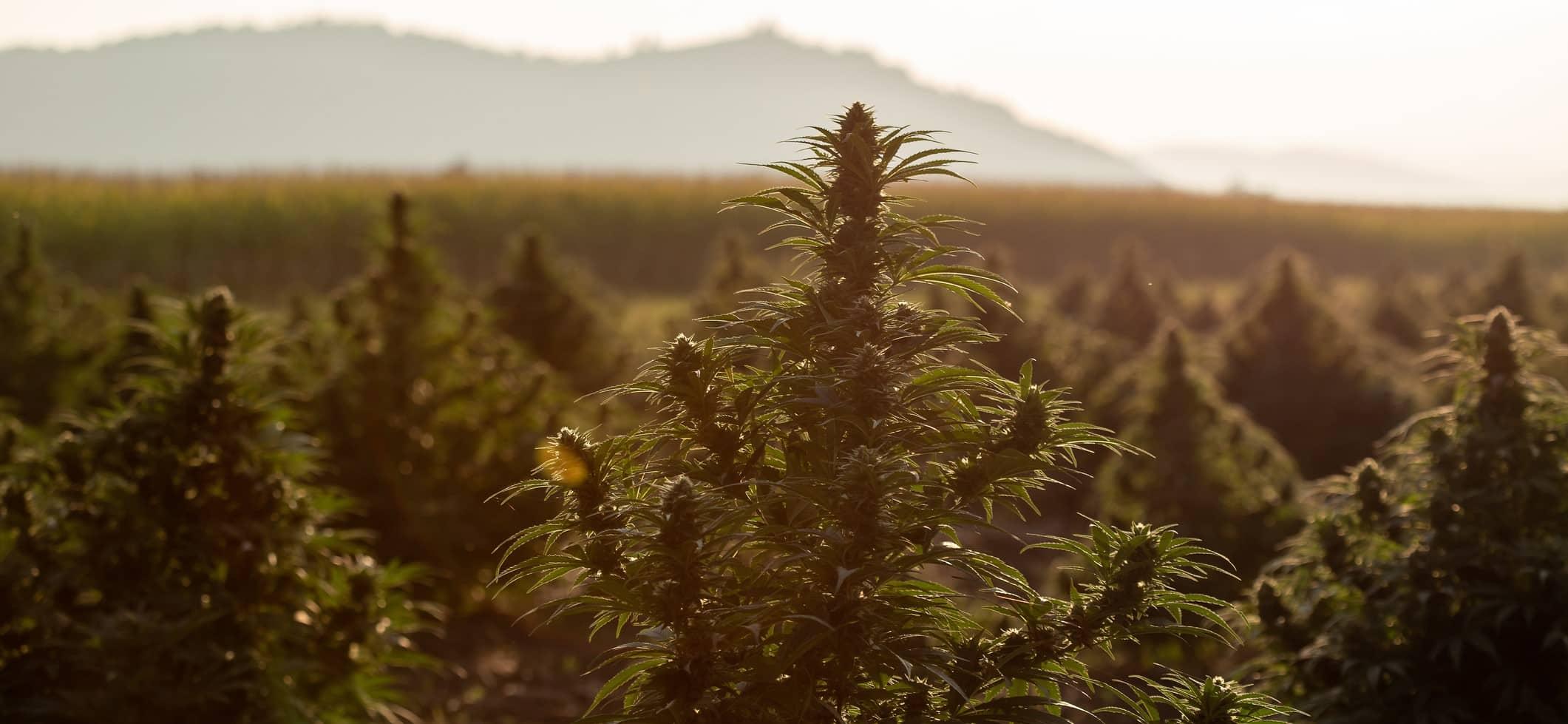
Deep in Northern California lies a legendary region for any cannabis lover: the Emerald Triangle. Known for producing some of the most potent, aromatic and pure buds in the world, this area has been the heart of craft growing for decades. At Cannactiva we have drawn on this tradition to bring you our Emerald Triangle indoor CBD flower collection, grown with the same passion, respect and attention to detail that define this legendary region.
Explore Cannactiva's Emerald Collection
What is the Emerald Triangle?
The Emerald Triangle is a region in Northern California made up of three counties: Humboldt, Mendocino and Trinity. It is known worldwide as the most important cannabis-producing area in the United States, and one of the most influential in the world.
Cannabis has been grown for more than 50 years in this exceptional natural setting, surrounded by forests, mountains and microclimates ideal for outdoor growing. The quality of the buds produced here has given rise to a true cult following for Californian craft cannabis.
Cannactiva's CBD flower is inspired by this incredible region, because our story starts right there. That's why our CBD Indoor cannabis strains are named after iconic towns and areas of Northern California: Yuba (Blue Dream), Eureka (Tropicana Cookies), Trinity (Gelato #33) and Willits (Limoncello).
A brief history of the Emerald Triangle
The history of this region is directly linked to the hippie movement of the 1960s and 1970s. Many young people left the cities in search of a self-sufficient life in nature. In that context, growing cannabis became a way to make a living, but also a symbol of freedom.
For decades, the Emerald Triangle was an area of clandestine growing. Its geographical isolation allowed growers to operate with a degree of discretion, but it also brought risks: raids, legal trouble and harsh living conditions. Even so, a resilient community took shape, with a deep respect for the cannabis plant and for the land.

Geography and climate: the secret of the best cannabis
The combination of a Mediterranean climate, dry summers, wet winters and nutrient-rich soils makes California's Emerald Triangle a unique place for growing cannabis. Plants can reach their full potential, producing large, resinous buds with complex, sophisticated and unmistakable aroma profiles.
What's more, the region's geographical diversity – from mountain areas more than 1,000 metres up to areas close to the sea – gives cannabis plants unique nuances, creating a genetic and aromatic richness that is hard to match.
The most representative towns include Eureka and Garberville, considered the unofficial cannabis capital of Humboldt; Willits and Ukiah in Mendocino; and Wildwood and Weaverville, in the rural heart of Trinity County. Historically, these places have been key hubs for growers, distributors and industry workers.
Although the Emerald Triangle is still the historical and cultural heart of cannabis in the US, growing has spread to many other regions of California, especially since legalisation. There are cannabis farms in Sonoma, Santa Barbara and Monterey, and in regions such as Yuba and Napa Valley, among others. The legalisation of cannabis in California was approved in November 2016 through Proposition 64 (Adult Use of Marijuana Act) and came into force on 1 January 2018, when the legal sale of cannabis for adult use was officially allowed in the state.
Breeding and legendary strains of the Emerald Triangle
One of the great legacies of the Emerald Triangle is the development of unique cannabis genetics. From the 1970s onwards, many growers took up breeding: they crossed selected plants to improve flavour, potency, resilience and adaptability to the environment.
This selection work gave rise to some of the most iconic strains in the world, such as OG Kush, Skunk, Trainwreck, Mendo Purps and Blue Dream. These strains were born or perfected in California and have been the basis for thousands of hybrids around the world.
Today, breeding is still a living practice in the Emerald Triangle. Some seed banks and small growers still preserve pure genetic lines, grown for generations, which represent a true botanical heritage of cannabis culture.
Working in cannabis in California
Cannabis growing is an important economic sector in the region. What began in the 1970s as a countercultural activity gradually became a genuine local industry. For decades, thousands of families have made a living from growing, processing and selling cannabis, creating jobs, boosting local businesses and shaping a self-sufficient economy.
Agricultural fairs, cooperatives, growers' associations and craft markets revolve around cannabis as their star product. In towns such as Garberville, Laytonville and Willits, the economy has historically depended on the growing seasons. The area has developed a strong sense of belonging and pride in its local product, which is even protected by appellation of origin initiatives.
Trimmigrants: the harvest economy
Between the 1990s and 2016, working in cannabis in California was a quick, direct way to earn a good deal of money in just a few months. Every autumn, thousands of people from all over the world, known as trimmigrants, arrived in the region to work the harvest, trimming freshly cut cannabis buds.
This informal economy kept entire communities going for months, boosting local trade, rural rentals and basic services. The legalisation of cannabis in 2016, and its implementation from 2018, brought strict regulation, tax enforcement and licensing, drastically reducing the unregulated work that had made the region famous.
Legalisation: a benefit or a threat?
With the legalisation of medical (1996) and recreational (2016) cannabis in California, the Emerald Triangle entered a new era. Although it opened the door to a regulated market, it also brought high costs, restrictive licensing and competition from large companies.
Many small growers have been unable to go legal, which has led to an economic downturn in some towns. On top of that, cannabis prices have plummeted, hurting the profitability of traditional farms and the small producers who had committed to the craft model.
According to the California Department of Food and Agriculture, as of February 2018 only 1,483 licences had been granted, out of an estimated 50,000 growers in the state. The California Growers Association warned that only between 1% and 3% of those who wanted to legalise their business had managed to do so, because of the high costs and the complexity of the process.
Meanwhile, large companies have used the system to grab territory: some have bought multiple licences to consolidate large-scale growing operations. A report published by New Cannabis Ventures in January 2018 confirmed that just fifteen companies already controlled 10% of all licences in the state.
This imbalance has pushed out many traditional growers in the Emerald Triangle, weakening a local economy built on sustainable craft growing.
Environmental impact: the good and the bad
The boom in illegal growing in past decades had a heavy environmental impact: deforestation, pesticide use, river diversion and soil contamination. Today, legal growers are making an effort to grow sustainably, with organic certification, responsible water use and soil restoration.
The Emerald Triangle's natural environment is something the local cannabis community wants to protect. Many current projects combine regenerative agriculture, renewable energy and environmental education.
The future of the Emerald Triangle
The Emerald Triangle is now at a crossroads. Some predict that craft growers will disappear in the face of the cannabis giants, while others see an opportunity to focus on added value, craft quality and green tourism. The new model is not about competing on volume, but on excellence.
Like wine from certain regions of France or coffee from Colombia, cannabis from the Emerald Triangle has history, identity and know-how that cannot easily be copied.
What can we learn from the Emerald Triangle?
For those of us who work in the world of cannabis, the Emerald Triangle is a mirror to look into. It reminds us how important it is to:
- Know where products come from
- Value growing methods that respect nature
- Put quality before volume
- Look after the community behind every flower
Cannactiva's story was inspired by this corner of the world, where growing cannabis is culture, resistance, art and passion. Our commitment to cannabis quality, respect for the plant and craft know-how draws directly on the essence of California's Emerald Triangle. We hope you enjoy it in all our CBD flower!