Although their abbreviations are almost identical, CBD and CBDV are not the same. These two cannabinoids differ in their structure, effects and properties. However, they also have some similarities. For example, both occur naturally in cannabis. Today on our CBD blog we explain how they differ: you'll see clearly how they act in the body, what their benefits are and why choosing the right buds can make a difference to your experience.
Key differences between CBD and CBDV
CBD and CBDV are natural cannabinoids that do not produce psychoactive effects in the body.
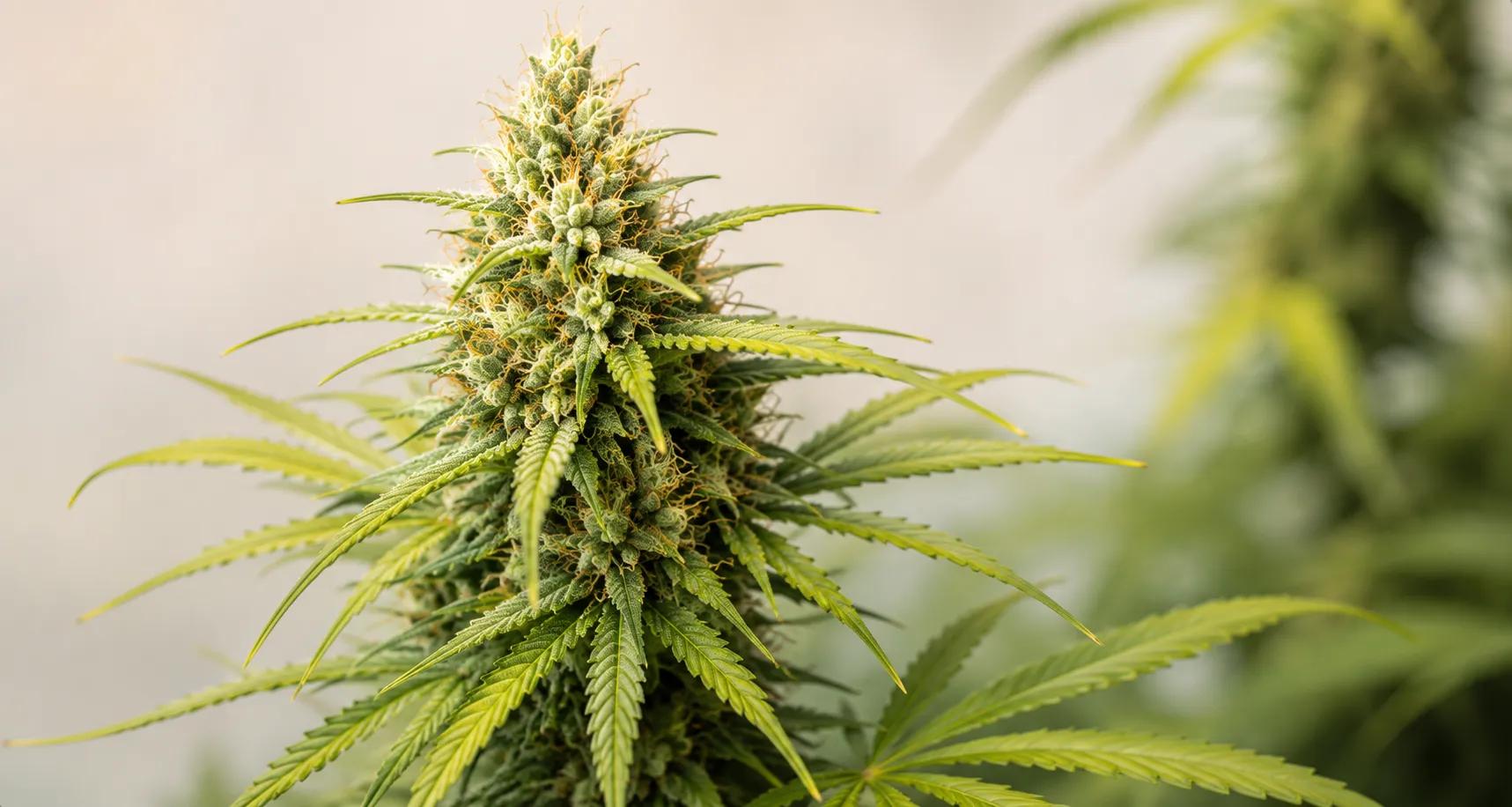
The big difference is that CBD is present in high amounts in almost all cannabis strains, especially in CBD flower, while CBDV only appears in significant amounts in strains specifically selected to be rich in CBDV.
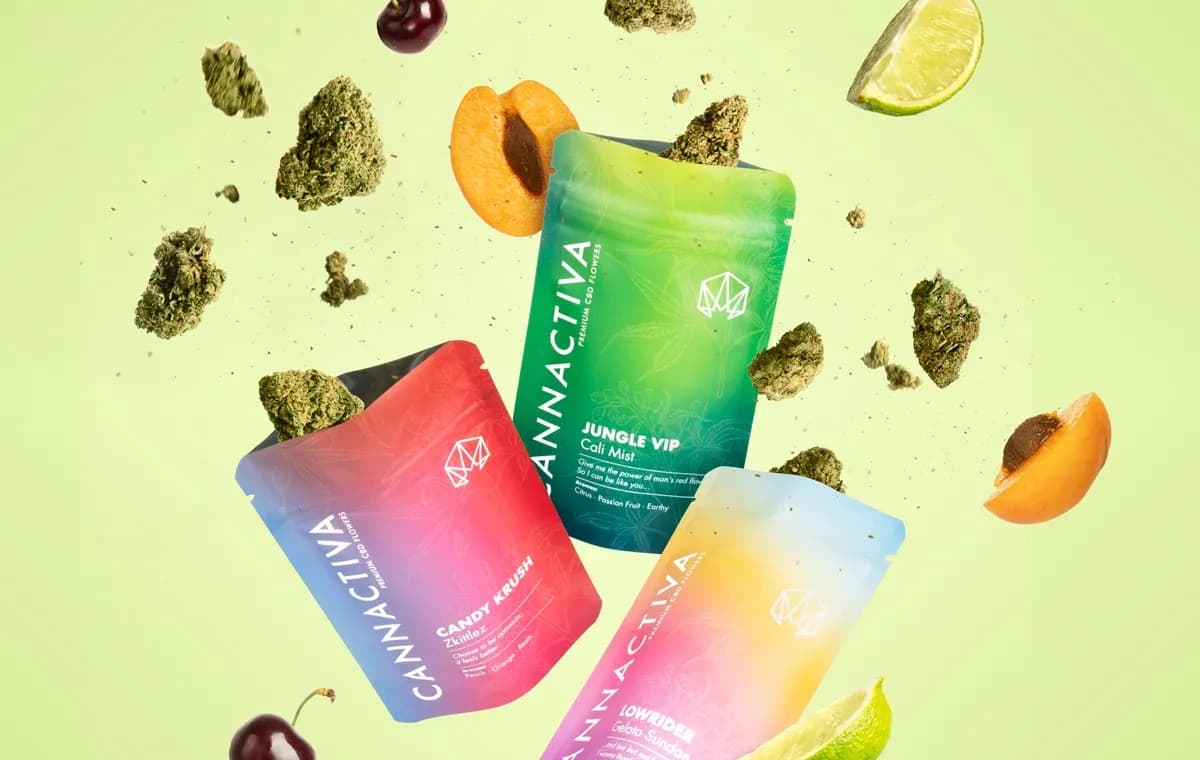
Check out Cannactiva's new CBDV VELVET flower
CBD and CBDV: origin
Both CBD and CBDV occur naturally in the cannabis plant, in the resin found in the trichomes on the buds.
CBD is found widely in most strains, both CBD and THC strains, while CBDV only appears in genetically selected cannabis strains, and always in a lower concentration than CBD. This difference comes from variations in the side chain during their natural synthesis.

Chemical structure of CBD and CBDV: differences
CBD and CBDV have a different structure and chemical formula. Their molecules differ in the length of the side chain: CBD has a side chain of five carbon atoms (pentyl), while CBDV has one of three atoms (propyl). This variation, although subtle, affects how each compound behaves in the body, changing aspects such as its absorption, its interaction with the receptors of the endocannabinoid system and its effects on the body.

In chemical terms, the shorter side chain in CBDV means that CBD has two more carbon atoms and four more hydrogen atoms than CBDV. In other words, CBD has the chemical formula C21H30O2, while CBDV has the formula C19H26O2.
CBD and CBDV: effects on the body
Both CBD and CBDV cannabinoids are non-psychoactive and act on the endocannabinoid system.
- CBD modulates various receptors in the body, beyond those of the endocannabinoid system. It has been researched mainly for its anti-inflammatory and analgesic properties, and for pain and anxiety. It is also being researched for its neuroprotective and antioxidant effects.
- CBDV, for its part, acts in a similar but different way. It has been found to share properties with CBD, such as its anti-inflammatory, analgesic and anticonvulsant effects. But its structure allows it to interact differently from CBD, which appears to offer specific benefits. In particular, CBDV is being researched for its potential in the treatment of autism.
CBD and CBDV: benefits and applications
CBD is widely recognised for its ability to relieve pain and reduce inflammation and anxiety.
CBDV, on the other hand, is being researched for its potential in the treatment of epilepsy, autism, muscular dystrophy and nausea. Although studies on CBDV are still preliminary, the results obtained are promising. However, there is little research on CBDV and more evidence is still needed to confirm its therapeutic applications.
Note: this information is for general information only and is not a substitute for medical advice. It is in no way intended to diagnose, prevent or treat any disease or symptom. Cannactiva products are not medicines and are intended for external use.
CBD and CBDV: availability and extraction
CBD is easy to obtain because it is present in most cannabis strains. However, the low concentration of CBDV in the plant makes it difficult to extract.
At Cannactiva, we have Cannactiva's exclusive CBDV VELVET flower, specially grown to offer high levels of both cannabinoids, CBD and CBDV.
Legality and safety
Both cannabinoids have a broad safety profile and are legal in most countries as long as THC limits are respected. Each country has its own rules, though: in some, such as the UK, hemp flower is controlled even when its THC content is low.
Frequently asked questions about CBD and CBDV
Are CBD and CBDV the same thing?
No. Although both are natural cannabinoids found in cannabis, they have different chemical structures, are found in different concentrations and have different medicinal applications.
Do CBD and CBDV have the same benefits?
Not exactly. CBD and CBDV share anti-inflammatory and analgesic effects, but CBDV seems particularly interesting for autism, among other applications.
Are CBD and CBDV products legal?
Yes, in most countries these cannabinoids are legal as long as the established THC limits are respected. Each country has its own rules, though: in some, such as the UK, hemp flower is controlled even when its THC content is low.
Can CBD and CBDV affect drug tests?
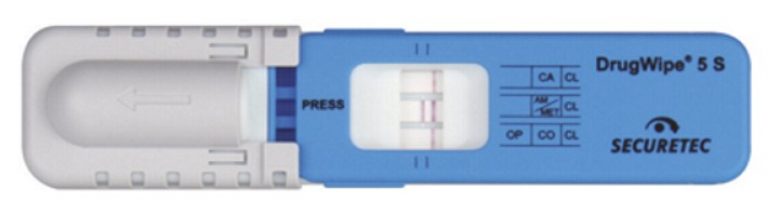
The cannabinoids CBD and CBDV don't usually cause a positive result in drug tests for THC, but CBD flower, because of its THC content, could test positive on a saliva test.
Meet one of the few hemp strains rich in CBDV and CBD: Cannactiva's exclusive CBDV VELVET flower
At Cannactiva we're committed to quality and innovation, which is why we offer you an exclusive CBD flower of premium quality, rich in CBD and CBDV, so you can experience and enjoy the best that nature has to offer.
References
- Merkus F. W. (1971). Cannabivarin and tetrahydrocannabivarin, two new constituents of hashish. Nature, 232(5312), 579–580. https://doi.org/10.1038/232579a0
- Chiurchiù, E., Sampaolesi, S., Allegrini, P., Ciceri, D., Ballini, R., & Palmieri, A. (2021). A Novel and Practical Continuous Flow Chemical Synthesis of Cannabidiol (CBD) and its CBDV and CBDB Analogues. European Journal of Organic Chemistry. (8), p. 1286-1289, https://doi.org/10.1002/ejoc.202001633
- Zamberletti, E., Gabaglio, M., Woolley-Roberts, M., Bingham, S., Rubino, T., & Parolaro, D. (2019). Cannabidivarin Treatment Ameliorates Autism-Like Behaviors and Restores Hippocampal Endocannabinoid System and Glia Alterations Induced by Prenatal Valproic Acid Exposure in Rats. Frontiers in cellular neuroscience, 13, 367. https://doi.org/10.3389/fncel.2019.00367
- Iannotti, F. A., Pagano, E., Moriello, A. S., Alvino, F. G., Sorrentino, N. C., D’Orsi, L., Gazzerro, E., Capasso, R., De Leonibus, E., De Petrocellis, L., & Di Marzo, V. (2019). Effects of non-euphoric plant cannabinoids on muscle quality and performance of dystrophic mdx mice. British journal of pharmacology, 176(10), 1568–1584. https://doi.org/10.1111/bph.14460
- Amada, N., Yamasaki, Y., Williams, C. M., & Whalley, B. J. (2013). Cannabidivarin (CBDV) suppresses pentylenetetrazole (PTZ)-induced increases in epilepsy-related gene expression. PeerJ, 1, e214. https://doi.org/10.7717/peerj.214
- Husni, A. S., McCurdy, C. R., Radwan, M. M., Ahmed, S. A., Slade, D., Ross, S. A., ElSohly, M. A., & Cutler, S. J. (2014). Evaluation of Phytocannabinoids from High Potency Cannabis sativa using In Vitro Bioassays to Determine Structure-Activity Relationships for Cannabinoid Receptor 1 and Cannabinoid Receptor 2. Medicinal chemistry research : an international journal for rapid communications on design and mechanisms of action of biologically active agents, 23(9), 4295–4300. https://doi.org/10.1007/s00044-014-0972-6
- Navarro, G., Varani, K., Lillo, A., Vincenzi, F., Rivas-Santisteban, R., Raïch, I., Reyes-Resina, I., Ferreiro-Vera, C., Borea, P. A., Sánchez de Medina, V., Nadal, X., & Franco, R. (2020). Pharmacological data of cannabidiol- and cannabigerol-type phytocannabinoids acting on cannabinoid CB1, CB2 and CB1/CB2 heteromer receptors. Pharmacological research, 159, 104940. https://doi.org/10.1016/j.phrs.2020.104940
- De Petrocellis, L., Starowicz, K., Moriello, A. S., Vivese, M., Orlando, P., & Di Marzo, V. (2007). Regulation of transient receptor potential channels of melastatin type 8 (TRPM8): effect of cAMP, cannabinoid CB(1) receptors and endovanilloids. Experimental cell research, 313(9), 1911–1920. https://doi.org/10.1016/j.yexcr.2007.01.008
- Anavi-Goffer, S., Baillie, G., Irving, A. J., Gertsch, J., Greig, I. R., Pertwee, R. G., & Ross, R. A. (2012). Modulation of L-α-lysophosphatidylinositol/GPR55 mitogen-activated protein kinase (MAPK) signaling by cannabinoids. The Journal of biological chemistry, 287(1), 91–104. https://doi.org/10.1074/jbc.M111.296020
- Oyagawa, C. R. M., & Grimsey, N. L. (2021). Cannabinoid receptor CB1 and CB2 interacting proteins: Techniques, progress and perspectives. Methods in cell biology, 166, 83–132. https://doi.org/10.1016/bs.mcb.2021.06.011
- Perucca E. (2017). Cannabinoids in the Treatment of Epilepsy: Hard Evidence at Last?. Journal of Epilepsy Research, 7(2), 61–76. https://doi.org/10.14581/jer.17012
- Brodie, M. J., Czapinski, P., Pazdera, L., Sander, J. W., Toledo, M., Napoles, M., Sahebkar, F., Schreiber, A., & GWEP1330 Study Group (2021). A Phase 2 Randomized Controlled Trial of the Efficacy and Safety of Cannabidivarin as Add-on Therapy in Participants with Inadequately Controlled Focal Seizures. Cannabis and Cannabinoid Research, 6(6), 528–536. https://doi.org/10.1089/can.2020.0075
- Pretzsch, C. M., Floris, D. L., Voinescu, B., Elsahib, M., Mendez, M. A., Wichers, R., Ajram, L., Ivin, G., Heasman, M., Pretzsch, E., Williams, S., Murphy, D. G. M., Daly, E., & McAlonan, G. M. (2021). Modulation of striatal functional connectivity differences in adults with and without autism spectrum disorder in a single-dose randomized trial of cannabidivarin. Molecular autism, 12(1), 49. https://doi.org/10.1186/s13229-021-00454-6
- Zamberletti, E., Rubino, T., & Parolaro, D. (2021). Therapeutic potential of cannabidivarin for epilepsy and autism spectrum disorder. Pharmacology & therapeutics, 226, 107878. https://doi.org/10.1016/j.pharmthera.2021.107878
- Scutt, A., & Williamson, E. M. (2007). Cannabinoids stimulate fibroblastic colony formation by bone marrow cells indirectly via CB2 receptors. Calcified tissue international, 80(1), 50–59. https://doi.org/10.1007/s00223-006-0171-7
- Rock, E. M., Bolognini, D., Limebeer, C. L., Cascio, M. G., Anavi-Goffer, S., Fletcher, P. J., Mechoulam, R., Pertwee, R. G., & Parker, L. A. (2012). Cannabidiol, a non-psychotropic component of cannabis, attenuates vomiting and nausea-like behaviour via indirect agonism of 5-HT(1A) somatodendritic autoreceptors in the dorsal raphe nucleus. British journal of pharmacology, 165(8), 2620–2634. https://doi.org/10.1111/j.1476-5381.2011.01621.x
- Yang, F., Liu, J., Gu, Y., Jiao, R., Yan, J., Gao, S., Lin, X., & van der Veen, S. (2022). Antimicrobial Activity of Auranofin, Cannabidivarin, and Tolfenamic Acid against Multidrug-Resistant Neisseria gonorrhoeae. Microbiology spectrum, 10(6), e0395222. https://doi.org/10.1128/spectrum.03952-22
- Hurley, E. N., Ellaway, C. J., Johnson, A. M., Truong, L., Gordon, R., Galettis, P., Martin, J. H., & Lawson, J. A. (2022). Efficacy and safety of cannabidivarin treatment of epilepsy in girls with Rett syndrome: A phase 1 clinical trial. Epilepsia, 63(7), 1736–1747. https://doi.org/10.1111/epi.17247