CBD for tics, tremors and other movement disorders

Cannabis has been used for medicinal purposes for many years and, in recent decades, cannabidiol (CBD) has stood out for its beneficial properties for various conditions. Although the use of CBD in movement disorders is still being studied, to mark World Movement Disorders Day we want to dedicate this article to explaining what these disorders are, how they manifest themselves, their causes and the potential of cannabis and CBD for treating them.
Note: This is an informative article with no prescriptive character, and it is not intended to prevent, diagnose or treat any disease. Its content can complement, but should never replace, the diagnosis or treatment of any disease or symptom. Cannactiva products are not medicines and are intended for external use. There may be new relevant scientific evidence since the date of publication. Consult your doctor before using CBD. The therapeutic approach must always be personalised and depends on professional assessment.
What are movement disorders?
Movement disorders are involuntary movements resulting from neurological alterations in the central nervous system (1). These movements can affect different parts of the body and vary in their presentation and severity or intensity. Some of the most common movement disorders include dystonia, myoclonus, tremors, tics and stereotypies (2). Each of these disorders has specific characteristics and different underlying causes.
Dystonia
Dystonia manifests itself in the form of involuntary muscle contractions that cause abnormal postures and repetitive movements. This condition can affect a single part of the body, known as focal dystonia; several parts of the body, called segmental dystonia; or the entire body, known as generalised dystonia. Dystonia can have a significant impact on patients' quality of life, making everyday activities such as writing, walking or even speaking difficult (3).
Some causes: Genetic disorders, cerebral palsy, traumatic brain injury, among others.
Myoclonus
Myoclonus consists of brief, rapid, involuntary jerking movements. These movements can be positive or negative; positive myoclonus involves muscle contractions, while negative myoclonus relates to involuntary muscle relaxation. Myoclonus can be focal, affecting a specific area, or generalised, involving multiple areas of the body (4).
Some causes: Neurodegenerative diseases such as Alzheimer's disease, dementia with Lewy bodies, epilepsy, among others.
Tremor
Tremors are rhythmic oscillatory movements that can be classified according to the position in which they occur. Types of tremor include postural tremor (when holding a position), resting tremor (when the body is relaxed), kinetic tremor (during movement) and isometric tremor (during muscle contraction without movement). Tremors can interfere with daily activities such as drinking from a glass or writing (3).
Some causes: They may be of genetic origin, especially in children. In adults, tremors are usually related to alterations in dopamine levels in the brain, as occurs in Parkinson's disease or parkinsonism.
Tics
Tics are sudden, non-rhythmic, rapid movements, which may include vocalisations. These movements can be simple, such as blinking or jerking of the head, or complex, such as gestural movements or repeated phrases. Tics tend to worsen under conditions of exhaustion, anxiety and emotional arousal, and can be a significant source of distress for sufferers (2).
Some causes: Tourette's syndrome, transient or persistent motor disorders, neuropsychiatric conditions.
Stereotypies
Stereotypies are involuntary repetitive and rhythmic movements that serve no apparent purpose and may include complex movements such as body rocking, hand flapping or facial grimacing. Although the exact causes are unknown, these movements are often triggered by factors such as stress, boredom, intense concentration and fatigue (2).
Some causes: Stereotypies may be present in autism spectrum conditions, developmental disorders and other neuropsychiatric contexts.
Diseases that cause movement disorders
Movement disorders can originate from a variety of diseases, such as restless legs syndrome, essential tremor, Tourette's syndrome, Parkinson's disease and Huntington's disease. Each of these conditions has unique characteristics and requires a specific treatment approach.
Traditional treatments for movement disorders, such as medication and surgical interventions, often provide limited relief and can have significant side effects. These side effects can demotivate patients and negatively affect their quality of life.
The pathophysiology of movement disorders is not completely understood. However, it is known that many of these diseases are triggered by imbalances in neurotransmitters, especially in the dopamine, GABA and glutamate systems.
Cannabinoids and movement disorders
THC (tetrahydrocannabinol) and CBD (cannabidiol) are two of the best-known cannabinoids present in the cannabis plant. Both compounds interact with the body's endocannabinoid system, a complex system that regulates various physiological processes, including the modulation of neurotransmission, pain control and inflammation.
Cannabinoids and their role in modulating neurotransmission could help balance brain chemistry, thereby reducing the symptoms of movement disorders. This has been studied in animal models and in some clinical trials, with mixed results.
In 1986, a case study was published that evaluated the effectiveness of CBD for treating dystonia, with promising results (5). This study was instrumental in starting broader research into cannabinoids in the treatment of movement disorders. One of the first studies to evaluate CBD for movement disorders did not report positive results (6). However, years later, it was found that nabilone, a synthetic analogue of THC, could reduce the symptoms of movement disorders, particularly in patients with Huntington's disease (7, 8). These findings suggest that, although CBD may not be effective in all cases, other cannabinoids could offer therapeutic benefits.

The use of medical cannabis, that is, cannabis with THC, has been shown to significantly reduce tremors and other motor symptoms in patients with Parkinson's disease (9, 10). Although CBD has not shown the same effects in all patients with movement disorders, its ability to improve quality of life through its anxiolytic and antidepressant effects is important (11).
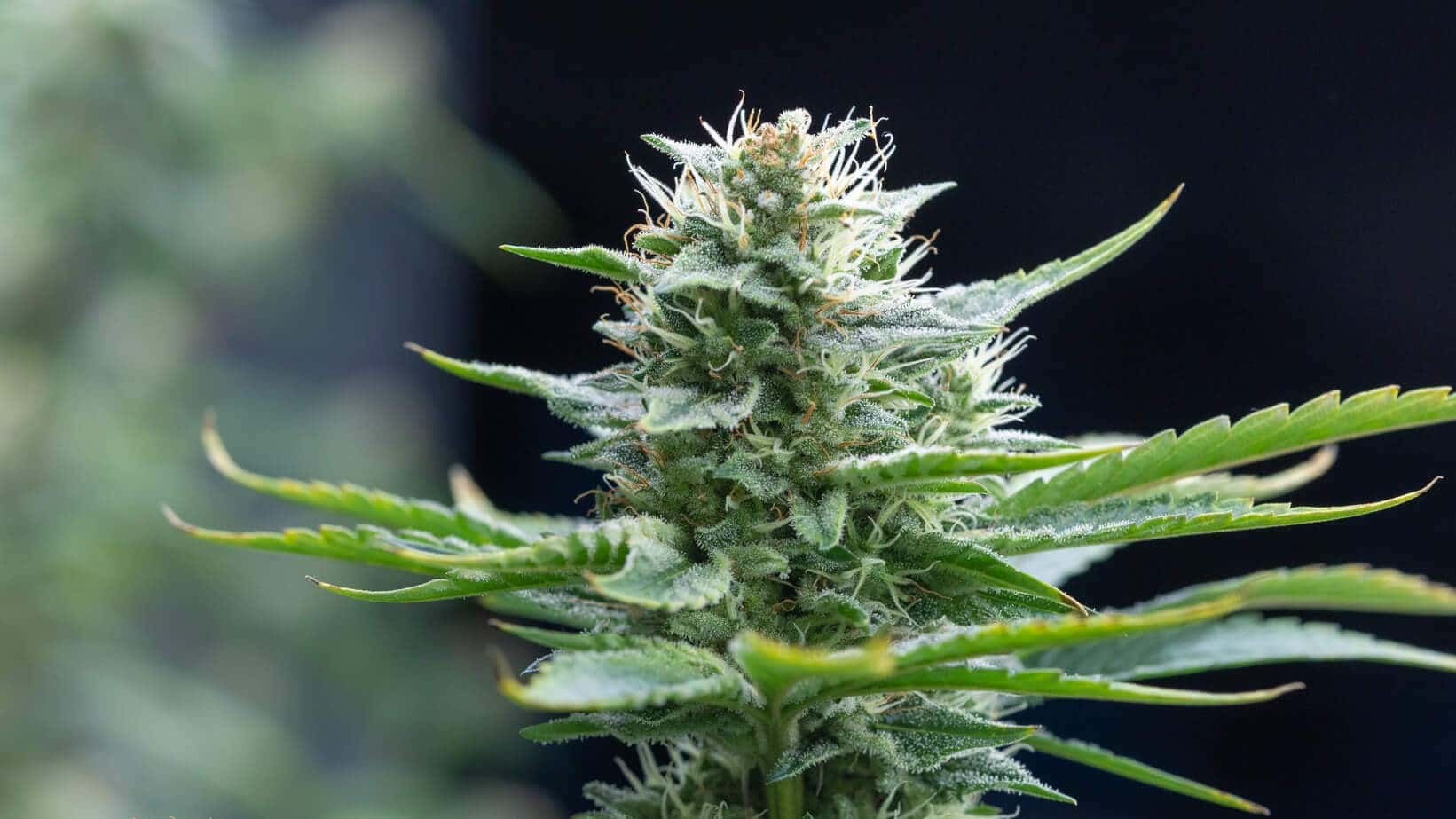
How CBD works to improve quality of life
Although CBD can help reduce movement disorders in very specific cases, its main benefit lies in improving the emotional state of people living with these problems.
CBD can improve the quality of life of people with movement disorders through its sedative, anxiolytic and antidepressant effects (12-16). These effects are related to the regulation of neurotransmission and the modulation of the dopamine, GABA and glutamate systems. By helping to restore balance in neurotransmitter activity, CBD may relieve some of the symptoms associated with movement disorders.

In addition, CBD has beneficial potential for the comorbidities associated with movement disorders because of its anti-inflammatory properties, preserving neuronal function and preventing the progression of the underlying neurodegenerative processes in diseases such as Parkinson's and Huntington's.

CBD dosage for treating movement disorders
The only report that mentioned benefits of CBD in helping with dystonia used a dose of 100 to 600 mg of CBD per day for 6 weeks, alongside the medication prescribed by the doctor. This range is wide and should not be taken as a guideline. Although CBD has an excellent safety profile, it is best to start with low doses and increase them gradually, always under professional supervision.
Drug interactions are an important consideration when you are undergoing medical treatment for movement disorders. It is crucial to bear in mind that CBD can interact with other medicines, and side effects, which can include fatigue, diarrhoea and dizziness, should be carefully monitored.
Conclusion
CBD is a promising therapeutic agent that may improve the quality of life of people with movement disorders. Although other cannabinoids, such as THC, may be more effective in reducing the intensity of symptoms, CBD offers significant benefits in terms of emotional relief and overall wellbeing. Cannabinoids in movement disorders appear to be a very promising area of research, and their use should be carefully supervised by a healthcare professional to maximise benefits and minimise risks.
We hope this article has given you some guidance if you were looking for information about CBD and cannabis in this area of medicine. Please discuss any questions with a professional to get a personalised assessment and advice. This is an informative article with no prescriptive character, and it is not intended to prevent, diagnose or treat any disease. Its content can complement, but should never replace, the diagnosis or treatment of any disease or symptom. Cannactiva products are not medicines and are intended for external use. There may be new relevant scientific evidence since the date of publication. Consult your doctor before using CBD. The therapeutic approach must always be personalised and depends on professional assessment.
References
- Harris, M. K., Shneyder, N., Borazanci, A., Korniychuk, E., Kelley, R. E., & Minagar, A. (2009). Movement disorders. The Medical clinics of North America, 93(2), 371–viii. https://doi.org/10.1016/j.mcna.2008.09.002
- Wilson, R. B., & Keener, A. M. (2018). Movement Disorders in Children. Advances in pediatrics, 65(1), 229–240. https://doi.org/10.1016/j.yapd.2018.04.010
- Sanger, T. D., Chen, D., Fehlings, D. L., Hallett, M., Lang, A. E., Mink, J. W., Singer, H. S., Alter, K., Ben-Pazi, H., Butler, E. E., Chen, R., Collins, A., Dayanidhi, S., Forssberg, H., Fowler, E., Gilbert, D. L., Gorman, S. L., Gormley, M. E., Jr, Jinnah, H. A., Kornblau, B., … Valero-Cuevas, F. (2010). Definition and classification of hyperkinetic movements in childhood. Movement disorders : official journal of the Movement Disorder Society, 25(11), 1538–1549. https://doi.org/10.1002/mds.23088
- Burton, Matthew & Dalrymple, W & Figari, Renzo. (2022). Assessment and Treatment of Myoclonus: A Review. Neurology. 18. 38. http://dx.doi.org/10.17925/USN.2022.18.1.38
- Consroe, P., Sandyk, R., & Snider, S. R. (1986). Open label evaluation of cannabidiol in dystonic movement disorders. International Journal of Neuroscience, 30(4), 277–282. https://doi.org/10.3109/00207458608985678
- Consroe, P., Laguna, J., Allender, J., Snider, S., Stern, L., Sandyk, R., Kennedy, K., & Schram, K. (1991). Controlled clinical trial of cannabidiol in Huntington's disease. Pharmacology, biochemistry, and behavior, 40(3), 701–708. https://doi.org/10.1016/0091-3057(91)90386-g90386-g)
- Curtis, A., & Rickards, H. (2006). Nabilone could treat chorea and irritability in Huntington's disease. The Journal of neuropsychiatry and clinical neurosciences, 18(4), 553–554. https://doi.org/10.1176/jnp.2006.18.4.553
- Curtis, A., Mitchell, I., Patel, S., Ives, N., & Rickards, H. (2009). A pilot study using nabilone for symptomatic treatment in Huntington's disease. Movement disorders : official journal of the Movement Disorder Society, 24(15), 2254–2259. https://doi.org/10.1002/mds.22809
- Venderová, K., Růzicka, E., Vorísek, V., & Visnovský, P. (2004). Survey on cannabis use in Parkinson's disease: subjective improvement of motor symptoms. Movement disorders : official journal of the Movement Disorder Society, 19(9), 1102–1106. https://doi.org/10.1002/mds.20111
- Lotan, I., Treves, T. A., Roditi, Y., & Djaldetti, R. (2014). Cannabis (medical marijuana) treatment for motor and non-motor symptoms of Parkinson disease: an open-label observational study. Clinical neuropharmacology, 37(2), 41–44. https://doi.org/10.1097/WNF.0000000000000016
- Chagas, M. H., Zuardi, A. W., Tumas, V., Pena-Pereira, M. A., Sobreira, E. T., Bergamaschi, M. M., dos Santos, A. C., Teixeira, A. L., Hallak, J. E., & Crippa, J. A. (2014). Effects of cannabidiol in the treatment of patients with Parkinson's disease: an exploratory double-blind trial. Journal of psychopharmacology (Oxford, England), 28(11), 1088–1098. https://doi.org/10.1177/0269881114550355
- Chagas, M. H., Crippa, J. A., Zuardi, A. W., Hallak, J. E., Machado-de-Sousa, J. P., Hirotsu, C., Maia, L., Tufik, S., & Andersen, M. L. (2013). Effects of acute systemic administration of cannabidiol on sleep-wake cycle in rats. Journal of psychopharmacology (Oxford, England), 27(3), 312–316. https://doi.org/10.1177/0269881112474524
- Crippa, J. A., Zuardi, A. W., Martín-Santos, R., Bhattacharyya, S., Atakan, Z., McGuire, P., & Fusar-Poli, P. (2009). Cannabis and anxiety: a critical review of the evidence. Human psychopharmacology, 24(7), 515–523. https://doi.org/10.1002/hup.1048
- Bergamaschi, M. M., Queiroz, R. H., Chagas, M. H., de Oliveira, D. C., De Martinis, B. S., Kapczinski, F., Quevedo, J., Roesler, R., Schröder, N., Nardi, A. E., Martín-Santos, R., Hallak, J. E., Zuardi, A. W., & Crippa, J. A. (2011). Cannabidiol reduces the anxiety induced by simulated public speaking in treatment-naïve social phobia patients. Neuropsychopharmacology : official publication of the American College of Neuropsychopharmacology, 36(6), 1219–1226. https://doi.org/10.1038/npp.2011.6
- Saito, V. M., Wotjak, C. T., & Moreira, F. A. (2010). Exploração farmacológica do sistema endocanabinoide: novas perspectivas para o tratamento de transtornos de ansiedade e depressão? [Pharmacological exploitation of the endocannabinoid system: new perspectives for the treatment of depression and anxiety disorders?]. Revista brasileira de psiquiatria (Sao Paulo, Brazil : 1999), 32 Suppl 1, S7–S14.
- Zanelati, T. V., Biojone, C., Moreira, F. A., Guimarães, F. S., & Joca, S. R. (2010). Antidepressant-like effects of cannabidiol in mice: possible involvement of 5-HT1A receptors. British journal of pharmacology, 159(1), 122–128. https://doi.org/10.1111/j.1476-5381.2009.00521.x