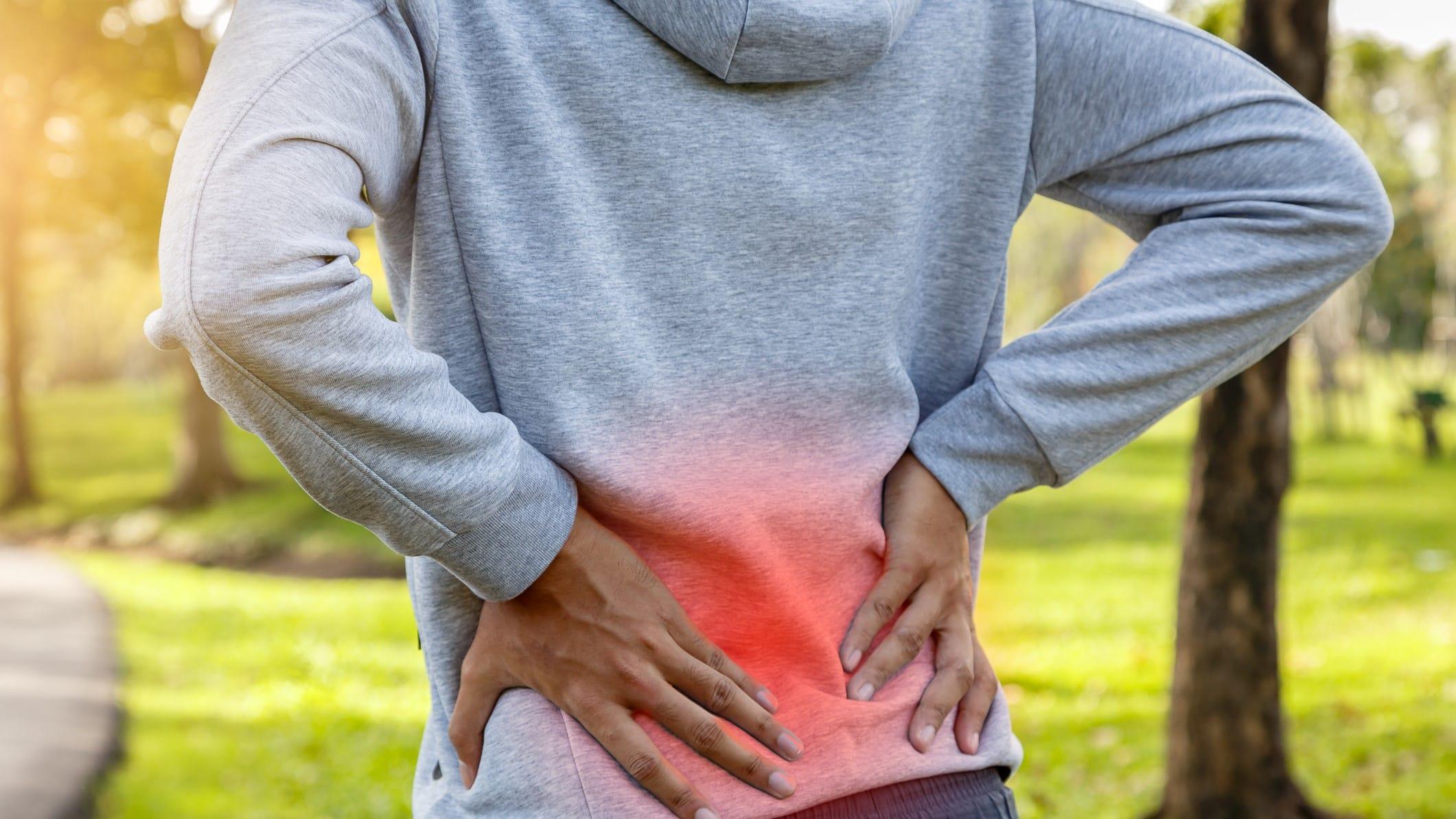
Muscle pain — from overexertion, poor posture or a sedentary lifestyle — is one of the most common everyday complaints. Cannabidiol (CBD), a compound extracted from hemp, has become a major focus of research and use for treating pain, and muscle pain is a common type of pain that can be safely addressed with CBD, a use that is particularly popular among people who play sport: we cover it in CBD for sport.
In this article on the Cannactiva blog, we break down the most common questions about the properties and benefits of CBD for muscle pain, one of the many forms of chronic pain in which cannabidiol is being researched.
CBD products, such as CBD oil and physiotherapy creams, are not medicines or food supplements and are intended for external use. This is an informative article and is not a substitute for medical advice: if your pain persists or you are undergoing treatment, speak to your healthcare professional.
What is CBD?
CBD, or cannabidiol, is one of the main cannabinoids found in the hemp plant (Cannabis sativa). Unlike THC, it is not psychoactive (it doesn’t “get you high”) and it acts on the body through the endocannabinoid system, which regulates processes such as pain, inflammation and rest. If you want to go deeper, we explain in detail what CBD is and what it is used for.
Its safety profile has institutional backing: according to what the WHO says about CBD, cannabidiol is well tolerated, shows no effects indicative of abuse or dependence potential, and no public health problems have been documented in association with the use of pure CBD.
Is CBD effective for muscle pain?
CBD interacts with the body’s endocannabinoid system, which plays a role in regulating pain and inflammation. By influencing this system, CBD can potentially reduce inflammation and relieve pain, including inflammatory muscle pain.

How does CBD work to relieve muscle pain?
CBD can reduce pain through its anti-inflammatory action. Muscle inflammation occurs when the body sets out to repair damage to muscle cells caused by some kind of trauma (a knock) or by strain from exercise. CBD reduces the release of inflammatory substances and lowers oxidative stress, thus helping to reduce inflammation.
Find out more: CBD as an anti-inflammatory: properties and how to use it
CBD products for muscle pain
CBD has become popular among athletes for easing discomfort after intense exercise. It can be applied topically with creams and balms or as CBD oil; find out more about its role in muscle recovery.

Mechanisms of action of CBD in muscle pain
CBD has shown potential for controlling pain in diseases and pain disorders. It can reduce swelling and soreness after intense physical activity, which makes it very attractive for supporting athletic performance. However, more research is needed to confirm these effects definitively (2).
Recent findings suggest that CBD could improve muscle recovery by reducing muscle damage. For example, CBD intake could enhance the differentiation of satellite cells in muscles, which is crucial for muscle repair and muscle strength (3). However, these findings are not yet conclusive and more research is needed to fully understand the extent of these benefits of CBD.
CBD plays an important role in regulating inflammation and oxidative stress, which are common after intense physical exertion. By controlling these processes, CBD could aid the recovery of muscles and other tissues after exercise or after a knock or trauma (2).

How to apply CBD for muscle pain
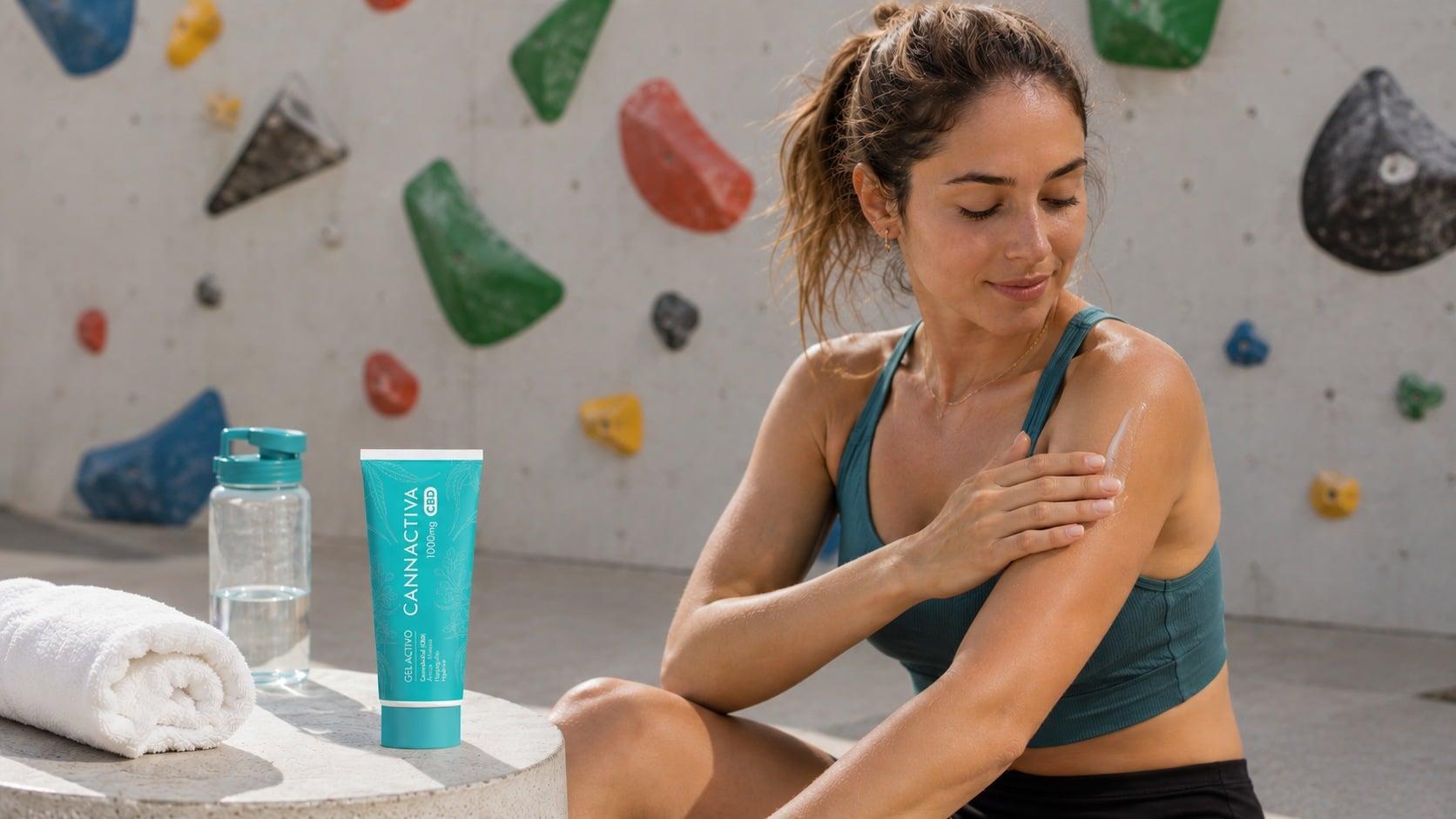
For muscle pain, the most common route is topical: applying CBD directly to the skin over the sore area with a gentle massage, so that it acts locally. This is also the use intended for CBD products in Spain (external use).
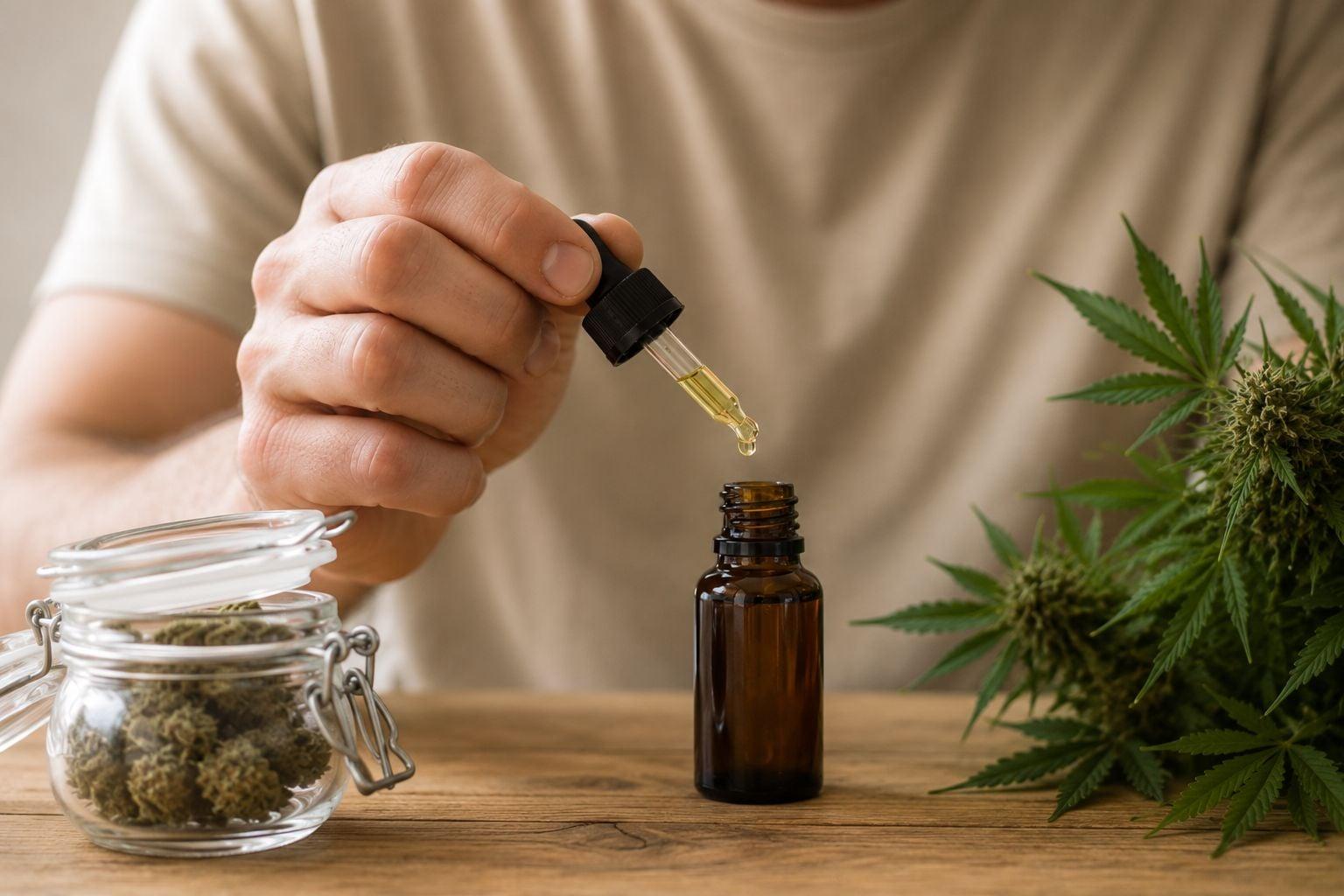
Several formats fall within this topical route. Creams and balms often combine CBD with other soothing ingredients — such as arnica, menthol or devil’s claw — and are convenient for a specific area. CBD oil can also be massaged into the skin, so the topical route isn’t limited to creams. And for application targeted at muscles and joints, there are CBD physiotherapy creams.
Beyond the topical route, in other countries the sublingual route is also used — a few drops of oil under the tongue; in Spain, however, CBD products are intended for external use. If you want to know how that route works, we explain it in sublingual CBD oil.
How long does CBD take to work?
Applied topically, relief is usually felt quickly and locally, around 15–30 minutes after the massage, and it can be reapplied several times a day. The response varies depending on the person, the concentration of the product and the intensity of the pain.
CBD dosage for muscle pain
There is no universal dose: it depends on each person’s weight, the concentration and their response. The general recommendation is to start with a low dose and adjust it gradually. We go into this in our guide to CBD dosage for pain.
Other benefits of CBD in muscle pain
In addition to the muscle-repair and anti-inflammatory effects of CBD on muscle pain, CBD appears to regulate the sleep-wake cycle, which is essential for muscle recovery (4). It can improve sleep onset, continuity and quality while reducing nightmares and insomnia. These effects are attributed to the interaction of CBD with the endocannabinoid system, adenosine receptors and GABAergic neurotransmission (2). We go into this further in CBD for insomnia and how to take CBD for sleep.

Safety considerations
It is important to use high-quality CBD products, as purity and dosage can vary. The effective dose for specific effects on muscle or muscle pain, especially in sport and exercise settings, is still being explored in various studies (2). That is why it is worth knowing how to choose a good CBD oil.
CBD interactions with medicines
If you are taking any medication, bear in mind that cannabidiol can interfere with how it is metabolised. Before combining it with your treatment, speak to your doctor and read our guide on CBD interactions with medicines, as well as the contraindications of CBD.
Overall, although CBD is known for a number of physiological, biochemical and psychological effects that could benefit people with muscle pain or athletes, the preliminary evidence is inconsistent, as most studies have been preclinical and involved laboratory animals rather than humans (5).
More thorough research is needed to understand the physiological mechanisms, safety, efficacy and role of CBD in processes such as inflammatory processes, neuroprotection and neuromechanical function. This includes randomised controlled trials that take into account a range of individual factors and factors specific to muscle physiology (2).
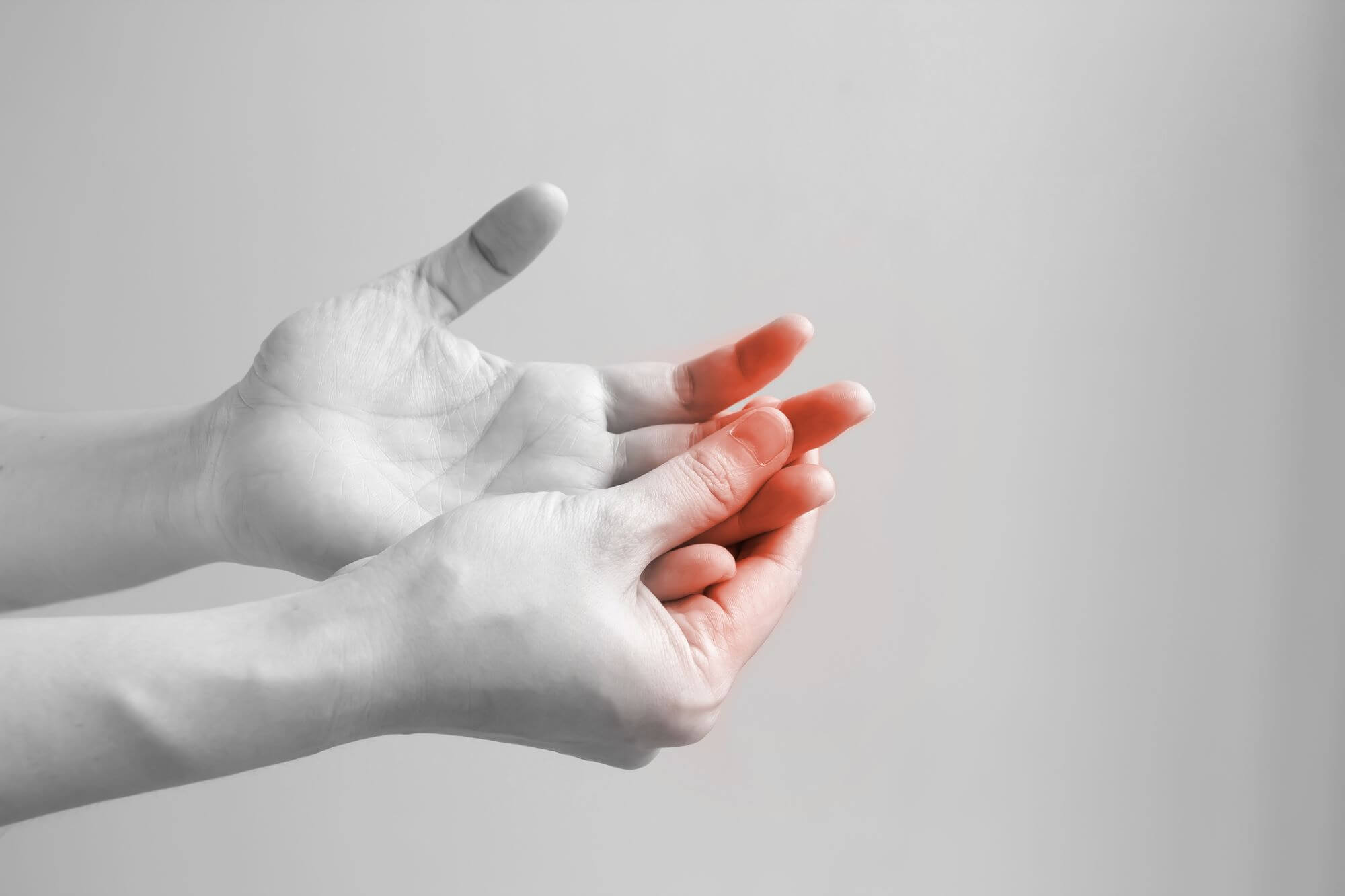
Arthritis is a chronic disease characterised by persistent joint pain that mainly affects women (in 70% of cases), and its management should be personalised. We explain it in CBD for arthritis and joint pain relief.
Are there any side effects of using CBD for muscle pain?
CBD is generally considered safe, but it may cause side effects in some people, especially when taken orally or ingested. Side effects include drowsiness, dry mouth and gastrointestinal problems. You can read more in CBD side effects.
Adverse effects are generally seen at very high doses of CBD, so it is important to start with a low dose and monitor how your body responds.
Frequently asked questions
Is CBD oil or cream better for muscle pain?
For localised pain — a muscle knot or a specific area after exercise — a cream or balm applied with massage is usually the most practical option because it acts directly. CBD oil works as a complement for external use, and many people combine both formats.
Can I use CBD if I already take anti-inflammatories such as ibuprofen?
CBD can interfere with the metabolism of some medicines. If you take anti-inflammatories such as ibuprofen, naproxen or diclofenac, it is worth checking with your doctor; we explain this in CBD with ibuprofen and other anti-inflammatories and in CBD and medicines.
Does CBD help with muscle soreness (DOMS) after training?
Delayed-onset muscle soreness is associated with muscle damage and inflammation after intense exertion. Because of its anti-inflammatory properties, CBD has become popular among athletes to support recovery, although the evidence is still preliminary and more research is needed.
Can CBD oil cause a positive doping test?
CBD was removed from the World Anti-Doping Agency (WADA) list of prohibited substances, but other cannabinoids such as THC are prohibited, and some full spectrum products may contain traces. If you are tested, bear this in mind: we go into detail in does CBD show up on a drug test?.
Conclusion
In short, although CBD shows promise in a number of areas relevant to muscle pain and sports performance, more research and more clinical studies are needed to fully understand the benefits, optimal doses and potential risks of CBD for muscle pain.
Hopefully, over time and as research progresses, clearer guidelines and recommendations will emerge for the use of CBD in sport and in managing muscle pain.
Note: This is an informative article and is not intended to prevent, diagnose or treat any disease. Its content may complement, but should never replace, any diagnosis or treatment of any disease or symptom. Cannactiva products are not medicines and are intended for external use. The information shown reflects the scientific evidence up to the date of publication; bear in mind that new developments may have emerged since then. For all these reasons, speak to your doctor before using CBD.
References
- Nichols, J. M., & Kaplan, B. L. F. (2020). Immune Responses Regulated by Cannabidiol. Cannabis and cannabinoid research, 5(1), 12–31. https://doi.org/10.1089/can.2018.0073
- Rojas-Valverde, D., & Fallas-Campos, A. (2023). Cannabidiol in sports: insights on how CBD could improve performance and recovery. Frontiers in pharmacology, 14, 1210202. https://doi.org/10.3389/fphar.2023.1210202
- Schouten, M., Dalle, S., & Koppo, K. (2022). Molecular Mechanisms Through Which Cannabidiol May Affect Skeletal Muscle Metabolism, Inflammation, Tissue Regeneration, and Anabolism: A Narrative Review. Cannabis and cannabinoid research, 7(6), 745–757. https://doi.org/10.1089/can.2022.0220
- Dáttilo, M., Antunes, H. K. M., Galbes, N. M. N., Mônico-Neto, M., DE Sá Souza, H., Dos Santos Quaresma, M. V. L., Lee, K. S., Ugrinowitsch, C., Tufik, S., & DE Mello, M. T. (2020). Effects of Sleep Deprivation on Acute Skeletal Muscle Recovery after Exercise. Medicine and science in sports and exercise, 52(2), 507–514.
- McCartney, D., Benson, M. J., Desbrow, B., Irwin, C., Suraev, A., & McGregor, I. S. (2020). Cannabidiol and Sports Performance: a Narrative Review of Relevant Evidence and Recommendations for Future Research. Sports medicine - open, 6(1), 27.