In February 2025, one of Spain’s most influential newspapers published an article entitled “Cannabis can trigger bipolar disorder”, in which Dr Eduard Vieta, head of psychiatry at Hospital Clínic, warns about the risks of cannabis use. The headline’s claim has made an impact, especially among those looking for alternatives within the world of cannabis, such as CBD.
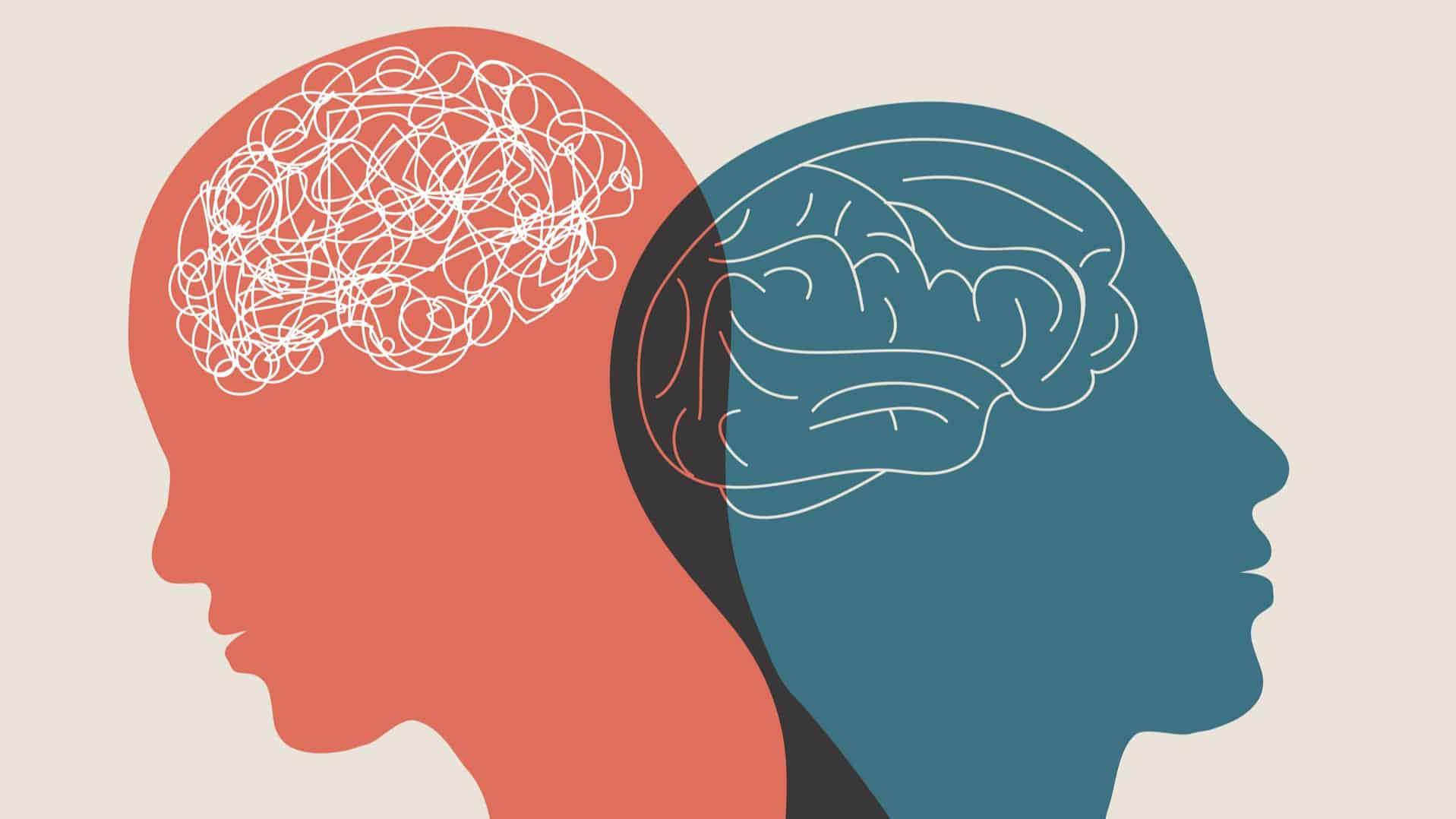
Bipolar disorder is a mental health condition characterised by extreme mood swings, ranging from episodes of euphoria to periods of deep depression. Given the growing popularity of cannabidiol (CBD) and the medical and recreational use of cannabis, many people with bipolar disorder wonder how these cannabinoids might affect them. Here is an overview of the scientific research on the relationship between CBD and THC use in bipolar disorder, highlighting possible risks and areas of uncertainty.
What is bipolar disorder?
Bipolar disorder is a complex psychiatric condition that causes abrupt mood swings that can interfere with work, relationships and daily activities. There are two main types:
- Bipolar I disorder: characterised by at least one episode of mania, usually accompanied by depressive episodes.
- Bipolar II disorder: characterised by recurrent depressive episodes and hypomanic episodes (a less severe form of mania).
Approximately 2.4% of the world’s population has this condition at some point in their lives (1). Treatment usually includes mood stabilisers (such as lithium or valproate), antipsychotics and psychosocial therapy.
Any substance that affects the brain, including cannabis, can complicate treatment and potentially aggravate the symptoms of bipolar disorder.
How does cannabis act on the brain?
Cannabis contains numerous cannabinoids, the best known being THC (tetrahydrocannabinol) and CBD (cannabidiol). THC produces the “high” or psychoactive effect, while other cannabinoids, such as CBD, have little or no psychoactive effect.

Because cannabinoids such as THC act on the brain, it is important to note that the younger the person who uses cannabis frequently or heavily, the more vulnerable they may be to changes in brain chemistry (2). This is largely due to the effects of THC on the brain.
Tetrahydrocannabinol (THC) is the main psychoactive compound in cannabis. THC acts on the endocannabinoid system, which plays a key role in regulating mood, sleep and the stress response. However, frequent use can disrupt this balance, especially in young people, whose brains are still developing.
The THC content of cannabis has increased significantly in recent decades, rising from approximately 4% to as much as 35% THC in less than 30 years. This increase in the potency of cannabis amplifies the risks associated with its use today.
There are now cannabis strains without THC, CBD strains, with less than 0.3% THC. In fact, some people use CBD to give up joints.
Cannabis use in bipolar disorder
Several studies show that people with bipolar disorder may use cannabis more frequently than the general population. Reasons for this tendency include self-medication to mitigate symptoms of anxiety or insomnia, the coexistence of other substance use disorders, and certain genetic or environmental predispositions (3).
Although some people claim that cannabis relieves anxiety or depressive symptoms, scientific evidence on its efficacy remains limited and sometimes contradictory.
Potential risks of cannabis use in bipolar disorder
One of the most consistent findings in the literature is that cannabis use can worsen manic or hypomanic symptoms (3). Not everyone reacts in the same way, but frequent or heavy use has been linked to a greater likelihood of prolonging or triggering manic episodes, increasing impulsivity and encouraging risky behaviour (2).
Although it has been observed that cannabis may aggravate mania, some people report short-term relief of their depressive symptoms. However, these experiences are largely subjective and are not supported by conclusive clinical studies. In addition, self-medicating with cannabis in bipolar disorder can be dangerous, and a mental health professional should always be consulted.
CBD in bipolar disorder
Unlike THC, CBD is non-psychoactive and has attracted medical research interest for its potential anxiolytic, anti-inflammatory and neuroprotective properties. Some preliminary studies suggest that high doses of CBD may help treat depressive symptoms in bipolar disorder. In addition, its potential antipsychotic effect has been investigated in illnesses such as schizophrenia.
While there is no evidence that CBD worsens bipolar disorder, studies are still limited, and more clinical trials are needed to determine its effectiveness and safety as part of treatment.
Details: scientific studies on CBD and bipolar disorder
Preliminary studies suggest that CBD may have anxiolytic, anti-inflammatory and neuroprotective effects. However, scientific evidence on its direct efficacy in bipolar disorder is limited (5). Some researchers have raised the possibility that high doses of CBD (300 mg a day or more) may help in bipolar depression, but clinical trials that solidly confirm this are lacking (6).
CBD has also been studied for its possible antipsychotic properties in schizophrenia (7), a disorder that sometimes shares features with bipolar mania. Although these findings are not directly applicable to bipolar disorder, they suggest that CBD may have some use in controlling psychotic symptoms in manic episodes. Even so, no clear negative effects of CBD in bipolar disorder have been described, although definitive data are still lacking.
Clinical implications of cannabis in bipolar disorder
Health professionals should routinely ask about cannabis use in people with bipolar disorder, as it could affect the course of the illness. Likewise, both patients and their families should be aware of the risks associated with the use of psychoactive substances such as cannabis, especially because of its link with manic relapses and cognitive impairment.
Although it has been suggested that CBD may be useful as an adjunctive treatment for bipolar depression (6), more research is needed. In the meantime, it is essential that people with bipolar disorder avoid self-medicating without medical supervision, as it could destabilise their mood and complicate established treatment.
Conclusion
Scientific evidence indicates that cannabis use may present risks for people with bipolar disorder, including a higher risk of manic episodes, possible impairment of cognitive function and complications in treatment. Although some users report temporary relief from depression, these data lack solid clinical support. In the specific case of CBD, larger clinical trials are needed to determine its benefits and risks in this disorder accurately.
Note: This is an informative article and is not prescriptive; it is not intended to prevent, diagnose or treat any disease. Its content may complement, but must never replace, the diagnosis or treatment of any disease or symptom. If you or someone close to you is experiencing symptoms of bipolar disorder, or you are considering changes to your treatment (including the use of cannabis), consult a health professional. Cannactiva products are not medicines and are intended for external use. There may be new relevant scientific evidence since the date of publication. Consult your doctor before using CBD. Therapeutic advice must be personalised and depends on professional assessment.
References
- Zhong, Y., Chen, Y., Su, X., Wang, M., Li, Q., Shao, Z., & Sun, L. (2024). Global, regional and national burdens of bipolar disorders in adolescents and young adults: a trend analysis from 1990 to 2019. General psychiatry, 37(1), e101255. https://doi.org/10.1136/gpsych-2023-101255
- Maggu, G., Choudhary, S., Jaishy, R., Chaudhury, S., Saldanha, D., & Borasi, M. (2023). Cannabis use and its relationship with bipolar disorder: A systematic review and meta-analysis. Industrial psychiatry journal, 32(2), 202–214. https://doi.org/10.4103/ipj.ipj_43_23
- Lev-Ran, S., Le Foll, B., McKenzie, K., George, T. P., & Rehm, J. (2013). Bipolar disorder and co-occurring cannabis use disorders: characteristics, co-morbidities and clinical correlates. Psychiatry research, 209(3), 459–465. https://doi.org/10.1016/j.psychres.2012.12.014
- Di Forti, M., Quattrone, D., Freeman, T. P., Tripoli, G., Gayer-Anderson, C., Quigley, H., Rodriguez, V., Jongsma, H. E., Ferraro, L., La Cascia, C., La Barbera, D., Tarricone, I., Berardi, D., Szöke, A., Arango, C., Tortelli, A., Velthorst, E., Bernardo, M., Del-Ben, C. M., Menezes, P. R., … EU-GEI WP2 Group (2019). The contribution of cannabis use to variation in the incidence of psychotic disorder across Europe (EU-GEI): a multicentre case-control study. The lancet. Psychiatry, 6(5), 427–436. https://doi.org/10.1016/S2215-0366(19)30048-330048-3)
- Khan, R., Naveed, S., Mian, N., Fida, A., Raafey, M. A., & Aedma, K. K. (2020). The therapeutic role of Cannabidiol in mental health: a systematic review. Journal of cannabis research, 2(1), 2. https://doi.org/10.1186/s42238-019-0012-y
- Pinto, J. V., Crippa, J. A. S., Ceresér, K. M., Vianna-Sulzbach, M. F., Silveira Júnior, É. M., Santana da Rosa, G., Testa da Silva, M. G., Hizo, G. H., Simão Medeiros, L., Santana de Oliveira, C. E., Bristot, G., Campos, A. C., Guimarães, F. S., Hallak, J. E. C., Zuardi, A. W., Yatham, L. N., Kapczinski, F., & Kauer-Sant'Anna, M. (2024). Cannabidiol as an Adjunctive Treatment for Acute Bipolar Depression: A Pilot Study: Le cannabidiol comme traitement d'appoint de la dépression bipolaire aiguë : une étude pilote. Canadian journal of psychiatry. Revue canadienne de psychiatrie, 69(4), 242–251. https://doi.org/10.1177/07067437231209650
- Leweke, F. M., Piomelli, D., Pahlisch, F., Muhl, D., Gerth, C. W., Hoyer, C., Klosterkötter, J., Hellmich, M., & Koethe, D. (2012). Cannabidiol enhances anandamide signaling and alleviates psychotic symptoms of schizophrenia. Translational psychiatry, 2(3), e94. https://doi.org/10.1038/tp.2012.15
Frequently asked questions
Does cannabis use cause bipolar disorder?
So far, it has not been shown that cannabis use is a direct cause of bipolar disorder. However, in people predisposed to mood disorders, frequent cannabis use could trigger a first bipolar episode. One scientific review notes that regular cannabis users are more likely to develop bipolar disorder for the first time, which suggests that cannabis could act as a trigger in vulnerable individuals (2). In addition, heavy, long-term cannabis use has been linked to a higher risk of psychosis in people prone to this type of symptom (4), although not everyone with bipolar disorder who uses cannabis will develop psychosis.
Does CBD cause bipolar disorder?
No, there is no scientific evidence that CBD causes bipolar disorder. In fact, some studies suggest it could have potential benefits, although its use in bipolar disorder still needs more research.