Tetrahydrocannabinolic acid, better known as THCA, is a compound found in the cannabis plant that offers a range of properties and potential therapeutic benefits distinct from those of its more famous counterpart, tetrahydrocannabinol (THC).
Today at Cannactiva we explain what THCA is, looking at its origin and synthesis and at how it differs from other cannabinoids such as cannabidiol (CBD) and THC.
What is THCA?
THCA is a cannabinoid precursor of THC found in raw cannabis plants, that is, before combustion or before heat is applied.
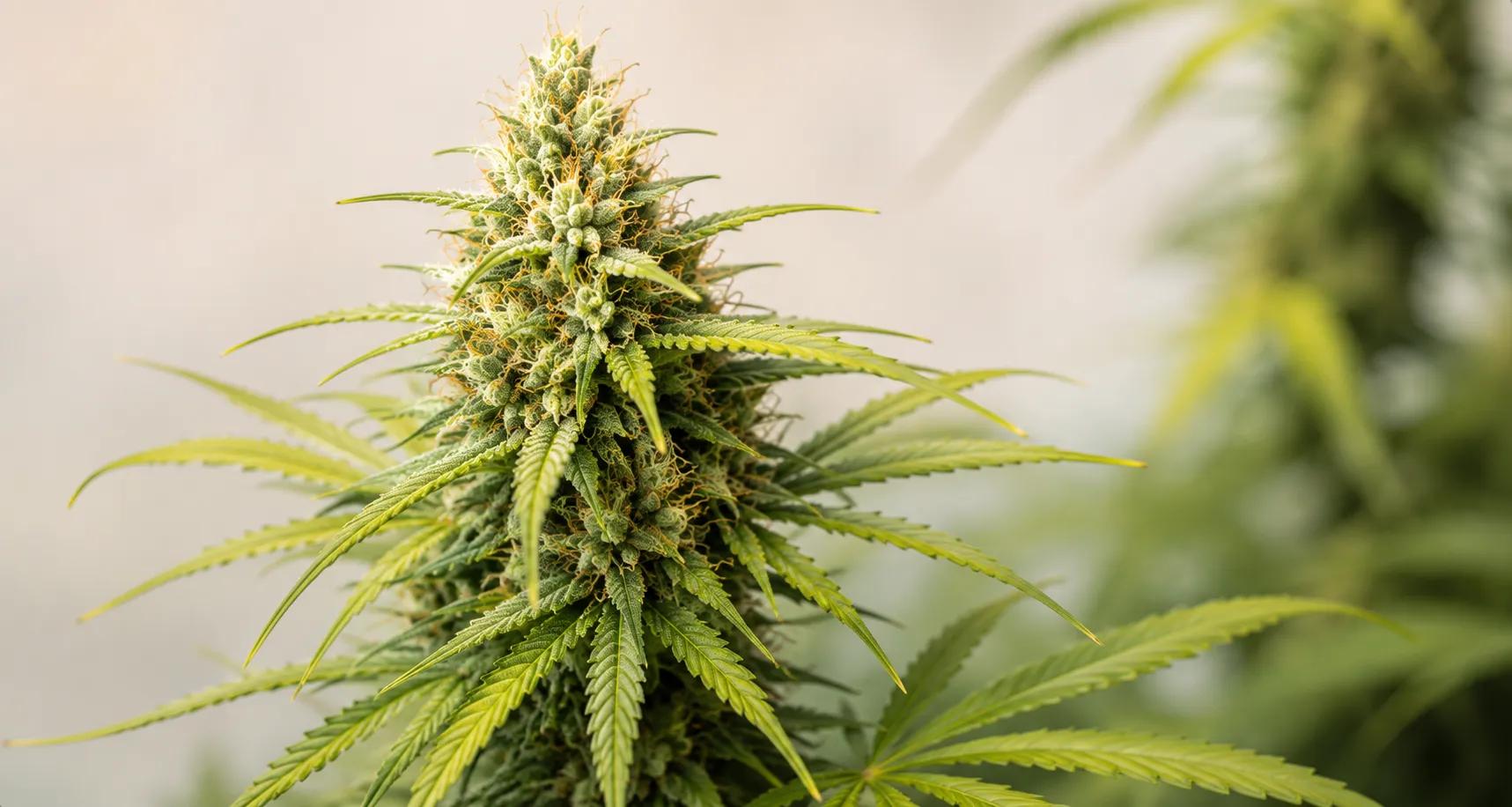
The cannabis strains highest in THCA are those with a high THC content, since THCA is the form in which THC is found in cannabis. The exact concentration can vary depending on how the plant is grown and on the growing conditions.
THCA is not psychoactive, meaning it does not induce the euphoric effect typical of THC.

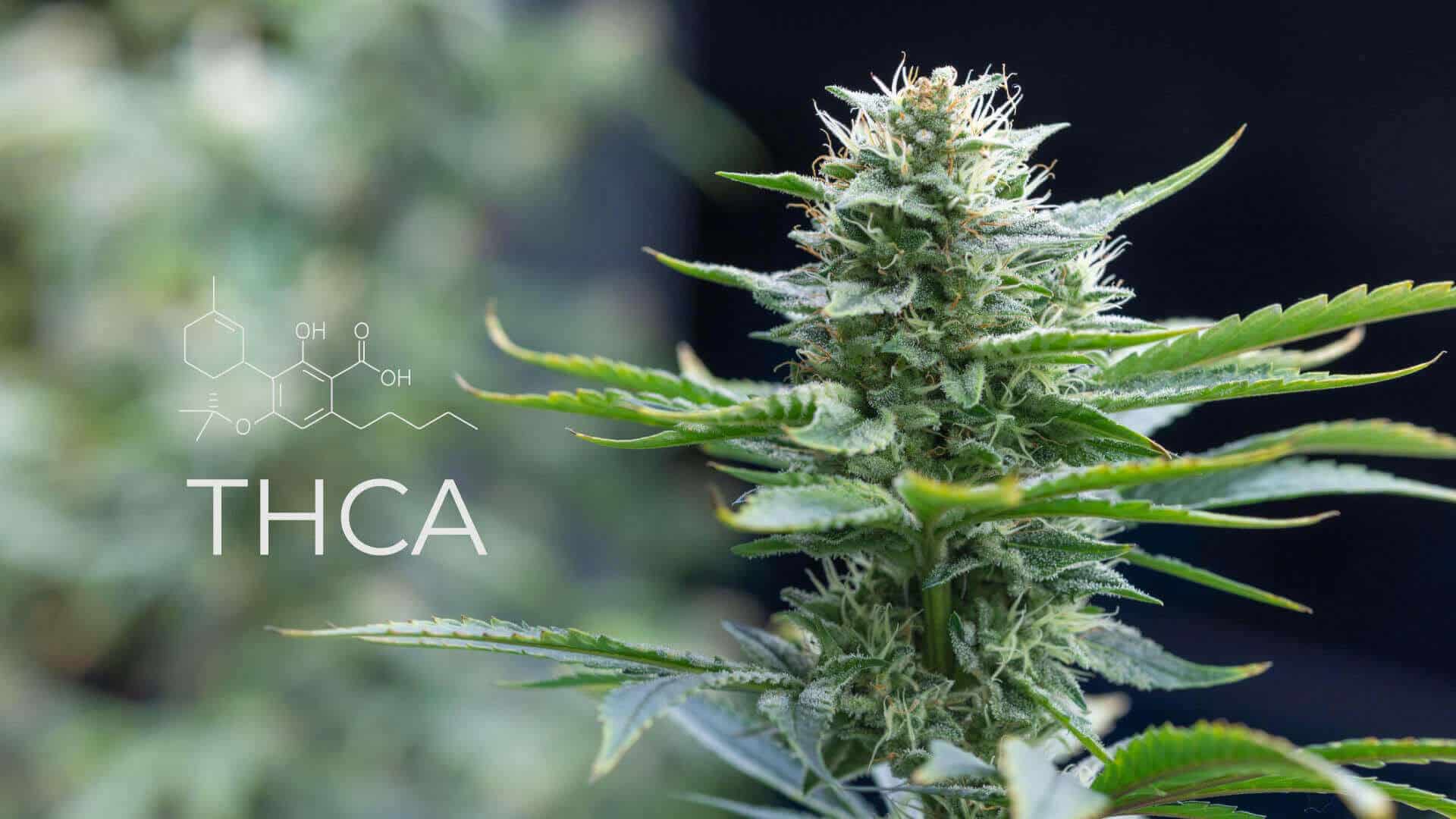
THCA formula
The chemical formula of THCA is C22H30O4.
Conversion of THCA into THC
THC is found in the cannabis plant in the form of THCA. THCA is popularly described as the “inactive” form of THC, because it is its precursor.
THCA turns into THC when heat is applied. For example, when you light a joint.
THCA converts into THC when heated, through a process called decarboxylation, as happens when cannabis is smoked or vaporised. So when you light a cannabis joint, the heat converts the THCA into psychoactive THC.
While THCA is not psychoactive, THC does produce mental effects.
This conversion of THCA into THC also happens efficiently when vaporising cannabis or cooking cannabis edibles (1).
Although THCA is converted into THC by the heat applied when cannabis is processed for consumption, this process is only partial. Research has shown THCA to be present in body fluids, such as the blood and urine of cannabis users (2).
Origin and synthesis of THCA
THCA is produced naturally in cannabis, specifically in the glandular trichomes, the tiny crystals that coat the leaves and flowers of the plant, through an enzymatic reaction that produces it from cannabigerolic acid (CBGA).
THCA extraction
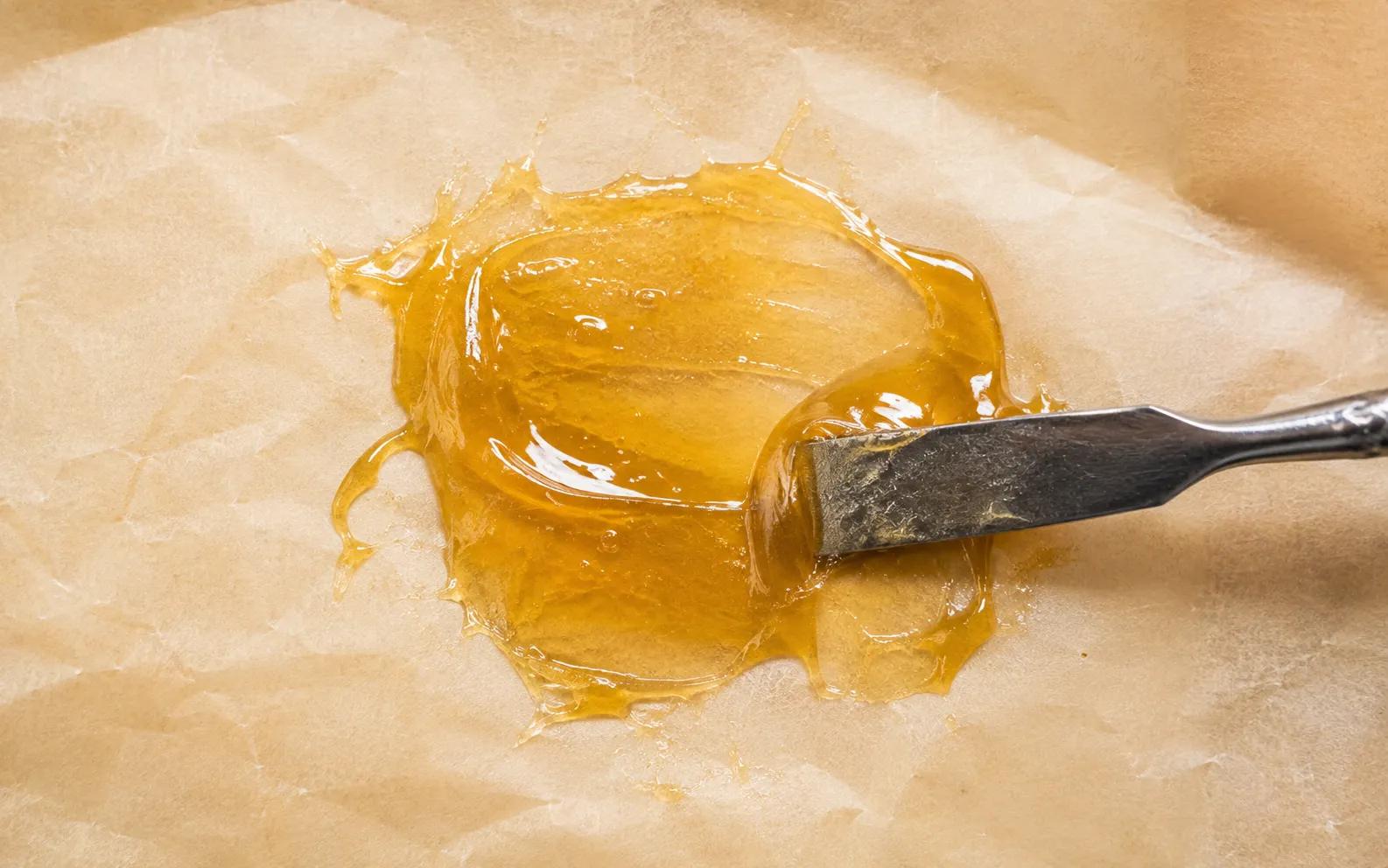
Producing THCA extracts involves solvent-based extraction methods and crystallisation. First, a solvent such as butane, propane or CO2 is used to obtain a product concentrated in cannabinoids and terpenes.
Next, purification and separation techniques are used to remove the solvent, leaving THCA concentrates. This concentrate then goes through a crystallisation process to form THCA crystals, known as THCA diamonds in their purest form.
The crystals are separated from the “terpene sauce”, resulting in pure THCA-rich extracts or the isolated cannabinoid, ready to be consumed through vaporisation or dabbing, or to be added to edible and topical products.
Differences between THCA, CBD and THC
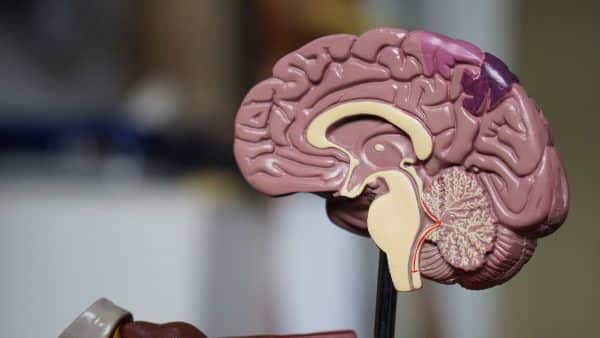
THCA is not psychoactive and does not interact with the CB1 receptors in the brain in the same way as THC, which is why its effects are different. THCA is found in cannabis that has not been burnt or exposed to heat, and it has unique therapeutic properties.
THC is another active compound in cannabis that produces euphoria and other psychoactive effects. Unlike THCA, THC directly activates CB1 receptors in the brain.
CBD (cannabidiol) is another non-psychoactive cannabinoid with a wide range of therapeutic applications; it differs from THCA in its chemical structure and in its effects on the body.
How is THCA taken?
THCA is found in the raw form of the cannabis plant. When it is consumed as vaporised cannabis or joints, the THCA turns into THC as the cannabis heats up, leaving only traces of THCA in the end product.
As well as in bud form, another popular way of consuming it is THCA diamonds, or pure THCA crystals, which are meant to be vaporised or smoked (in which case the THCA turns into psychoactive THC). However, this product is only legal in countries where cannabis has been legalised, such as some US states.
THCA gummies are also on the market in some countries where it is legal to add cannabinoids to edible products (not in the European Union).
Effects of THCA on the endocannabinoid system
THCA interacts with the endocannabinoid system differently from THC. Although it does not bind significantly to CB1 or CB2 receptors, it may affect the endocannabinoid system and other cellular pathways through its unique molecular structure.
Although THC exerts its psychoactive effect by binding to CB1 receptors (3), it has been suggested that THCA could also interact with these receptors; however, it is not known why THCA does not produce the feeling of being “high” (4).
Benefits of THCA: current research
Current research indicates that THCA has the potential to be beneficial in managing various conditions, such as inflammation, neurodegenerative diseases, nausea and certain types of cancer. However, clinical trials are needed to gain a deeper understanding of the therapeutic usefulness and effectiveness of THCA.
Studies carried out in cell cultures (in vitro) suggest that THCA has properties that are useful in relieving certain ailments. Notable among these are its potential anti-inflammatory (5), antiemetic (6), antitumour (7, 8), immunomodulatory (9) and neuroprotective (10) effects.
In addition, it has been observed that THCA could improve symptoms of obesity-linked metabolic syndrome (11) and provide brain protection by activating receptors involved in protecting neurons (12).
Side effects of THCA
Since THCA is not psychoactive, it is generally considered to have fewer side effects than THC. However, individual reactions can vary, and more research is needed to fully understand its possible adverse effects.
Consuming THCA concentrates, crystals or diamonds will produce the same adverse effects as THC, since heating converts THCA into THC. This applies when THCA crystals are vaporised, smoked or cooked: they produce mental or psychoactive effects and can lead to side effects similar to those of THC, such as dizziness, dry mouth, the munchies, and changes in perception and mood.
One study has suggested that it is important to bear in mind that the absorption and elimination of THCA could differ significantly from those of THC. By comparison, higher blood concentrations of THCA than of THC have been recorded when both were given in equal amounts to animals in preclinical studies (13).
THCA in Spain: is it legal?
In Spain, THCA is not specifically regulated, but any product that can be converted into THC, such as THCA, falls under general cannabis regulations. This means that selling THCA products, such as crystals or diamonds, is illegal. The same applies in other European Union countries.
Conclusion
THCA is the cannabinoid precursor of THC, the psychoactive component of cannabis, the best-known illegal substance in the world. The uses and potential benefits of THCA are an interesting area of research. Its non-psychoactive nature makes it a promising compound for relieving a broad spectrum of medical conditions. Its therapeutic potential will therefore be uncovered little by little as the scientific understanding of cannabis continues to evolve. Here at Cannactiva, we will keep you up to date on this and other news from the world of cannabis. See you soon!
Frequently asked questions
Can you smoke THCA?
THCA is present in cannabis concentrates and buds, in varying amounts depending on the strain. When heated (as when smoking), much of the THCA in cannabis turns into THC, the psychoactive compound. Weed in particular has high concentrations of THCA, which turns into THC when smoked and produces the characteristic mental effects.
What is the optimal dose of THCA?
To date, no optimal doses of THCA have been established, owing to the limited clinical research available. The available studies have been carried out on cell cultures and animal models, whose doses cannot be directly applied to human use. Dosage could vary depending on the method of consumption and the desired goals.
Does THCA give a positive result on a drug test?
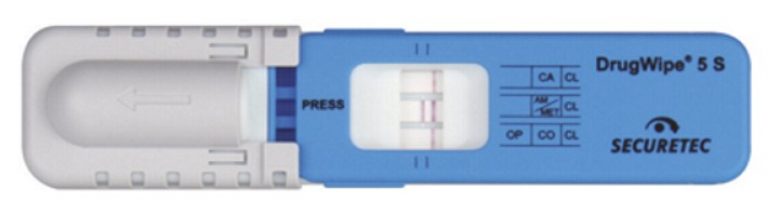
As standard drug tests detect THC, not THCA, consuming raw cannabis containing THCA is unlikely to give a positive drug test result. However, THCA products, including concentrates and cannabis, are usually vaped or smoked. Any application of heat or combustion will convert the THCA into THC, which would mean testing positive on a drug test.
References
- Moreno-Sanz G. (2016). Can You Pass the Acid Test? Critical Review and Novel Therapeutic Perspectives of delta-9-Tetrahydrocannabinolic Acid A. Cannabis and cannabinoid research, 1(1), 124–130. https://doi.org/10.1089/can.2016.0008
- Jung, J., Kempf, J., Mahler, H., & Weinmann, W. (2007). Detection of Delta9-tetrahydrocannabinolic acid A in human urine and blood serum by LC-MS/MS. Journal of mass spectrometry : JMS, 42(3), 354–360. https://doi.org/10.1002/jms.1167
- Ketcherside, A., Noble, L. J., McIntyre, C. K., & Filbey, F. M. (2017). Cannabinoid Receptor 1 Gene by Cannabis Use Interaction on CB1 Receptor Density. Cannabis and cannabinoid research, 2(1), 202–209. https://doi.org/10.1089/can.2017.0007
- Rosenthaler, S., Pöhn, B., Kolmanz, C., Huu, C. N., Krewenka, C., Huber, A., Kranner, B., Rausch, W. D., & Moldzio, R. (2014). Differences in receptor binding affinity of several phytocannabinoids do not explain their effects on neural cell cultures. Neurotoxicology and teratology, 46, 49–56. https://doi.org/10.1016/j.ntt.2014.09.003
- Ruhaak, L. R., Felth, J., Karlsson, P. C., Rafter, J. J., Verpoorte, R., & Bohlin, L. (2011). Evaluation of the cyclooxygenase inhibiting effects of six major cannabinoids isolated from Cannabis sativa. Biological & pharmaceutical bulletin, 34(5), 774–778. https://doi.org/10.1248/bpb.34.774
- Rock, E. M., Kopstick, R. L., Limebeer, C. L., & Parker, L. A. (2013). Tetrahydrocannabinolic acid reduces nausea-induced conditioned gaping in rats and vomiting in Suncus murinus. British journal of pharmacology, 170(3), 641–648. https://doi.org/10.1111/bph.12316
- De Petrocellis, L., Ligresti, A., Schiano Moriello, A., Iappelli, M., Verde, R., Stott, C. G., Cristino, L., Orlando, P., & Di Marzo, V. (2013). Non-THC cannabinoids inhibit prostate carcinoma growth in vitro and in vivo: pro-apoptotic effects and underlying mechanisms. British journal of pharmacology, 168(1), 79–102. https://doi.org/10.1111/j.1476-5381.2012.02027.x
- Ligresti, A., Moriello, A. S., Starowicz, K., Matias, I., Pisanti, S., De Petrocellis, L., Laezza, C., Portella, G., Bifulco, M., & Di Marzo, V. (2006). Antitumor activity of plant cannabinoids with emphasis on the effect of cannabidiol on human breast carcinoma. The Journal of pharmacology and experimental therapeutics, 318(3), 1375–1387. https://doi.org/10.1124/jpet.106.105247
- Verhoeckx, K. C., Korthout, H. A., van Meeteren-Kreikamp, A. P., Ehlert, K. A., Wang, M., van der Greef, J., Rodenburg, R. J., & Witkamp, R. F. (2006). Unheated Cannabis sativa extracts and its major compound THC-acid have potential immuno-modulating properties not mediated by CB1 and CB2 receptor coupled pathways. International immunopharmacology, 6(4), 656–665. https://doi.org/10.1016/j.intimp.2005.10.002
- Moldzio, R., Pacher, T., Krewenka, C., Kranner, B., Novak, J., Duvigneau, J. C., & Rausch, W. D. (2012). Effects of cannabinoids Δ(9)-tetrahydrocannabinol, Δ(9)-tetrahydrocannabinolic acid and cannabidiol in MPP+ affected murine mesencephalic cultures. Phytomedicine : international journal of phytotherapy and phytopharmacology, 19(8-9), 819–824. https://doi.org/10.1016/j.phymed.2012.04.002
- Palomares, B., Ruiz-Pino, F., Garrido-Rodriguez, M., Eugenia Prados, M., Sánchez-Garrido, M. A., Velasco, I., Vazquez, M. J., Nadal, X., Ferreiro-Vera, C., Morrugares, R., Appendino, G., Calzado, M. A., Tena-Sempere, M., & Muñoz, E. (2020). Tetrahydrocannabinolic acid A (THCA-A) reduces adiposity and prevents metabolic disease caused by diet-induced obesity. Biochemical pharmacology, 171, 113693. https://doi.org/10.1016/j.bcp.2019.113693
- Nadal, X., Del Río, C., Casano, S., Palomares, B., Ferreiro-Vera, C., Navarrete, C., Sánchez-Carnerero, C., Cantarero, I., Bellido, M. L., Meyer, S., Morello, G., Appendino, G., & Muñoz, E. (2017). Tetrahydrocannabinolic acid is a potent PPARγ agonist with neuroprotective activity. British journal of pharmacology, 174(23), 4263–4276. https://doi.org/10.1111/bph.14019
- Wakshlag, J. J., Schwark, W. S., Deabold, K. A., Talsma, B. N., Cital, S., Lyubimov, A., Iqbal, A., & Zakharov, A. (2020). Pharmacokinetics of Cannabidiol, Cannabidiolic Acid, Δ9-Tetrahydrocannabinol, Tetrahydrocannabinolic Acid and Related Metabolites in Canine Serum After Dosing With Three Oral Forms of Hemp Extract. Frontiers in veterinary science, 7, 505. https://doi.org/10.3389/fvets.2020.00505