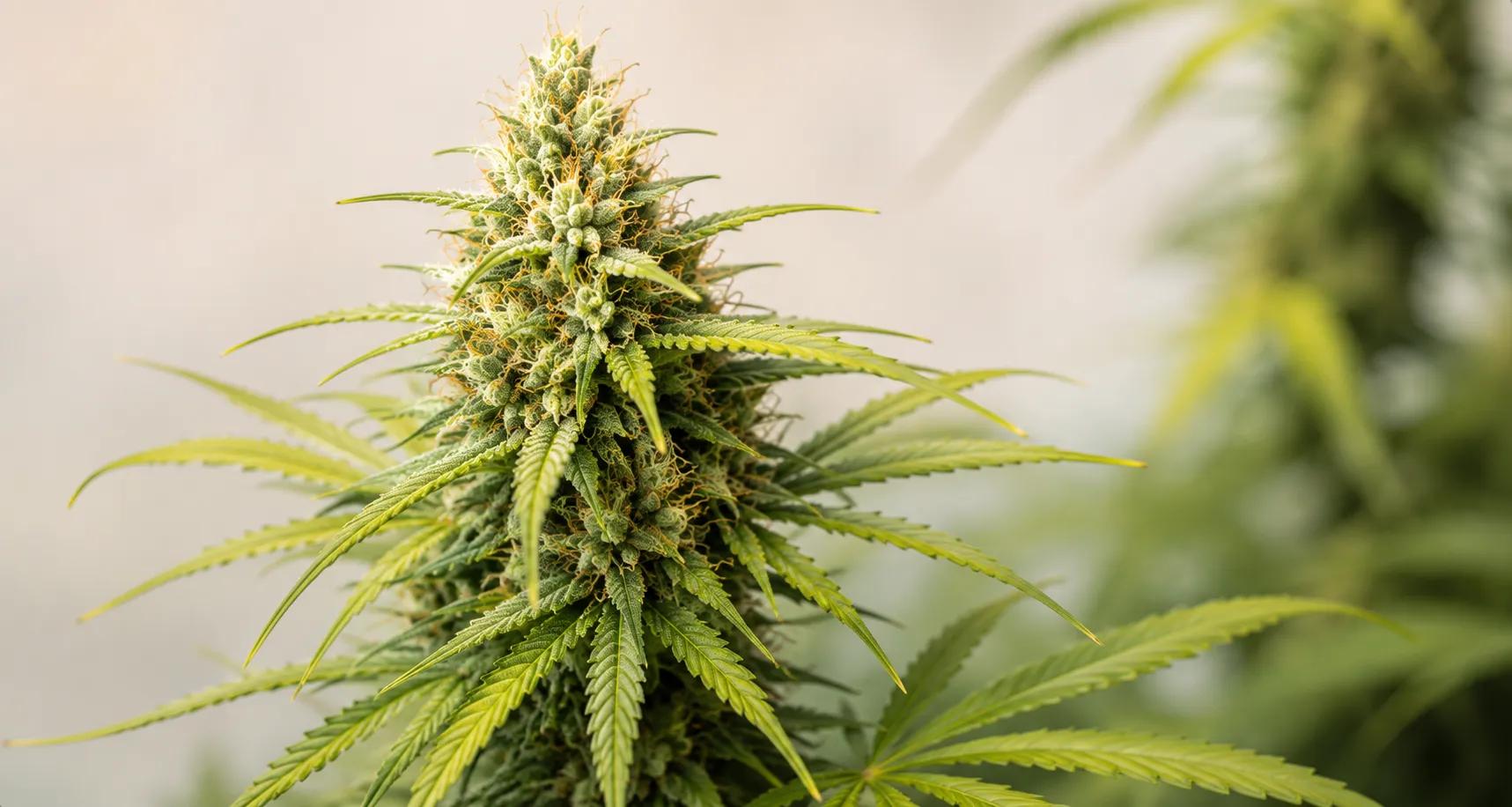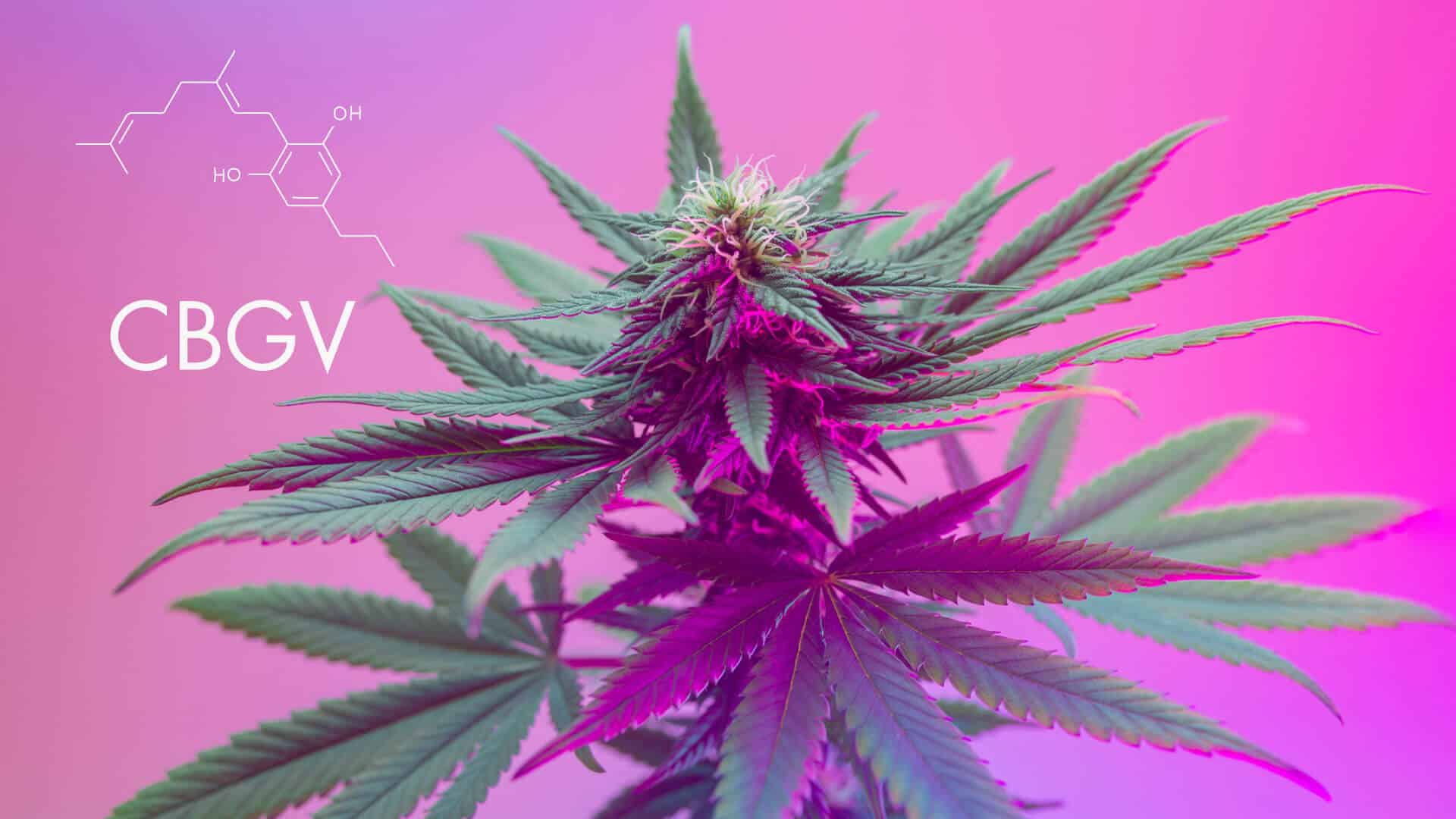
Although THC and CBD are what people always talk about, the truth is that the cannabis plant offers more than 100 different types of cannabinoids. One of these medicinal compounds is cannabigerovarin (CBGV), a non-psychoactive cannabinoid that is being studied for its effects on the regulation of certain neurological processes, due to its interaction with the brain's signalling systems. Today at Cannactiva, we'll take a closer look at what CBGV is, its origin and its potential effects.
What is CBGV?
Cannabigerovarin (CBGV) is a cannabinoid found naturally in the cannabis plant that is structurally similar to cannabigerol (CBG).
CBGV can be found in cannabis flower, in different proportions depending on the strain. Cannabis strains are not usually particularly rich in CBGV, so this cannabinoid will always be found in small amounts in hemp or cannabis, in quantities much lower than the percentages of CBD and THC, depending on the strain.
CBGV can also be found in full spectrum CBD extracts. The proportion will vary depending on the amount of raw material used.

Differences between CBGV, CBD and THC
CBGV vs CBD (cannabidiol)
Both are non-psychoactive cannabinoids, but CBGV and CBD interact with the body's endocannabinoid system differently. CBD is known to have a wide range of therapeutic effects as it interacts with multiple cellular targets, while the specific interactions and effects of CBGV are still under investigation.
CBGV vs THC (tetrahydrocannabinol)
THC is known for its psychoactive effects, which CBGV does not produce. THC interacts mainly with CB1 receptors in the brain, which causes the “high” associated with cannabis use, an effect that has not been reported with CBGV.
Origin and synthesis of CBGV
CBGV is found naturally in the cannabis plant. It is produced in the plant's glandular trichomes, through a chemical process known as cannabinoid biosynthesis.
The precursor substance is cannabigerovarinic acid (CBGVA, the cannabinoid in its acid form), which the cannabis plant transforms into CBGV.
Properties and effects of CBGV
Although both CBGV and the cannabinoid in its acid form, CBGVA, were first identified and isolated in the 1970s (1), scientific research interest in CBGV has been limited.
CBGV is still being researched to fully understand its properties and effects. The few preliminary studies that exist suggest that CBGV may help with conditions such as pain and inflammation (2).
It is also believed that CBGV could enhance the therapeutic effects of other cannabinoids through the entourage effect, potentially changing the way cannabinoids interact with receptors in the body.
CBGV and the endocannabinoid system
CBGV could bind to cannabinoid receptors, reducing their activity without blocking them.
Since the endocannabinoid system plays a crucial role in regulating various physiological processes, including pain sensation, mood and immune system function, it is possible that CBGV could have an effect on the human body, although further studies are still needed to describe its potential.
Studies on CBGV and its effects on the endocannabinoid system
Some studies in cell cultures (in vitro) have suggested that CBGV has some affinity for the CB1 and CB2 receptors of the endocannabinoid system. However, its binding to cannabinoid receptors seems somewhat controversial, as it has been suggested that CBGV, when applied to living organisms, could act as an inverse agonist of cannabinoid receptors (7).
The possible inverse agonism of CBGV means that this cannabinoid can bind to CB1 and CB2 receptors but produce the opposite effect to the one an agonist substance would have. In other words, it binds to the receptor and decreases its activity without blocking it.
Another theory is that CBGV interacts with the endocannabinoid system indirectly and possibly influences the activity of other cannabinoids such as THC and CBD within the endocannabinoid system.
Benefits and therapeutic applications of CBGV
Research on the therapeutic applications of CBGV is very limited. However, it has been suggested that it has therapeutic potential for certain conditions, including some types of cancer and inflammatory processes. It has also been proposed that CBGV may increase the effectiveness of other cannabinoids.
Cancer
CBGV appears to be an antagonist of certain receptors linked to the malignancy of some cancer cells, the TRPV2 receptors. These receptors are overexpressed in tumour cells and play a crucial role in cancer proliferation and invasion (3). Although this still needs to be explored in detail, by antagonising these receptors, CBGV could offer benefits in the treatment of cancers such as prostate and breast cancer.
In studies with tumour cells, CBGV has been shown to decrease the proliferation of colorectal cancer cells (5), pointing to the need for further research to fully understand its therapeutic potential.

Dry skin
CBGV shows promise for the treatment of dry skin. One study suggests that it can stimulate the sebaceous glands to induce skin lipid synthesis, which would be beneficial in treating conditions such as dry skin syndrome and xerosis (excessive dryness of the skin), and in mitigating the effects of natural ageing on the skin (6).
How is CBGV taken?
Because research on CBGV is at an early stage, there are still no widely available standardised products or methods of consumption. Generally, it may be present in full spectrum cannabis extracts, such as full spectrum CBD oil, which contain a wide variety of cannabinoids.
There are topical formulations with CBGV on the market for skin conditions related to dry skin, as well as anti-ageing skincare products.

CBGV dosage
Optimal doses of CBGV have not been established due to the lack of human studies. Any potential therapeutic use of CBGV should be studied carefully to determine effective and safe doses.
Side effects of CBGV
The side effects of CBGV are currently unknown, so research is needed to understand potential adverse reactions. Given its non-psychoactive nature, it is not expected to produce the euphoric effects associated with THC.
Conclusion
In short, CBGV is a non-psychoactive cannabinoid with the potential to treat pain and inflammation. Its use is a fascinating area of cannabinoid research, with potential therapeutic benefits that have yet to be fully discovered. For now, research into all the possible properties and applications of CBGV continues and looks promising. We'll keep an eye out for new research and keep you posted!
References
- Shoyama, Y., Hirano, H., Makino, H., Umekita, N., Nishioka, I., Cannabis. X. The Isolation and Structures of Four New Propyl Cannabinoid Acids, Tetrahydrocannabivarinic Acid, Cannabidivarinic Acid, Cannabichromevarinic Acid and Cannabigerovarinic Acid, from Thai Cannabis, 'Meao Variant', Chemical and Pharmaceutical Bulletin, 1977, Volume 25, Issue 9, Pages 2306-2311. https://doi.org/10.1248/cpb.25.2306
- De Petrocellis, L., Orlando, P., Moriello, A. S., Aviello, G., Stott, C., Izzo, A. A., & Di Marzo, V. (2012). Cannabinoid actions at TRPV channels: effects on TRPV3 and TRPV4 and their potential relevance to gastrointestinal inflammation. Acta physiologica (Oxford, England), 204(2), 255–266. https://doi.org/10.1111/j.1748-1716.2011.02338.x
- Santoni, G., Maggi, F., Morelli, M. B., Santoni, M., & Marinelli, O. (2019). Transient Receptor Potential Cation Channels in Cancer Therapy. Medical sciences (Basel, Switzerland), 7(12), 108. https://doi.org/10.3390/medsci7120108
- Pagano, E., Romano, B., Iannotti, F. A., Parisi, O. A., D'Armiento, M., Pignatiello, S., Coretti, L., Lucafò, M., Venneri, T., Stocco, G., Lembo, F., Orlando, P., Capasso, R., Di Marzo, V., Izzo, A. A., & Borrelli, F. (2019). The non-euphoric phytocannabinoid cannabidivarin counteracts intestinal inflammation in mice and cytokine expression in biopsies from UC pediatric patients. Pharmacological research, 149, 104464. https://doi.org/10.1016/j.phrs.2019.104464
- Lee, H. S., Tamia, G., Song, H. J., Amarakoon, D., Wei, C. I., & Lee, S. H. (2022). Cannabidiol exerts anti-proliferative activity via a cannabinoid receptor 2-dependent mechanism in human colorectal cancer cells. International immunopharmacology, 108, 108865. https://doi.org/10.1016/j.intimp.2022.108865
- Oláh, A., Markovics, A., Szabó-Papp, J., Szabó, P. T., Stott, C., Zouboulis, C. C., & Bíró, T. (2016). Differential effectiveness of selected non-psychotropic phytocannabinoids on human sebocyte functions implicates their introduction in dry/seborrhoeic skin and acne treatment. Experimental dermatology, 25(9), 701–707. https://doi.org/10.1111/exd.13042
- Navarro G, Varani K, Lillo A, Vincenzi F, Rivas-Santisteban R, Raïch I, Reyes-Resina I, Ferreiro-Vera C, Borea PA, Sánchez de Medina V, Nadal X, Franco R. Pharmacological data of cannabidiol- and cannabigerol-type phytocannabinoids acting on cannabinoid CB1, CB2 and CB1/CB2 heteromer receptors. Pharmacol Res. 2020 Sep;159:104940. doi: 10.1016/j.phrs.2020.104940. Epub 2020 May 26. PMID: 32470563.