If you grow your own cannabis, you probably know what sugar leaves are. But many users aren't lucky enough to be able to grow their own, and they may be looking for quality plant material at a better price than “normal” flowers or buds.
If so, sugar leaves may be exactly what they're looking for, but how can they tell from a term that sounds like it belongs in the kitchen? Let's explain where the term “sugar leaves” comes from and what it means.
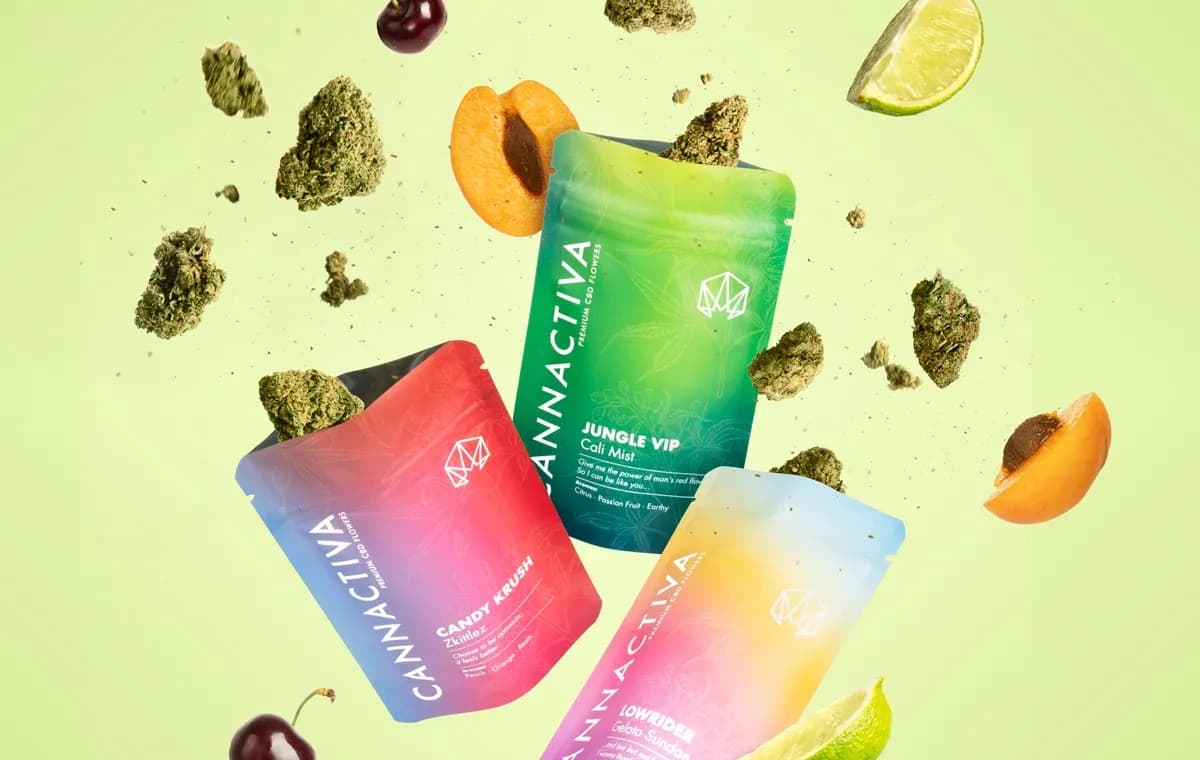
At Cannactiva, we use the sugar leaves and small pieces of bud from our premium flowers to make the product we call hemp “trim”.
What exactly are sugar leaves?
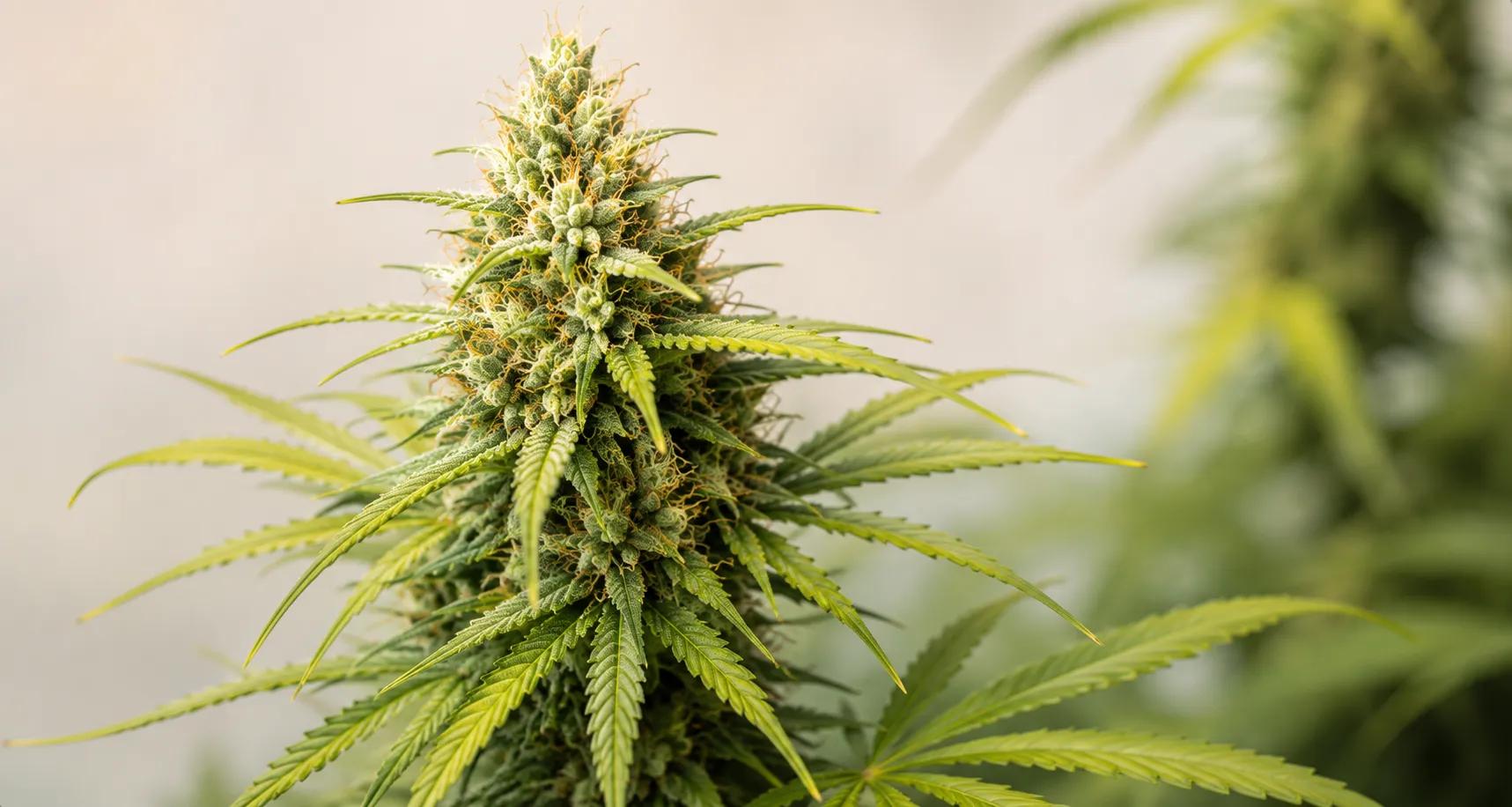
Sugar leaves are a specific type of leaf on the cannabis plant that grows between the flowers and around the buds. They are small, sometimes even tiny, and their main purpose is to protect the delicate flowers, which, biologically speaking, are important for the plant's reproduction. These leaves also help give the flowers structure and stability as they mature.
Botanically, they are known as bracts.
Why are they called sugar leaves?
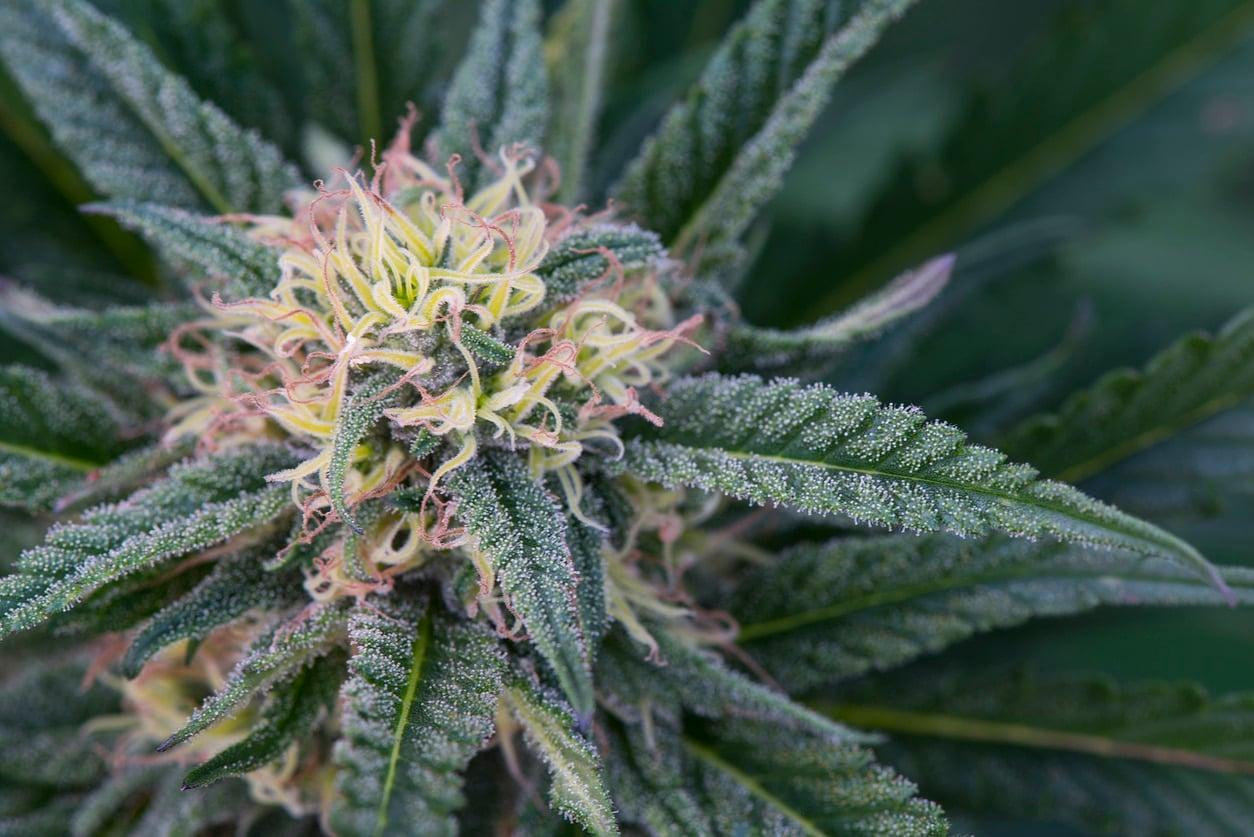
They are colloquially called sugar leaves because their surface is covered in tiny whitish trichomes that look like sugar. The name actually comes from English, cannabis sugar leaves, and other languages such as Spanish have translated it literally.

What is the composition of sugar leaves?
The cannabis plant has trichomes full of resin and aromatic, potentially medicinal substances all over its surface, but they are especially concentrated in the flowers, which is why the buds are the part of the plant that gets used.
These resinous structures contain cannabinoids, terpenes and other compounds that give cannabis its characteristic aroma and flavour.
Sugar leaves, the ones found on the buds, also have a good density of trichomes. So they have a notable resin content, although lower than the flowers.
This means that it isn't only cannabis flowers that contain cannabinoids (such as THC and CBD) and other active compounds such as terpenes and flavonoids: we can also find these compounds in significant amounts in sugar leaves.
How are sugar leaves formed on the cannabis plant?
When the cannabis flowers are mature enough and the best time to harvest is approaching, you can see – if you look closely enough – that the small leaves between and around the mature buds become covered in tiny white dots.
How are sugar leaves obtained?
Sugar leaves are cut off when cannabis buds are trimmed
When trimming their buds, many growers cut off the small leaves that grow on them: the sugar leaves. This way, the bud looks denser, more attractive and more appealing.

Commercially, the leaves on the buds have less aroma than the flowers (lower trichome density) and are removed to improve the quality of the final product, giving a bud with a more concentrated aroma, which in turn can increase its market value.
Cannabis shake or trim: make the most of it!
Trimming the buds gives you, on the one hand, perfectly shaped buds, ready to use. And on the other, the trimmings: cannabis shake or trim. This is a product with a high concentration of sugar leaves, the ones closest to the flower, with a noticeable amount of trichomes, and it still keeps that unmistakable cannabis aroma.

The white coating on sugar leaves indicates that active substances are present, such as cannabinoids and terpenes, and there may be ways to extract these substances and use them for aromatic, recreational or therapeutic purposes. That's why many growers use them for different purposes.
How can you make the most of sugar leaves?
The best ways to use sugar leaves
As we have said, sugar leaves can contain non-negligible amounts of terpenes and cannabinoids, provided the plant has been sufficiently potent (in terms of resin production) and the buds have matured and been harvested at the optimum time.
So don't be afraid to take your time and do a little extra work to turn the “waste” material into a delicious product rich in cannabinoids, terpenes and flavonoids. Here are some ways to make the most of sugar leaves:
Make your own kief
Kief is the powdery mix you'll usually find at the bottom of a grinder after grinding flowers for smoking or vaporizing. It is usually much more potent than normal buds because it is a mix of concentrated trichomes. After drying and curing the sugar leaves, you can grind them in a grinder with a mesh screen (or sieve) to make your own kief.
Make your own tea with cannabinoid acids
Sugar leaves are also ideal for making infusions. These preparations are already described in the traditional medicine of India, the cradle of cannabis culture. Simply put a handful of leaves (on their own or mixed with other herbs) into a saucepan of hot water and leave them to infuse, with the lid on, for a few minutes. Then remove the leaves and drink the tea.
Some people also add butter to the tea to help extract the cannabinoids (which don't dissolve very well in water). Another option is to use a liquid with some fat in it, such as milk, for the infusion.
What does this mean? Most cannabinoids are found in the plant – and in sugar leaves too – in acid form. As the cannabis dries, and as time goes by, the acids CBDA, THCA, etc. are partly converted into neutral cannabinoids (THC, CBD and others). With enough heat, this conversion is complete.
The effects of cannabinoids in their acid form differ from those of the neutral forms: for example, THCA is not psychoactive but has antibacterial effects at least as strong as THC. In general, the bioactivity of these substances has been studied much less, but preclinical research points to some potentially interesting medical properties.
These acid forms are more soluble in water than neutral cannabinoids, so when you make tea with just water and sugar leaves and no fat, you are mainly extracting acid forms into the water, not neutral cannabinoids (this also explains why cannabis dissolved in water has no psychoactive effects).
A tip for connoisseurs: the best tea is said to be made with freshly cut sugar leaves, as they should have a richer terpene profile, so the drink's flavour and aroma are stronger.
Sugar leaves: a market to explore
Sugar leaves and value for money
Some users who aren't very well off financially mix top-quality CBD flower with sugar leaves trimmed from premium-quality cannabis flowers, which are usually much cheaper than buds, costing between 5 and 10 times less than average cannabis flower.
Of course, the trim mix (or hemp shake) you make at home can be used in the same way as buds: smoked, vaporized or in food, but also as great material for extracting cannabis preparations for creams, tinctures, oils and the tea we mentioned. The possibilities are endless!
Please remember that this is informative content about cannabis culture in general. The cannabis flowers you'll find in Cannactiva's CBD shop are intended for decorative use and for collectors. Bear in mind that in some countries, such as the UK, hemp flower is controlled even when its THC content is low.