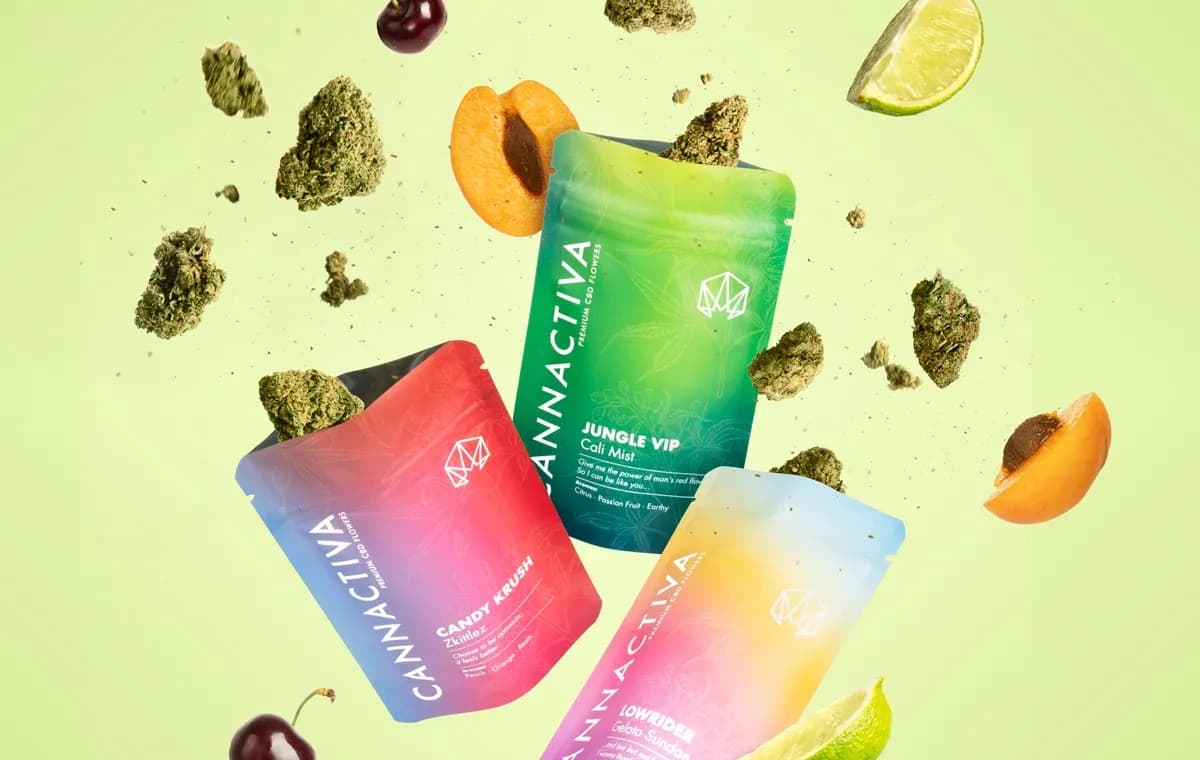
In spring 2026, we gave away a MARULA (Fruity Bliss) autoflowering CBD seed with every order, the same strain as our spring CBD flower. Because we believe there is no better way to connect with the plant than watching it grow from scratch, on your balcony, your terrace or in your garden. If you want to know the full story behind the collection, don’t miss our spring 2026 greeting.
Legal note: Cannactiva seeds are sold exclusively for collection and genetic preservation, and are not intended for growing or germination. This article is for information and educational purposes only. Germinating and growing cannabis may be regulated or restricted depending on the law in each country or region. Check the regulations that apply in your country. Users are responsible for complying with the regulations in force where they live.

Here we explain the simplest and most effective method: germinate your autoflowering seed and sow it directly in its final pot, without transplanting. By skipping the transplant, the root grows without interruption and the plant makes the most of its short life cycle. It’s quick, safe and works whether it’s your first time or you already have experience.
Follow this step-by-step guide and in a few weeks you’ll have your own CBD hemp plant growing strongly.
Why straight into the final pot?
Autoflowering plants are fast: their full cycle takes 8 to 12 weeks, from seed to harvest. They flower on their own thanks to their ruderalis genetics, regardless of day length. If you want to understand the differences between strains better, take a look at our article on sativa and indica.
Such a short cycle has an important consequence: any stress in the first few weeks shows in the final result. Transplanting, harmless as it may seem, slows growth for a few days. And with an autoflowering plant, you never get those days back.
That’s why we recommend sowing directly into the final pot. No transplanting, no stress: the root grows freely from the very start and the plant develops more vigorously.
If you’d rather use a Jiffy pellet to germinate the seed before transplanting, bear in mind that autos have weaker roots and may not break through the Jiffy’s mesh, which can sometimes affect growth. Both methods work, but planting directly into the final pot is the simplest and most effective option.
Step 1 – Soak the seed
It all starts with a glass of water. Drop your seed into water at room temperature and leave it to soak for a maximum of 48 hours. The idea is for the root (radicle) to emerge and reach about 2–3 mm.
- Add a few drops of hydrogen peroxide (3% solution) to oxygenate the water and prevent mould.
- Ideally use reverse osmosis water or rainwater to avoid chlorine and other contaminants that can hinder germination.
- If the seed is still floating after 24 hours, give it a gentle tap with your finger to make it sink.
- Keep the glass in a dark, warm place (between 20 and 25 °C).
As soon as you see the little white root poking out, the seed is ready to be sown. Don’t wait until the root is very long, as it’s fragile and can be damaged when handled.
Step 2 – Prepare the final pot
As we’ve seen, autoflowering plants don’t take well to transplanting. So choose a pot of the right size from the start: it will be their permanent home.
What size pot for autoflowering plants?
- Standard outdoor: 11 to 18-litre pots.
- Indoor: 11 to 19 litres (equivalent to 3–5 US gallons).
- Compact or fast autoflowering strains: 7 to 10-litre pots.
- XL / XXL autoflowering strains: up to 18–20 litres to make the most of their potential.
Fill the pot with a light, airy, free-draining growing medium, ideally a mix made specifically for autoflowering plants or a “light mix” (low in nutrients at the start). A good growing medium usually combines coco coir, perlite and vermiculite to help oxygen reach the roots.
Lightly moisten the growing medium before sowing, without waterlogging it. The moisture should be even, so that the seed finds ideal conditions as soon as it comes into contact with the medium.
Step 3 – Sow your seed
With the seed germinated and the pot ready, it’s time for the key moment:
- Make a small hole 1–1.5 cm deep in the centre of the growing medium.
- Place the seed with the radicle (root) pointing downwards.
- Cover it gently with growing medium without pressing it down, so the root can push through without resistance.
- Mist the surface with water to settle the soil around the seed.
It’s important not to bury the seed too deep: if it ends up more than 2 cm down, it may struggle to reach the surface and run out of energy trying. A depth of 1–1.5 cm is enough to keep it protected and let the root anchor properly.

Step 4 – Your plant’s first few days
You’ve sown your seed. Now it’s time for a little patience: the first few days are the most delicate.
Keep the growing medium nicely moist (not waterlogged) in a warm spot, between 20 °C and 25 °C, with indirect or soft light until the cotyledons and the first true leaves appear.
- Moderate watering: water little and often around the seedling, not directly on top of it. Avoid saturating the growing medium, as too much water can rot the seed or encourage mould.
- Protection from the elements: shield the seedling from strong direct sun, wind and heavy rain during the first week.
- Night-time temperature control: if the temperature drops at night, you can cover the pot with a makeshift mini greenhouse or a cut-off plastic bottle to keep in the warmth and moisture.
Once the plant has its first well-formed true leaves, it will be ready for full sun and to grow strongly. From this point on, the cycle moves quickly: within a few weeks, flowering will start automatically.
For a complete guide to the autoflowering growing cycle, from germination to harvest, see our guide to growing autoflowering cannabis. Remember that this content is for information only and that growing cannabis is subject to the law in each country or region.
Get to know your seed: MARULA (Fruity Bliss)
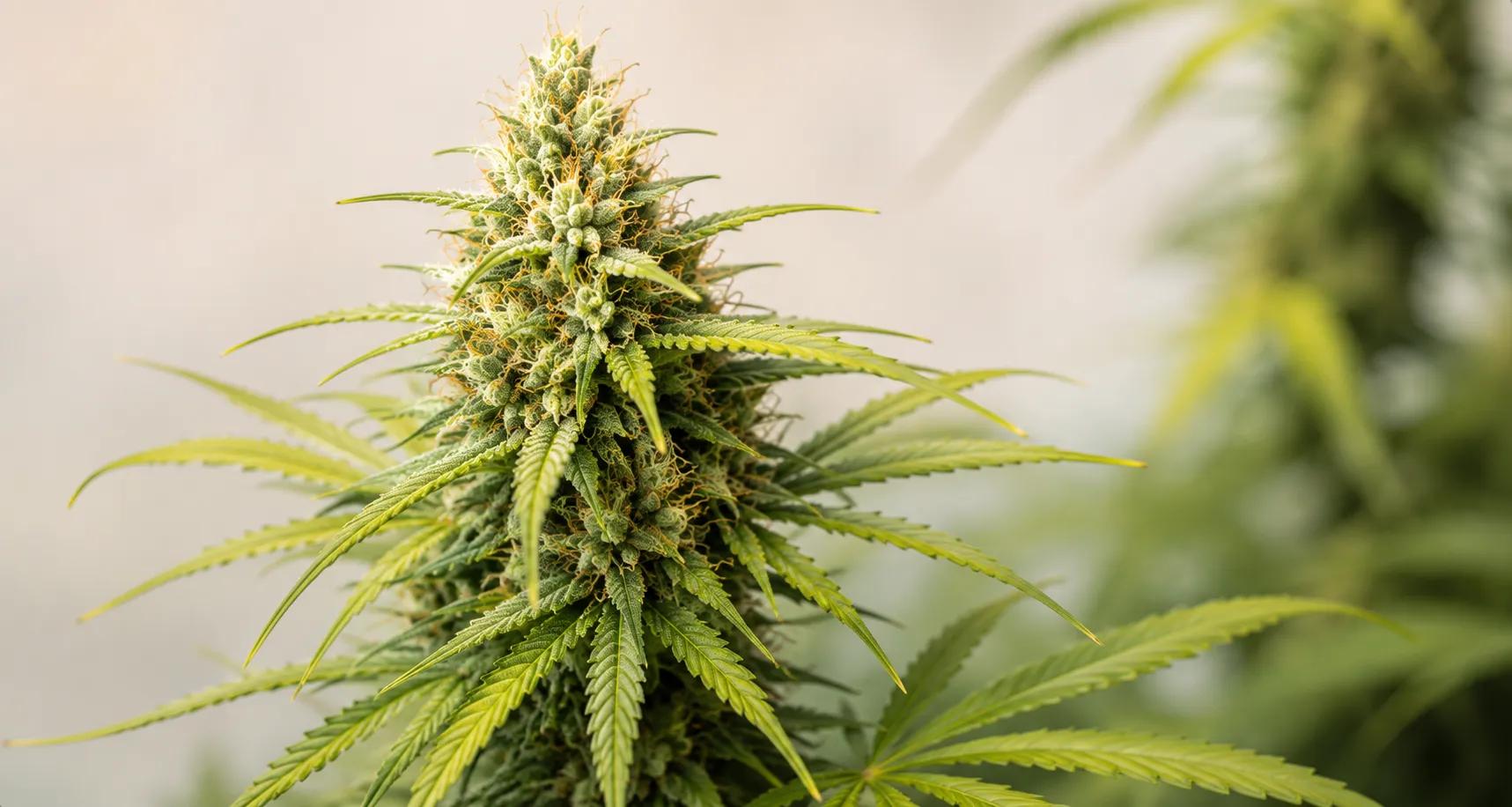
In spring 2026, the free seed with every Cannactiva order was MARULA (Fruity Bliss), an autoflowering CBD strain with a fruity, rich aroma profile. Like all the hemp seeds we offer, MARULA is a strain with less than 0.3% THC and a high CBD content.
MARULA stands out for its fruity character, reminiscent of ripe fruits of the forest. This aroma profile comes from its specific combination of terpenes, the natural compounds that give each cannabis strain its unique aroma and character.
The seed is supplied for collection and genetic preservation purposes. If you live somewhere where growing low-THC hemp is permitted, this guide will serve as a reference for germinating and sowing directly in the final pot.
Frequently asked questions about germinating autoflowering seeds (FAQ)
How long should I soak the seed?
Up to a maximum of 48 hours, in water at room temperature and in a dark, warm place (between 20 and 25 °C). It’s ready when the root emerges and reaches about 2–3 mm.
Can you transplant an autoflowering plant?
You can, but it’s best not to: its cycle takes 8 to 12 weeks, and transplanting slows growth for a few days you can’t get back. That’s why it’s better to sow it directly in its final pot.
What size pot does an autoflowering plant need?
Outdoors, 11 to 18 litres; indoors, 11 to 19 litres. Compact or fast autoflowering strains make do with 7 to 10 litres, and XL or XXL ones do best with up to 18–20 litres.
How deep should you sow the germinated seed?
1–1.5 cm deep, with the root pointing downwards, covered with growing medium without pressing it down. If it ends up more than 2 cm down, it may struggle to reach the surface.
Watching a plant grow from seed is an experience that gets you hooked. We hope you enjoy the MARULA (Fruity Bliss) we gave away with every order in spring 2026.
Always remember to check the regulation of hemp and CBD in force where you live. And if you have any questions along the way, we’re here to help.
Legal notice: This article is for information and educational purposes only. Cannactiva seeds are sold as collectable items for genetic preservation, and are not intended for germination or growing. Germinating and growing cannabis seeds is subject to the law in force in each country and region. In Spain, the sale and possession of seeds is legal, as seeds do not contain controlled substances (THC); the same applies in the UK. However, growing may be regulated depending on its purpose and the applicable local regulations: in the UK, for example, growing any cannabis plant, including low-THC hemp, requires a Home Office licence, and hemp flower is controlled even with little THC. Users are solely responsible for informing themselves and complying with the law in their jurisdiction. Cannactiva accepts no responsibility for any use that may be made of the information contained in this article.