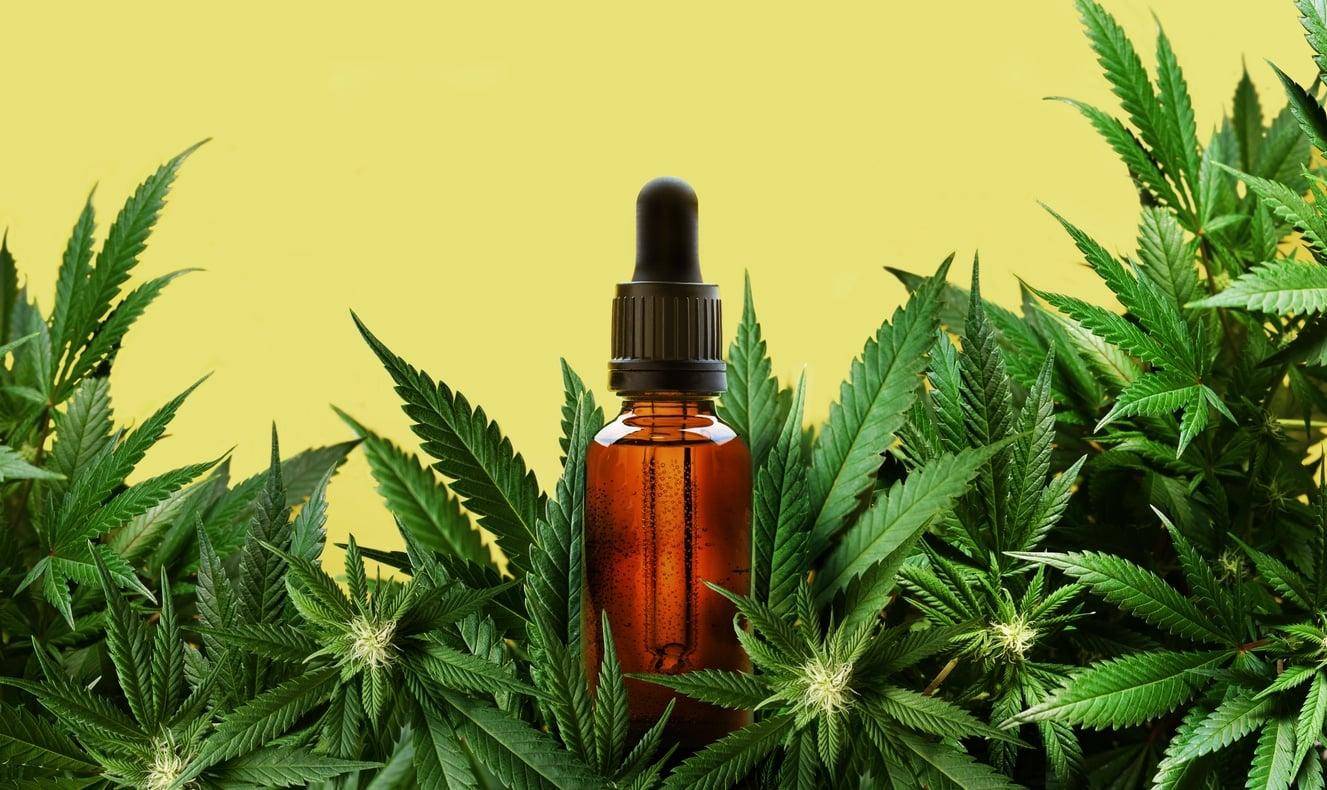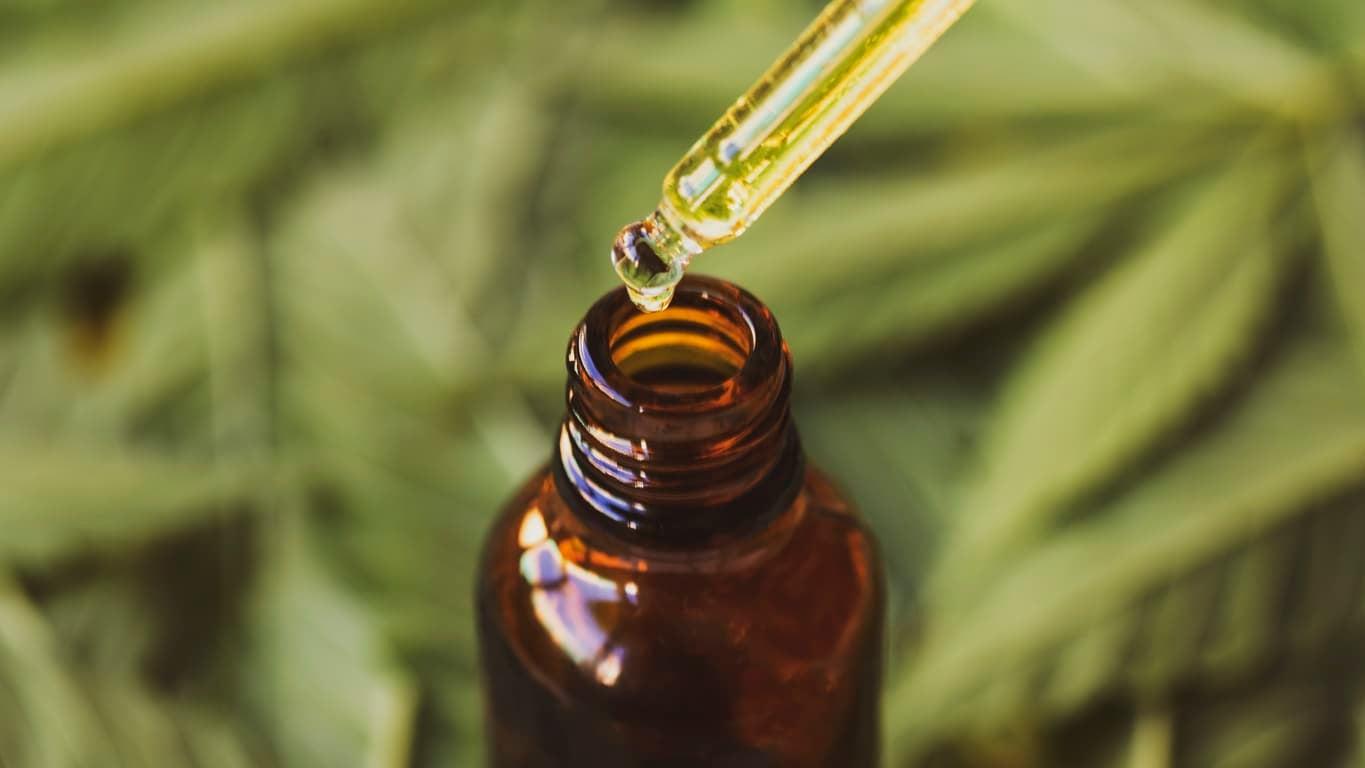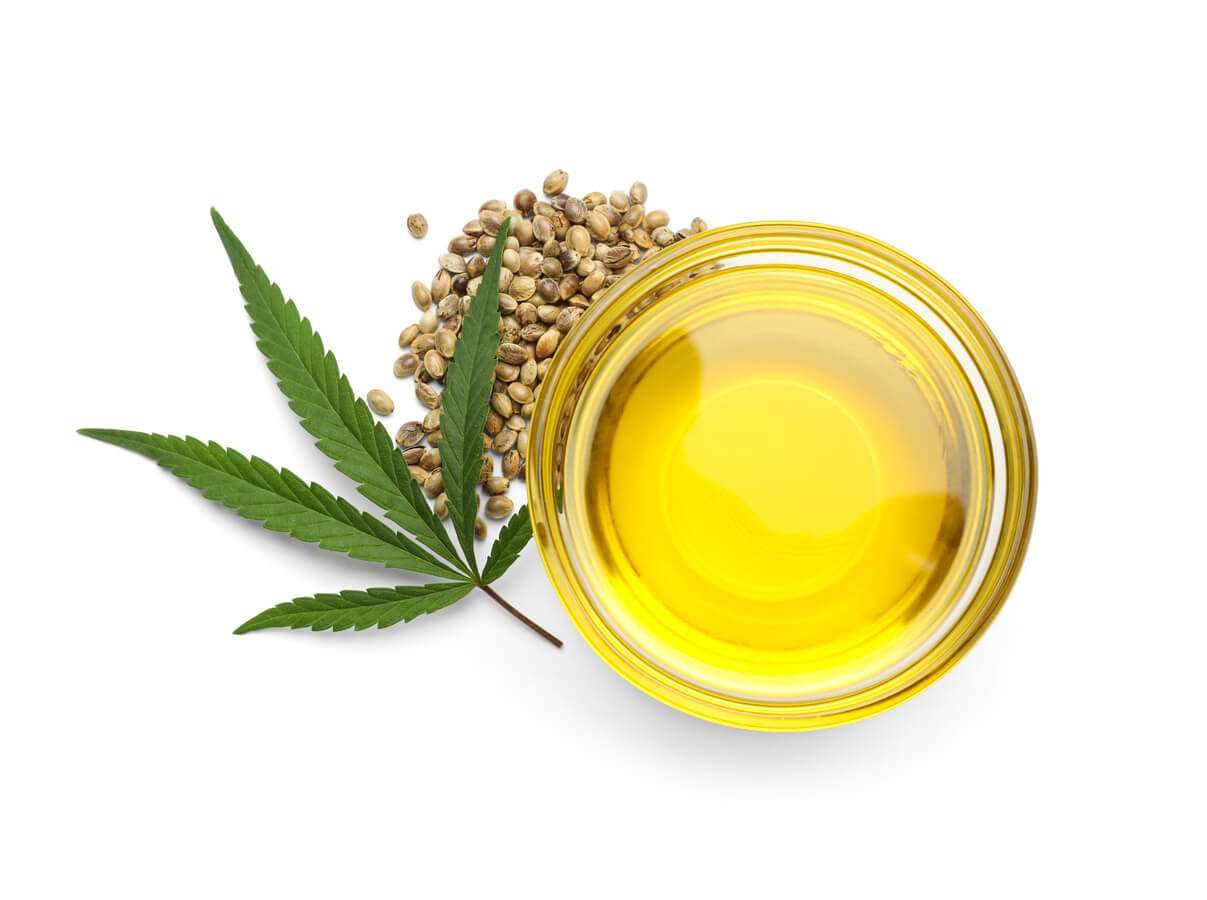
There are many myths about hemp oil as a food. Although it is a genuine source of nutrition and a natural omega-3 supplement, because it comes from cannabis, many people have doubts about eating it and about its safety. Clear up all your questions about hemp oil and make the most of this powerful superfood!
What is hemp oil?
If you haven't come across it yet, this oil is made from hemp seeds, has a delicate nutty flavour and is a genuine omega-3 supplement for our diet. In this article you will find the main questions about hemp oil and everything you need to know to benefit from this powerful food.
What do health authorities say about hemp oil?
Hemp oil has excellent nutritional properties. The Spanish Agency for Food Safety and Nutrition (AESAN) considers hemp oil, as well as hemp seeds, hemp protein and all hemp seed derivatives, to be safe for health.
Does hemp oil contain THC?
Hemp oil does not contain any cannabinoids and therefore has no psychoactive effects.
Cannabinoids such as CBD or THC are only found in the resin of the flowers (buds) of hemp and cannabis. So the seeds contain neither CBD nor THC.

Differences between hemp and cannabis
Hemp and cannabis come from the same plant, Cannabis sativa. What sets them apart is their content of the cannabinoid THC, the psychoactive compound in cannabis.
More specifically, hemp is the type of Cannabis sativa that contains less than 0.3% THC, the legal limit set by the European Union.
Growing hemp is completely legal in the EU (in the UK it requires a Home Office licence) and, as a point of interest, it has a wide range of uses: textiles, food, medicine, biomass, animal feed, construction… Thanks to its yield and sustainability, hemp is likely to become (or remain) a very important crop.

Could hemp oil contain small amounts of THC or CBD?
Hemp oil does not contain cannabinoids, not even in small amounts. It could only contain cannabinoids if it were contaminated with CBD or THC extract. Cannabinoids are not found in products derived from hemp seeds, only in products derived from the flowers, such as CBD extract or cannabis buds (inflorescences).
Are hemp oil and CBD oil the same thing?
The arrival of hemp-derived oils has caused some confusion among consumers. Although hemp seed oil can legally be used in food products, CBD oil does not have the same status.
Differences between hemp oil and CBD oil
The main differences between hemp oil and CBD oil are:
- Hemp oil is made from hemp seeds; it stands out nutritionally for its omega-3 content and its nutritional properties. Hemp oil can also be used in skincare.
- CBD oil is a commercial preparation made of a “base” oil (usually hemp oil) with added CBD extract. This extract is obtained from the flowers (buds) of hemp. In the EU, CBD is not authorised for use in food products, and in the UK it is regulated as a novel food: only products on the Food Standards Agency’s public list may be sold as food. Its use in skincare products, on the other hand, is permitted.
What is hemp oil good for in your diet?
Hemp oil stands out mainly for its high omega-3 content. One teaspoon of hemp oil provides all the omega-3 an adult needs each day. That makes this dressing ideal for never forgetting your daily omega-3 intake.
For more information, we recommend our article on the Benefits of hemp oil for your health
Is hemp oil better than olive oil?
The advantage of hemp oil over olive oil is its high omega-3 content. That is why many nutritionists recommend hemp oil as a natural omega-3 supplement.
In diets where you want to increase your omega-3 intake, we recommend using hemp oil, always raw, so that all the properties of omega-3 are preserved.
To go deeper into the subject, we cover it in a dedicated article: Is hemp oil better than olive oil?
More questions about hemp oil?
Still unsure about anything? Feel free to write to us and our technical team will answer any question. You can use any channel: our social media or the contact form on our website.