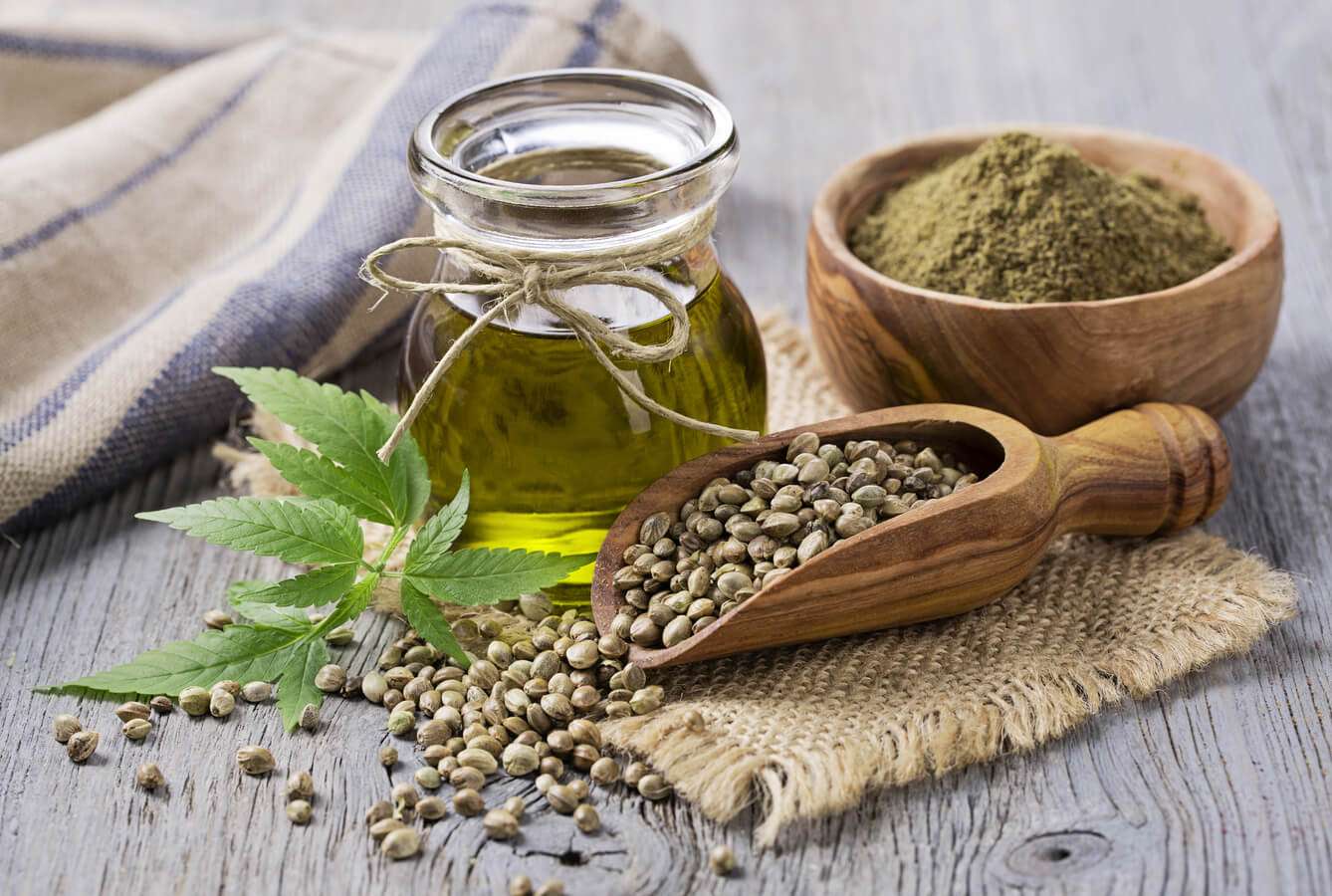
Find out how hemp seed oil can help you day to day by adding a new, completely natural nutrient to your diet. What benefits does it offer? How should you take it? What nutrients does it contain?
What do you want to know?
- Benefits and properties of hemp oil
- Hemp oil nutrients
- How to add it to your diet
- What is it and what does it contain?
- How should you store it?
- Buy hemp foods
Hemp oil: key properties and benefits
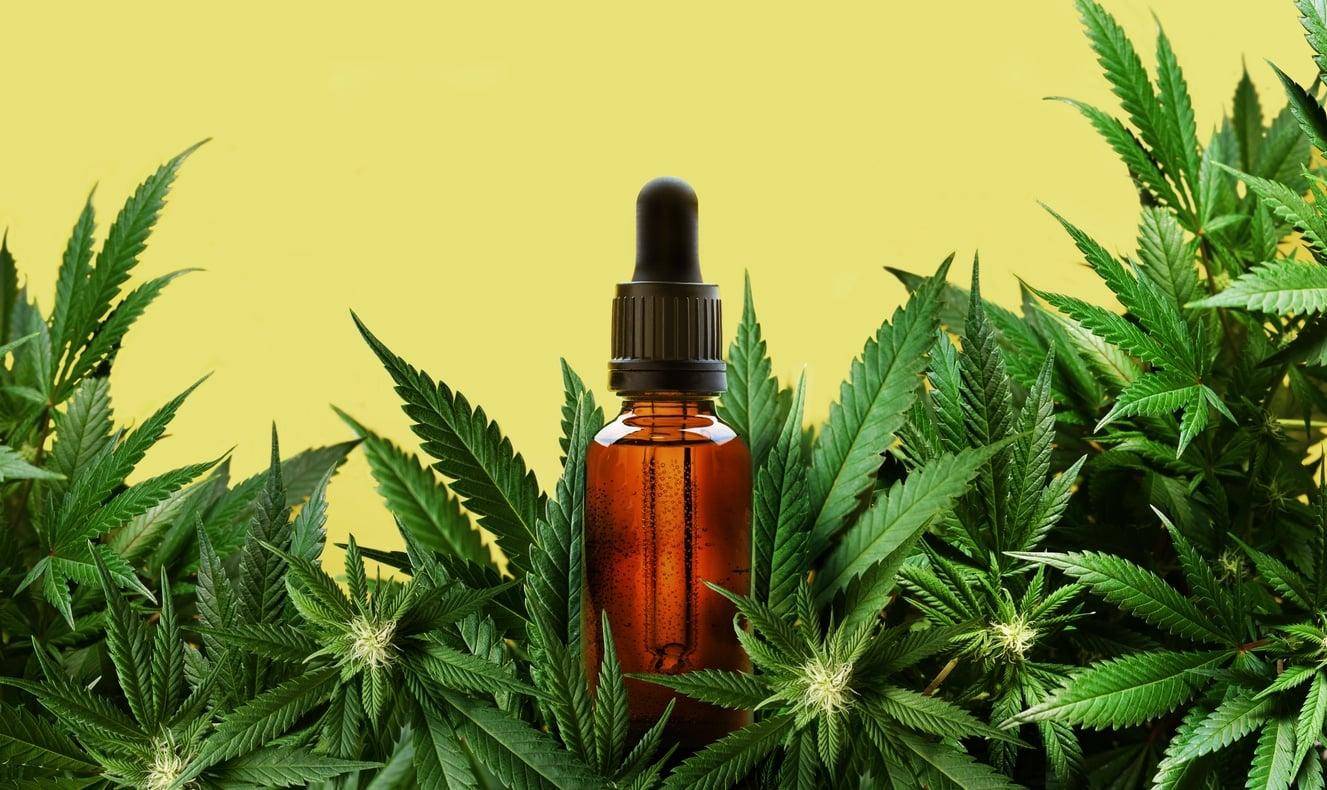
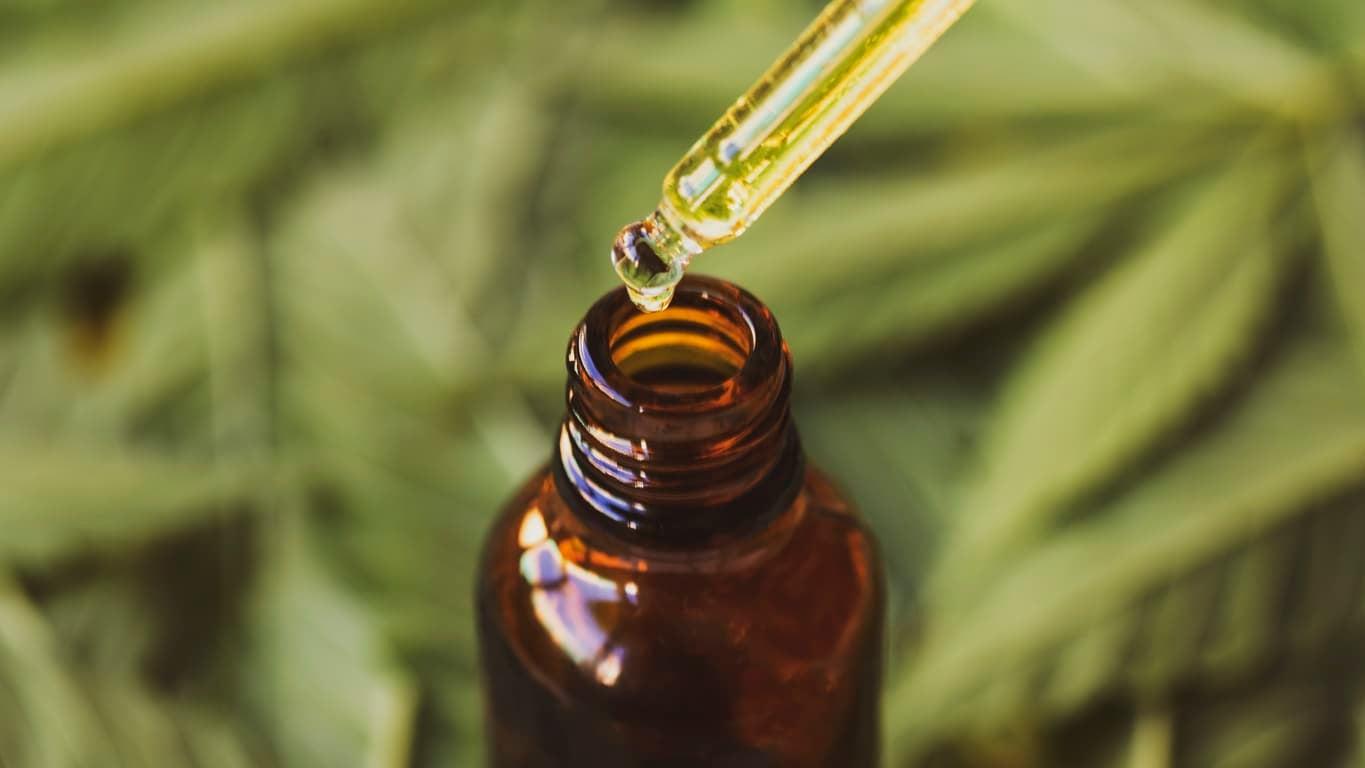
Hemp oil or hemp seed oil is golden or bright green in colour (depending on whether it's made from hulled or whole seeds), and has a delicate nutty flavour. Among its benefits, it's a source of omega-3, with heart-healthy and anti-inflammatory properties.
In this article we explain what hemp oil is, how it's made, what its nutritional properties are and all the health benefits of adding it to your diet.
Its 3 main benefits
- It's a natural source of omega-3
- Heart-healthy properties
- Anti-inflammatory effect.
What is hemp oil good for? Nutrients and effects
Hemp oil is one of the richest food sources of omega-3. This component has been shown to have heart-healthy and anti-inflammatory properties and to help protect the healthy functioning of the nervous system. The benefits of omega-3 include:
- It's a type of heart-healthy fat that lowers blood pressure and levels of triglycerides and LDL cholesterol (or “bad cholesterol”).
- Anti-inflammatory properties, which could help with joint pain, arthritis and osteoarthritis, and inflammatory bowel diseases.
- Prevention of cognitive decline, as omega-3 is part of neurons and neurotransmitters.
- Prevention of some types of cancer, such as colon, prostate and breast cancer.
Other important components of hemp oil are phytosterols (plant sterols, components that help reduce LDL cholesterol) and tocopherols (vitamin E, antioxidant).

Characteristics of hemp oil: colour and flavour
The characteristics of hemp oil vary slightly, depending on the process used to obtain it:
- Green hemp oil: made from whole seeds, it has a bright green colour and an intense nutty flavour. It has a high chlorophyll content. Bear in mind that chlorophyll is very sensitive to light, so it's best to store this oil somewhere very cool and dark (we recommend the fridge).
- Golden hemp oil: made from hulled and toasted hemp seeds, it has a golden colour and a light nutty flavour.
All our oils are obtained by cold pressing organic hemp seeds.
How can you add hemp oil to your recipes?
You can use this oil just as you would olive oil or any other oil for dressing food. We love it for dressing hummus, pasta, pulse and rice dishes, salads, guacamole and blended vegetable soups. You can also add it to homemade pesto, combined with virgin olive oil.
We recommend using hemp oil as just another ingredient in your cooking, not by the spoonful as if it were an omega supplement. We think that by adding the oil to your recipes you'll make sure you consume it regularly. That way, your diet will be richer in omega-3.
Which diets benefit from the properties of hemp oil?
Hemp oil provides the omega-3 needed in:
- Diets for heart health: high blood pressure, arrhythmia, cholesterol, diabetes, fatty liver, etc.
- Diets to improve circulation: varicose veins, tired legs, old age, etc.
- Diets for nervous disorders: stress, depression, anxiety, hyperactivity, etc.
- Diets for pregnancy and breastfeeding: omega-3 requirements increase at these stages.
- Diets to reduce pain (anti-inflammatory): period pain, arthritis, bronchitis, psoriasis, inflammatory bowel diseases, etc.
At Cannactiva we recommend professional advice, and that diet therapy goes hand in hand with suitable habits and lifestyle, avoiding inactivity. Speak to your healthcare professional.
How much hemp oil should you take?
The recommended daily amount depends on each person and their needs. In general, 1 teaspoon is enough to get all the omega-3 an adult needs (that is, 5 ml of oil provides about 1 g of omega-3). However, you can consume more completely safely.
What is hemp oil?
Hemp oil is made by cold-pressing hemp seeds. It has a high content of the essential fatty acids omega-3 and omega-6 (70%) and is an excellent dietary source of these components.
In the kitchen, it's prized for its delicate nutty flavour. It's eaten raw, as a dressing or in sauces, so that all the oil's properties are better preserved.
From a nutritional point of view, it's recommended as if it were a natural omega-3 supplement. One teaspoon of hemp oil provides the full recommended daily amount of omega-3 for an adult.
Be careful not to confuse it with CBD oil: hemp oil is extracted from the seeds and contains no cannabinoids, whereas CBD oil is made from the flowers and is concentrated in cannabidiol. They're different products with different uses.
What does hemp oil contain?
Hemp oil contains only the oil obtained from hemp seeds. It has no other ingredients: no CBD is added, nor any other cannabinoids or ingredients.
However, there's still a lot of confusion about this. That's why the Spanish Agency for Food Safety and Nutrition (AESAN) issued a statement specifically clarifying that all hemp seed derivatives, such as hemp oil, are safe for health (official note from 2020).
If you still have doubts about the safety of this oil, read our article clearing up the Myths about hemp oil as a food
Can hemp oil get me high if I consume a lot of it?
The answer is a resounding no. Hemp oil doesn't get you high, as it contains no THC beyond tiny traces (the EU sets a maximum of 7.5 mg/kg in hemp seed oil), nowhere near enough to get you high. Cannabinoids such as THC are found only in the resin of the cannabis flowers (buds), not in the seeds.
How should you store hemp oil?
Eat the oil raw. Omega-3 and omega-6 fatty acids don't hold up well to cooking temperatures, which speed up the breakdown of these components.
Have you tried it yet?
Hemp oil has great properties and benefits, and it's a culinary and nutritional treasure. Try it and you'll see how it becomes your favourite ingredient for tastier recipes, giving your body the quality omega-3 it needs every day.